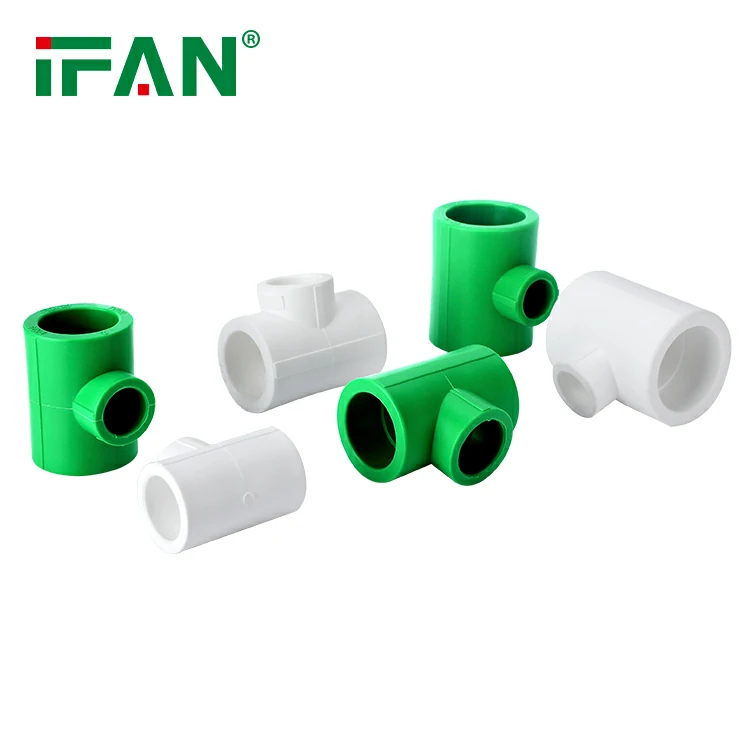
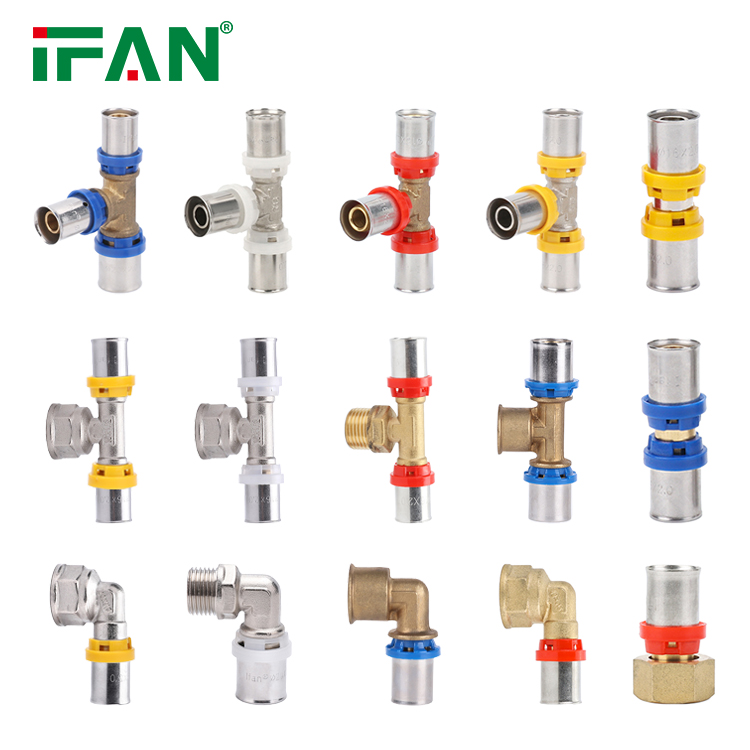
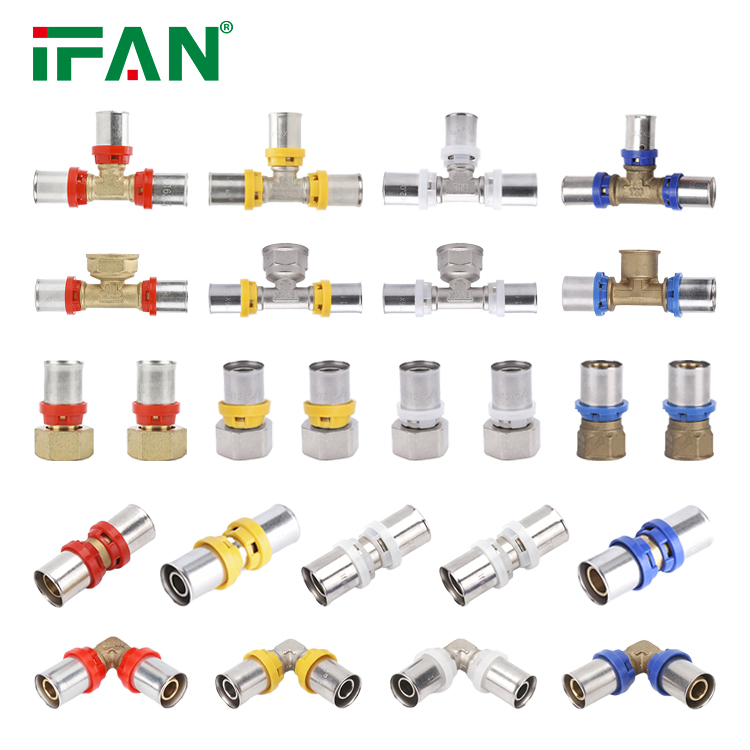
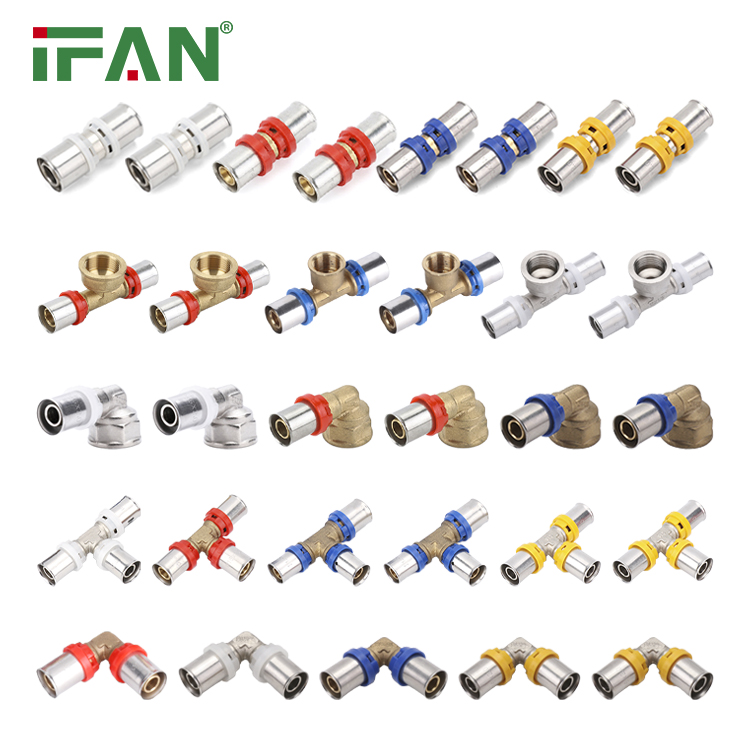
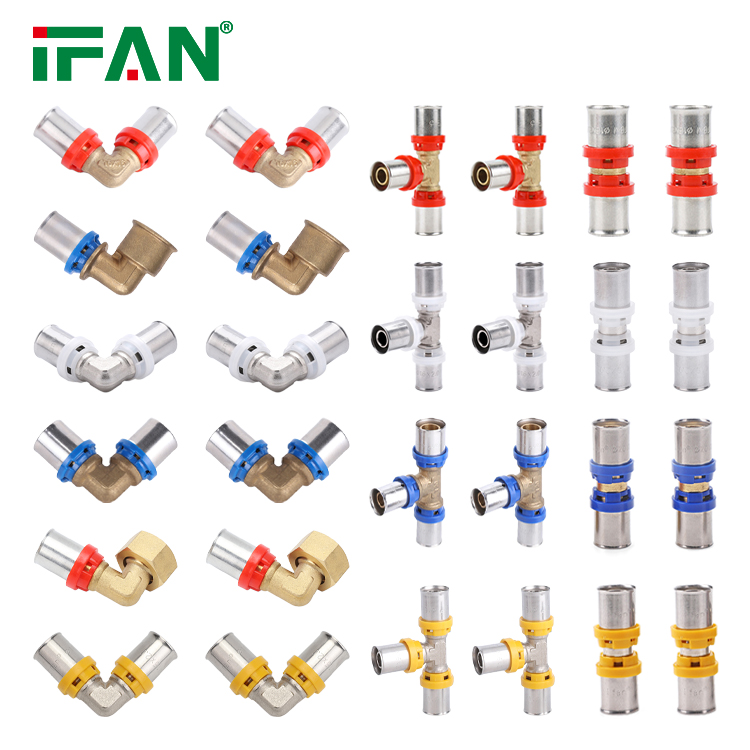
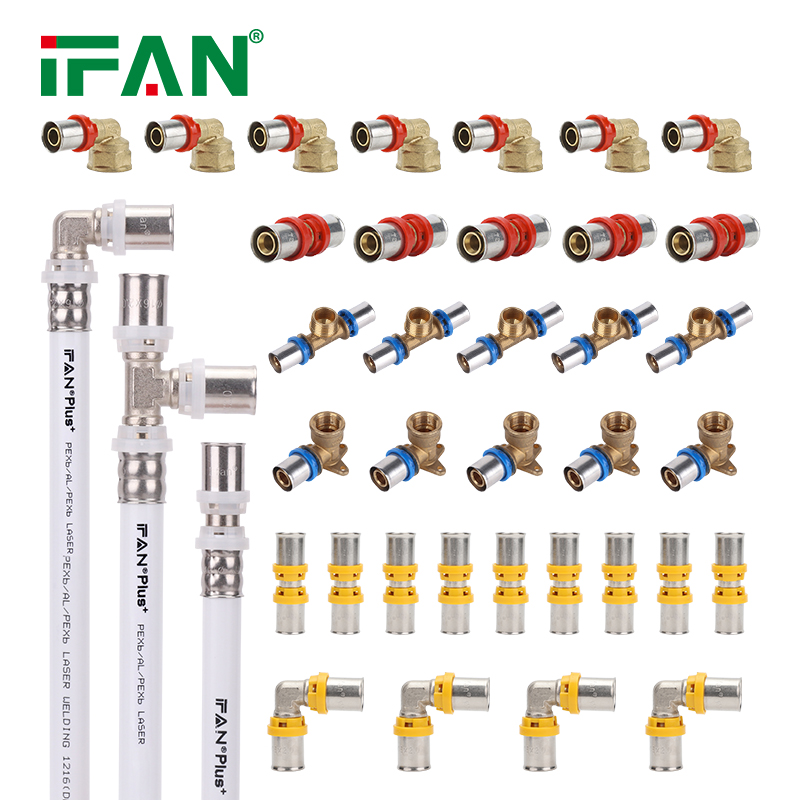
Introduction to IFAN ISO 15874 PPR Fittings
IFAN ISO 15874 PPR fittings are renowned for their quality and eco-friendly design in piping solutions. These fittings conform to the ISO 15874 international standard, ensuring exceptional performance in pressure piping systems. Manufactured using advanced polypropylene random copolymer (PPR), they provide durability and safety for potable water and heating systems. Choosing IFAN fittings means investing in reliable infrastructure with a commitment to sustainability.
Exceptional Durability and Longevity
One of the primary advantages of IFAN PPR fittings is their impressive durability. Thanks to high-quality raw materials and precision manufacturing, these fittings resist corrosion, chemical damage, and scaling. They maintain their strength and integrity under varying environmental conditions and high temperature and pressure scenarios, translating into extended system life and reduced maintenance costs.
Eco-Friendly Materials and Manufacturing
IFAN prioritizes environmental responsibility by utilizing recyclable PPR materials in their fittings. The production process minimizes waste and reduces carbon footprint, aligning with global sustainability goals. The fittings are free of heavy metals and harmful additives, ensuring safety for both users and the environment. This eco-conscious approach makes IFAN fittings a wise choice for environmentally minded businesses and homeowners.
Easy Installation and Versatility
The design of IFAN ISO 15874 PPR fittings enhances installation efficiency. Their lightweight and user-friendly structure simplify handling and joining, reducing labor time and costs. The wide range of sizes and configurations allows them to suit diverse plumbing and heating applications, from residential to industrial projects. This versatility ensures seamless integration into various piping systems.
High Safety Standards and Compliance
Meeting the ISO 15874 standard means IFAN fittings adhere to strict safety and reliability benchmarks. These fittings deliver consistent performance under pressure and temperature variations, ensuring leak-proof joints and system security. Compliance with global regulations provides peace of mind for installers and end users, solidifying IFAN’s reputation as a trustworthy brand.
Chemical Resistance and Maintenance Benefits
IFAN PPR fittings exhibit excellent resistance to many chemicals commonly found in water supply and industrial environments. This resistance reduces the risk of damage and contamination, preserving water quality and system functionality. Furthermore, the fittings require minimal maintenance, lowering lifecycle costs and operational disruptions.
Energy Efficiency and Thermal Insulation
The inherent thermal insulation properties of PPR material help maintain fluid temperature within pipelines, improving energy efficiency. This reduces heat loss in hot water systems and prevents condensation in cold water lines, contributing to overall operational savings. The energy-conscious nature of IFAN fittings aligns perfectly with modern efficiency standards.
Cost-Effectiveness Over Time
Though initial investment may be comparable to other fittings, the long-term benefits of IFAN ISO 15874 PPR fittings make them economically advantageous. Their durability, low maintenance needs, and energy-saving features contribute to lower total ownership costs. This makes them a smart financial choice for projects focused on sustainability and reliability.
Conclusion: Combining Reliability with Environmental Care
IFAN ISO 15874 PPR fittings represent the ideal fusion of strength, safety, and sustainability. Their robust performance, ease of use, and eco-friendly credentials serve the needs of contemporary plumbing and heating systems. By choosing IFAN fittings, users benefit from dependable infrastructure while supporting greener environmental practices.