Introduction
The global demand for reliable and long-lasting plumbing systems has brought PPR fittings to the forefront of the industry. As technology and manufacturing processes evolve, so do the standards for PPR fittings. This article explores how modern advancements in manufacturing are setting new benchmarks for PPR fittings, pushing the boundaries of quality, sustainability, and innovation in the plumbing sector.
With an increasing demand for durable, cost-effective, and environmentally friendly solutions, manufacturers are focusing on enhancing the performance and sustainability of PPR fittings. This article highlights the cutting-edge techniques that are revolutionizing PPR fittings manufacturing, improving the end product, and meeting the growing needs of both residential and commercial plumbing systems.
What Are PPR Fittings?
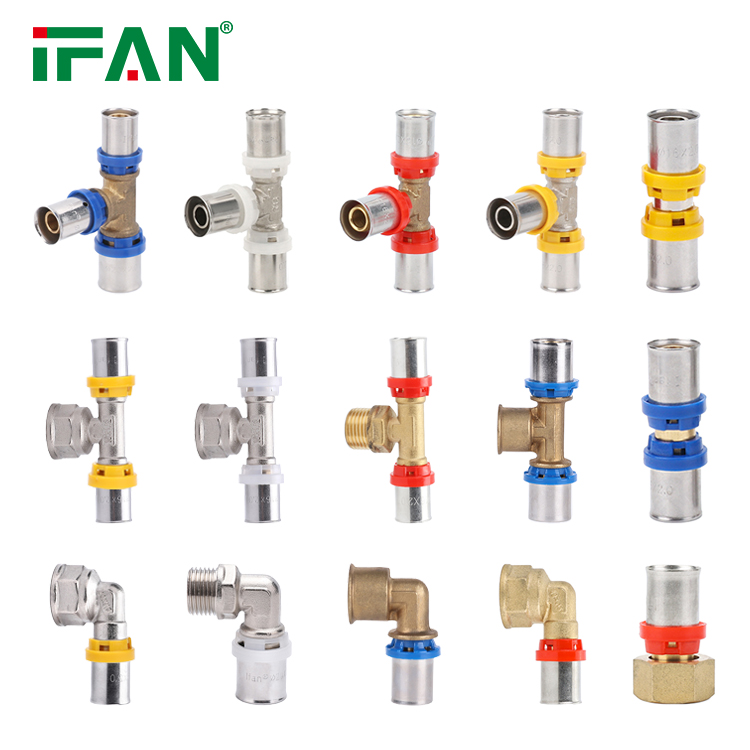
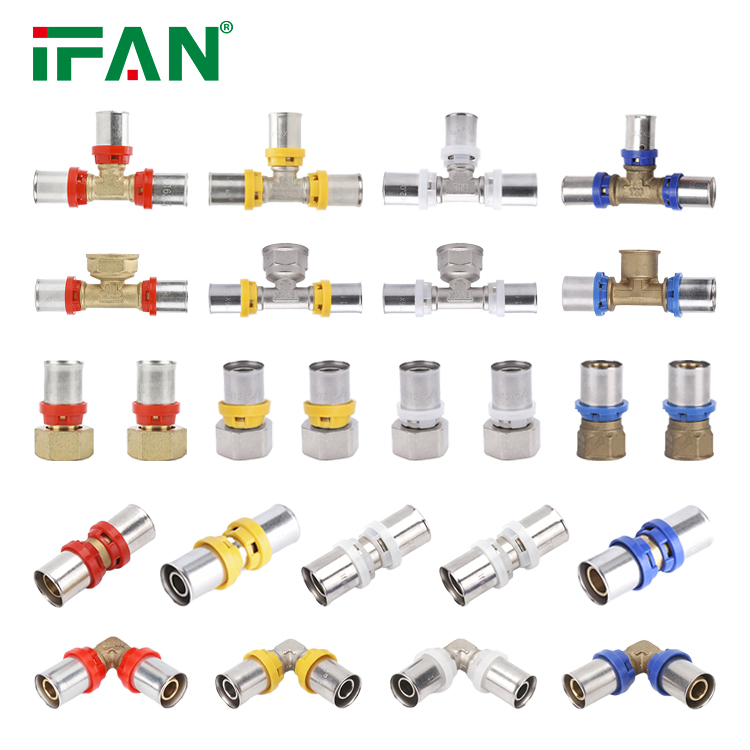
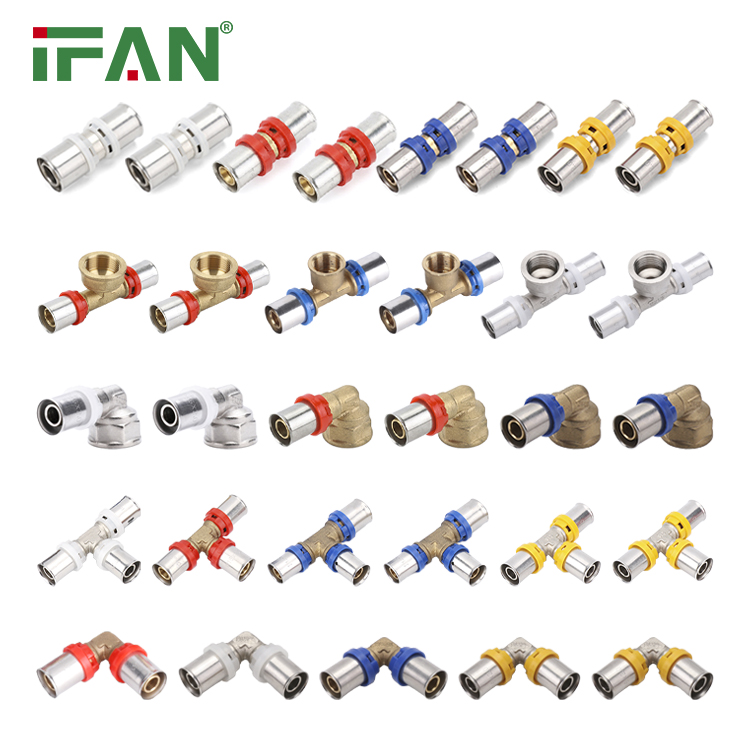
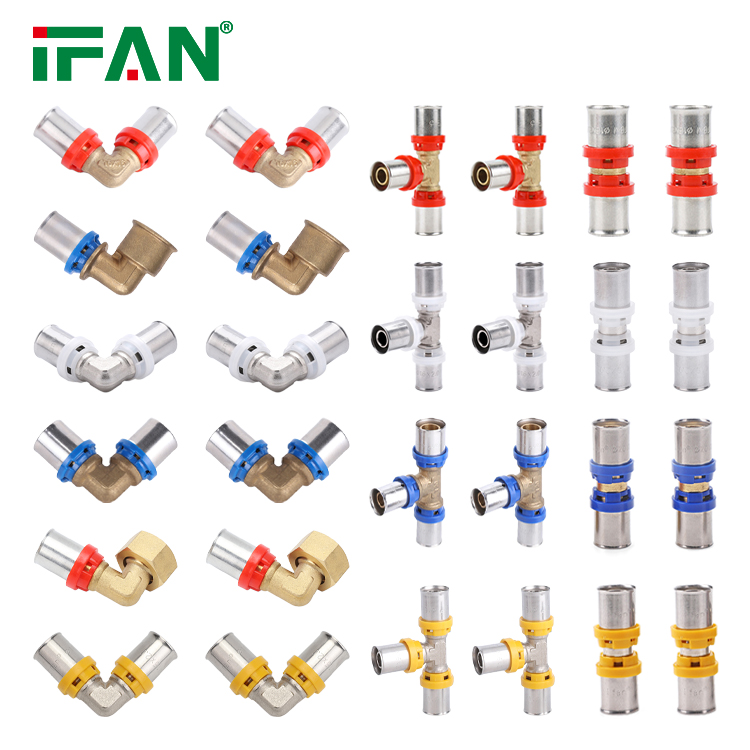
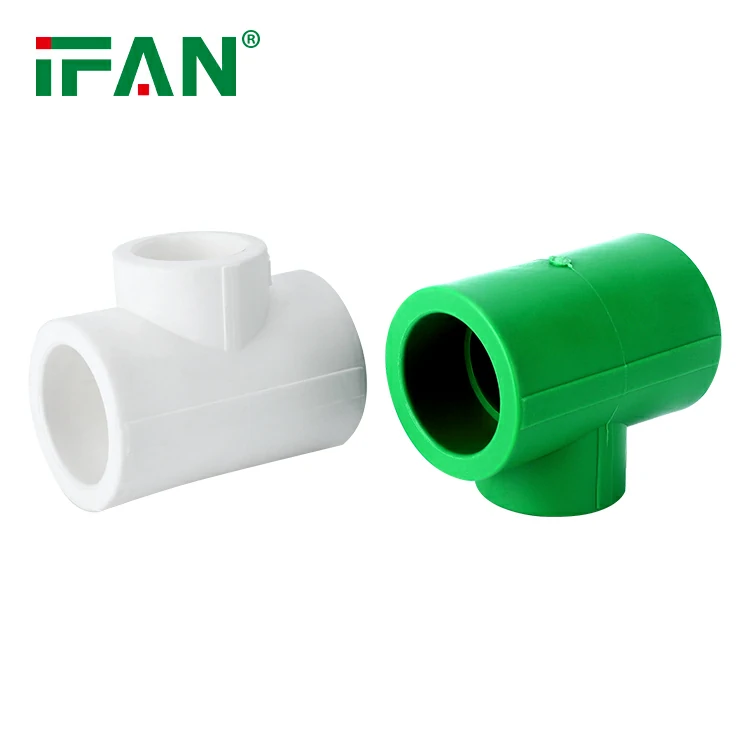
PPR fittings, or Polypropylene Random Copolymer fittings, are essential components used in plumbing systems. Made from a durable thermoplastic material, PPR fittings offer a reliable, corrosion-resistant solution for both hot and cold water distribution. These fittings come in various shapes and sizes, such as elbows, tees, couplings, and valves, providing seamless connections for pipes in residential, commercial, and industrial applications.
The use of PPR fittings offers several advantages over traditional metal-based fittings, including:
- Corrosion Resistance: PPR fittings do not rust or corrode, even in challenging environments with high humidity or exposure to chemicals.
- Temperature Resistance: These fittings are resistant to both high and low temperatures, making them ideal for a range of applications, including hot water systems.
- Durability: Due to their long lifespan, PPR fittings require minimal maintenance and reduce replacement costs.
- Cost-Effectiveness: Compared to metal pipes, PPR fittings are less expensive and offer a more affordable solution without compromising quality.
Innovations in PPR Fittings Manufacturing
Manufacturers of PPR fittings are continuously striving to improve production processes and ensure that the fittings meet the most stringent quality standards. Below are some of the most notable innovations currently shaping the PPR fittings manufacturing industry:
1. Advanced Material Composition
The quality of PPR fittings heavily depends on the materials used in their production. Today, manufacturers are focusing on using higher-quality polypropylene blends that enhance the material’s mechanical properties, such as impact resistance, strength, and durability. By introducing specialized additives into the polymer, manufacturers can improve the overall performance of PPR fittings in extreme environmental conditions.
These advanced material compositions make PPR fittings even more durable, ensuring that they can withstand harsh weather conditions, high temperatures, and heavy water pressure. As a result, PPR fittings are increasingly used in both residential and industrial applications that require more robust, long-lasting systems.
2. Improved Manufacturing Techniques
Another key area where manufacturers are setting new standards is in the production methods for PPR fittings. Automated processes and precision molding technologies have allowed for greater consistency and quality control in every piece produced.
For example, PPR fittings are now manufactured using state-of-the-art injection molding machines, which provide accurate shaping and eliminate defects caused by manual processes. This innovation not only enhances the visual appearance of the fittings but also ensures a tighter, leak-proof fit when installed in plumbing systems.
Additionally, advanced extrusion techniques are used to produce pipes and fittings with improved strength and flexibility. These techniques allow for the production of PPR fittings that meet international standards for pressure resistance and temperature tolerance, ensuring that they can handle a wide range of plumbing needs.
3. Fusion Welding Technology
Fusion welding technology, a process that uses heat to join two PPR fittings securely, has become a standard practice in the industry. This method results in a leak-proof, robust connection that ensures the durability of the plumbing system. The fusion welding process eliminates the need for glue or mechanical connectors, which are often prone to failure over time.
This technology also enhances the overall integrity of the system, as it allows for seamless connections without the risk of leaks or other issues associated with traditional joining methods. As a result, the use of fusion welding technology in PPR fittings manufacturing has greatly improved the reliability of plumbing systems worldwide.
4. Environmental Sustainability
As sustainability becomes an increasing concern globally, manufacturers are focusing on reducing the environmental impact of PPR fittings production. Many companies now use eco-friendly materials in the production of PPR fittings, ensuring that the fittings are fully recyclable at the end of their lifespan.
Moreover, modern manufacturing facilities are incorporating energy-efficient processes and reducing waste, which not only helps to lower production costs but also supports the green building movement. PPR fittings themselves also contribute to sustainability by offering long-lasting solutions, reducing the need for frequent replacements and thus lowering overall environmental impact.
5. Innovative Design and Customization
With the demand for customized plumbing solutions on the rise, PPR fittings manufacturers are focusing on offering a wider variety of fitting sizes, shapes, and designs. The ability to tailor PPR fittings to specific project requirements ensures that plumbing systems can be optimized for unique spaces, conditions, and uses.
Additionally, new design innovations allow PPR fittings to be more user-friendly and easy to install, further improving their appeal to both professional plumbers and DIY enthusiasts. Customization options also ensure that PPR fittings can be integrated into modern smart plumbing systems, with features such as enhanced flow regulation and pressure control.
The Future of PPR Fittings Manufacturing
The future of PPR fittings manufacturing looks promising, with ongoing developments in technology, sustainability, and customization paving the way for even more advanced and versatile products. As global demands for eco-friendly and cost-effective solutions increase, PPR fittings will continue to play a key role in shaping modern plumbing systems.
Manufacturers will likely continue to focus on enhancing the longevity and durability of PPR fittings, while also exploring new ways to improve their efficiency, reduce energy consumption, and support sustainable building practices. Moreover, as smart homes and IoT technology become more widespread, the integration of smart PPR fittings with automated systems could revolutionize plumbing as we know it.
Conclusion
The ongoing innovation in PPR fittings manufacturing is setting new standards for quality, durability, and sustainability in plumbing systems. Through advances in material composition, manufacturing techniques, fusion welding, and design, PPR fittings are becoming an increasingly reliable solution for both residential and industrial applications. With a strong focus on environmental sustainability and cost-effectiveness, PPR fittings are sure to remain at the forefront of the plumbing industry for years to come.
Frequently Asked Questions (FAQ)
- What are PPR fittings made of?
PPR fittings are made from Polypropylene Random Copolymer (PPR), a durable thermoplastic material known for its resistance to corrosion and high temperatures. - How are PPR fittings connected?
PPR fittings are connected using fusion welding technology, which creates a leak-proof, seamless bond between the pipes and fittings. - Are PPR fittings suitable for hot water systems?
Yes, PPR fittings are highly resistant to both hot and cold water, making them ideal for a variety of plumbing systems, including hot water installations. - Are PPR fittings eco-friendly?
Yes, PPR fittings are made from recyclable materials and contribute to sustainability by offering long-lasting solutions that reduce the need for frequent replacements. - What are the advantages of using PPR fittings over metal pipes?
PPR fittings are more corrosion-resistant, cost-effective, and lightweight than metal pipes, offering a longer lifespan with fewer maintenance requirements.