The Benefits of Using PPR Pipe Fittings
Introduction
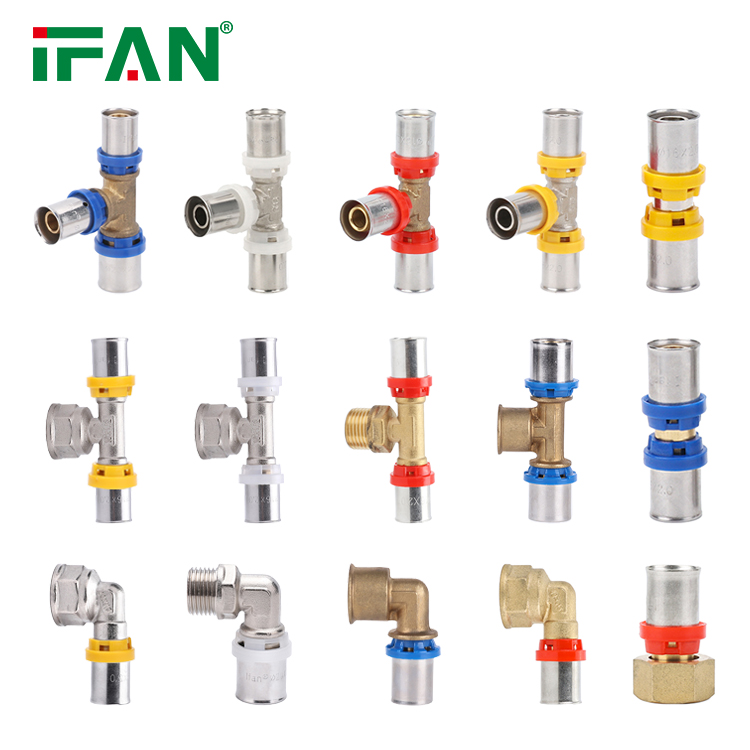
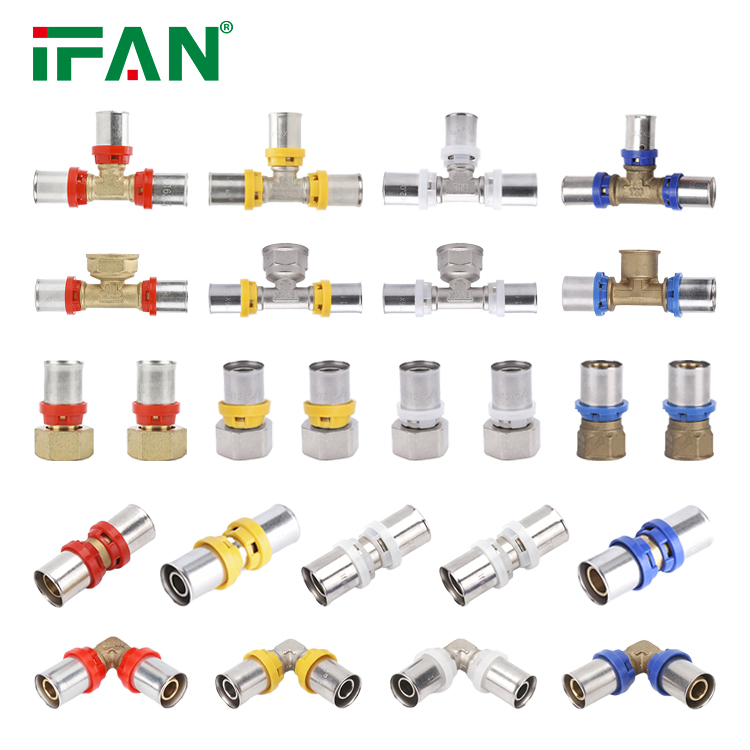
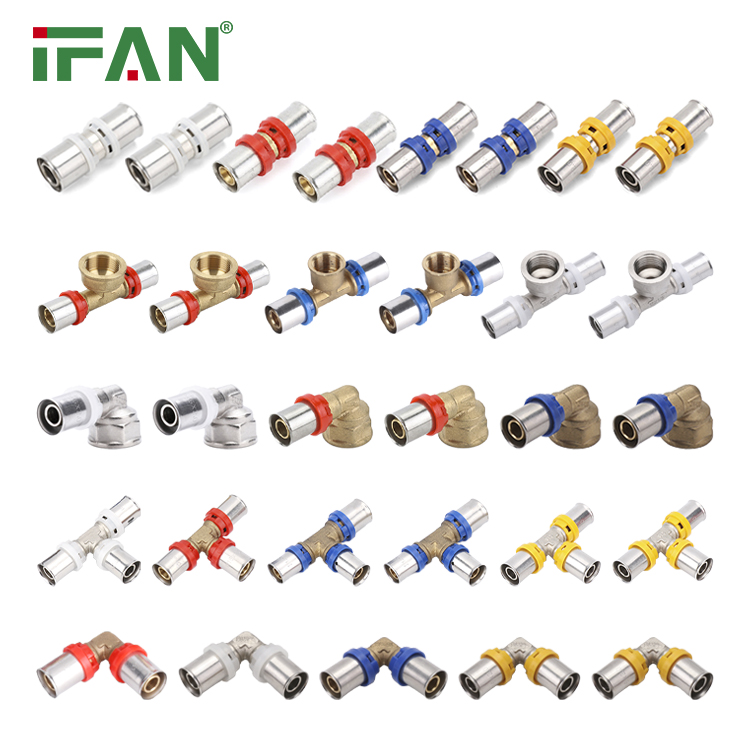
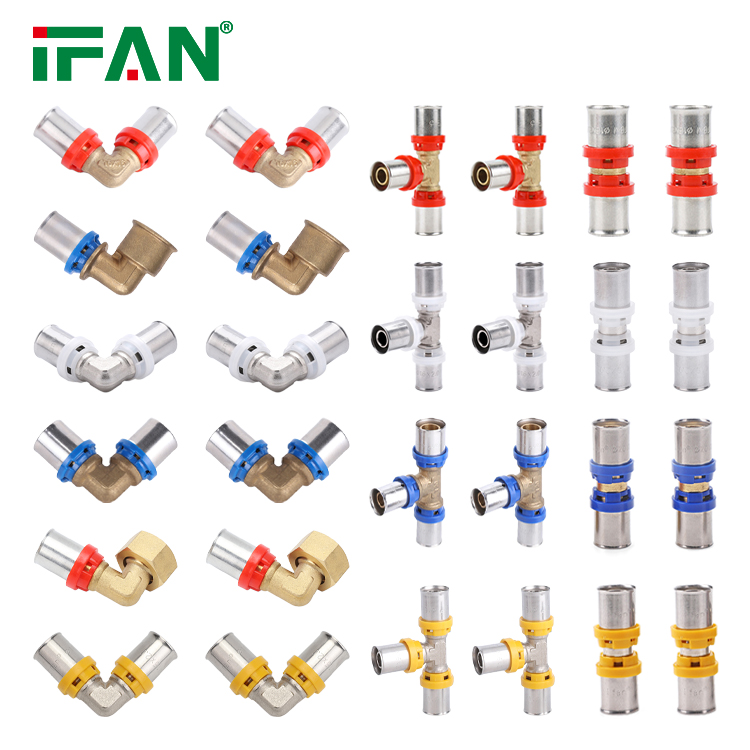
PPR pipe fittings are an essential element in plumbing and piping systems. These fittings are made from polypropylene random copolymer, which is a thermoplastic material with high thermal stability. This makes PPR pipe fittings ideal for high-temperature water distribution systems. In this article, we will explore the features and benefits of using PPR pipe fittings in plumbing and piping systems.
Features of PPR Pipe Fittings
PPR pipe fittings have several features that make them the ideal choice for plumbing and piping systems. Here are some of the key features of PPR pipe fittings:
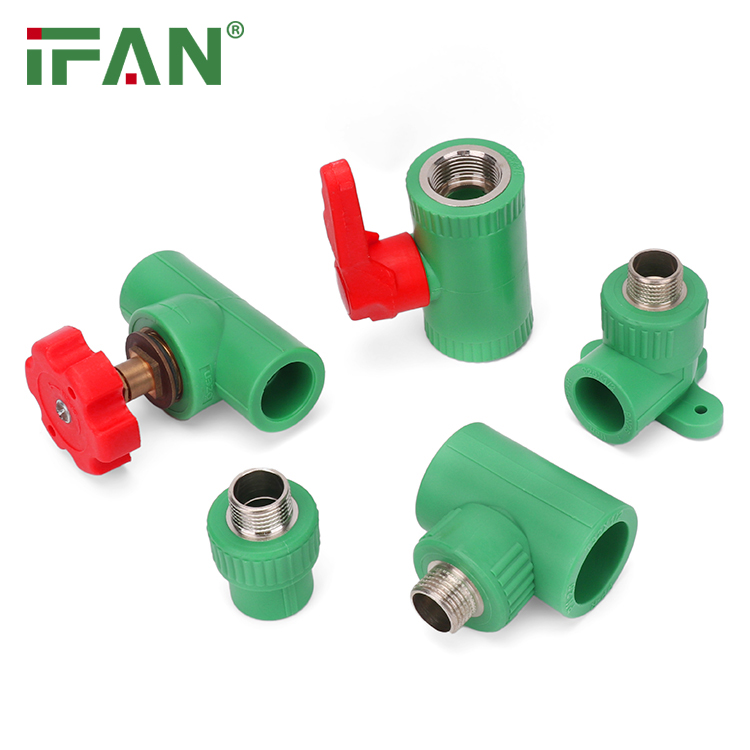
- Temperature Resistance: PPR pipe fittings can withstand high temperatures, making them ideal for hot water distribution systems. They can withstand temperatures up to 200 degrees Fahrenheit.
- Chemical Resistance: PPR pipe fittings are highly resistant to chemicals, making them ideal for use in chemical plants and similar environments.
- Durability: PPR pipe fittings are durable and can last for decades without showing signs of wear and tear.
- Corrosion Resistance: PPR pipe fittings are highly resistant to corrosion, which ensures that they do not rust over time.
- Easy to Install: PPR pipe fittings are easy to install and require no special tools or equipment.
Benefits of Using PPR Pipe Fittings
Now that we know the features of PPR pipe fittings, let’s explore the benefits of using these fittings in plumbing and piping systems.
- Cost-Effective
PPR pipe fittings are cost-effective compared to other types of pipe fittings. They are cheaper to manufacture, transport, and install. This means that the overall cost of a plumbing or piping system that uses PPR pipe fittings is lower than that of a system that uses other types of fittings.
- Energy-Efficient
PPR pipe fittings are highly energy-efficient because they have low thermal conductivity. This means that they do not transfer heat as quickly as other types of fittings, which reduces heat loss in hot water distribution systems. As a result, the energy required to heat water is reduced, resulting in lower energy bills.
- Maintenance-Free
PPR pipe fittings are maintenance-free because they do not require regular maintenance. They are made from a durable material that can withstand extreme temperatures and harsh chemicals. As a result, they do not corrode or rust over time, and they do not require painting or coatings.
- Environmentally-Friendly
PPR pipe fittings are environmentally friendly because they are made from a non-toxic material that does not release harmful chemicals into the environment. They are also recyclable, which means that they can be melted down and re-used to create new fittings.
- Easy to Install and Repair
PPR pipe fittings are easy to install and repair because they require no special tools or equipment. They can be installed using a simple heat welding process, which bonds the fittings to the PPR pipes. This process is easy to learn and can be completed quickly by a trained professional.
Conclusion
In conclusion, PPR pipe fittings are an ideal choice for plumbing and piping systems because of their many features and benefits. They are cost-effective, energy-efficient, maintenance-free, environmentally friendly, and easy to install and repair. If you are planning to install a new plumbing or piping system, or if you need to upgrade an existing system, consider using PPR pipe fittings for optimum performance and longevity.