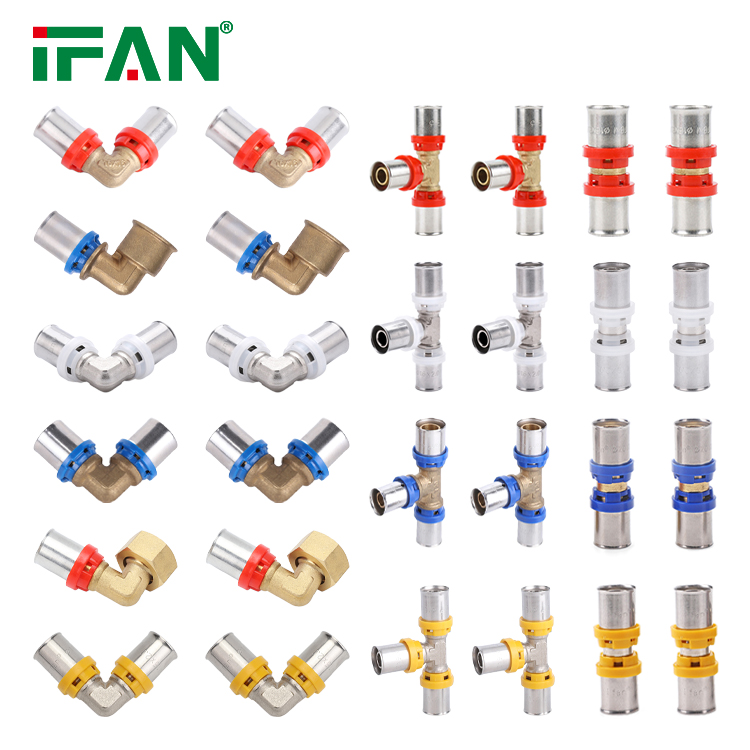
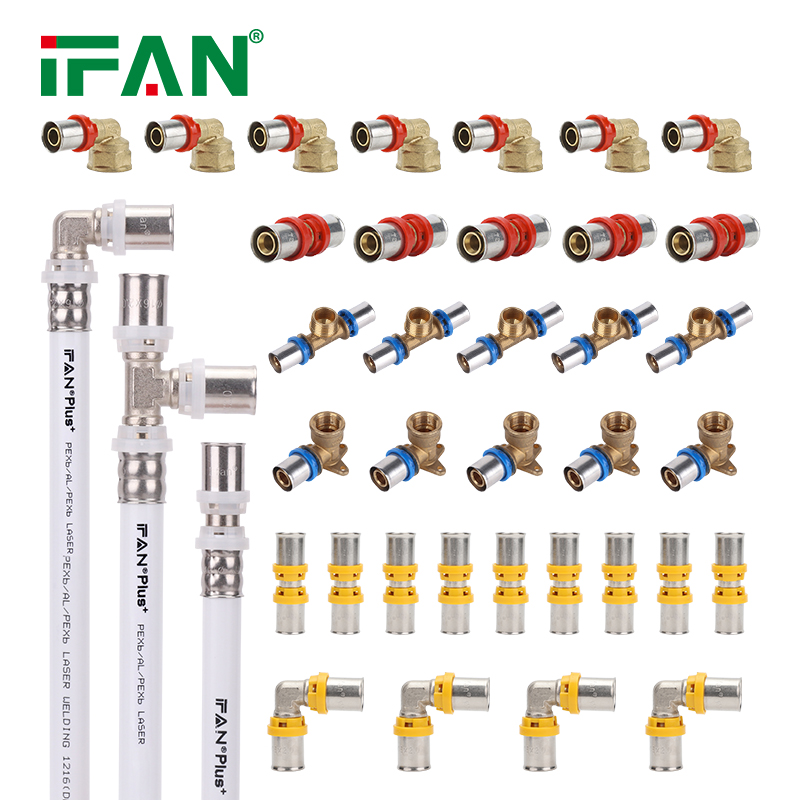
The Environmental Benefits of HDPE Fittings
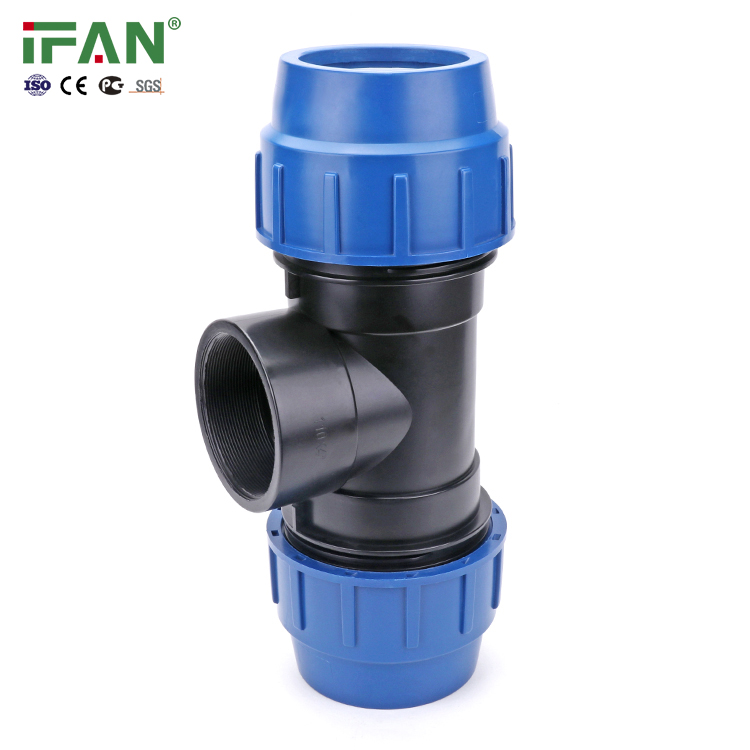
In the world of plumbing and pipeline systems, High-density polyethylene (HDPE) is one of the most commonly used materials for fittings due to its durability, strength and flexibility. However, beyond its practical application, there are also considerable environmental benefits to consider.
Firstly, HDPE fittings are recyclable. Unlike other materials such as PVC, HDPE can be melted down and reused multiple times while maintaining its strength and durability. This means that the carbon footprint for the production of new fittings is significantly reduced, making it a more sustainable option.
Secondly, HDPE fittings have a longer lifespan than other materials. PVC and copper pipes often have to be replaced due to age or damage, which means more waste being sent to landfills. HDPE fittings, however, can last for decades without losing their effectiveness. This reduces waste and also reduces the need for constant replacement, which is a cost-saving measure for businesses and homeowners alike.
Lastly, HDPE fittings are resistant to corrosion and chemicals. This means that there is less risk of leaks or spills which can lead to environmental contamination. Additionally, HDPE fittings are designed to meet stringent environmental regulations, making them a safe and responsible choice.
In conclusion, HDPE fittings are not only practical and effective, but they also offer significant environmental benefits. Their recyclability, longevity, and safety make them a more sustainable option for plumbing and pipeline systems. As consumers, we have a responsibility to opt for products that are kinder to the environment, and HDPE fittings offer a perfect solution for businesses and homeowners alike.
Take the next step towards a more sustainable future and choose HDPE fittings for your next pipeline project or plumbing renovation.
IFAN factory started in 1993. And IFAN has workshop 120000 square meter with 610 staff. IFAN can design and produce all plumbing pipe and fitting include PPR,PVC,CPVC PPSU HDPE PEXA PEXB PERT pipe and fitting ,brass fitting, brass ball valve ,heating system , gas system , sanitary faucets and hose, In the past 30 Years, IFAN has never forgotten his mission-To protect health and safety. And IFAN factory use best materials to produce high quality pipe and fittings with automatic production line and high tech quality control machines. The most important,IFAN can guarantee that all pipes and fittings manufactured by IFAN are qualified.
Free Sample(Click Here to Get Free Sample)