Introduction
In the evolution of plumbing materials, few innovations have made as significant an impact as the PPR fitting. Moving away from traditional metal and PVC pipes, PPR fittings represent a leap forward in reliability, safety, and efficiency. But what exactly are they, and why have they become the gold standard for water supply systems in many parts of the world? This comprehensive guide delves into everything you need to know about PPR fittings—from their chemical composition and key advantages to their installation process and widespread applications. Whether you’re a homeowner planning a renovation or a professional in the construction industry, understanding PPR fittings is essential for designing durable and trouble-free plumbing networks.
What Are PPR Fittings? Understanding the Material
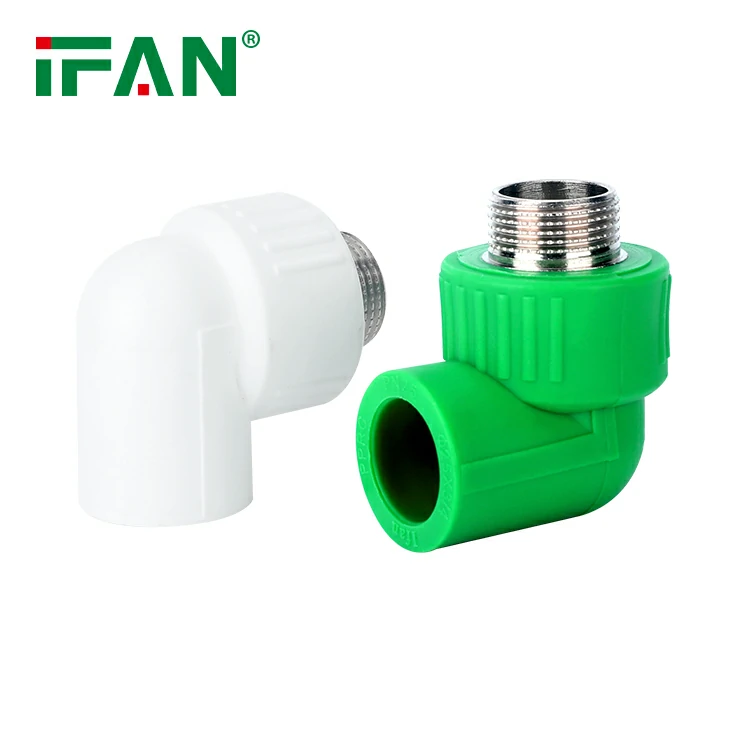
PPR stands for Polypropylene Random Copolymer. It’s a type of plastic known for its high strength, excellent thermal resistance, and remarkable durability. PPR fittings are the connectors—elbows, tees, couplings, valves, and unions—manufactured from this material, designed to join sections of PPR pipe into a complete system.
The “Random Copolymer” aspect is key to its performance. This specific molecular structure enhances the material’s ability to withstand pressure and high temperatures, making it far superior to standard polypropylene for hot and cold-water applications. PPR fittings and pipes are typically green or white for cold water and gray for hot water, though color coding can vary by region.
Key Advantages of Using PPR Fittings in Plumbing Systems
The popularity of PPR fittings is driven by a host of compelling benefits that address the shortcomings of older piping technologies.
1. Exceptional Durability and Longevity
PPR is highly resistant to chemical corrosion and scale build-up, which are common causes of failure in metal pipes. It does not rust or corrode, ensuring that water quality remains high and the system’s integrity lasts for decades. A properly installed PPR system can have a service life of over 50 years.
2. Leak-Proof Joints
Unlike threaded or glued connections, PPR fittings are joined to pipes using a heat fusion process. This technique melts the interface of the pipe and fitting, fusing them together as they cool. The result is a seamless, monolithic joint that is as strong as the pipe itself, virtually eliminating the risk of leaks at the connections.
3. High-Temperature and Pressure Resistance
PPR fittings are ideal for both hot and cold-water systems. They can continuously handle hot water at temperatures up to 70°C (158°F) and withstand short-term peaks up to 95°C (203°F). They also maintain their strength under high pressure, making them suitable for multi-story buildings.
4. Hygienic and Safe
The material is non-toxic and inert, ensuring it does not leach harmful chemicals into the water supply. This makes it perfectly safe for potable water. Its smooth inner surface also inhibits bacterial growth and prevents mineral deposits.
5. Cost-Effective and Easy Installation
While the initial material cost might be comparable to other options, PPR fittings offer significant long-term savings through minimal maintenance and repair. Installation is quick and requires no specialized tools beyond a PPR fusion welder, reducing labor time and costs.
The Installation Process: How PPR Fittings Are Joined
The installation of PPR fittings is a straightforward but precise process:
- Cutting: The PPR pipe is cut square using a dedicated pipe cutter.
- Preparing: The end of the pipe and the socket of the fitting are cleaned and marked for depth.
- Heating: A thermostatically controlled welding machine with the appropriate-sized heating dies is used to simultaneously heat the pipe end and the fitting socket.
- Connecting: Once the material becomes soft, the pipe is inserted straight into the fitting up to the depth mark and held firmly in place without twisting.
- Cooling: The joint is left to cool naturally, creating a permanent, homogeneous bond.
Common Applications of PPR Fittings
The versatile properties of PPR fittings make them suitable for a wide range of applications:
- Potable Cold and Hot Water Systems: In apartments, villas, and commercial buildings.
- Industrial Piping: For transporting certain chemicals and compressed air.
- HVAC Systems: As part of chilled water networks.
- Radiant Floor Heating Systems: Where corrosion resistance is crucial.
Conclusion
The PPR fitting is more than just a plumbing component; it is the foundation of a modern, efficient, and reliable piping system. Its combination of durability, safety, and ease of installation has rightfully earned it a dominant place in both new construction and renovation projects. By choosing a system built with PPR fittings, you are investing in a long-term solution that guarantees water quality and system integrity for generations to come, effectively making it the intelligent choice for the future of plumbing.
Frequently Asked Questions (FAQ)
1. Are PPR fittings more expensive than PVC or copper fittings?
The initial material cost for PPR is generally lower than copper but may be slightly higher than standard PVC. However, when factoring in the longevity, minimal maintenance, and reduced labor due to faster installation, PPR systems are often more cost-effective over their entire lifespan.
2. Can I use PPR pipes for hot water?
Yes, this is one of the primary advantages of PPR. It is specifically designed to withstand high temperatures, making it an excellent choice for both hot and cold-water distribution systems.
3. How do I repair a PPR pipe if it gets damaged?
Repairs are typically made by cutting out the damaged section and using a new PPR fitting (like a coupling) to fuse new pipe segments in place. This requires a fusion welder, so it’s often a job for a trained professional.
4. What is the main difference between PPR and PEX piping?
While both are popular plastic materials, the key difference is the joining method. PPR uses heat-fused joints that are permanent and monolithic. PEX uses mechanical fittings (crimp or clamp rings) which introduce potential leak points. PPR is also generally more rigid than flexible PEX.
5. Is PPR environmentally friendly?
PPR is considered a green building material. It is recyclable, and its long service life reduces the need for replacements and the associated resource consumption. The production process also has a lower environmental impact compared to metal piping.