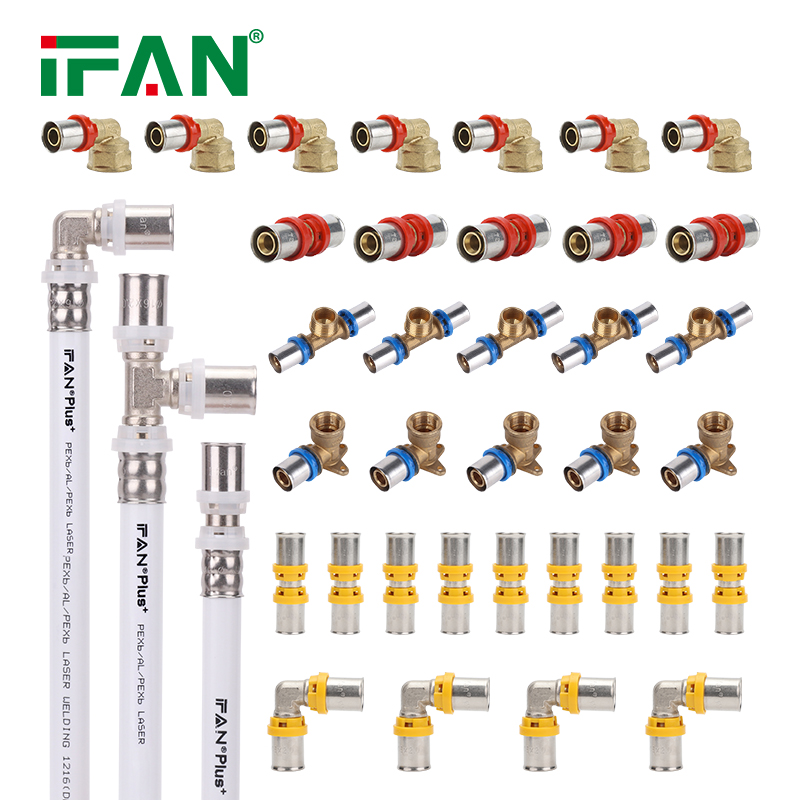
Introduction
As the demand for advanced plumbing solutions continues to grow, PPR fittings have become a leading choice for professionals across the globe. The unique advantages of PPR fittings—such as their durability, corrosion resistance, and ability to withstand extreme temperatures—have made them an essential component in both residential and industrial piping systems. In recent years, manufacturers have pushed the boundaries of innovation to set new standards in PPR pipes and fittings manufacturing. This article will explore how the latest advancements in PPR fittings are revolutionizing the industry and setting new benchmarks for quality, performance, and sustainability.
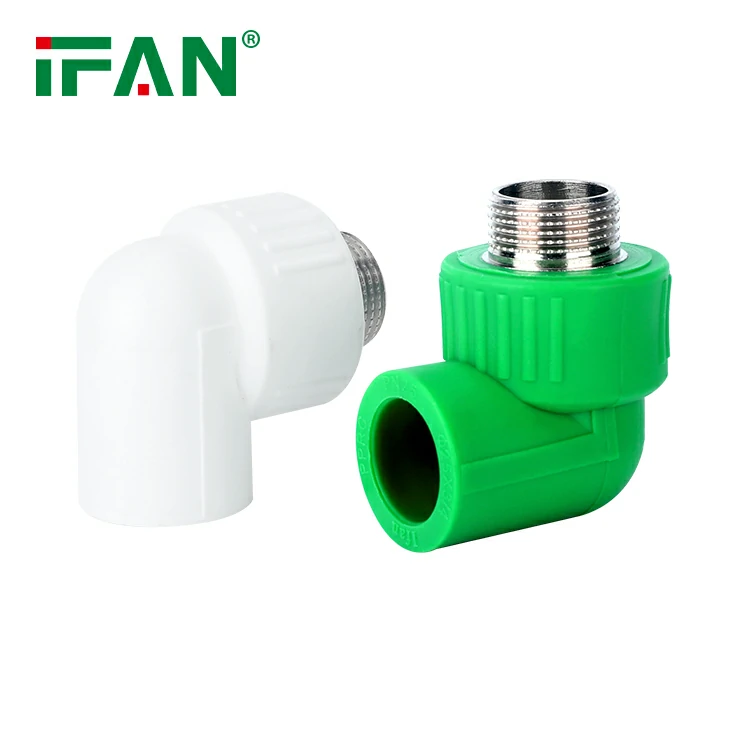
What Are PPR Fittings?
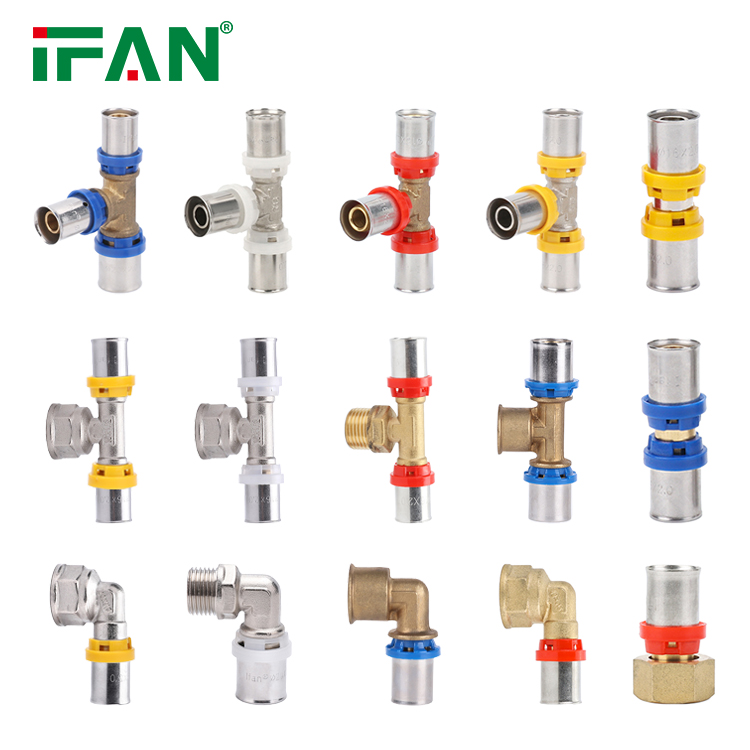
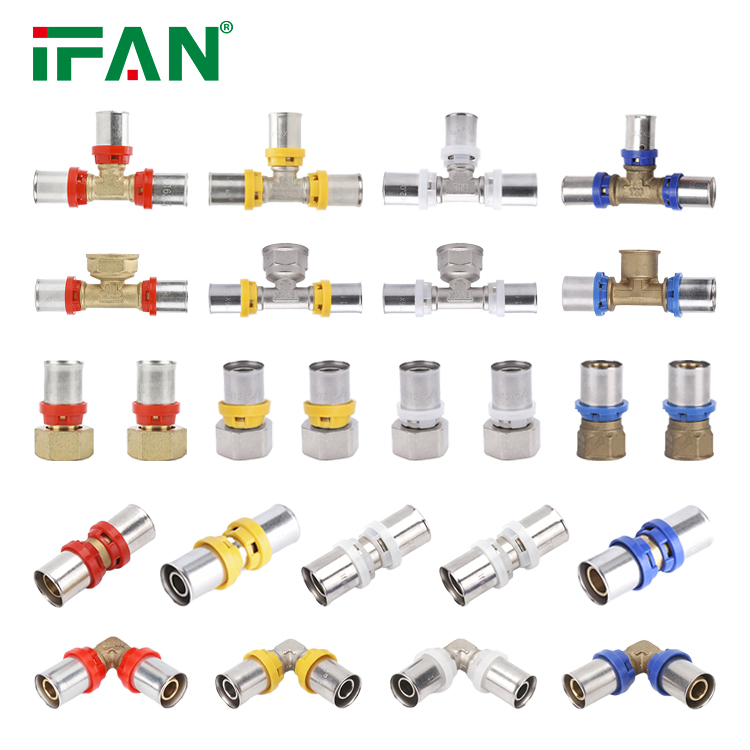
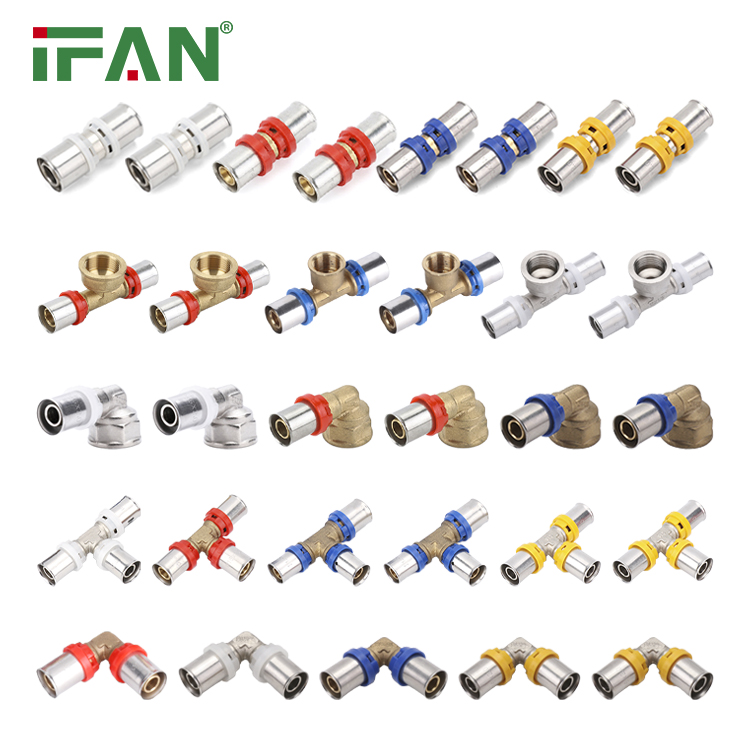
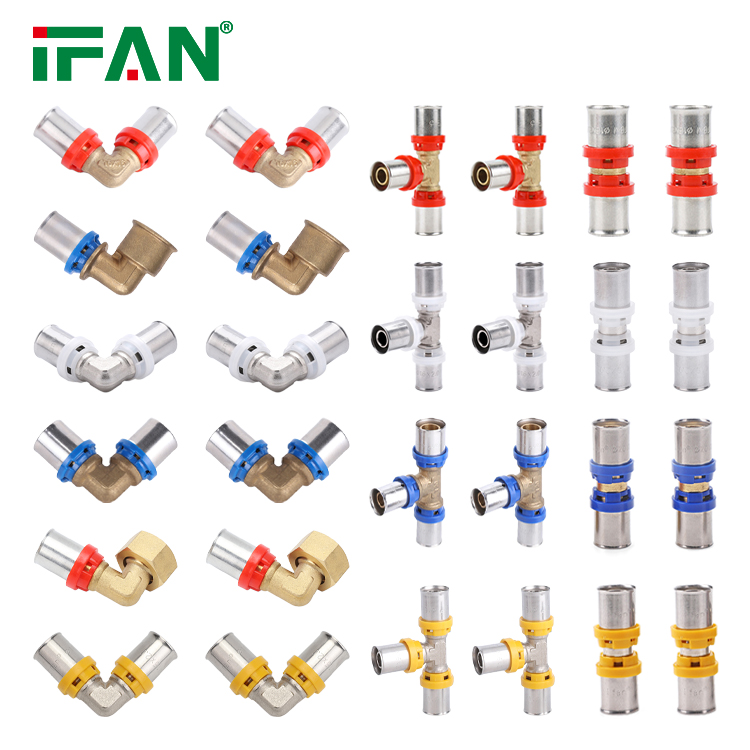
PPR (Polypropylene Random Copolymer) fittings are essential parts of modern piping systems used to connect PPR pipes and regulate the flow of liquids or gases. These fittings come in various forms, such as elbows, tees, couplings, reducers, and adapters, allowing for a flexible and secure connection between pipes. PPR fittings are made from a highly durable material known for its resistance to chemicals, corrosion, and high temperatures.
These fittings are widely used in plumbing systems for both residential and commercial buildings, as well as industrial applications. Due to their robust properties, PPR fittings are perfect for use in hot and cold water systems, heating installations, and even for transporting liquids in industrial settings.
Setting New Standards in PPR Fittings Manufacturing
The continuous innovation in the production of PPR pipes and fittings has resulted in the setting of new industry standards that not only enhance product performance but also increase environmental sustainability and manufacturing efficiency. Here are the major ways in which PPR fittings manufacturing is evolving:
Advanced Materials for Enhanced Performance
The foundation of high-quality PPR fittings lies in the materials used. Manufacturers have started using improved PPR compounds that offer enhanced mechanical properties, better heat resistance, and greater chemical stability. These advanced materials make the PPR fittings more robust, ensuring they can withstand higher pressures and extreme temperatures for longer periods, making them more reliable for both domestic and industrial systems.
Precision Manufacturing Techniques
Modern PPR fittings manufacturing relies heavily on cutting-edge production technologies, such as computer-controlled machines and automated systems, to create components with exact specifications. These precision manufacturing methods help eliminate human error, ensuring that each PPR fitting meets the highest quality standards. The ability to produce fittings with perfect tolerances enhances the overall reliability of the piping systems in which they are used.
Improved Jointing Technology
One of the most notable innovations in PPR fittings manufacturing is the development of advanced jointing techniques. Traditional methods, such as solvent welding or mechanical fittings, are now being replaced by more reliable and efficient fusion welding processes. Fusion welding creates a seamless, leak-proof joint by heating the pipe and fitting ends and then fusing them together. This ensures a stronger bond and eliminates the risks associated with traditional joining methods, such as leakage or weak connections.
Focus on Sustainability
As the world becomes more eco-conscious, manufacturers of PPR fittings are increasingly focusing on sustainability. Leading manufacturers are now using eco-friendly materials that are recyclable and free from harmful chemicals. Additionally, the extended lifespan of PPR fittings reduces the need for frequent replacements, contributing to less waste and more sustainable construction practices. The energy-efficient production methods used by some manufacturers also help reduce carbon footprints and support environmentally friendly initiatives.
Why PPR Fittings Are the Preferred Choice
PPR fittings have grown in popularity due to their remarkable advantages over traditional piping systems. Here are the reasons why PPR fittings are widely preferred by both consumers and professionals:
- Durability and Longevity: PPR fittings have an impressive lifespan, lasting over 50 years in some cases. Their resistance to corrosion and wear means they will not deteriorate over time, even under extreme conditions.
- High-Temperature Resistance: Unlike many traditional piping materials, PPR fittings can withstand high temperatures (up to 95°C or 203°F), making them suitable for both hot and cold water systems, as well as heating systems.
- Corrosion Resistance: PPR fittings are highly resistant to chemical corrosion, making them ideal for applications involving aggressive substances. Their smooth interior surface also prevents the build-up of scale, reducing the likelihood of blockages.
- Ease of Installation: The simple installation process for PPR fittings—particularly when using fusion welding—ensures quick and secure connections. No additional sealing or adhesives are required, reducing labor and material costs.
- Cost-Effectiveness: While the initial cost of PPR fittings may be higher compared to traditional materials, their durability and low maintenance requirements result in cost savings over time. The extended lifespan of PPR fittings reduces the need for frequent replacements.
Applications of PPR Fittings
PPR fittings are highly versatile and used in a wide range of applications across different industries. Here are some common uses:
- Residential Plumbing: PPR fittings are the go-to choice for plumbing systems in homes, providing reliable connections for both hot and cold water supply systems.
- Industrial Applications: In industries such as chemical processing, food and beverage, and pharmaceuticals, PPR fittings are used for transporting various fluids without the risk of corrosion, contamination, or degradation.
- Heating Systems: PPR fittings are widely used in radiant heating and underfloor heating systems due to their ability to handle high temperatures without losing integrity.
- Agricultural Systems: PPR fittings are also used in irrigation systems, providing a durable and reliable solution for water distribution in agricultural settings.
Conclusion
The PPR fittings industry is evolving rapidly, with manufacturers embracing innovation and new technologies to set higher standards for performance, sustainability, and efficiency. As the demand for reliable, durable, and eco-friendly piping systems continues to rise, the advancements in PPR fittings manufacturing are ensuring that these products remain the preferred choice for a wide range of applications. From improved materials and jointing technology to a focus on sustainability, the future of PPR fittings looks promising, and it is clear that the industry is on the path to even greater achievements.
FAQs
- What are the advantages of using PPR fittings over metal fittings?
PPR fittings are more resistant to corrosion, do not rust, and are lightweight, making them easier to handle and install compared to traditional metal fittings. - Are PPR fittings safe for drinking water systems?
Yes, PPR fittings are non-toxic and safe for use in drinking water systems, as they do not leach harmful substances into the water. - How long do PPR fittings last?
PPR fittings can last for over 50 years when properly maintained, making them a durable and long-lasting solution for piping systems. - Can PPR fittings be used for hot water systems?
Yes, PPR fittings are designed to handle hot water systems and can withstand temperatures up to 95°C (203°F). - How are PPR fittings installed?
PPR fittings are typically installed using fusion welding, where the pipe and fitting ends are heated and fused together, creating a strong, leak-proof joint.