nderstanding PEX Fittings Sizes and Dimensions
Introduction
PEX (cross-linked polyethylene) fittings are an essential component of PEX plumbing systems. Understanding the sizes and dimensions of PEX fittings is crucial when it comes to selecting the right fittings for your plumbing project. In this article, we will explore the various aspects of PEX fittings sizes and dimensions, including their classifications and compatibility. Let’s break down this topic into easy-to-understand sections.
1. PEX Tubing Size and Corresponding Fitting Size
PEX tubing comes in different sizes, including 3/8 inch, 1/2 inch, 5/8 inch, 3/4 inch, and 1 inch. Each PEX tubing size corresponds to a specific fitting size. For example, a 1/2-inch PEX tubing requires a 1/2-inch PEX fitting for a proper connection. It’s important to ensure that the fitting size matches the tubing size to ensure a secure and leak-free connection.
2. PEX Fitting Classification
PEX fittings are classified into two main types: Crimp fittings and Push fittings.
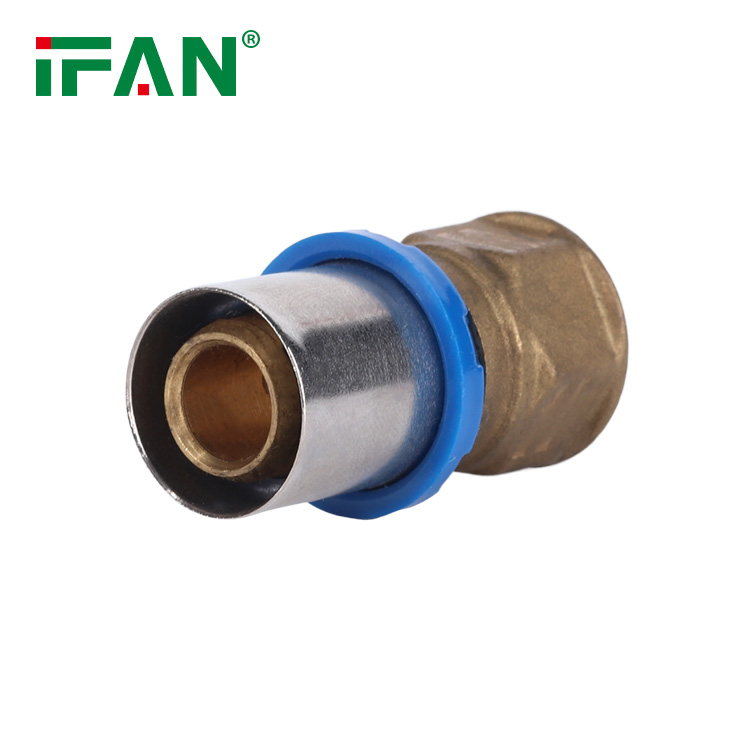
- Crimp Fittings: Crimp fittings are used with crimp rings to create a secure connection. These fittings come in various shapes, such as elbows, tees, couplings, and adapters. Crimp fittings are compatible with PEX-A, PEX-B, and PEX-C tubing.
- Push Fittings: Push fittings use a collet and an O-ring to create a tight connection without the need for additional tools. These fittings are popular for their ease of installation and are compatible with PEX-A and PEX-B tubing.
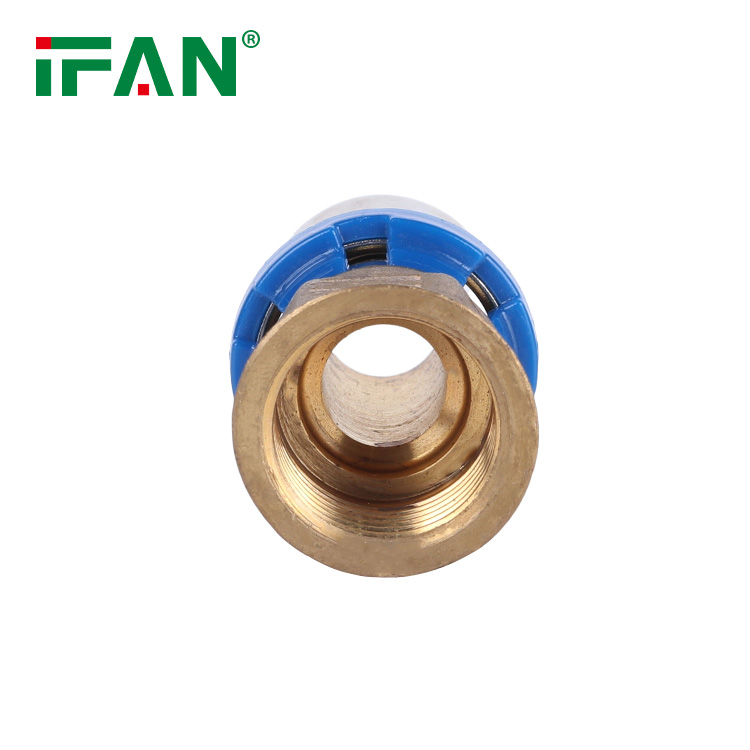
3. Fitting Material and Compatibility
PEX fittings are available in different materials, including brass, copper, and plastic. Each material has its own advantages and limitations. Brass fittings are known for their durability and resistance to corrosion. Copper fittings offer excellent heat resistance and are commonly used for radiant heating systems. Plastic fittings, often made of poly alloy or PPSU (polyphenylsulfone), are lightweight and cost-effective.
It’s important to consider the compatibility between the fitting material and the PEX tubing material. For example, brass and copper fittings are compatible with all types of PEX tubing, while plastic fittings are typically compatible with PEX-A and PEX-B tubing.
4. Adapters and Transition Fittings
In some cases, you may need to connect PEX fittings to existing plumbing systems or different types of pipes. Adapters and transition fittings play a crucial role in achieving these connections. Adapters allow you to connect PEX fittings to pipes of different materials, such as copper or PVC. Transition fittings provide a connection between PEX tubing and other types of tubing, such as CPVC (chlorinated polyvinyl chloride) or polybutylene.
It’s important to select the appropriate adapter or transition fitting that matches the PEX fitting size and the desired connection.
Conclusion
Understanding the sizes and dimensions of PEX fittings is essential for a successful plumbing project. By considering the PEX tubing size, fitting classification, material compatibility, and the need for adapters or transition fittings, you can select the right PEX fittings for your specific needs. Always refer to the manufacturer’s guidelines and local codes to ensure compliance and optimal performance. With the right knowledge and selection, you can confidently install PEX fittings and create a reliable and efficient plumbing system.