Understanding the Chemistry of Brass Fittings: What Makes Them So Unique
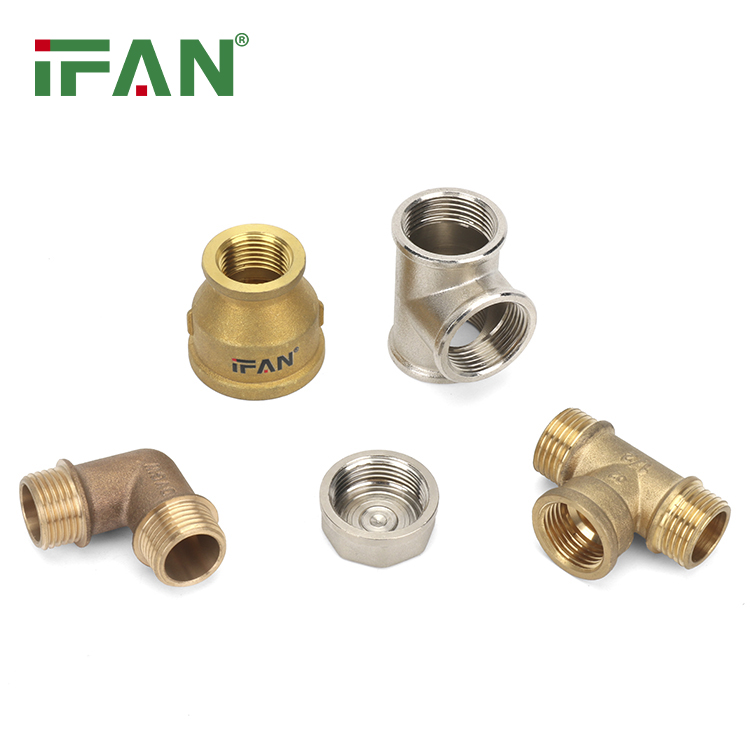
When it comes to plumbing and industrial applications, brass fittings are highly sought-after due to their durability, strength, and corrosion-resistant properties. But what makes brass fittings so unique? In this article, we’ll take a closer look at the chemistry of brass fittings and explore the advantages and benefits of using brass fittings in your projects.
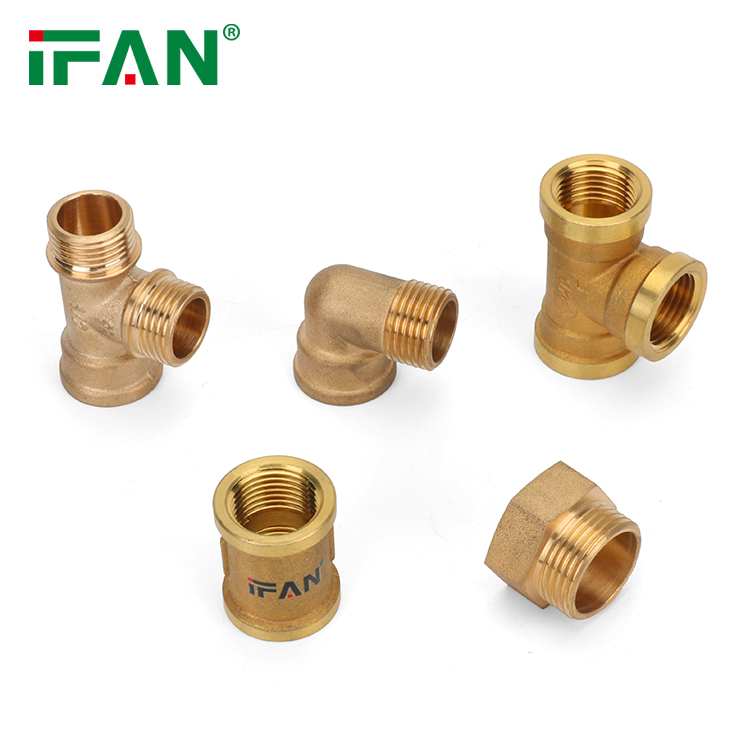
Brass fittings are made from a mixture of copper and zinc, with varying amounts of each metal depending on the specific application and requirements. The combination of copper and zinc creates a strong and durable material that can withstand high temperatures and pressures, making it ideal for use in plumbing systems, valves, and other industrial applications.
One of the key advantages of brass fittings is their resistance to corrosion. Unlike other metals, brass is highly resistant to rust and corrosion, making it an ideal choice for use in water and other corrosive environments. This means that brass fittings can last for years without the need for maintenance or replacement, saving you time and money.
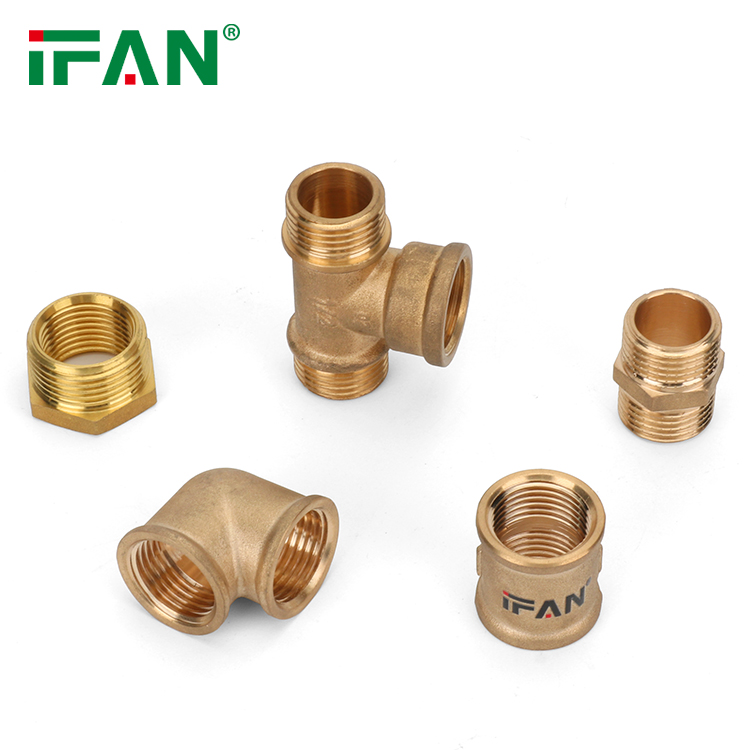
Brass fittings are also unique in their ability to be formed into complex shapes and designs. The malleability of brass allows manufacturers to create intricate fittings that can be customized to suit specific requirements. This means that brass fittings can be used for a wide range of applications, from simple water supply systems to complex industrial machines.
Another advantage of brass fittings is their versatility. Brass fittings are compatible with a wide range of materials, including PVC, copper, and stainless steel. This makes it easy to integrate brass fittings into existing plumbing systems or machinery without the need for extensive modifications or adaptations.
In conclusion, understanding the chemistry of brass fittings is essential for anyone working in the plumbing or industrial sectors. Brass fittings offer a unique combination of strength, durability, and corrosion resistance that make them an ideal choice for a wide range of applications. Whether you’re looking to install a new water supply system or upgrade an existing machine, brass fittings offer a cost-effective and reliable solution that will last for years to come. So why not consider using brass fittings in your next project and experience the benefits for yourself?
Remember, brass fittings are not just about their chemical properties but have practical values that make them unique.