In recent years, the plumbing industry has faced scrutiny over the safety and reliability of brass fittings, particularly those manufactured by Vanguard Piping and Viega. A class action lawsuit has highlighted concerns regarding the quality and performance of these fittings, leading to a settlement that could have significant implications for consumers and the industry as a whole. This article delves into the details of the class action settlement, the issues surrounding brass fittings, and what consumers need to know moving forward.
1. Understanding Brass Fittings
1.1. What Are Brass Fittings?
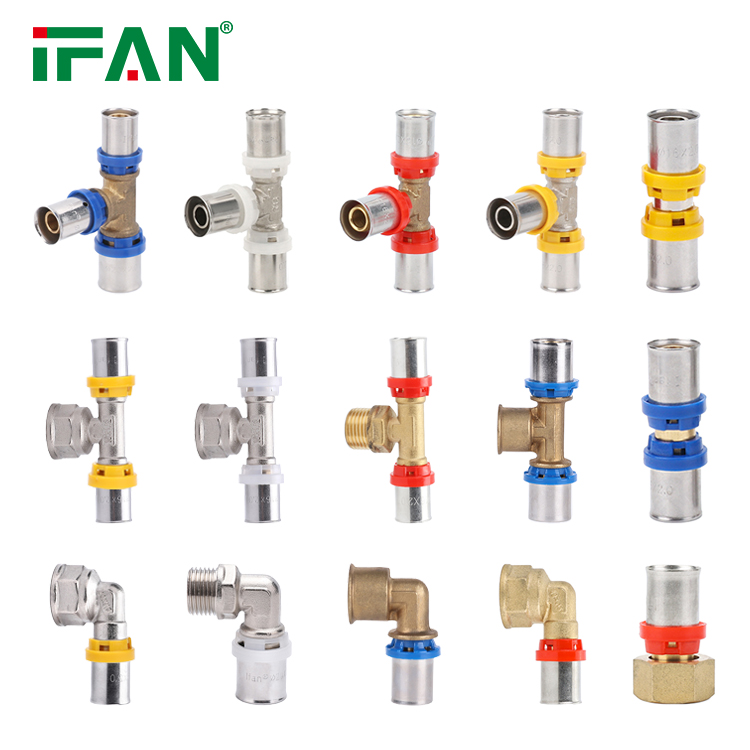
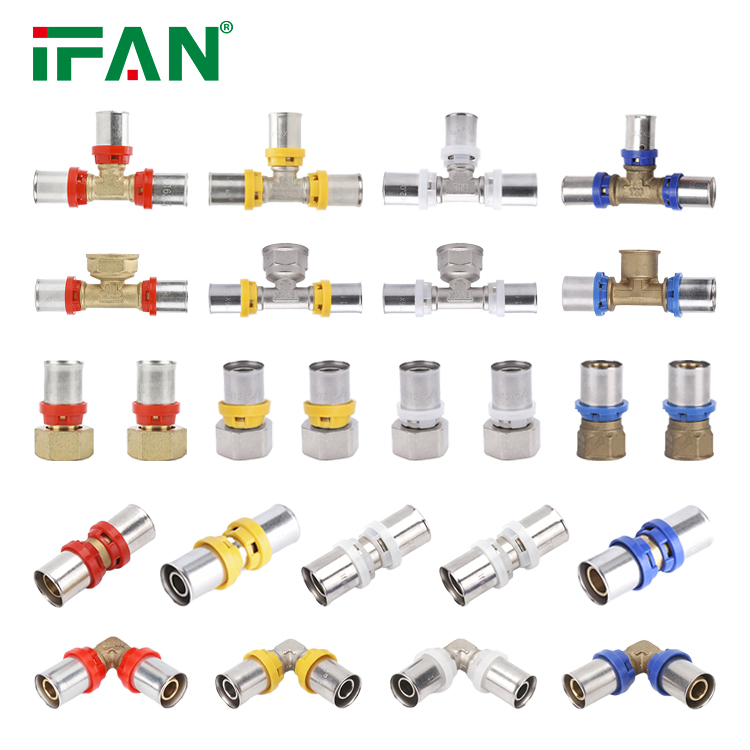
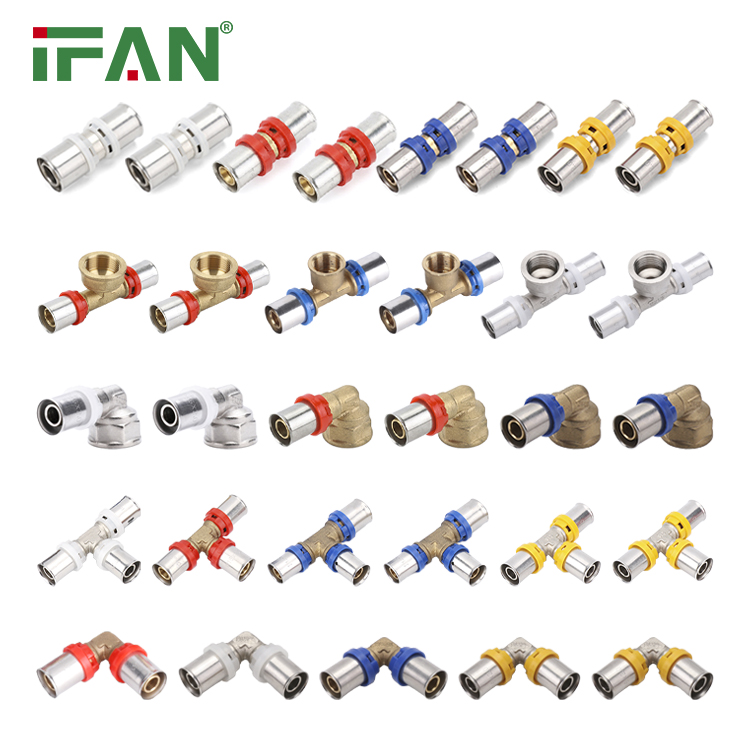
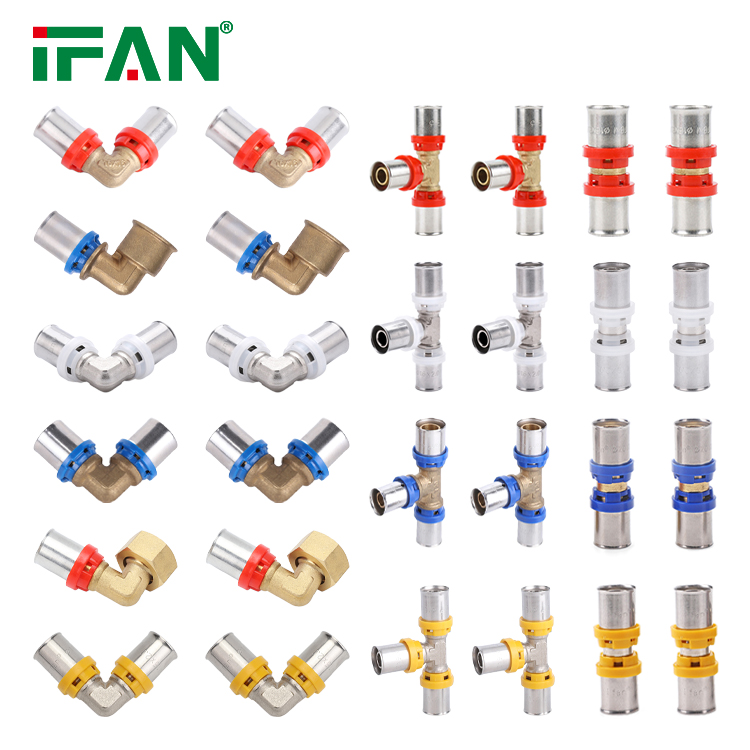
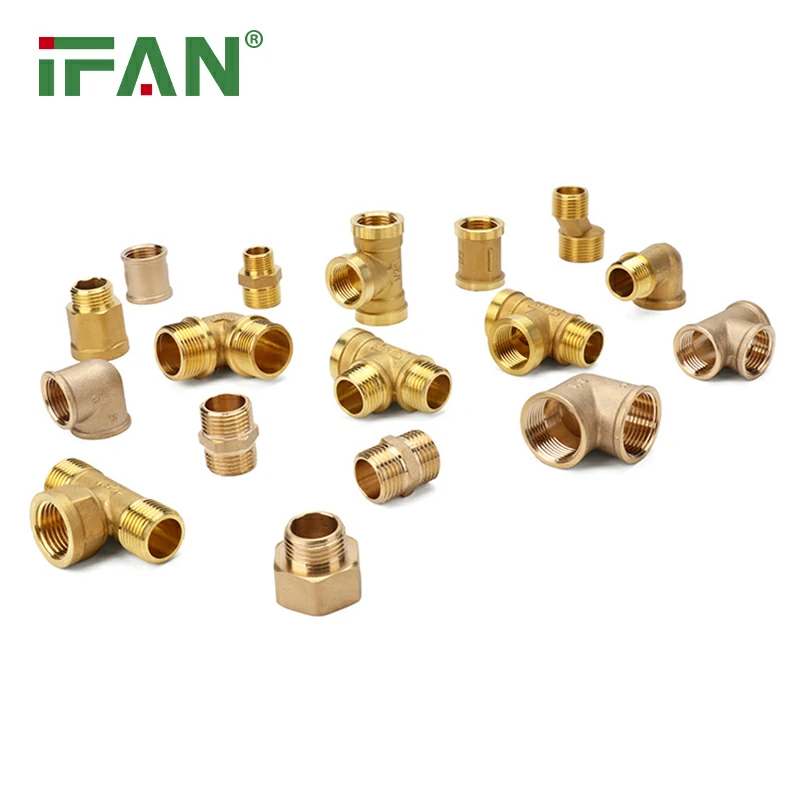
Brass fittings are essential components in plumbing systems, made from an alloy of copper and zinc. They are used to connect pipes, valves, and fixtures, providing strength, durability, and resistance to corrosion. Common types of brass fittings include elbows, tees, couplings, and adapters.
1.2. Importance of Quality Brass Fittings
The quality of brass fittings is critical to the overall performance and safety of plumbing systems. Poor-quality fittings can lead to leaks, reduced water flow, and potential contamination of drinking water. As a result, manufacturers must adhere to strict quality standards to ensure their products are safe and reliable.
2. Background of the Class Action Lawsuit
2.1. Overview of the Lawsuit
The class action lawsuit against Vanguard Piping and Viega was initiated by consumers who alleged that the brass fittings produced by these companies were defective and did not meet industry standards. The plaintiffs claimed that the fittings were prone to failure, leading to leaks and costly repairs.
2.2. Key Allegations
The key allegations in the lawsuit included:
- Defective Products: Consumers reported that the brass fittings exhibited signs of corrosion and failure within a short period of installation.
- Failure to Disclose: The plaintiffs argued that Vanguard Piping and Viega failed to adequately inform consumers about the potential risks associated with their products.
- Financial Losses: Consumers sought compensation for the costs incurred due to the replacement and repair of defective fittings.
3. The Settlement Agreement
3.1. Terms of the Settlement
In response to the lawsuit, Vanguard Piping and Viega reached a settlement agreement that includes several key components:
- Monetary Compensation: A fund has been established to compensate affected consumers for their losses related to the defective brass fittings.
- Product Replacement: Consumers who purchased the affected fittings may be eligible for replacements at no additional cost.
- Improved Quality Assurance: Vanguard Piping and Viega have committed to enhancing their quality control processes to prevent future defects in their brass fittings.
3.2. Implications for Consumers
The settlement provides a measure of relief for consumers who experienced issues with Vanguard and Viega brass fittings. It also serves as a reminder of the importance of purchasing high-quality plumbing products.
4. The Impact on the Plumbing Industry
4.1. Industry Response
The class action settlement has prompted a broader discussion within the plumbing industry about the importance of quality control and consumer safety. Manufacturers are now more aware of the potential consequences of producing defective products.
4.2. Changes in Manufacturing Practices
In light of the settlement, other manufacturers may reevaluate their production processes and quality assurance measures to avoid similar legal issues. This could lead to improvements in the overall quality of brass fittings available in the market.
5. Consumer Awareness and Education
5.1. Importance of Consumer Education
As consumers become more aware of the risks associated with defective brass fittings, it is essential for them to educate themselves about the products they purchase. Understanding the quality standards and certifications for brass fittings can help consumers make informed decisions.
5.2. Identifying Quality Brass Fittings
When selecting brass fittings, consumers should look for:
- Certifications: Ensure that the fittings have been tested and certified by reputable organizations, such as the American National Standards Institute (ANSI) and the International Association of Plumbing and Mechanical Officials (IAPMO).
- Manufacturer Reputation: Research the manufacturer’s history and reputation in the plumbing industry. Established brands with a track record of quality are generally more reliable.
- Warranty Information: Consider products that come with warranties, as this can provide additional protection against defects.
6. Future Outlook for Brass Fittings
6.1. Innovations in Brass Fittings
As the plumbing industry evolves, manufacturers are likely to invest in research and development to create more durable and reliable brass fittings. Innovations may include:
- Lead-Free Options: With increasing regulations on lead content, manufacturers are developing lead-free brass fittings that maintain the necessary performance characteristics without compromising safety.
- Advanced Coatings: New coatings and treatments can enhance the corrosion resistance of brass fittings, extending their lifespan and reliability.
6.2. Regulatory Developments
The class action settlement may prompt regulatory bodies to review and update standards for brass fittings.