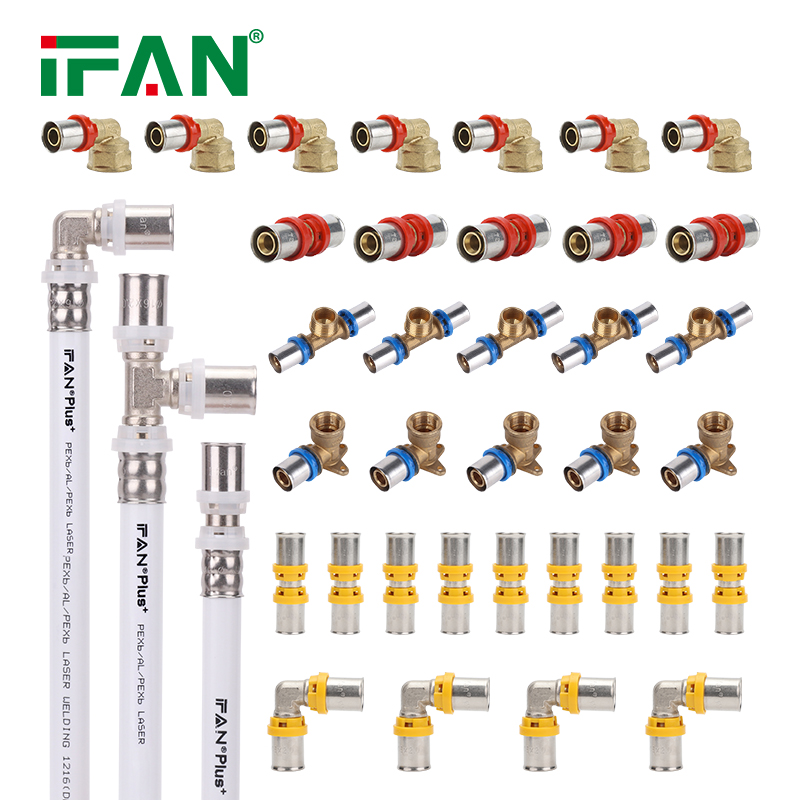
Stop and control valves are typically used in various industrial processes for controlling the flow rate and stopping the fluid. These types of valves are necessary in industries such as oil and gas, chemical, water, and many others where the flow rate of fluids needs to be regulated. Choosing the right type of stop and control valve for a particular application is important to ensure efficient and reliable operation.
Stop valves are known as on-off valves. They are designed to stop the flow of liquid or gas through a pipe or a valve. In contrast, control valves are designed to regulate the flow of fluids in a pipe or system. These valves are used to control flow rate, as well as to maintain a specific pressure or level within a system. The main difference between stop and control valves is the degree of control over flow rate.
Stop and control valves are typically classified based on their design and functionality. There are various types of stop and control valves available in the market, including globe valves, gate valves, ball valves, butterfly valves, and pinch valves.
Globe valves:
Globe valves are commonly used in applications where throttling control is needed. These valves consist of a globe-shaped body, which has an opening in the center. The opening of the globe valve is usually funnel-shaped, and a stem with a disc attached to the end moves up and down to control the flow of fluid.
Gate valves:
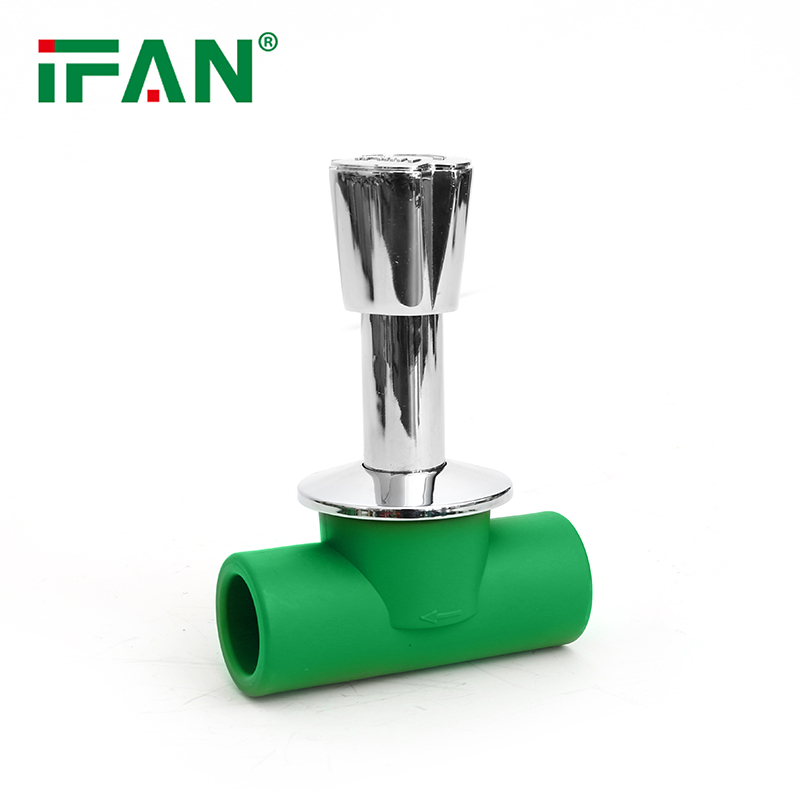
Gate valves are primarily used in applications where a full-open or full-close operation is required. These valves have a gate or a wedge-shaped disk that moves up and down to control the flow of fluid. When the gate is in the fully open position, a negligible pressure drop is incurred across the valve.
Ball valves:
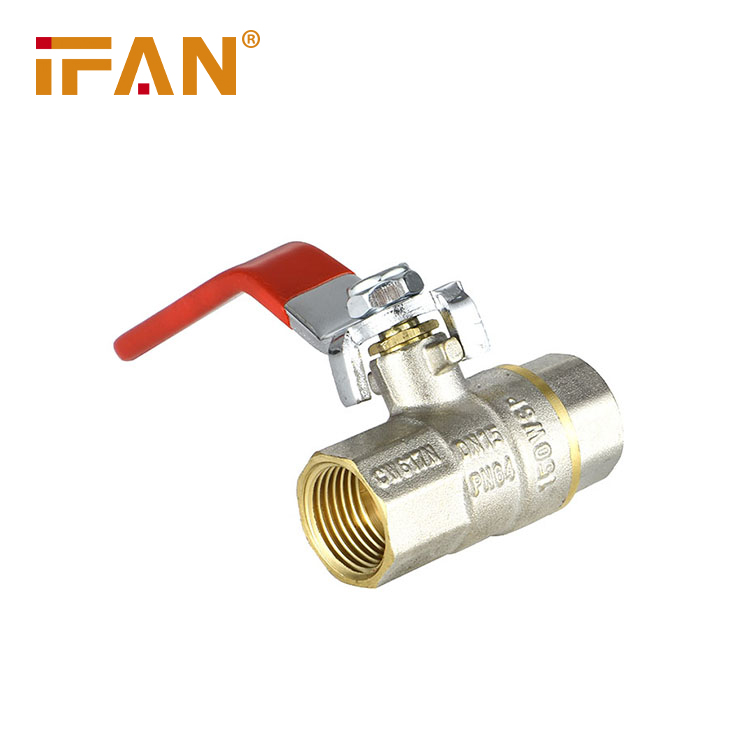
Ball valves are commonly used in applications where a quick and easy on-off operation is needed. These valves consist of a ball-shaped disk that rotates around a spherical seat, allowing control over the flow of fluid.
Butterfly valves:
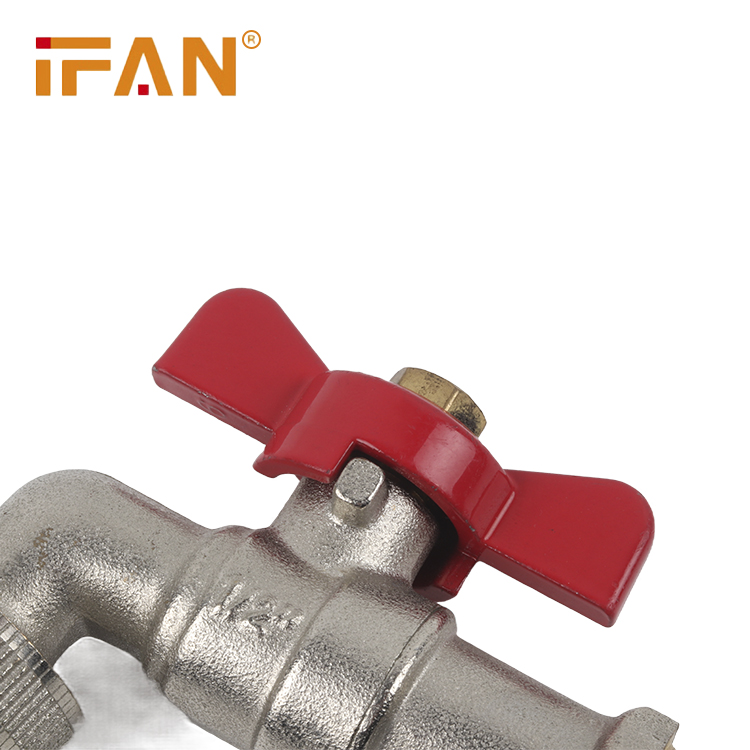
Butterfly valves are mostly used in applications where space is limited and a quick-acting valve is needed. They consist of a disk shaped like a butterfly that rotates around its axis to control the flow of fluid.
Pinch valves:
Pinch valves are used for applications where the fluid being transported has a high solid content. They consist of a sleeve that can be compressed around a moving stem to control the flow of fluid. This action dominates the flow of fluid, which controls the flow rate.
In conclusion, stop and control valves are essential components in a range of industrial processes. The specific type of valve to be utilized in a given application will depend on the operational requirements of the system. Adequate selection and sizing of the valve will ensure efficient performance, enhanced longevity, and minimal maintenance costs. Consultation with a professional engineer is recommended to ensure the success of the application.