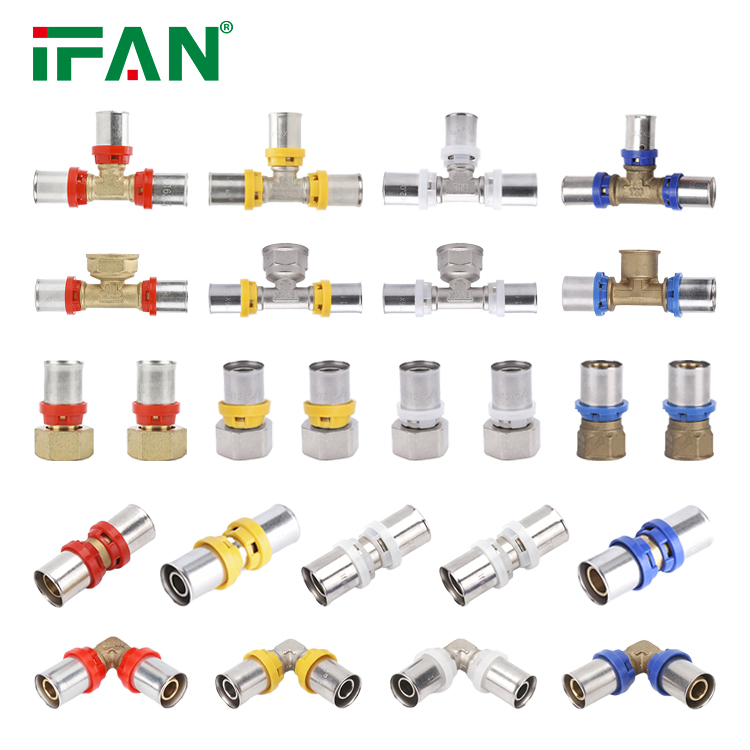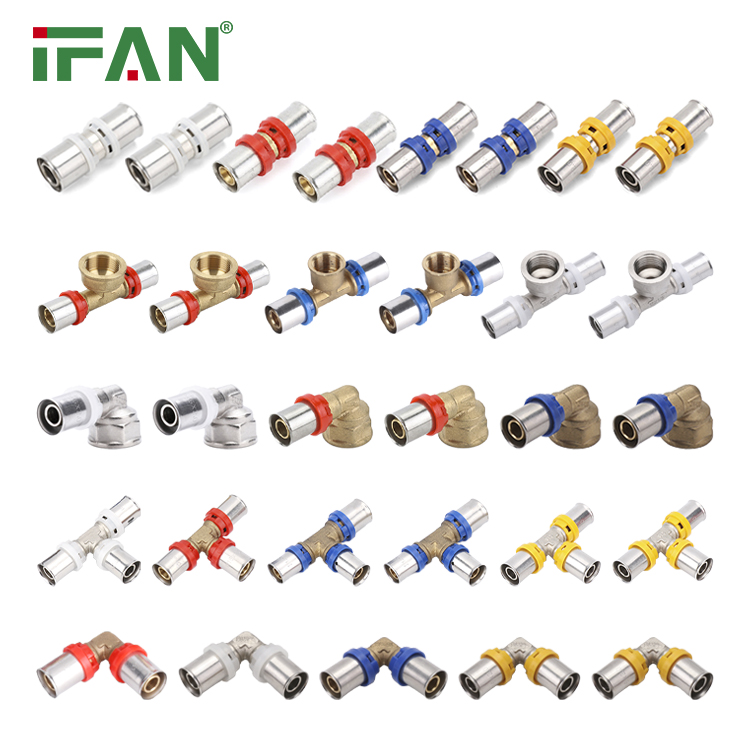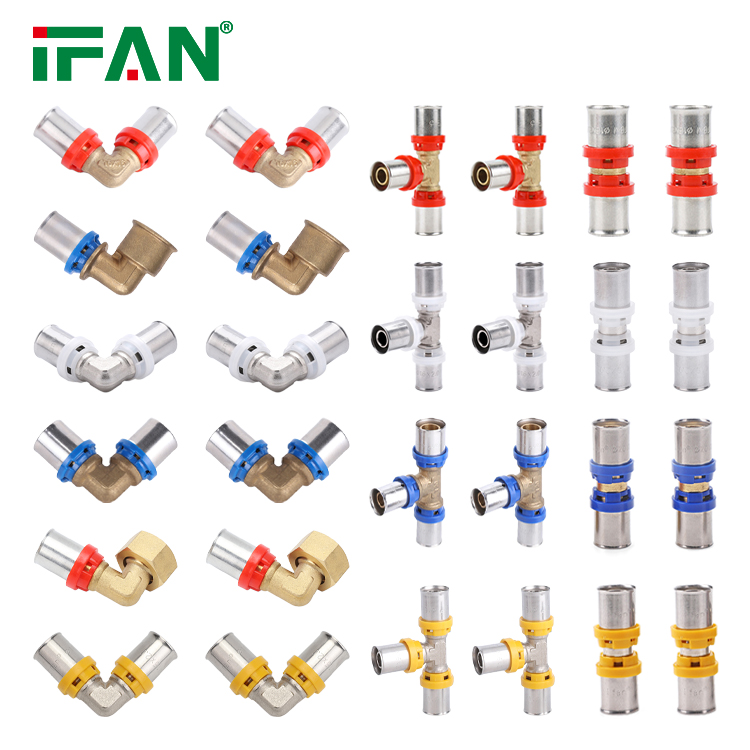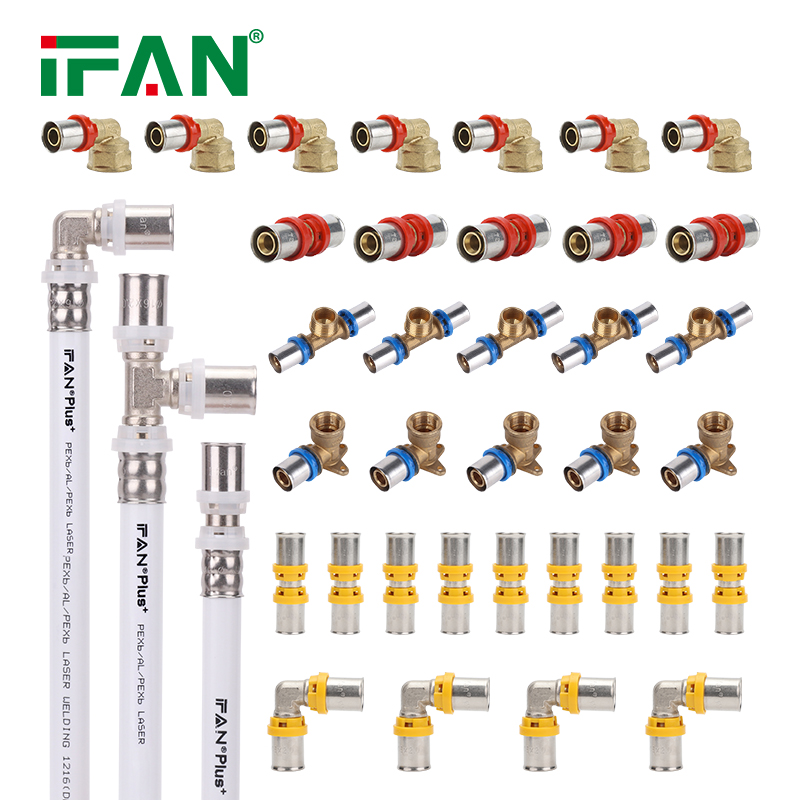
IFAN factory 30+ years manufacture experience support color /size customization support free sample.Welcome to consult for catalog and free samples.This is our Facebook Website:www.facebook.com,Click to watch IFAN’s product video.Compared with Tomex products, our IFAN products from quality to price are your best choice, welcome to buy!
The History and Development of Brass Bibcocks
Brass bibcocks are a staple in modern plumbing systems, but their evolution reflects broader changes in technology, materials, and design. From their early use in ancient civilizations to today’s advanced models, brass bibcocks have undergone significant development. This article traces the history and development of brass bibcocks, highlighting key advancements and shifts in design and technology.
Early Uses of Brass in Plumbing
The use of brass in plumbing can be traced back to ancient civilizations, where brass was valued for its corrosion resistance and durability. In ancient Rome, for example, plumbers used early versions of brass fixtures for aqueducts and water distribution systems. Brass, an alloy of copper and zinc, was favored for its strength and resistance to tarnishing compared to other metals of the time. This early use laid the foundation for the future development of plumbing components, including bibcocks.
The Industrial Revolution and Advances in Plumbing Technology
The Industrial Revolution marked a significant turning point in the development of plumbing technology, including brass bibcocks. The 18th and 19th centuries saw major advancements in manufacturing processes, which allowed for more precise and efficient production of plumbing fixtures. During this period, brass became a standard material for bibcocks due to its improved alloying techniques and enhanced durability. Innovations such as improved casting and machining technologies allowed for more reliable and consistent products, setting the stage for modern brass bibcocks.
20th Century Innovations and Design Improvements
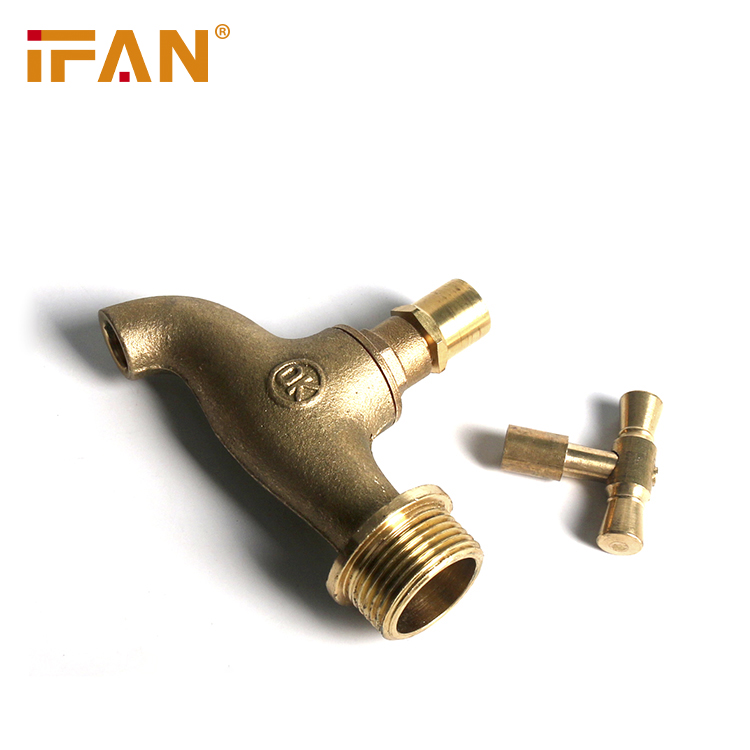
The 20th century brought further advancements in brass bibcock design and functionality. With the advent of modern materials and manufacturing techniques, brass bibcocks began to feature more sophisticated designs, including better sealing mechanisms and ergonomic handles. The introduction of various finishes, such as polished brass and chrome plating, offered both aesthetic and practical benefits. These innovations not only enhanced the durability and performance of brass bibcocks but also allowed for greater customization to match different architectural styles and user preferences.
The Role of Standards and Regulations
As plumbing systems became more complex and widespread, standards and regulations for brass bibcocks were established to ensure safety, quality, and reliability. Organizations such as the American Society of Mechanical Engineers (ASME) and the International Organization for Standardization (ISO) developed standards for brass fittings and fixtures, including bibcocks. These regulations cover aspects such as pressure ratings, material composition, and manufacturing processes. Compliance with these standards helps ensure that brass bibcocks perform reliably and meet the necessary safety requirements for various applications.
Contemporary Developments and Future Trends
In recent years, the development of brass bibcocks has continued to evolve with advancements in technology and materials. Modern brass bibcocks often feature improved ergonomic designs, enhanced corrosion resistance, and environmentally friendly materials. Innovations such as lead-free brass and integrated smart technologies are becoming more common, reflecting a growing focus on sustainability and functionality. Looking ahead, the integration of digital controls and automated systems may further transform the design and use of brass bibcocks, making them even more versatile and efficient for future plumbing applications.
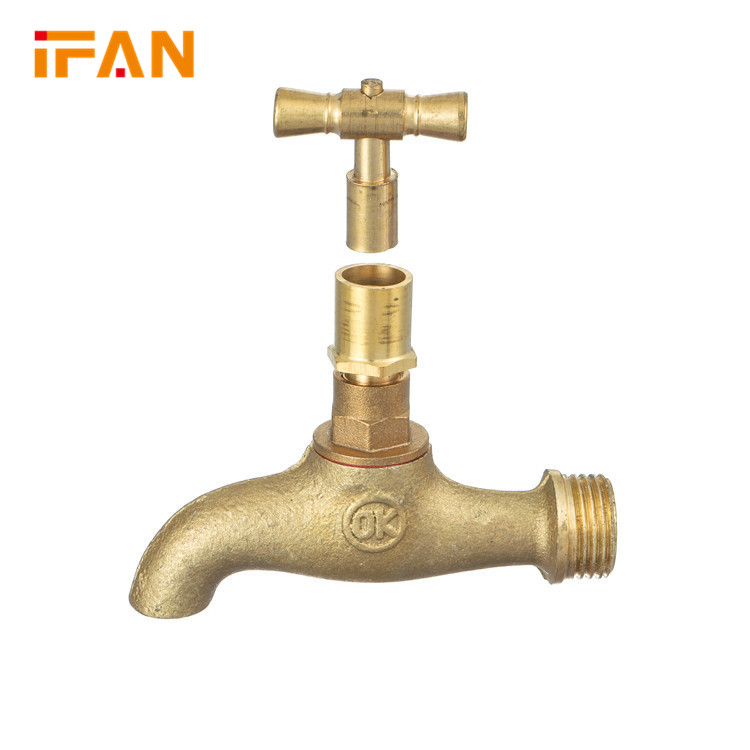
In summary, the history and development of brass bibcocks illustrate a progression from ancient utilitarian uses to sophisticated modern fixtures. Advancements in manufacturing, design, and regulations have significantly improved the functionality, durability, and aesthetics of brass bibcocks. As technology continues to advance, the future promises even more innovations, ensuring that brass bibcocks remain a vital component in modern plumbing systems.