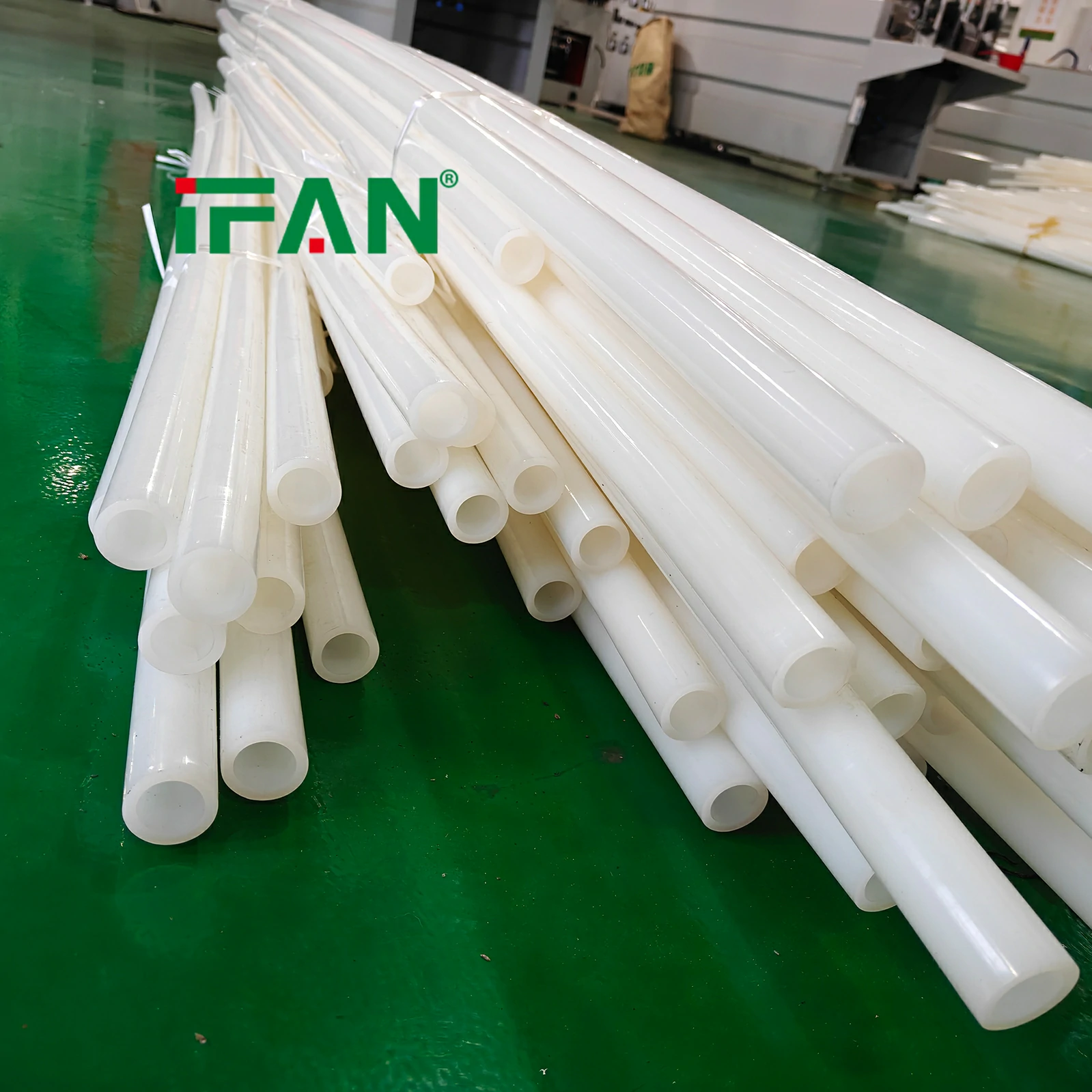
Modular building construction relies on efficient installation methods, standardized components, and reliable building systems. Plumbing is an important part of this process. Water supply pipes must fit within prefabricated wall panels, floor sections, and service modules. They must also withstand transportation, installation, and long-term operation.
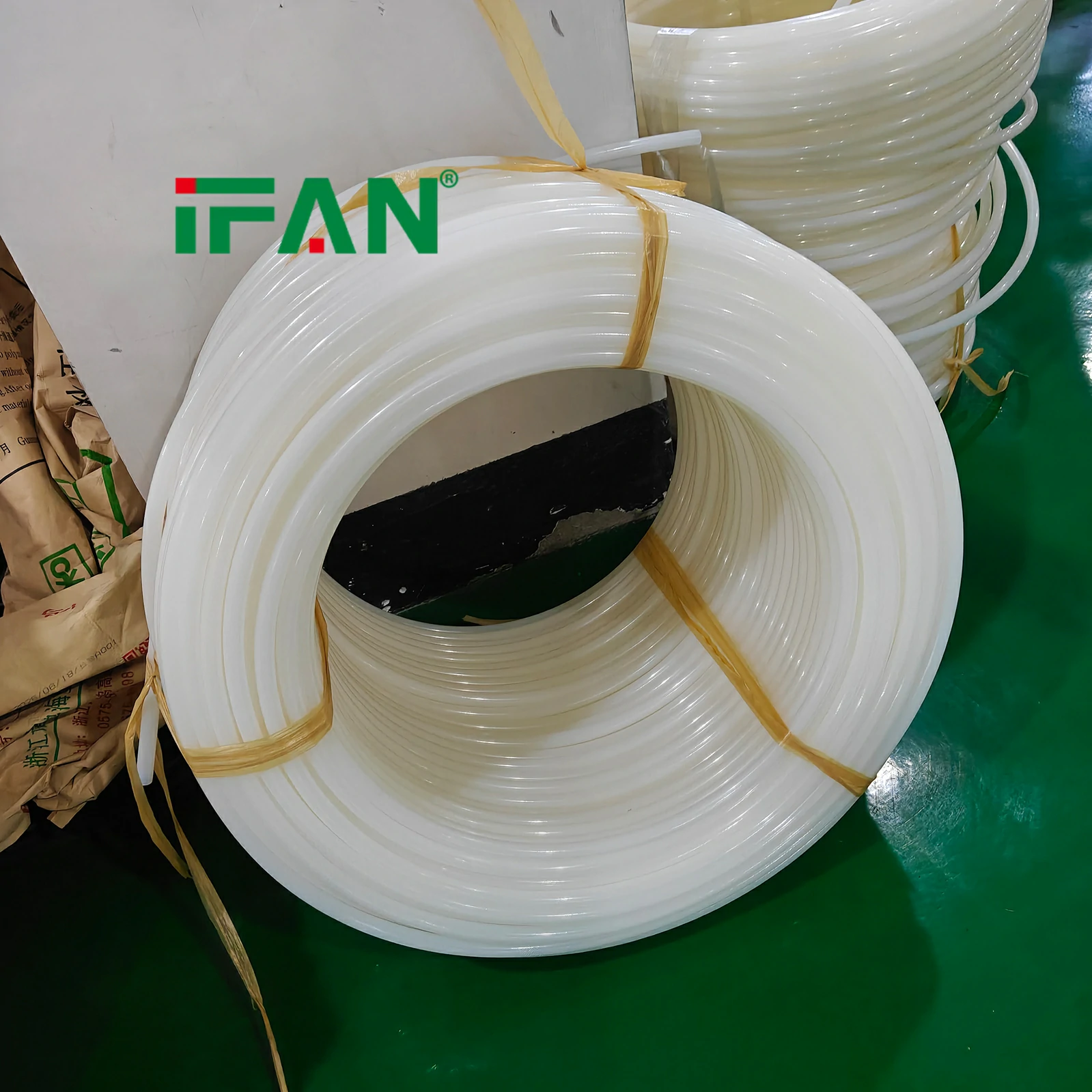
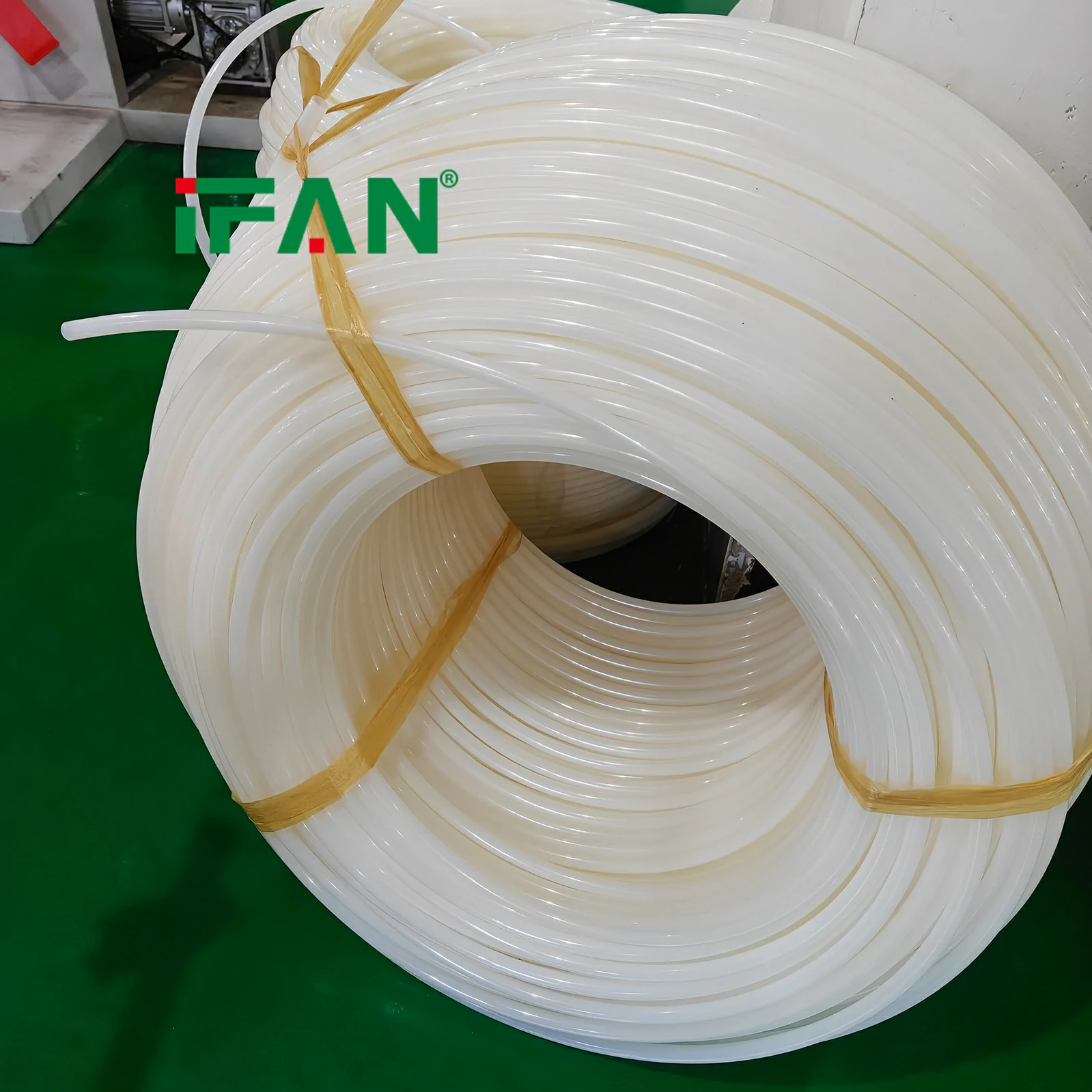
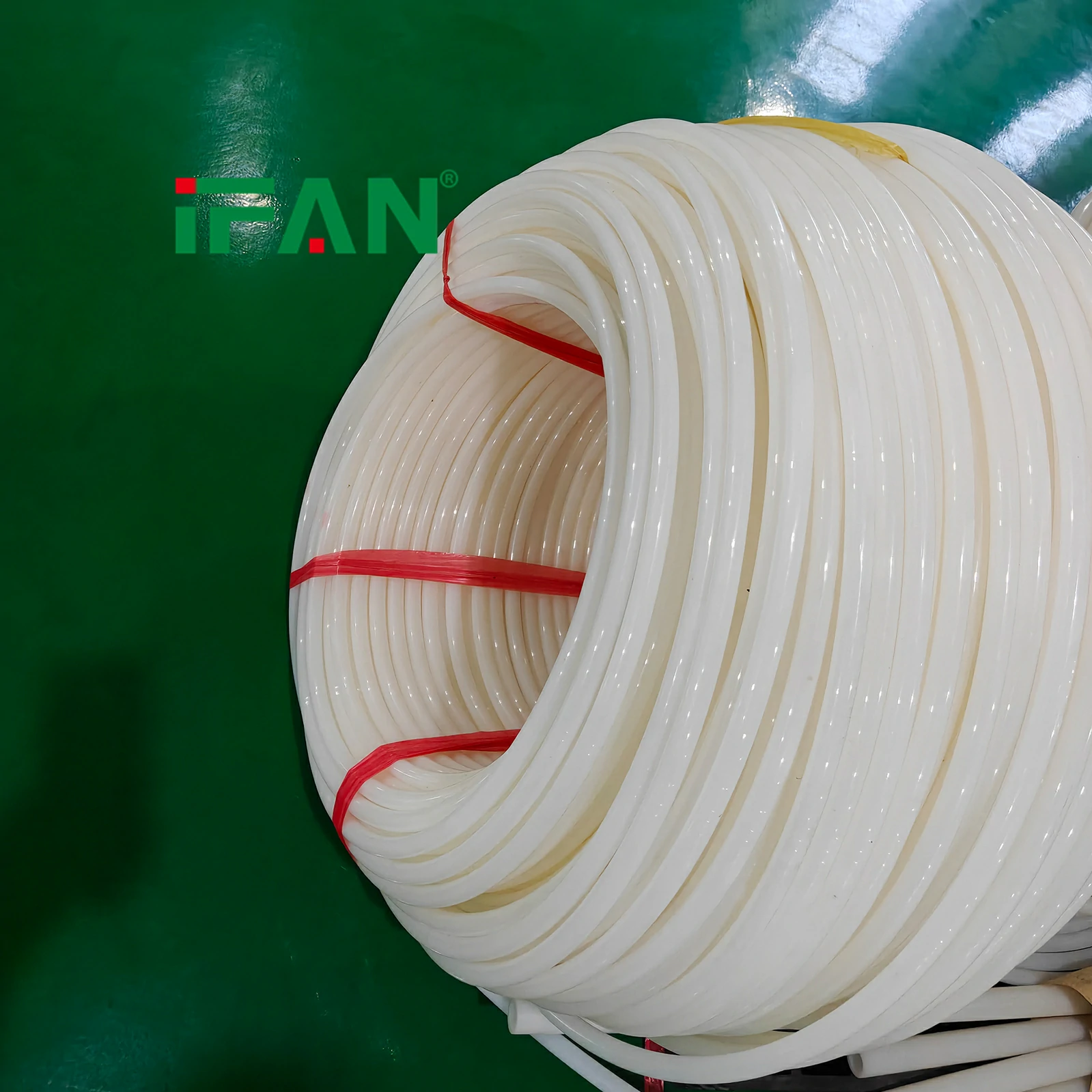
PEX-A pipe is a suitable option for many modular building plumbing systems. Its flexibility allows installers to route pipes through compact spaces and around structural components. It is also lightweight and available in coils, making it convenient for prefabrication and on-site installation.
From modular residential buildings to commercial facilities, PEX-A piping can support hot and cold water distribution. Choosing the correct pipe specifications and connection systems helps improve installation efficiency and system reliability.
Why PEX-A Pipe Works Well in Modular Construction
Modular buildings are manufactured in sections before being transported to the construction site. Plumbing components may need to be installed inside factory-built modules. The connections between modules must then be completed during final assembly.
PEX-A offers several properties that suit this construction process.
High Flexibility for Prefabricated Modules
PEX-A pipe is highly flexible compared with many rigid plumbing materials. Installers can route it around framing members, wall cavities, and other building components.
This flexibility is useful when working with prefabricated modules. It can reduce the need for multiple elbows and simplify complex pipe routes.
Longer continuous pipe runs may also reduce the number of joints inside concealed spaces. However, installers must follow the manufacturer’s minimum bend radius to prevent pipe damage.
Lightweight and Easy to Transport
Transportation weight matters in modular construction. Building sections often contain plumbing, electrical systems, insulation, and structural components.
PEX-A pipe is lightweight and easy to handle. Its coil packaging can simplify storage and material distribution during factory production.
Workers can cut pipe to the required length and prepare it for installation without handling heavy rigid sections.
Faster Factory Installation
Modular construction depends on repeatable production processes. Plumbing work must fit within factory schedules and standardized assembly procedures.
PEX-A can support efficient installation because it is flexible and compatible with several connection systems. These include expansion, crimp, and clamp connections, depending on product approval.
Using standardized pipe sizes and connection procedures can help improve consistency between modules.
Corrosion Resistance
PEX-A does not rust like metal pipes. It also resists scale buildup under suitable water conditions.
This property can reduce certain maintenance concerns in concealed plumbing systems. However, water quality and chemical compatibility should still be evaluated.
Resistance to Freeze-Related Expansion
PEX-A can expand when water inside the pipe freezes. This may reduce the likelihood of bursting compared with some rigid piping materials.
However, PEX-A is not freeze-proof. Pipes in exterior walls, unheated modules, and exposed service areas still require appropriate insulation and freeze protection.
Applications of PEX-A Pipe in Modular Buildings
PEX-A can serve different plumbing functions across residential and commercial modular projects.
Modular Residential Buildings
Apartment modules, prefabricated houses, and temporary residential buildings require reliable hot and cold water distribution.
PEX-A can connect the main water supply to kitchens, bathrooms, laundry areas, and other fixtures. Its flexibility helps installers route pipes through prefabricated walls and floors.
Modular Bathrooms
Bathroom modules are often manufactured as complete units in factories. They may include sinks, showers, toilets, and concealed plumbing connections.
PEX-A pipe can connect these fixtures to the module’s water distribution system. Its flexible structure can simplify routing within compact bathroom assemblies.
Connection points should remain accessible where inspection or maintenance may be required.
Modular Kitchens
Kitchen modules contain several water-consuming fixtures. These may include sinks, dishwashers, refrigerators with water connections, and other appliances.
PEX-A can provide hot and cold water supply lines. Proper pipe sizing helps maintain suitable flow when multiple fixtures operate.
Commercial Modular Buildings
Schools, offices, healthcare facilities, and worker accommodation may use modular construction methods.
These projects often require repeatable plumbing layouts across multiple building sections. PEX-A can support standardized water distribution systems when the selected products meet the project’s technical and regulatory requirements.
Temporary and Relocatable Buildings
Temporary offices, site accommodation, and emergency housing may require plumbing systems that are quick to assemble.
PEX-A pipe is lightweight and easy to route. It can be useful in these projects when the installation is designed for the building’s expected operating conditions.
PEX-A Pipe Sizes for Modular Plumbing Systems
Pipe sizing affects water flow, pressure loss, and fixture performance. Modular buildings may have different plumbing requirements depending on the number of fixtures and the distance between supply points.
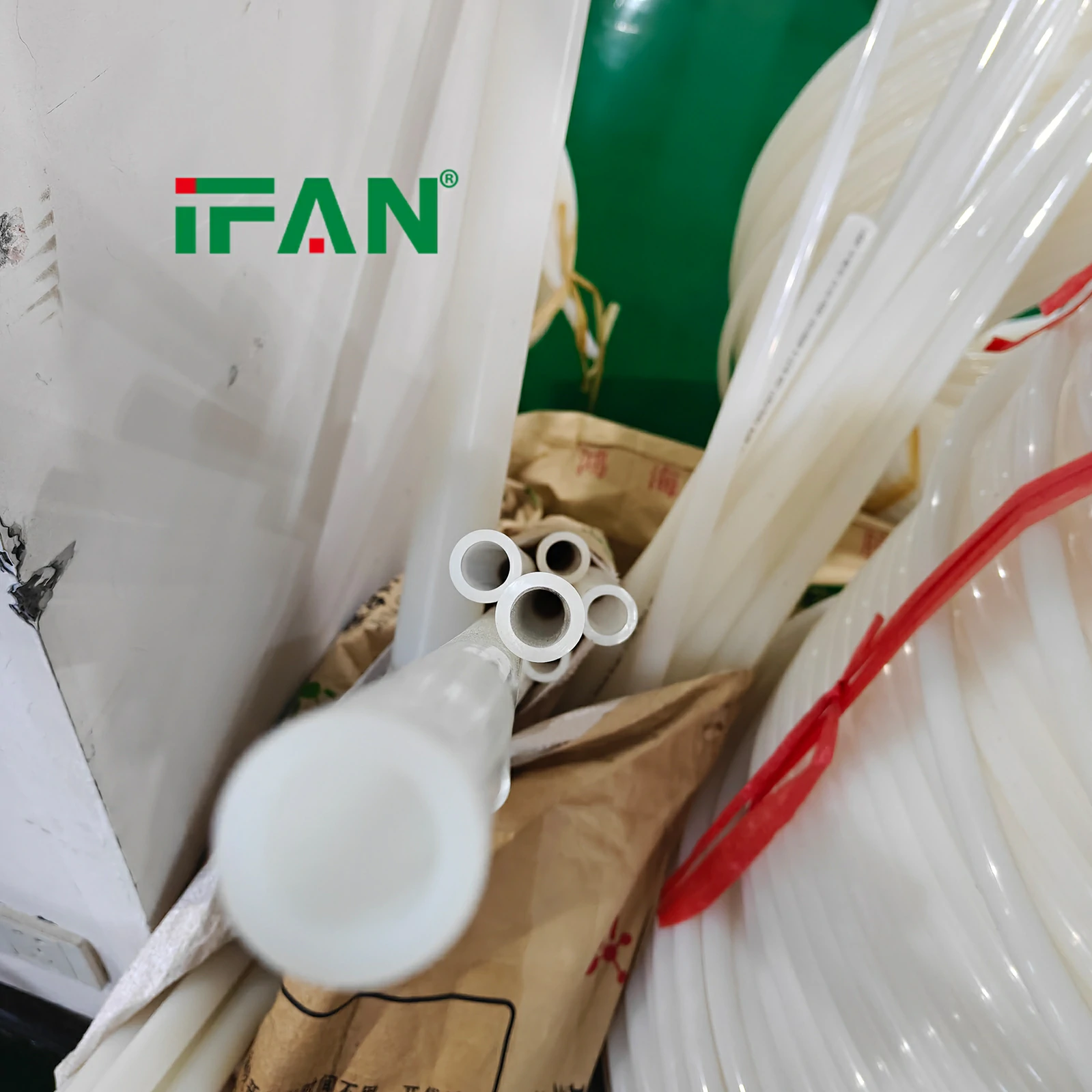
Common nominal PEX pipe sizes include 1/2 inch, 3/4 inch, and 1 inch.
1/2-Inch PEX-A Pipe
Half-inch PEX-A pipe is commonly used for individual fixture supply lines and smaller distribution branches.
It may supply bathroom sinks, toilets, kitchen fixtures, and other outlets when the plumbing design allows.
3/4-Inch PEX-A Pipe
Three-quarter-inch pipe is often used for larger distribution branches.
It can supply several fixtures depending on the total flow demand, pipe length, and available water pressure.
1-Inch PEX-A Pipe
One-inch PEX-A pipe may be used for main distribution lines in larger modular buildings.
It can help serve higher flow requirements, subject to the system design.
| Nominal Size | Typical Plumbing Application |
|---|---|
| 1/2 inch | Individual fixture connections |
| 3/4 inch | Distribution branches |
| 1 inch | Main water supply lines |
These are general examples rather than fixed design rules. Actual pipe sizes must be calculated according to fixture demand, pressure conditions, pipe length, and applicable plumbing codes.
Connection Methods for PEX-A Pipe
A modular plumbing system needs connection methods that suit both factory assembly and on-site installation.
PEX-A supports several connection options. The pipe, fitting, and tool must be approved for the selected system.
PEX Expansion Fittings
Expansion connections are widely associated with PEX-A pipe.
A dedicated tool expands the pipe end. The installer then inserts a compatible fitting. The pipe contracts around the fitting to create a secure connection.
This method uses the elastic recovery properties of PEX-A. It can be useful for prefabricated plumbing assemblies where repeatable connection procedures are required.
PEX Crimp Fittings
Crimp systems use a metal ring placed around the pipe and fitting. A compatible crimp tool compresses the ring to secure the connection.
Crimp fittings are available in different configurations. Installers must use the correct ring size and tool.
PEX Clamp Fittings
Clamp connections use a metal clamp to secure the pipe around the fitting. A dedicated tool tightens the clamp to the required condition.
This method may suit certain modular plumbing production processes. Compatibility must be confirmed before use.
Transition Fittings Between Modules
One important challenge in modular construction is connecting plumbing systems between building sections.
Transition fittings can connect PEX-A pipes to other compatible piping materials or system components. These may include approved connections to copper, CPVC, or other plumbing systems.
The connection design should account for module alignment, transportation movement, and accessibility. Avoid placing critical joints in locations that cannot be inspected or maintained.
How to Install PEX-A Pipe in Modular Buildings
A well-planned installation process helps improve production consistency and reduce problems during final assembly.
Step 1: Prepare the Plumbing Layout
Review the building drawings and identify the position of water supply lines and fixtures.
Plan routes through walls, floors, and service cavities. Consider where modules will connect during site assembly.
Avoid unnecessary bends and keep connection points accessible.
Step 2: Standardize Pipe Dimensions
Use a consistent pipe sizing plan across repeated modules.
Confirm the required nominal diameter, wall thickness, and product specifications. Standardization can simplify material purchasing and factory inventory management.
Step 3: Cut and Prepare the Pipe
Measure the required pipe length and use a suitable PEX pipe cutter.
Make a clean, square cut. Avoid crushing or deforming the pipe end.
Step 4: Install Compatible Fittings
Select approved expansion, crimp, or clamp fittings.
Follow the manufacturer’s instructions for each connection method. Use the correct installation tools and verify the completed joints.
Step 5: Secure Pipes Within the Module
Support the pipe according to the manufacturer’s requirements and local plumbing codes.
Use suitable clips and supports. Avoid excessive tightening, which may restrict movement or damage the pipe.
Allow for thermal expansion and contraction where required.
Step 6: Protect Pipes During Transportation
Prefabricated modules may experience vibration and movement during lifting and transportation.
Secure loose pipe sections and protect exposed connections. Prevent sharp structural edges from contacting the pipe.
Keep open pipe ends capped to prevent dust and debris from entering the plumbing system.
Step 7: Connect the Modules On Site
Align the building modules according to the construction plan.
Complete the plumbing connections using approved fittings and procedures. Check that pipes are not twisted, stretched, or placed under excessive stress.
Step 8: Test the Complete Plumbing System
Inspect the connections and perform the required pressure or leakage testing.
Follow the applicable project specifications and local plumbing codes. Complete testing before closing concealed areas wherever possible.
Key Design Considerations for Modular PEX-A Plumbing
Selecting PEX-A pipe is only one part of a successful modular plumbing design. Several factors should be considered during planning.
Module Joint Locations
Module connection points require careful attention. Plumbing lines may need to cross structural boundaries between prefabricated sections.
Design these connections to allow accurate alignment and sufficient installation space. Where possible, avoid inaccessible joints behind permanent finishes.
Thermal Expansion and Contraction
PEX-A expands and contracts as temperature changes.
Pipe supports and routing should allow the movement specified by the manufacturer. This is particularly important for long pipe runs and hot water distribution lines.
Transportation and Lifting Loads
Factory-installed plumbing must withstand handling before the building reaches its final location.
Protect pipes from impact, crushing, and excessive bending during transportation. Secure components without restricting their required movement.
Temperature and Pressure Ratings
PEX-A products have defined operating temperature and pressure limits.
Check the product datasheet and markings before selecting pipe. The system must suit the expected water temperature, operating pressure, and applicable design requirements.
UV Exposure
PEX pipe is generally not designed for prolonged direct sunlight exposure unless the product has a specific UV resistance rating.
Protect stored and installed pipe from sunlight according to the manufacturer’s instructions.
Potable Water Requirements
For drinking water applications, select products with the approvals and certifications required by the target market.
Check the relevant documentation for the pipe and fittings. Do not assume that all PEX-A products have the same potable water approvals.
PEX-A Pipe Compared with Other Plumbing Materials
Modular building projects may use PEX, CPVC, or copper. Each material offers different installation characteristics.
| Feature | PEX-A | CPVC | Copper |
|---|---|---|---|
| Flexibility | High | Rigid | Rigid |
| Weight | Lightweight | Lightweight | Heavier |
| Corrosion resistance | Does not rust | Corrosion-resistant | Can corrode under certain conditions |
| Connection methods | Expansion, crimp, clamp | Solvent cement | Soldering or approved mechanical fittings |
| Pipe routing | Flexible routes | Requires more directional fittings | Requires cutting and joining |
| Prefabrication | Suitable for flexible assemblies | Suitable for fixed layouts | Suitable for rigid assemblies |
PEX-A can be advantageous when modular plumbing requires flexible routing and lightweight components. CPVC and copper may remain suitable for projects with different design priorities.
The final material choice should consider local code approval, installation procedures, cost, and system performance.
Common Mistakes in Modular PEX-A Pipe Installation
Some installation problems become more difficult to correct after modules are closed or transported.
Avoid these common mistakes:
- Poor module connection planning: Inadequate access can make final plumbing connections difficult.
- Incorrect pipe sizing: Undersized pipes may cause insufficient flow.
- Incompatible fittings: Use connection components approved for the selected PEX-A system.
- Excessive bending: Follow the manufacturer’s minimum bend radius.
- Insufficient pipe support: Unsupported pipes may move or rub against structural components.
- Poor transportation protection: Unsecured pipes may be damaged during lifting and delivery.
- Ignoring thermal movement: Allow for expansion and contraction.
- Skipping pressure testing: Test the plumbing system before concealing connections.
- Ignoring local regulations: Verify the required product approvals and installation standards.
Factory quality control can help identify problems before modules leave the production facility.
What to Consider When Buying PEX-A Pipe for Modular Construction
Procurement teams should evaluate both product specifications and supply consistency.
First, confirm the required pipe sizes, wall thicknesses, and operating ratings. Check that the selected products meet the plumbing design and target market requirements.
Next, review the available fitting range. Expansion fittings, crimp fittings, clamps, tees, elbows, manifolds, and transition fittings may all be required.
For large modular projects, consistent product specifications are important. Standardized components can simplify factory assembly and reduce purchasing complexity.
Also consider coil lengths, packaging, product identification, delivery schedules, and customization options. Reliable technical documentation helps factory teams maintain consistent installation procedures.
Explore IFAN PEX-A Pipe and Fitting Solutions
IFAN supplies plumbing products for residential, commercial, and industrial piping applications. Its product portfolio includes plastic pipes, fittings, and related plumbing components.
For modular building projects, buyers can discuss PEX-A pipe sizes, fitting configurations, and connection requirements with the IFAN team. OEM and ODM services, along with customization options, can support different market and project needs.
When requesting a quotation, provide the pipe dimensions, material specifications, required connection system, intended application, and target market standards. This information helps identify suitable products for modular plumbing production.
Conclusion
PEX-A pipe is a practical choice for many modular building plumbing systems. Its flexibility, lightweight construction, and resistance to corrosion support efficient hot and cold water distribution.
It can simplify plumbing installation inside prefabricated walls, floors, bathrooms, and kitchen modules. Compatible expansion, crimp, and clamp fittings provide different connection options.
Successful modular plumbing also depends on careful layout planning, secure transportation, accessible module connections, and proper system testing. By selecting suitable PEX-A products and following approved installation procedures, manufacturers and contractors can build reliable plumbing systems for modular construction. IFAN can support product selection and procurement for suitable piping projects.