Geothermal heating systems use the stable temperature of the ground to provide efficient heating and cooling for buildings. These systems rely on underground piping loops to transfer thermal energy between the ground and a heat pump. Selecting suitable pipe materials is essential for long-term performance.
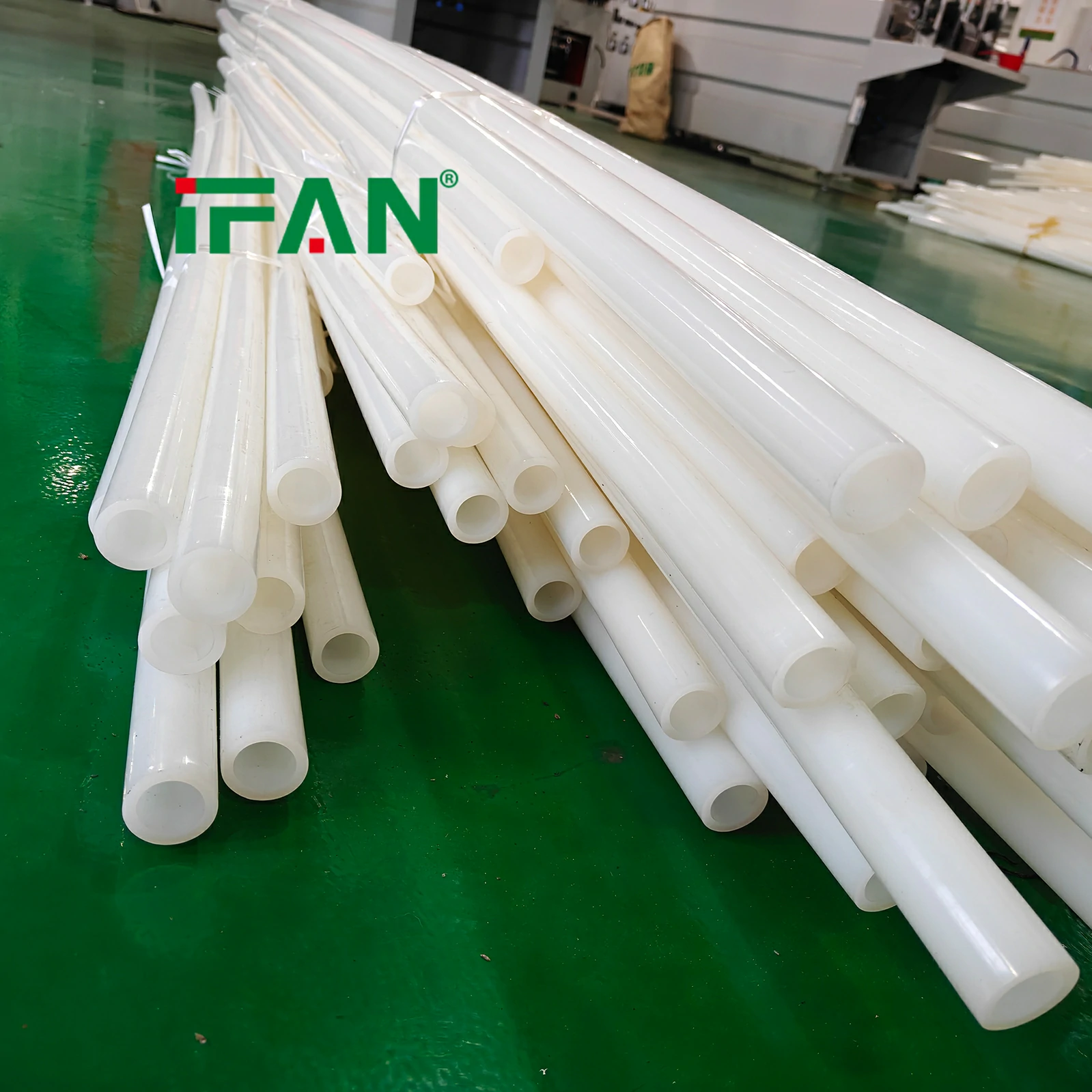
PEX-A pipe is a flexible cross-linked polyethylene pipe that can be considered for certain geothermal heating applications. Its flexibility helps installers route piping through different layouts. It also offers resistance to corrosion and many common soil conditions.
However, not every PEX-A product is designed for geothermal ground loops. Pipe selection must consider operating pressure, temperature, heat-transfer requirements, burial conditions, and manufacturer approval. Understanding these factors helps contractors choose suitable piping for geothermal installations.
Understanding PEX-A Pipe in Geothermal Heating Systems
A geothermal heating system typically includes a heat pump, an underground ground loop, circulating fluid, and indoor distribution equipment. The ground loop transfers heat between the circulating fluid and surrounding soil.
During winter, the system extracts thermal energy from the ground. During summer, some systems reverse the process and transfer heat from the building back into the ground.
PEX-A is manufactured through a cross-linking process that creates a three-dimensional polymer structure. This structure improves its resistance to temperature and pressure compared with conventional non-cross-linked polyethylene.
Its flexible construction can support different piping arrangements. However, geothermal performance depends on the complete system design. The pipe must meet the specific requirements of the ground loop and circulating fluid.
Why Consider PEX-A Pipe for Geothermal Heating Installations?
Geothermal ground loops are often buried underground for many years. The piping material must withstand installation stress and continuous operating conditions.
PEX-A offers several characteristics that may be useful in suitable geothermal projects.
High Flexibility for Ground Loop Layouts
PEX-A pipe can bend around obstacles and follow curved installation routes. This flexibility can simplify certain horizontal ground loop configurations.
It may also reduce the number of directional fittings required in suitable layouts. Fewer connections can simplify installation and reduce potential leakage points.
Installers must still follow the manufacturer’s minimum bend radius. Excessive bending can damage the pipe or restrict its internal flow area.
Corrosion Resistance
Underground piping can remain in contact with soil and groundwater throughout its service life.
PEX-A does not rust like steel or copper. It also offers resistance to many substances found in typical soil environments.
However, soil and groundwater conditions vary. Chemical compatibility should be evaluated when the installation site contains aggressive substances or unusual contamination.
Resistance to Temperature Changes
Geothermal systems operate with changing fluid temperatures throughout the heating and cooling seasons.
PEX-A products have defined temperature and pressure ratings. A suitable product must meet the expected operating range of the ground loop.
Do not assume that every PEX-A pipe has the same temperature limits. Always check the manufacturer’s technical datasheet.
Lightweight and Easy Handling
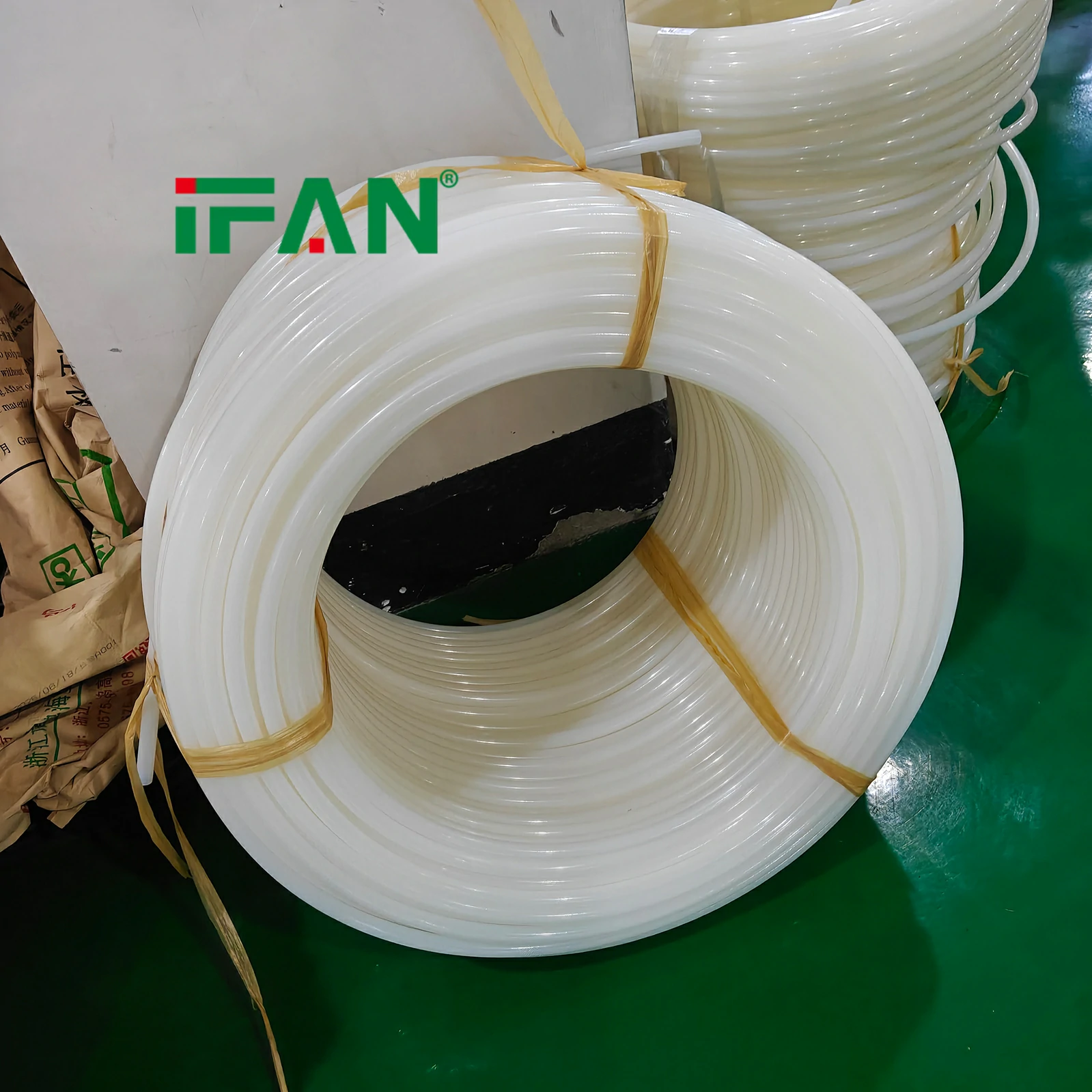
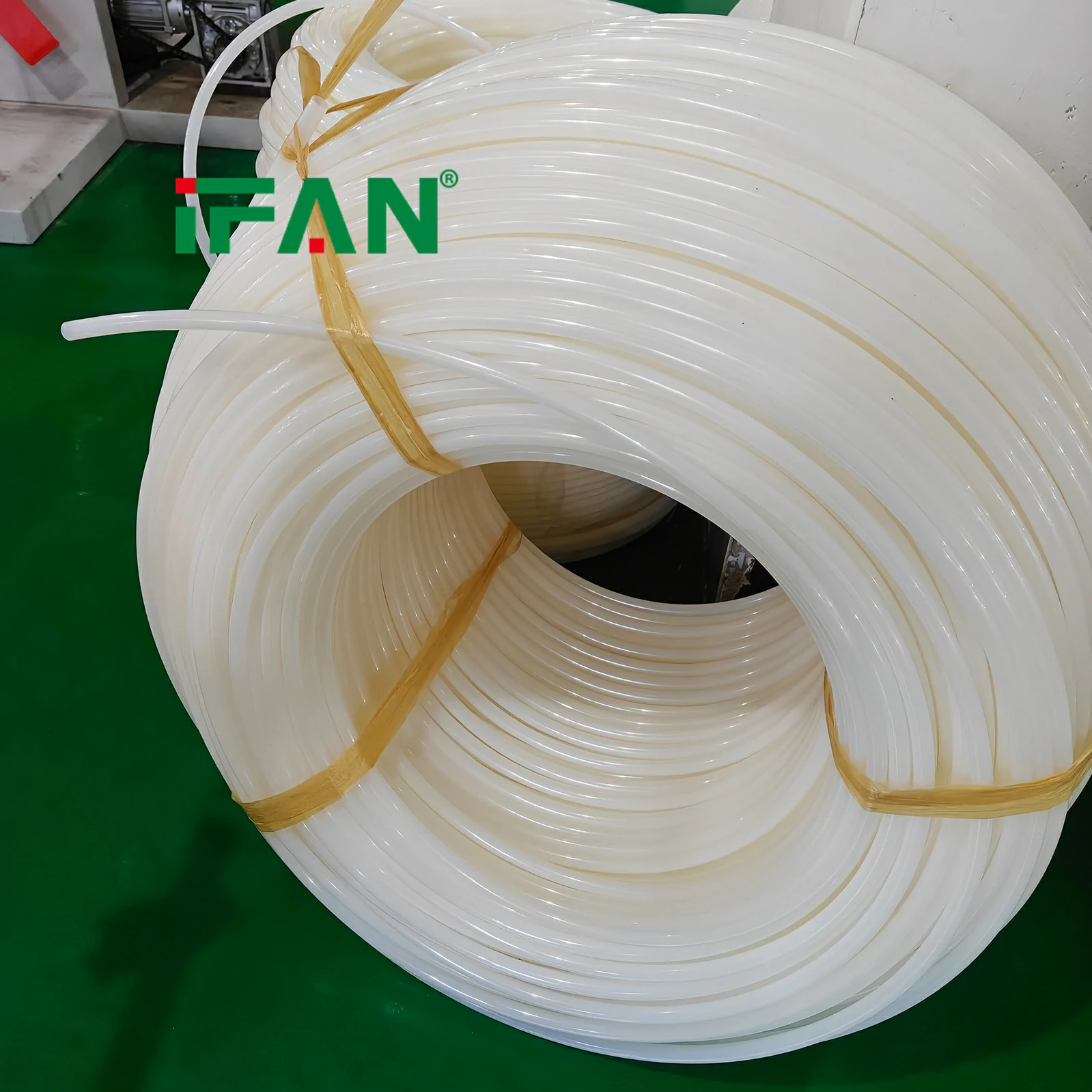
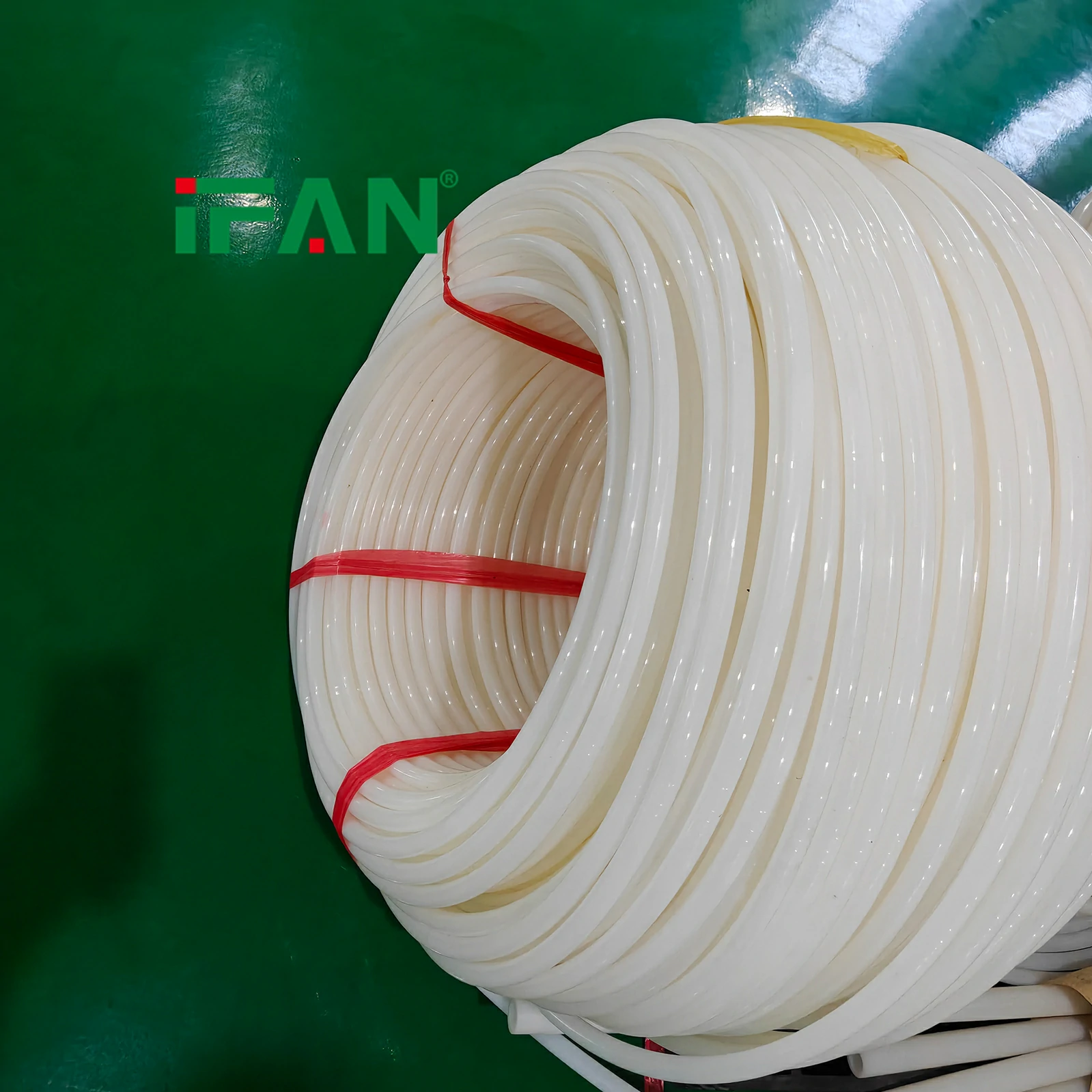
PEX-A pipe is relatively lightweight and often supplied in coils. This makes transportation and handling easier on many construction sites.
Long pipe runs can sometimes be installed with fewer intermediate connections. This can be useful for ground loop layouts with continuous circuits.
Resistance to Scale and Deposits
PEX-A has a smooth internal surface. This helps limit certain types of mineral buildup under suitable water and fluid conditions.
The circulating fluid still requires proper selection and maintenance. Fluid chemistry, contamination, and system treatment can influence long-term performance.
Common Geothermal Heating Applications for PEX-A Pipe
Geothermal systems use different ground loop configurations. The suitability of PEX-A depends on the specific application and product approval.
Horizontal Ground Loops
Horizontal ground loops use buried pipes installed in trenches. They are often considered where sufficient land is available.
PEX-A flexibility may help installers arrange pipe circuits within planned trench layouts. The pipe must be suitable for continuous underground service and the required thermal and pressure conditions.
Vertical Ground Loops
Vertical ground loops use pipes installed in deep boreholes. These systems are commonly selected where available land is limited.
Vertical installations require careful consideration of pipe dimensions, pressure, insertion procedures, and borehole conditions.
The selected pipe must be specifically suitable for the intended geothermal application. Its flexibility alone does not establish suitability for deep borehole installation.
Pond and Lake Loops
Some geothermal systems use submerged loops in suitable ponds or lakes.
These installations require pipe materials that can withstand long-term exposure to water and the expected environmental conditions. Pipe protection and anchoring must also be considered.
Use only products approved for the intended submerged application.
Ground Loop Connection Lines
Geothermal systems require connections between buried loops and the building’s heat pump equipment.
PEX-A may be considered for suitable connection sections when its pressure, temperature, and application ratings match the system design.
Transition fittings must be compatible with the selected piping material and connection method.
PEX-A Pipe Specifications for Geothermal Systems
Choosing the correct pipe requires attention to several technical specifications. Product dimensions alone are not enough to determine suitability.
Pipe Diameter
The pipe diameter affects circulating fluid flow and pressure loss.
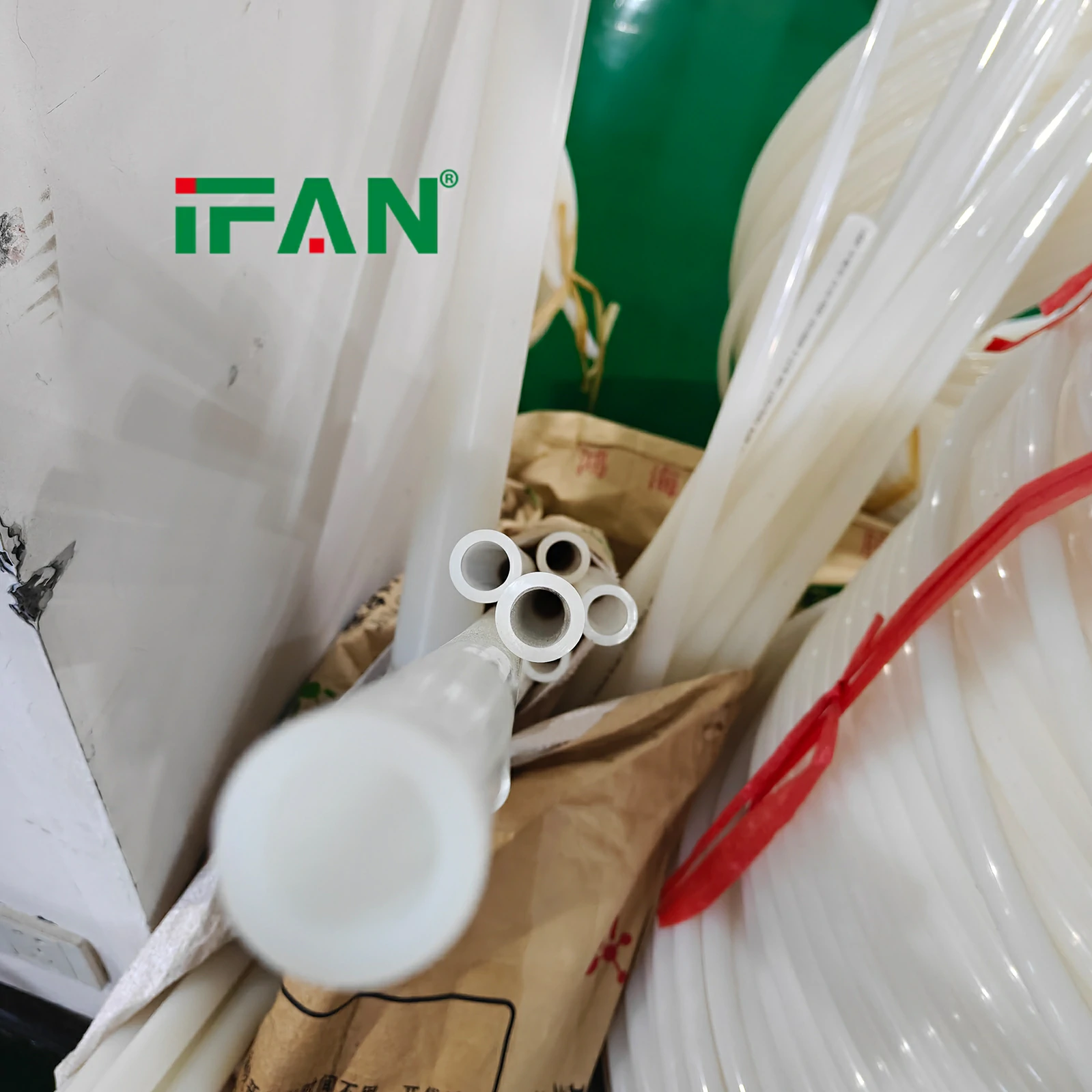
Common PEX pipe sizes include 1/2 inch, 3/4 inch, 1 inch, and larger dimensions. Geothermal ground loops often require different sizes depending on circuit length and heat pump capacity.
The designer should calculate the required flow rate and pressure drop before selecting a pipe diameter.
SDR and Wall Thickness
SDR describes the relationship between a pipe’s nominal outside diameter and nominal wall thickness.
Different pipe dimensions and SDR values provide different pressure characteristics. The selected product must meet the ground loop’s design pressure and applicable requirements.
Do not assume that a particular SDR is suitable for every geothermal installation.
Pressure Rating
Ground loop piping operates under the pressure conditions established by the circulation system.
Consider pump pressure, static pressure, system filling pressure, and possible transient conditions. The pipe’s pressure rating must also account for the operating temperature.
Temperature Rating
The circulating fluid temperature changes during seasonal operation.
Check the pipe’s permitted continuous operating temperature and pressure relationship. A product’s maximum temperature rating may correspond to a reduced allowable pressure.
Fluid Compatibility
Geothermal systems may circulate water or a water-based antifreeze solution.
Common antifreeze options include propylene glycol and ethylene glycol, depending on the system design and local requirements.
Confirm that the pipe, fittings, seals, and other wetted components are compatible with the selected fluid and its concentration.
PEX-A Pipe Connection Methods
Geothermal systems require secure connections between ground loops, headers, and mechanical equipment.
PEX-A can use several connection methods, but the selected system must be approved for the pipe and application.
PEX Expansion Connections
Expansion connections are commonly used with PEX-A plumbing systems.
A dedicated tool expands the pipe end. The fitting is inserted into the expanded opening. The pipe then contracts around the fitting to create a secure connection.
This method uses the elastic recovery properties of PEX-A. Installers must follow the fitting manufacturer’s instructions.
Crimp Connections
Crimp systems use a metal ring to secure the pipe around a compatible fitting.
A dedicated crimp tool compresses the ring to the required condition. The correct ring size, fitting, and tool are essential.
Clamp Connections
Clamp systems use a metal clamp around the pipe and fitting connection.
A suitable tool tightens the clamp to form the connection. Always confirm compatibility between the pipe, fitting, clamp, and installation tool.
Connection Requirements for Buried Loops
Not every plumbing connection system is suitable for permanent underground geothermal service.
Buried joints should use products approved for the application. Where possible, ground loop designs should minimize unnecessary buried connections.
All connections must follow the system designer’s specifications and manufacturer instructions.
How to Install PEX-A Pipe for Geothermal Heating
Installation quality affects ground loop reliability and long-term maintenance requirements.
Step 1: Review the Ground Loop Design
Determine the loop configuration, pipe length, circuit layout, burial depth, and required flow rate.
Review the site conditions and confirm that the selected pipe is suitable for the design.
Step 2: Prepare the Installation Area
For horizontal loops, prepare trenches according to the engineering plan.
Remove sharp objects and materials that could damage the pipe. The trench should provide suitable space for positioning and backfilling.
For vertical systems, borehole preparation must follow the approved geothermal installation procedure.
Step 3: Inspect the Pipe
Check the pipe surface for cuts, cracks, deformation, or other damage.
Confirm the pipe markings, dimensions, material specifications, and product identification before installation.
Step 4: Lay Out the Pipe
Position the pipe according to the ground loop design.
Avoid sharp bends, twisting, and unnecessary mechanical stress. Maintain the required spacing between adjacent pipe sections.
Step 5: Make Approved Connections
Use compatible fittings and tools for all connections.
Follow the manufacturer’s instructions for pipe preparation and joining. Keep connection surfaces clean and protect completed joints from contamination.
Step 6: Perform Pressure Testing
Test the ground loop according to the engineering specification and applicable installation requirements.
Complete the required inspection before covering the pipes. Record the test results and installation details where project documentation requires them.
Step 7: Backfill Carefully
Use suitable backfill material around the pipe.
Remove sharp rocks and debris that could damage the pipe. Follow the project requirements for soil compaction and thermal contact.
Step 8: Complete System Commissioning
Connect the ground loop to the heat pump and circulation equipment.
Flush, fill, and purge the system according to the manufacturer’s commissioning procedure. Check for leakage and confirm that the circulation system operates correctly.
Important Factors Affecting Geothermal Pipe Performance
A suitable pipe material is only one part of a successful geothermal system. Several design factors influence long-term performance.
Soil Thermal Conductivity
Soil type affects the rate of heat transfer between the ground and the circulating fluid.
Moisture content, density, and soil composition can influence thermal conductivity. The ground loop design should reflect local geological conditions.
Pipe Spacing and Burial Depth
The distance between pipe circuits affects thermal interaction.
Insufficient spacing may reduce the effectiveness of the ground loop. Burial depth also influences ground temperature conditions and installation requirements.
Follow the engineering design rather than using a universal spacing or depth value.
Thermal Resistance of the Pipe Wall
The pipe wall affects heat transfer between the circulating fluid and surrounding ground.
Pipe diameter, wall thickness, and material properties all contribute to thermal performance. These factors should be considered when comparing different geothermal pipe products.
Protection Against Mechanical Damage
Ground loop pipes can be damaged during handling, installation, and backfilling.
Avoid dragging pipe across sharp surfaces. Protect exposed sections from construction equipment and follow the manufacturer’s handling instructions.
Long-Term Fluid Quality
The circulating fluid must remain compatible with the piping system.
Incorrect antifreeze concentration or poor fluid maintenance may affect system performance. Follow the heat pump manufacturer’s fluid recommendations.
PEX-A Pipe vs. HDPE Pipe for Geothermal Ground Loops
HDPE and PEX are both polyethylene-based piping materials. However, they have different material structures and product applications.
HDPE is widely used in geothermal ground loop systems. Specialized geothermal HDPE products are available in configurations designed for buried ground heat exchangers.
PEX-A offers flexibility and resistance to corrosion. It may suit certain heating applications when the product is specifically approved for geothermal service.
| Comparison | PEX-A Pipe | HDPE Pipe |
|---|---|---|
| Material structure | Cross-linked polyethylene | High-density polyethylene |
| Flexibility | High | Depends on grade and dimensions |
| Common joining methods | Expansion, crimp, clamp | Butt fusion, electrofusion, mechanical connections |
| Underground applications | Product-specific approval required | Widely used in geothermal ground loops |
| Chemical resistance | Depends on exposure and product specifications | Depends on grade and exposure |
| Selection priority | Temperature, pressure, and application approval | Ground loop design and geothermal specifications |
Neither material should be selected based on flexibility alone. The project engineer must evaluate thermal performance, pressure requirements, installation methods, and applicable standards.
Common Mistakes When Selecting Geothermal PEX-A Pipe
Incorrect product selection can create problems that are difficult to correct after burial.
- Using general plumbing pipe without geothermal approval: Confirm the product’s intended application.
- Ignoring pressure and temperature ratings: Both values must suit actual operating conditions.
- Choosing the wrong diameter: Pipe sizing must match the required flow rate and circuit design.
- Overlooking fluid compatibility: Check the pipe and fitting materials against the selected antifreeze solution.
- Using incompatible fittings: All connection components must be approved for the pipe system.
- Ignoring thermal design: Pipe spacing and ground conditions influence heat transfer.
- Backfilling carelessly: Sharp materials can damage buried piping.
- Skipping pressure testing: Complete the required tests before covering the ground loop.
Careful design and installation help avoid expensive excavation and repair work.
What to Consider When Buying PEX-A Pipe for Geothermal Projects
Geothermal contractors and distributors should review several factors before purchasing pipe.
First, confirm that the product is approved for the intended geothermal application. General residential plumbing approval does not automatically establish suitability for buried ground loops.
Next, review the technical datasheet. Check the pipe material, outside diameter, wall thickness, SDR, pressure rating, temperature limits, and fluid compatibility.
Also consider the available pipe lengths and coil packaging. Longer continuous runs may help reduce the number of buried connections in suitable system layouts.
Ask suppliers about matching fittings and approved connection methods. Consistent product specifications can simplify installation and procurement.
For large projects, check delivery schedules, production consistency, technical documentation, and customization options. These details can support more efficient project planning.
Explore IFAN PEX-A Pipe and Fitting Solutions
IFAN supplies plumbing and piping products for residential, commercial, and other piping applications. Its product portfolio includes plastic pipes, fittings, and related components.
For geothermal heating projects, buyers should provide the intended application and required technical specifications before selecting products. Important details include pipe dimensions, pressure and temperature conditions, circulating fluid, and applicable project standards.
IFAN offers OEM and ODM services, along with customization options for suitable product requirements. Buyers can contact the team to discuss available pipe and fitting solutions.
Product suitability for buried geothermal ground loops must be confirmed through the relevant technical documentation. Do not assume that standard plumbing products are automatically approved for this application.
Conclusion
PEX-A pipe offers flexibility, corrosion resistance, and convenient handling for suitable heating applications. These properties may benefit certain geothermal piping layouts.
However, geothermal ground loops require careful consideration of heat transfer, operating pressure, temperature, fluid compatibility, and underground conditions. Product approval for the intended application is essential.
Contractors should compare PEX-A with specialized geothermal HDPE products before making a final selection. By following engineering specifications and manufacturer instructions, project teams can build reliable geothermal heating systems with appropriate piping materials.