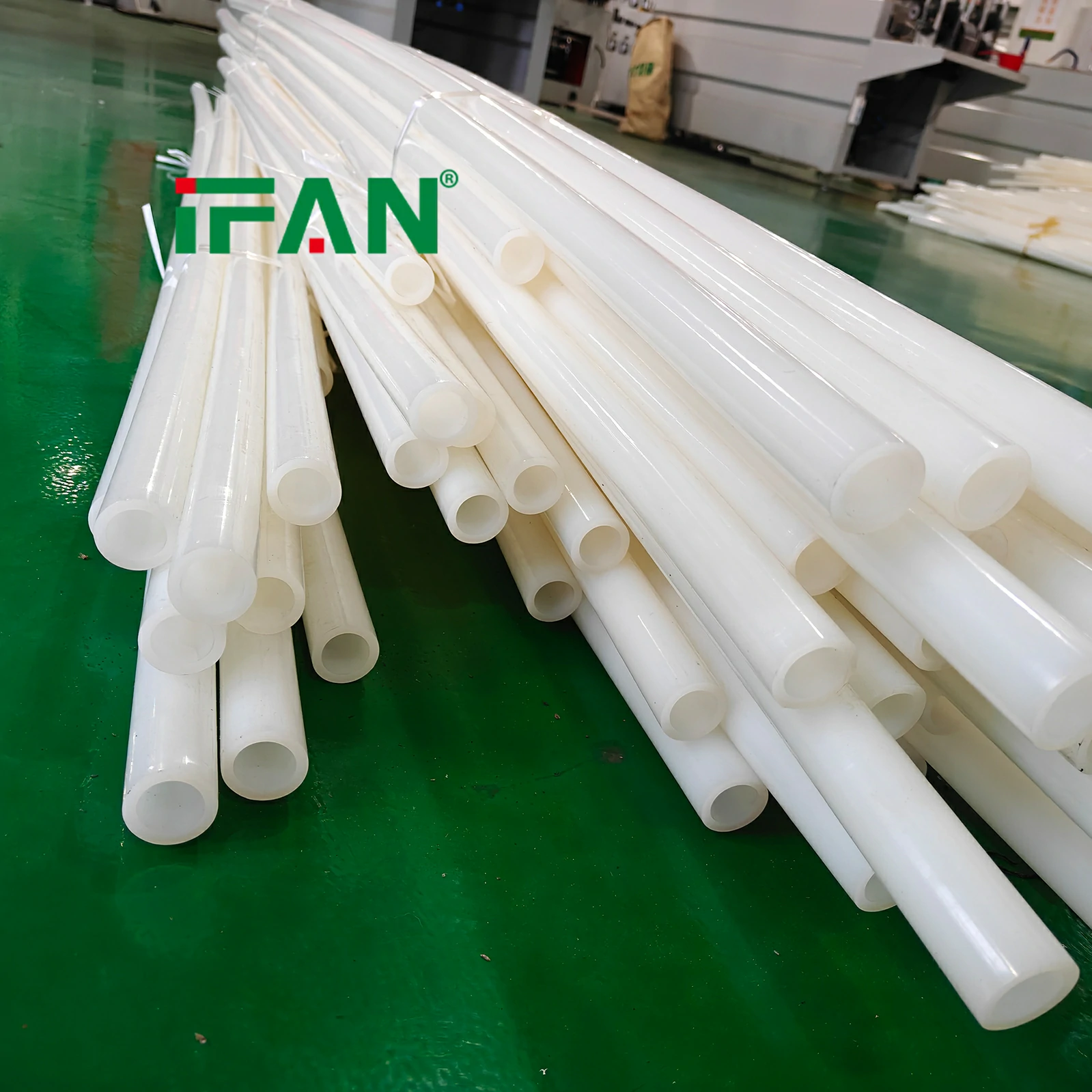
Marine plumbing systems require piping materials that can handle vibration, moisture, temperature changes, and limited installation space. From recreational boats to commercial vessels, reliable water supply is essential for daily operation. PEX-A pipe offers a flexible solution for many marine plumbing applications when the product is suitable for the vessel’s operating conditions.
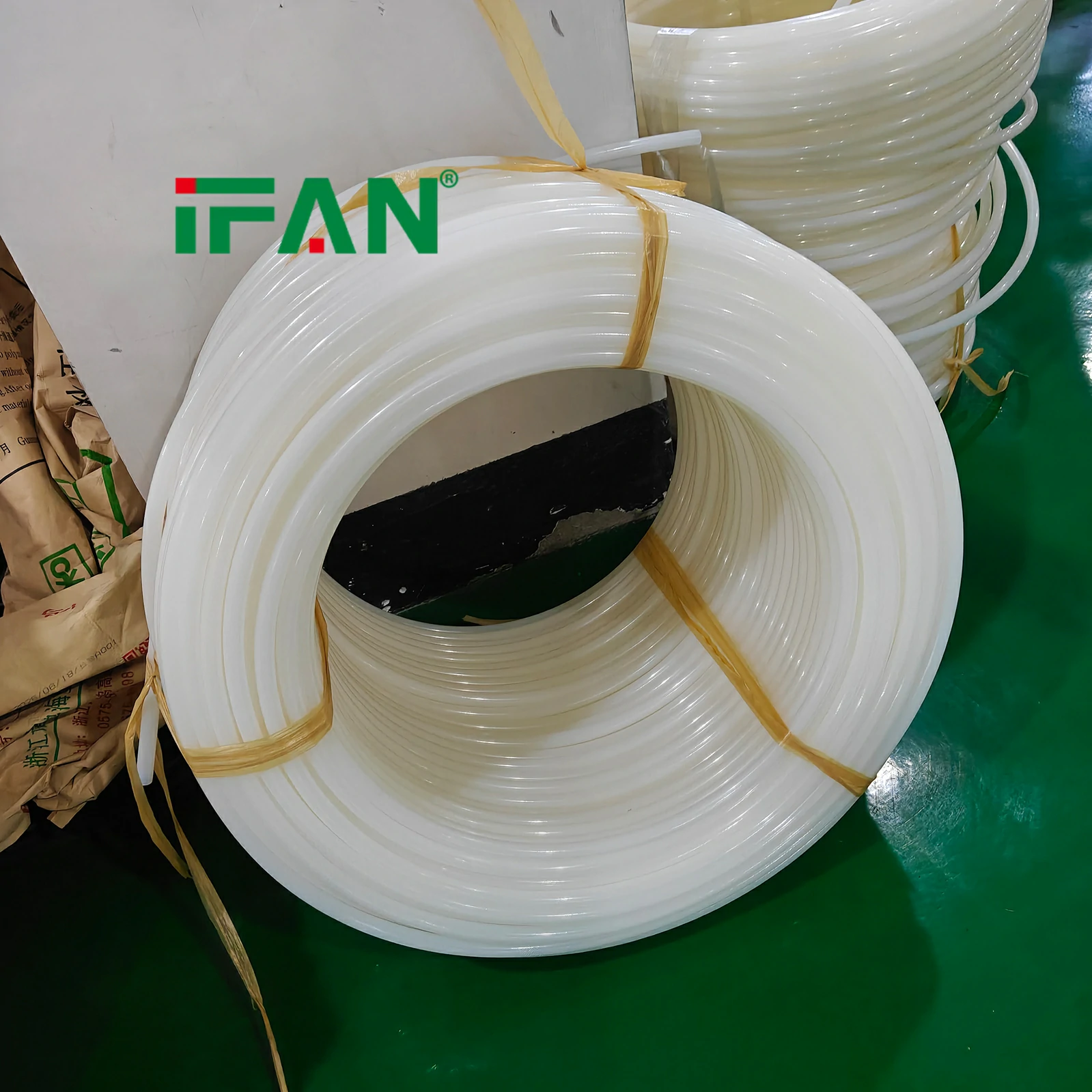
PEX-A is a type of cross-linked polyethylene pipe. It is known for its flexibility, lightweight construction, and resistance to corrosion. These properties make it attractive for freshwater distribution systems on boats and marine vessels.
However, marine environments create special challenges. Saltwater exposure, engine heat, vibration, confined spaces, and marine fire-safety requirements must all be considered. Selecting the right PEX-A pipe requires more than checking its diameter. Buyers and installers should verify product approvals, temperature ratings, pressure limits, and compatibility with the vessel’s plumbing design.
Why Use PEX-A Pipe for Marine Plumbing?
Marine vessels often have complex plumbing layouts. Pipes may pass through narrow compartments, around structural supports, and near mechanical equipment. Flexible piping can simplify these installation challenges.
High Flexibility for Confined Spaces
PEX-A pipe can bend around obstacles more easily than many rigid piping materials. This is useful in boats where plumbing routes must fit within limited spaces.
Its flexibility can reduce the need for multiple elbows and directional fittings. Fewer connections may also simplify installation and reduce potential leakage points.
Installers must still follow the manufacturer’s minimum bend radius. Sharp bends and excessive force can damage the pipe.
Lightweight Construction
Weight is an important consideration in marine engineering. Heavy materials can increase vessel weight and affect overall design.
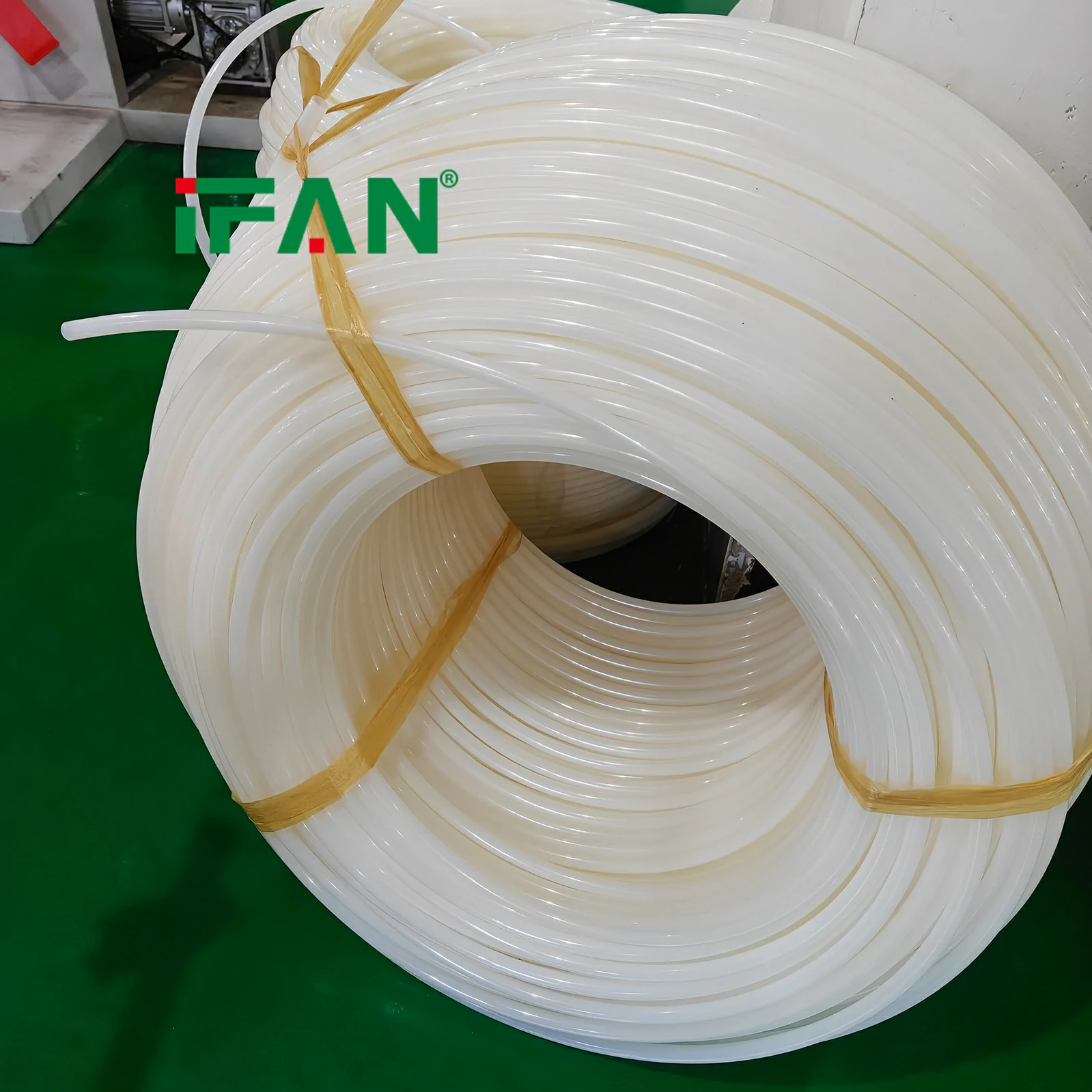
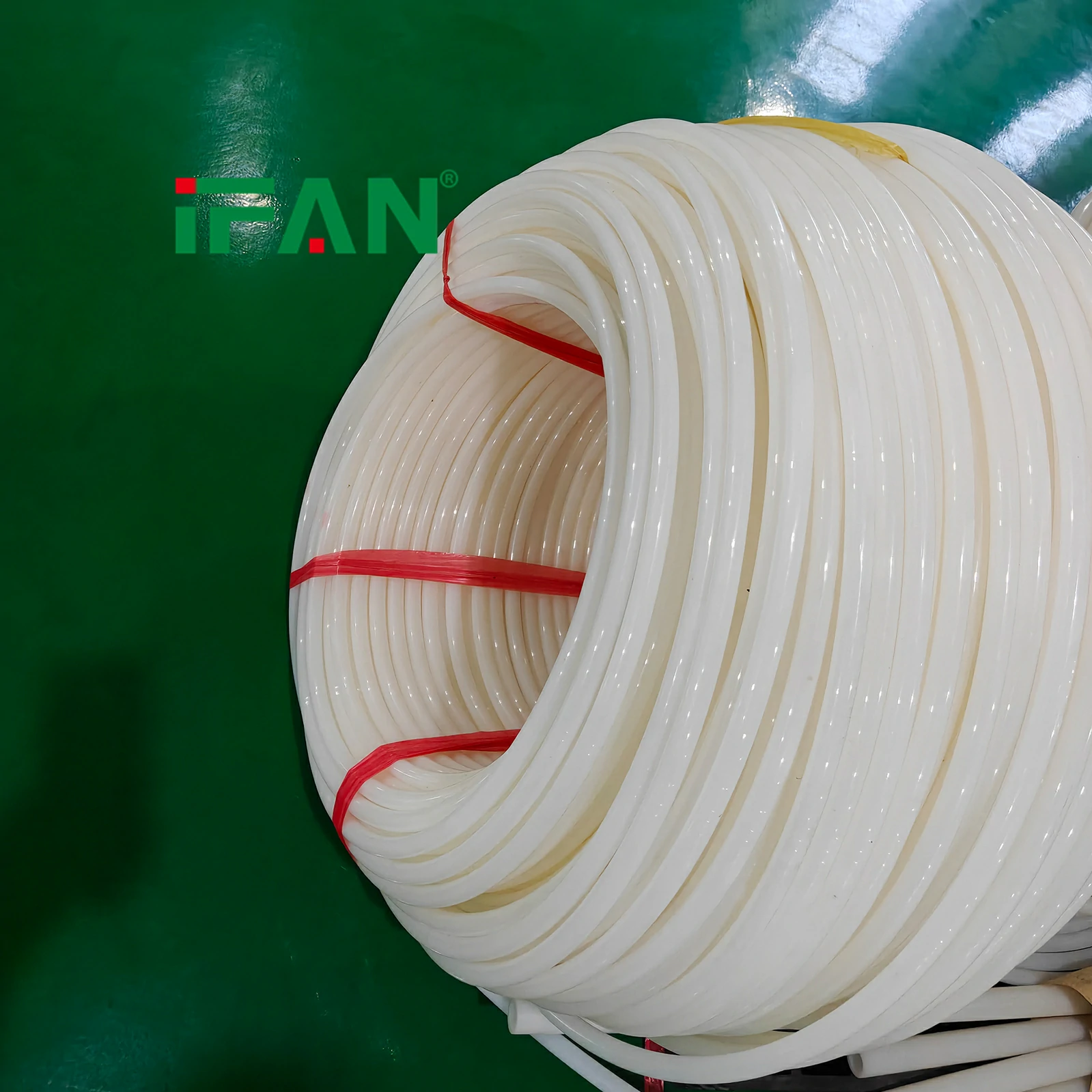
PEX-A is lightweight and available in coils. It can be easier to transport and route through compact vessel compartments.
Its low weight may also simplify installation during new vessel construction or plumbing renovation.
Corrosion Resistance
Unlike metal pipes, PEX-A does not rust. It is also resistant to many common substances found in residential water systems.
This can be beneficial in humid marine environments. However, the pipe itself should not be confused with the entire plumbing system. Metal fittings, clamps, valves, and other components may still require corrosion protection.
Resistance to Scale Buildup
PEX-A has a smooth internal surface. This helps reduce the conditions that encourage mineral deposits compared with some rougher pipe surfaces.
Water quality still matters. Hard water and unsuitable operating conditions can affect the performance of the complete plumbing system.
Flexibility Under Vibration
Boats and ships experience continuous movement and mechanical vibration. Flexible piping can help accommodate some movement within properly designed plumbing routes.
PEX-A may be suitable for selected onboard water lines. However, flexibility alone does not guarantee vibration resistance. Proper supports, connections, and protection against chafing are essential.
Common Marine Plumbing Applications for PEX-A Pipe
PEX-A pipe can be considered for several freshwater plumbing applications aboard vessels. Its suitability depends on the product’s approvals and the vessel’s design requirements.
Freshwater Supply Systems
PEX-A may be used to distribute freshwater from storage tanks or water treatment equipment to onboard fixtures.
Typical connection points include sinks, showers, washbasins, and other water outlets.
The pipe must meet the required potable water standards if it supplies drinking water. Confirm that the product is approved for the intended marine application.
Hot and Cold Water Distribution
Marine vessels often require both hot and cold water lines. PEX-A products with suitable temperature ratings can serve these systems.
Hot water lines may connect water heaters to showers, kitchen sinks, and bathroom fixtures. Cold water lines distribute water from storage or treatment systems.
Check the pipe’s rated temperature and pressure limits. Also consider heat exposure near engines, exhaust components, and machinery compartments.
Galley Plumbing
The galley is the kitchen area aboard a vessel. It usually requires water connections for sinks, taps, and sometimes dishwashing equipment.
PEX-A flexibility can simplify routing behind cabinets and through compact spaces.
Pipe supports and protective sleeves should prevent movement, abrasion, and contact with sharp edges.
Bathroom and Shower Systems
PEX-A can supply water to marine toilets, washbasins, and showers when permitted by the vessel’s plumbing design.
Installers should consider the location of pumps, water heaters, and pressure regulators. Connections must remain accessible for inspection and maintenance.
Recreational Boat Plumbing
Smaller recreational boats often have limited space for plumbing equipment. Flexible PEX-A pipe may help simplify freshwater distribution in cabins and compact utility areas.
Before installation, verify the vessel’s applicable regulations and the product’s suitability for marine use.
Important Factors When Selecting Marine PEX-A Pipe
Choosing PEX-A for marine plumbing requires attention to several technical factors.
Pipe Size and Water Flow
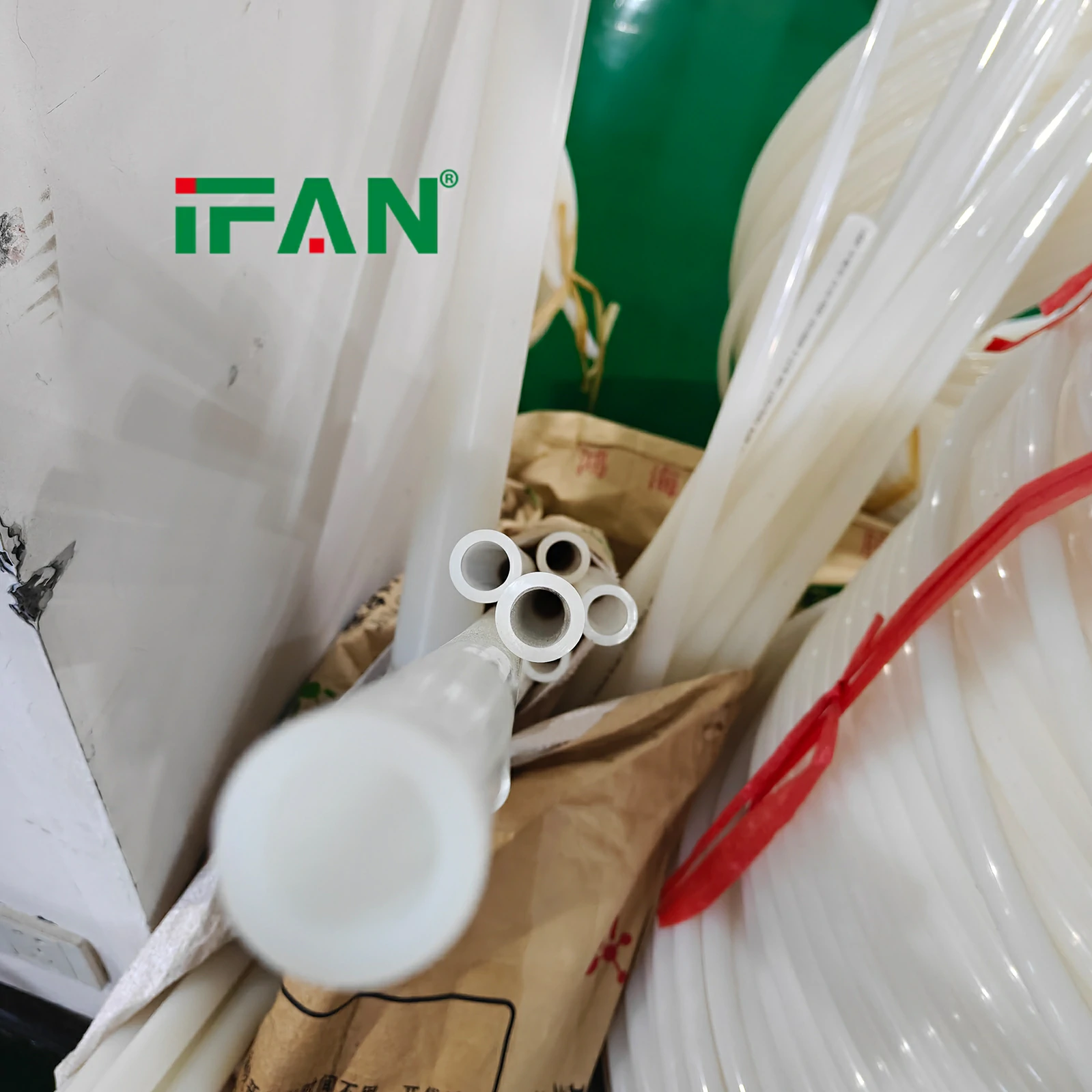
Common nominal PEX pipe sizes include 3/8 inch, 1/2 inch, 3/4 inch, and 1 inch.
The correct size depends on the vessel’s water demand, pipe length, pump capacity, and pressure requirements.
Smaller pipes may serve individual fixtures. Larger pipes may be used for main distribution lines.
Do not select pipe size based only on the connection diameter. Consider the expected flow rate and pressure loss throughout the system.
Pressure Rating
Marine freshwater systems may use pumps and pressure tanks to maintain water supply.
The selected pipe must handle the system’s maximum operating pressure. Consider pump shutoff pressure, pressure fluctuations, and any additional design loads.
Always check the manufacturer’s pressure rating at the expected operating temperature.
Temperature Resistance
Hot water systems can expose pipes to elevated temperatures. Engine compartments and machinery spaces may also create additional heat exposure.
Check the product’s continuous operating temperature and permitted short-term temperature limits. Do not route ordinary PEX-A pipe close to exhaust systems or other high-temperature equipment without approved protection.
Potable Water Approval
If PEX-A supplies drinking water, it must meet the applicable potable water requirements.
Approval requirements vary by country and vessel type. Check relevant standards and documentation before purchase.
A general plumbing approval does not automatically mean that a product is approved for every marine application.
Marine Fire and Safety Requirements
Fire safety is a major consideration aboard vessels. Some marine installations have specific requirements for flame spread, smoke generation, and material placement.
Standard building-grade PEX-A should not automatically be considered suitable for marine engine rooms or regulated vessel compartments.
Check the vessel’s classification requirements and applicable marine regulations. Use only products approved for the intended installation location.
PEX-A Pipe Connection Methods for Marine Plumbing
PEX-A systems support different connection methods. The correct choice depends on the pipe, fittings, installation conditions, and product approvals.
PEX Expansion Connections
Expansion fittings are commonly used with PEX-A pipe.
A specialized tool expands the pipe end. The fitting is inserted into the enlarged opening. The pipe then contracts around the fitting to form a secure connection.
This method is useful for creating compact connections in many plumbing layouts.
Installers must use compatible fittings and follow the specified expansion procedure.
PEX Crimp Connections
Crimp fittings use a metal ring to secure the pipe around the fitting. A dedicated tool compresses the ring to the required condition.
This method can be used where the pipe and fitting manufacturer approves the combination.
Check ring dimensions, fitting material, and tool compatibility before installation.
PEX Clamp Connections
Clamp fittings use a metal clamp to secure the pipe to the fitting. A suitable tool tightens the clamp around the connection.
The clamp and fitting must match the selected pipe system. In marine environments, corrosion resistance of exposed metal components is particularly important.
Transition Connections
Marine plumbing systems may combine PEX-A with tanks, pumps, valves, water heaters, and other piping materials.
Use approved transition fittings for connections between different materials. Choose suitable materials for the marine environment, especially where saltwater or persistent moisture may cause corrosion.
How to Install PEX-A Pipe on a Marine Vessel
Correct installation is essential for a reliable onboard plumbing system.
Step 1: Plan the Pipe Route
Identify the freshwater source, pumps, water heaters, and fixtures.
Plan the route through accessible areas. Avoid locations with excessive heat, sharp edges, moving machinery, or unnecessary exposure to mechanical damage.
Step 2: Measure and Cut the Pipe
Measure each pipe section carefully. Use a suitable PEX cutter to make clean, square cuts.
Avoid crushing or deforming the pipe end.
Step 3: Install Compatible Fittings
Select expansion, crimp, or clamp fittings approved for the pipe.
Follow the manufacturer’s connection instructions. Do not mix components from different systems unless compatibility is explicitly confirmed.
Step 4: Secure the Pipe
Install suitable supports and clamps along the pipe route.
Prevent excessive movement caused by vessel vibration. Use protective sleeves where pipes pass through bulkheads or structural openings.
Allow for thermal expansion and contraction according to the manufacturer’s instructions.
Step 5: Protect Against Heat and Abrasion
Keep PEX-A away from hot exhaust components and other heat sources.
Protect the pipe from sharp metal edges, mechanical impact, and repeated rubbing. Additional shielding may be required in machinery spaces.
Step 6: Check All Connections
Inspect every fitting, valve, and transition connection.
Confirm that pipes are properly supported and that no connection is under excessive tension.
Step 7: Test the Plumbing System
Perform the pressure or leakage test required by the system design and applicable marine regulations.
Check for leaks while the system operates under its specified conditions. Complete the required inspection before closing access panels or returning the vessel to service.
PEX-A Pipe vs. Other Marine Plumbing Materials
Marine plumbing systems may use PEX, copper, CPVC, or other approved piping materials.
| Feature | PEX-A | Copper | CPVC |
|---|---|---|---|
| Flexibility | High | Low | Low |
| Weight | Lightweight | Relatively heavy | Lightweight |
| Corrosion | Does not rust | Can corrode under certain conditions | Corrosion-resistant |
| Installation | Expansion, crimp, or clamp | Soldering or mechanical fittings | Solvent cement |
| Routing | Flexible pipe runs | Requires fittings for direction changes | Requires fittings for direction changes |
| Marine suitability | Depends on product approval | Depends on alloy and installation | Depends on product approval |
PEX-A can simplify many freshwater plumbing layouts. Copper may be preferred in some installations that require specific mechanical or temperature properties. CPVC may suit other systems when approved.
There is no universal best material for every vessel. The choice should reflect vessel regulations, service conditions, maintenance requirements, and installation location.
Common Mistakes to Avoid in Marine PEX-A Installation
Marine environments require careful installation practices. Avoid these common problems:
- Using unapproved products: Confirm that the pipe meets the vessel’s requirements.
- Ignoring fire regulations: Check material restrictions in machinery and accommodation spaces.
- Routing pipes near exhaust systems: Excessive heat can damage PEX-A.
- Poor pipe support: Unsupported lines may move and experience abrasion.
- Using incompatible fittings: Follow the pipe manufacturer’s approved connection system.
- Ignoring corrosion around fittings: Select suitable metal components for humid and salt-exposed areas.
- Skipping pressure testing: Inspect the complete system before operation.
- Ignoring maintenance access: Keep important valves and connections accessible.
These precautions help improve plumbing reliability and simplify future maintenance.
What to Consider When Buying PEX-A Pipe for Marine Use
Buyers should review the product specifications before placing an order.
Start with the intended application. Determine whether the pipe will serve freshwater, hot water, or another onboard system.
Then check the pipe dimensions, wall thickness, pressure rating, and temperature limits. Confirm potable water approval where required.
Marine certification and fire-safety requirements should receive special attention. Ask suppliers for documentation that supports the intended vessel type and installation location.
Also review compatible fittings, connection tools, coil lengths, packaging, and delivery schedules. A supplier that can provide matching components may simplify procurement for larger projects.
Explore IFAN PEX-A Pipe and Fitting Solutions
IFAN supplies plumbing products for residential, commercial, and piping applications. Its product portfolio includes plastic pipes, fittings, and related plumbing components.
For marine plumbing projects, buyers can discuss required pipe dimensions, operating conditions, and matching connection products with the IFAN team. OEM and ODM services, along with customization options, can support different product requirements.
Before ordering, provide the intended application, pipe size, pressure and temperature requirements, and target market standards. Marine-specific approvals must be confirmed against the actual product documentation.
Conclusion
PEX-A pipe offers useful advantages for selected marine plumbing applications. Its flexibility, lightweight construction, and corrosion resistance can simplify freshwater distribution aboard boats and other vessels.
It can serve hot and cold water lines, galley plumbing, bathroom fixtures, and recreational boat water systems when the product meets the required specifications.
However, marine installation requires careful attention to vibration, heat exposure, abrasion, fire safety, and product approvals. Correct pipe sizing, compatible fittings, secure supports, and proper testing are also essential.
By selecting suitable materials and following marine installation requirements, contractors can build reliable onboard plumbing systems. IFAN can support piping product selection and procurement for suitable plumbing projects.