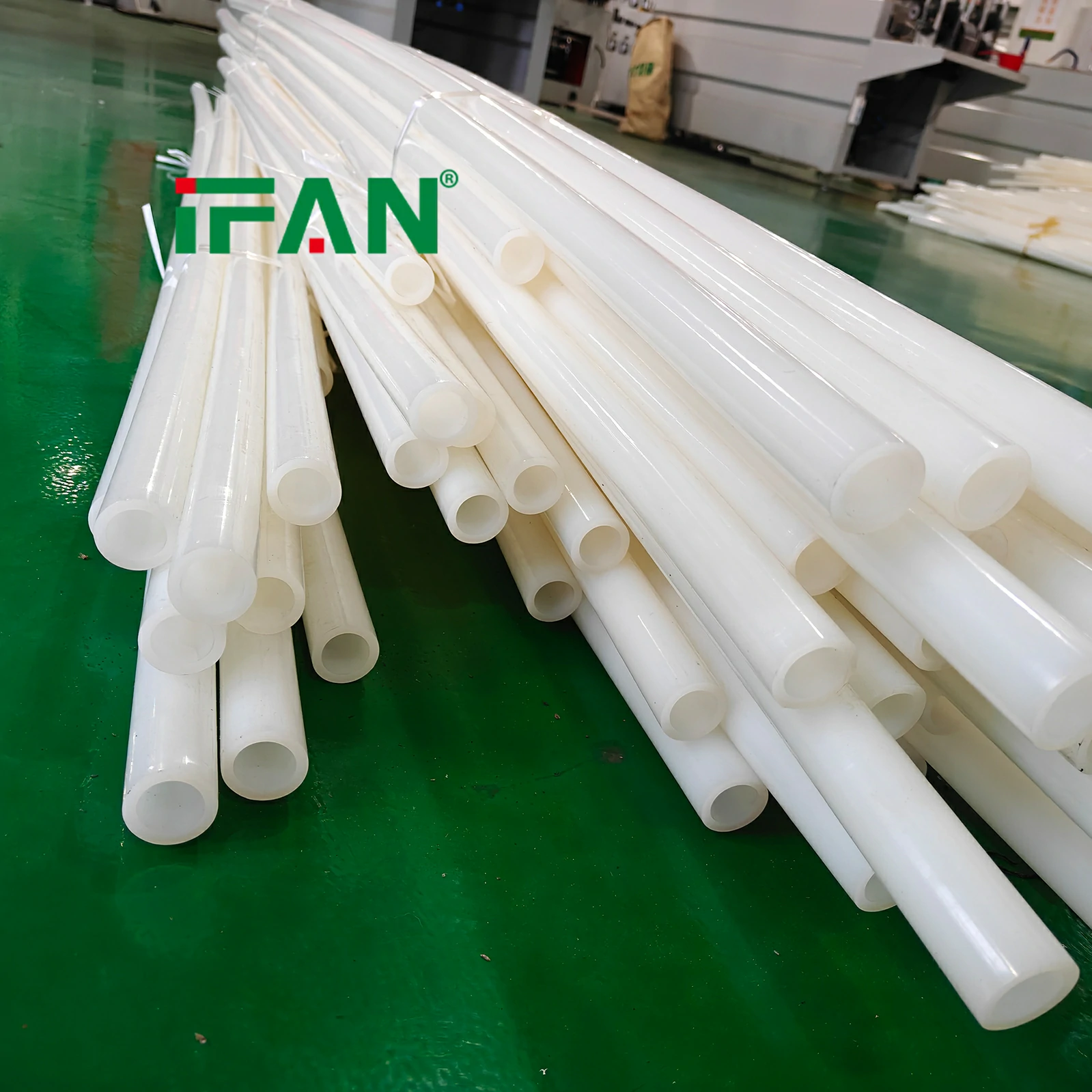
Snow and ice accumulation can create serious problems for driveways, walkways, parking areas, ramps, and outdoor stairs. In cold climates, these surfaces may become slippery and difficult to use. Snow melting systems offer an effective way to manage winter conditions by circulating heated fluid through pipes installed beneath the surface.
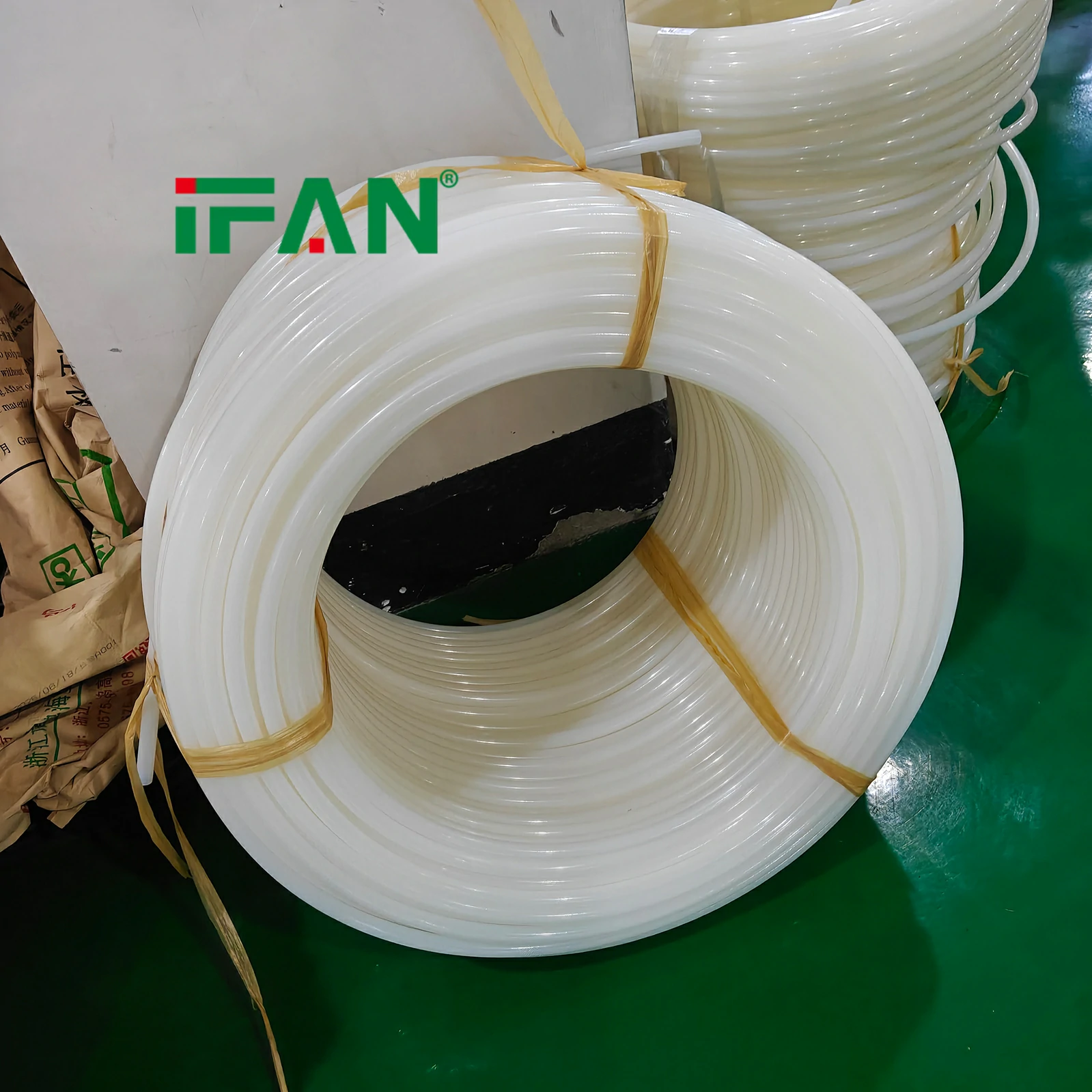
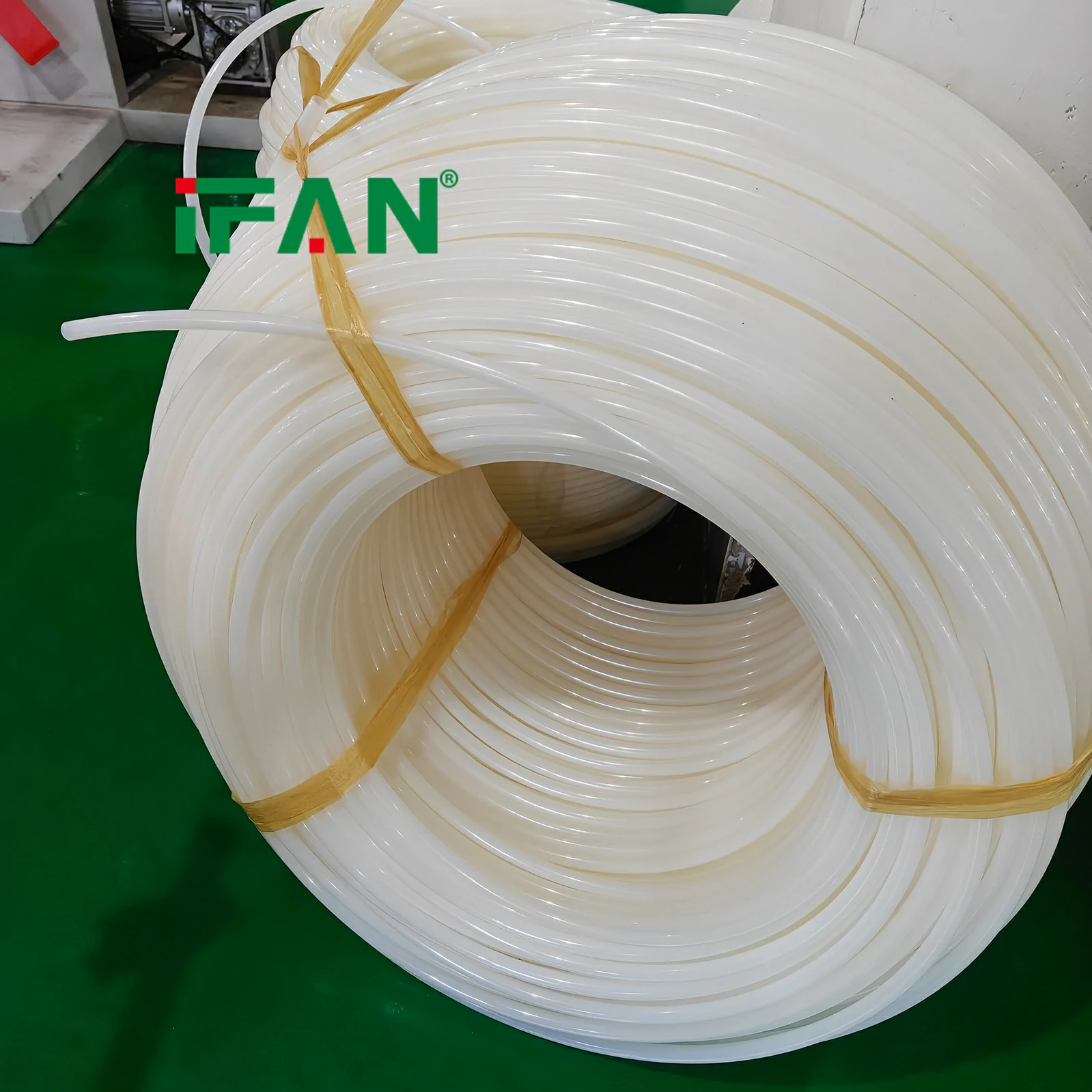
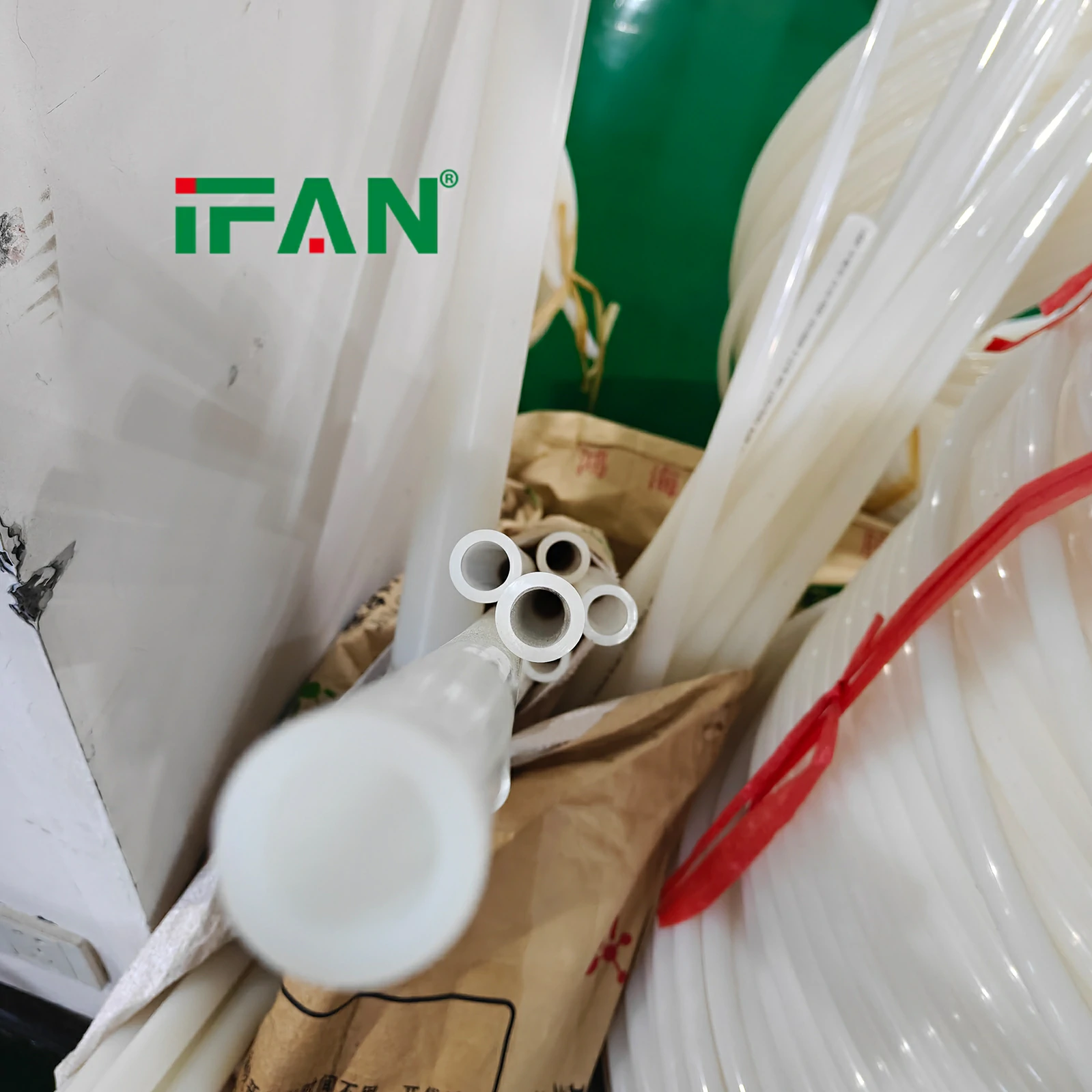
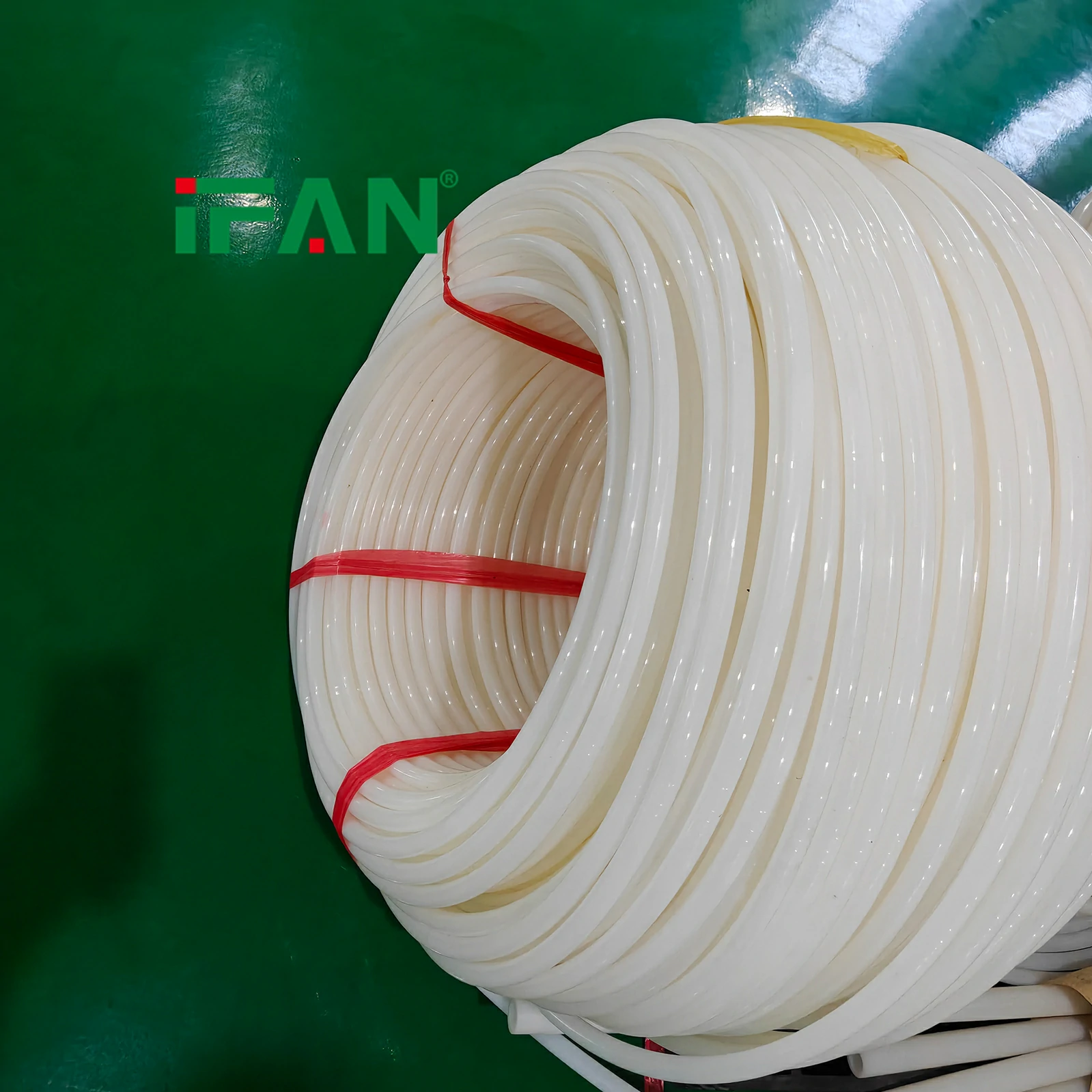
PEX-A pipe is a popular option for hydronic snow melting systems. Its flexibility, durability, and resistance to temperature changes make it suitable for many outdoor heating applications. It can be installed in concrete slabs, asphalt surfaces, and other properly designed pavement structures.
For contractors, distributors, and heating system designers, choosing the right PEX-A pipe is important. Pipe dimensions, temperature ratings, pressure limits, oxygen barrier properties, and installation methods all affect system performance.
What Is PEX-A Pipe for Snow Melting Systems?
PEX-A is cross-linked polyethylene manufactured using the peroxide method. The cross-linking process creates a molecular structure that improves the material’s resistance to heat and mechanical stress.
In a hydronic snow melting system, PEX-A pipe carries heated water or an approved water-glycol mixture. A boiler, heat pump, or other heat source warms the fluid. A circulation pump then moves it through pipe circuits beneath the outdoor surface.
Heat transfers from the pipe into the surrounding concrete, asphalt, or pavement. The warmed surface melts falling snow and helps prevent ice formation.
PEX-A is particularly useful for this application because it can be supplied in long coils. This allows installers to create continuous heating circuits with fewer buried connections.
Why Choose PEX-A Pipe for Snow Melting?
Snow melting systems operate in demanding outdoor conditions. The pipe must withstand repeated heating cycles, cold weather, and long-term operation beneath the surface.
High Flexibility for Easier Installation
PEX-A is highly flexible compared with many rigid piping materials. Installers can bend it around obstacles and arrange it in different circuit patterns.
This flexibility is useful when covering irregular areas such as curved driveways, entrance ramps, and outdoor walkways.
Long coil lengths also make it possible to install continuous pipe runs with fewer fittings. Reducing buried connections can simplify the system layout.
Resistance to Temperature Changes
Snow melting systems experience repeated temperature changes during operation. PEX-A is designed for hot water applications when used within its specified temperature and pressure limits.
Its material properties make it suitable for many hydronic heating systems. However, the actual operating conditions must remain within the product’s rated limits.
Durability Under Proper Installation
PEX-A offers good resistance to common mechanical stresses. When installed correctly, it can provide long-term service in embedded heating applications.
Proper pipe spacing, fixing methods, protective measures, and concrete placement are important. The pipe should not be exposed to sharp objects or excessive construction loads.
Fewer Buried Connections
PEX-A is commonly available in coils. Installers can often cover a large area using continuous pipe circuits.
Fewer buried joints mean fewer potential leakage points beneath the pavement. Connections should preferably remain accessible in suitable manifolds or service locations.
Resistance to Corrosion and Scale
PEX-A does not rust like metal piping. Its smooth internal surface also helps limit deposits under suitable water conditions.
This can support reliable circulation in a closed hydronic heating system. Water treatment and fluid quality still require attention.
Common Applications of PEX-A Snow Melting Systems
PEX-A pipe can be used in different outdoor areas where snow and ice control are required.
Residential Driveways
Residential driveways are common applications for hydronic snow melting systems. Heating circuits installed beneath the driveway surface can help melt accumulated snow.
PEX-A flexibility allows installers to follow driveway dimensions and create suitable heating zones.
Outdoor Walkways
Pedestrian paths can become hazardous during winter. A snow melting system helps reduce snow accumulation and ice formation.
PEX-A pipe can be arranged beneath concrete or other compatible paving materials. The heating layout should provide even coverage across the required area.
Parking Areas and Garage Entrances
Commercial parking areas and garage entrances often experience heavy vehicle traffic. Snow and ice can affect vehicle movement and pedestrian safety.
A properly designed hydronic system can help maintain usable surfaces. Pipe depth and pavement construction must account for expected traffic loads.
Outdoor Stairs and Ramps
Stairs and ramps require particular attention because ice can increase the risk of slipping.
PEX-A circuits can be designed for these areas as part of a larger snow melting system. The layout should account for changes in elevation and surface construction.
Loading Areas and Commercial Entrances
Businesses may install snow melting systems around loading bays, building entrances, and service areas.
These applications often require separate heating zones. Independent controls can help manage different operating schedules and heating demands.
Oxygen Barrier PEX-A Pipe for Hydronic Snow Melting
Oxygen barrier performance is an important consideration when selecting PEX-A pipe for closed-loop hydronic systems.
In some systems, oxygen can enter through the pipe wall and contribute to corrosion in ferrous components. These may include pumps, boilers, valves, and other equipment.
An oxygen barrier layer helps reduce oxygen diffusion through the pipe wall.
Why Oxygen Barrier Properties Matter
Many hydronic heating systems contain metal components. Excessive oxygen entering the circulating fluid may contribute to corrosion and system contamination.
Using suitable oxygen barrier pipe can help protect the system’s metal components. The complete system design should also consider fluid treatment, component materials, and maintenance.
EVOH Oxygen Barrier
Some PEX-A pipes use an EVOH layer to reduce oxygen transmission.
This layer is applied to the pipe structure and must be protected from damage during handling and installation. Installers should follow the manufacturer’s instructions for cutting, bending, and fixing the pipe.
Not every PEX-A pipe includes an oxygen barrier. Buyers should confirm this feature when selecting pipe for a hydronic snow melting application.
Choosing the Right PEX-A Pipe Size
Pipe diameter affects flow rate, pressure loss, circuit length, and heating performance. The correct size depends on the project design.
Common nominal PEX pipe sizes include 1/2 inch, 5/8 inch, 3/4 inch, and 1 inch.
1/2-Inch PEX-A Pipe
Half-inch pipe can be used in smaller heating circuits and applications with suitable flow requirements.
Its smaller diameter may require careful circuit length planning to control pressure loss.
5/8-Inch PEX-A Pipe
Five-eighth-inch pipe provides another option for hydronic heating layouts.
It may be selected when the designer wants a different balance between flow capacity, circuit length, and installation spacing.
3/4-Inch PEX-A Pipe
Three-quarter-inch PEX-A pipe is used in some larger snow melting circuits.
Its greater internal flow area can support higher flow rates under suitable design conditions.
1-Inch PEX-A Pipe
One-inch pipe may be considered for larger distribution sections or applications with higher flow requirements.
The final selection should account for the system’s total heating load and hydraulic calculations.
| Nominal Pipe Size | Typical Consideration |
|---|---|
| 1/2 inch | Smaller heating circuits |
| 5/8 inch | Alternative circuit sizing |
| 3/4 inch | Larger heating circuits |
| 1 inch | Higher-flow distribution sections |
These are general examples, not fixed design recommendations. Pipe selection must follow the heating system calculations and product specifications.
How to Design PEX-A Pipe Layouts for Snow Melting
A suitable pipe layout helps distribute heat across the target surface. Poor circuit planning can create uneven heating and unnecessary energy consumption.
Determine the Heating Area
Start by measuring the driveway, walkway, ramp, or other outdoor surface.
Identify the areas that require snow melting. Different zones may have different heating requirements depending on exposure, slope, and usage.
Select the Pipe Spacing
Pipe spacing influences heat distribution and system response.
Closer spacing may provide more uniform surface heating, but it also increases the total pipe length and system cost. Wider spacing may reduce material requirements but can affect surface temperature uniformity.
The designer should determine spacing based on climate, pavement construction, heat loss, and required snow melting performance.
Calculate Circuit Length
Each heating circuit must stay within the design limits for flow and pressure loss.
Long circuits can increase pumping requirements and create uneven performance. Divide large areas into multiple circuits when necessary.
Plan Manifold Locations
A manifold connects individual heating circuits to the main supply and return lines.
Place manifolds in accessible locations where inspection and maintenance are possible. Each circuit should be identified clearly.
Choose the Heating Source
Common heat sources include boilers, heat pumps, and other compatible hydronic equipment.
The heat source must provide sufficient output for the calculated heating load. Consider local design temperatures, fuel costs, energy efficiency, and operating schedules.
PEX-A Pipe Installation in Snow Melting Systems
Proper installation is essential because the pipe will be embedded beneath the finished outdoor surface.
Step 1: Prepare the Base
Prepare the ground and supporting layers according to the pavement design.
The base should provide suitable stability and drainage. Remove sharp objects that could damage the pipe.
Step 2: Position the Insulation
Where required by the design, install suitable insulation beneath or around the heated area.
Insulation can reduce downward heat loss and improve system efficiency. Its suitability depends on compressive strength, moisture exposure, and the pavement structure.
Step 3: Arrange the PEX-A Pipe
Lay the pipe according to the approved heating layout.
Maintain the specified spacing and avoid unnecessary bends. Follow the manufacturer’s minimum bend radius.
Step 4: Secure the Pipe
Use suitable fixing systems to keep the pipe in position.
The pipe must remain stable during reinforcement work and concrete placement. Avoid damaging the pipe with ties, clips, or sharp fixing components.
Step 5: Connect the Manifold
Connect the supply and return ends of each circuit to the manifold.
Use compatible fittings and follow the manufacturer’s connection instructions. Keep connection points accessible for future inspection.
Step 6: Test the System
Perform the specified pressure test before embedding the pipe.
Follow the project requirements and pipe manufacturer’s testing instructions. Inspect the system for leakage before proceeding.
Step 7: Place Concrete or Pavement Material
Protect the pipe during concrete placement or other surface construction.
Avoid direct impact from tools and equipment. Maintain the required pipe position and cover depth.
Follow the project specifications for testing and monitoring during construction.
Important Factors When Selecting PEX-A Pipe
Several product and project details should be checked before purchasing pipe for snow melting systems.
Temperature and Pressure Ratings
Confirm the pipe’s permitted operating temperature and pressure.
Snow melting systems may operate at different temperatures depending on the heat source and design. The pipe must be suitable for the expected operating conditions.
Oxygen Barrier Specification
For closed-loop hydronic systems with ferrous components, check whether an oxygen barrier is required.
Confirm the barrier type and relevant product documentation before ordering.
Pipe Dimensions and Wall Thickness
Check the nominal diameter, outside diameter, and wall thickness.
The pipe must match the selected fittings, manifold connections, and installation tools.
Fluid Compatibility
Some snow melting systems use water mixed with glycol for freeze protection.
Confirm that the PEX-A pipe, fittings, seals, and other system components are compatible with the selected fluid and its concentration.
UV Protection and Storage
PEX-A pipe should be stored and handled according to the manufacturer’s UV exposure limits.
Keep coils protected from prolonged direct sunlight before installation. Avoid contact with chemicals that may damage the pipe material.
Applicable Standards and Certifications
Review the product standards and approvals required in the project market.
For hydronic heating pipe, relevant requirements may include ASTM F876 and ASTM F877, depending on the product and application. Always confirm the applicable standard edition and local requirements.
PEX-A Pipe vs. Other Materials for Snow Melting
PEX-A is one of several materials used in hydronic heating systems. The choice depends on installation requirements, cost, and system design.
| Feature | PEX-A | PEX-B | PERT |
|---|---|---|---|
| Material | Cross-linked polyethylene | Cross-linked polyethylene | Raised-temperature polyethylene |
| Flexibility | Generally very flexible | Generally less flexible | Varies by product |
| Installation | Expansion and other approved systems | Crimp and other approved systems | Compatible connection systems |
| Heating applications | Suitable when properly rated | Suitable when properly rated | Suitable when properly rated |
| Oxygen barrier | Available in selected products | Available in selected products | Available in selected products |
The best material is not determined by flexibility alone. Temperature rating, pressure rating, oxygen barrier requirements, fitting compatibility, and project specifications must all be considered.
Common Mistakes to Avoid
Incorrect pipe selection or installation can lead to poor heating performance and costly repairs.
- Using pipe without suitable temperature ratings: Confirm the operating limits before installation.
- Ignoring oxygen barrier requirements: Check system components and design specifications.
- Exceeding the recommended bend radius: Tight bends can damage the pipe.
- Incorrect pipe spacing: Poor spacing may create uneven surface temperatures.
- Designing circuits that are too long: Excessive pressure loss can affect circulation.
- Using incompatible fittings: Match the connection system to the pipe.
- Skipping pressure testing: Test the circuits before covering them.
- Damaging pipe during concrete placement: Secure and protect the pipe throughout construction.
- Ignoring insulation requirements: Uncontrolled downward heat loss can reduce efficiency.
A well-planned installation helps improve system reliability and reduce future maintenance.
What to Look for When Buying PEX-A Pipe for Snow Melting
Selecting a reliable supplier is an important part of project procurement.
Start by checking the available pipe sizes, coil lengths, wall thicknesses, and temperature and pressure ratings. Confirm whether oxygen barrier options are available.
Request technical datasheets and product documentation. These should clearly identify the pipe’s intended applications and relevant standards.
Also check whether the supplier can provide compatible fittings, manifolds, and other plumbing components. Consistent specifications across the system can simplify installation and purchasing.
For distributors and contractors, OEM and ODM services may also be useful. Custom packaging, product specifications, and supply arrangements can support different market requirements.
Explore IFAN PEX-A Pipe and Fitting Solutions
IFAN supplies plastic pipes, plumbing fittings, and related piping products for residential and commercial applications.
For snow melting projects, buyers can discuss PEX-A pipe dimensions, oxygen barrier requirements, temperature ratings, and compatible fittings with the IFAN team.
IFAN also provides OEM and ODM services, with customization options for suitable product requirements. Before ordering, provide the project specifications and target market requirements to help identify appropriate products.
Conclusion
PEX-A pipe is a practical choice for many hydronic snow melting systems. Its flexibility, resistance to corrosion, and availability in long coils make it suitable for embedded outdoor heating circuits.
It can be used beneath driveways, walkways, parking areas, ramps, and other surfaces when the product meets the system requirements.
Successful installation depends on correct pipe sizing, circuit planning, oxygen barrier selection, and careful construction. By choosing suitable PEX-A pipe and following the approved design, contractors can build reliable snow melting systems for residential and commercial projects.