I. Introduction to PPH Fitting Tees
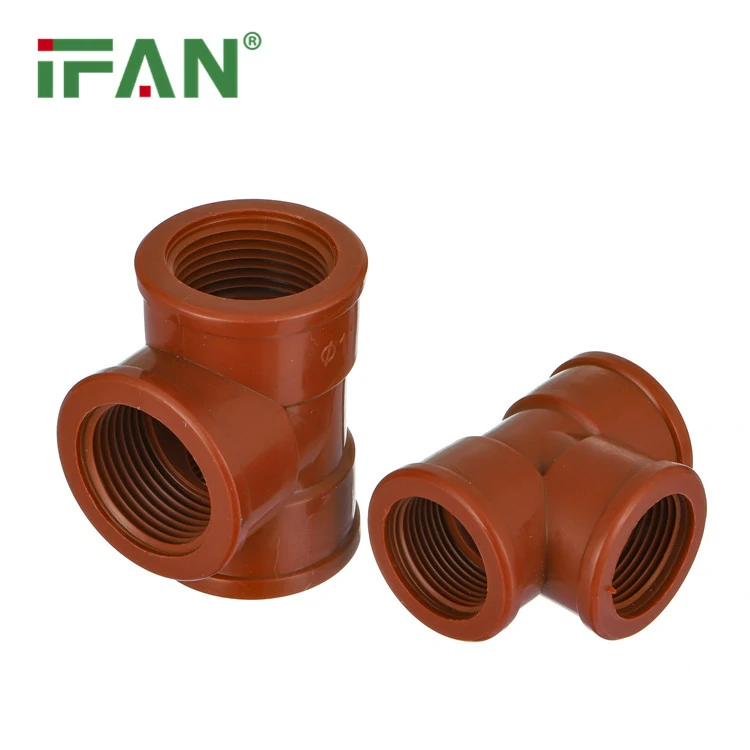
PPH fitting tees, crafted from polypropylene homopolymer (PPH), are essential components in piping systems that facilitate the branching of fluid flow. These fittings possess a unique three-way design, allowing for the connection of three pipes or fittings at a single point. The inherent properties of PPH make these tees an ideal choice for a diverse range of industrial and residential applications requiring efficient fluid distribution.
II. Key Material Characteristics of PPH Fitting Tees
- Durability and Strength: PPH fitting tees exhibit exceptional durability, capable of withstanding high pressures and temperatures without compromising structural integrity. This ensures reliable performance in demanding environments.
- Chemical Resistance: The material’s robust chemical resistance enables PPH fitting tees to safely convey a wide variety of fluids, including corrosive chemicals, without degrading or contaminating the fluid.
- Smooth Flow Characteristics: The smooth interior surfaces of PPH fitting tees minimize turbulence and friction, promoting efficient fluid flow and reducing energy consumption.
- Lightweight and Easy to Install: The lightweight nature of PPH makes these fitting tees easier to handle and install, reducing labor costs and installation time.
III. Versatile Applications of PPH Fitting Tees
PPH fitting tees find widespread use in numerous industries due to their unique design and material properties:
- Chemical Processing: Their chemical resistance and durability make them ideal for handling aggressive chemicals in industrial processing plants.
- Plumbing and Water Distribution: PPH fitting tees are commonly used in plumbing systems to distribute water efficiently throughout buildings.
- Food and Beverage Industry: The non-toxic and hygienic nature of PPH ensures safe fluid handling in food and beverage processing lines.
- Irrigation and Agricultural Systems: Their resistance to degradation from water and soil chemicals makes them suitable for use in irrigation networks and agricultural piping systems.
IV. Advantages Over Traditional Materials
Compared to traditional materials like metal or PVC, PPH fitting tees offer several advantages:
- Corrosion Resistance: Eliminates the need for costly corrosion prevention measures, reducing maintenance costs.
- Cost-Effectiveness: Long service life and low maintenance requirements lead to significant cost savings over time.
- Environmental Friendliness: PPH is recyclable, making PPH fitting tees a sustainable choice for piping systems.
- Flexibility and Versatility: The material’s adaptability to various environments and fluids makes PPH fitting tees suitable for a wide range of applications.