Title: The Advantages of CPVC Pipe Fittings in Construction
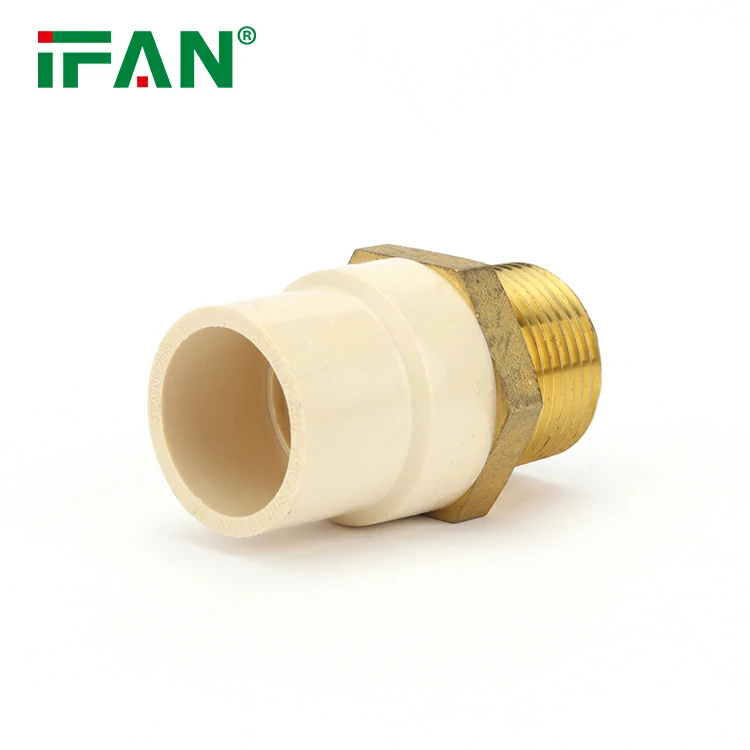
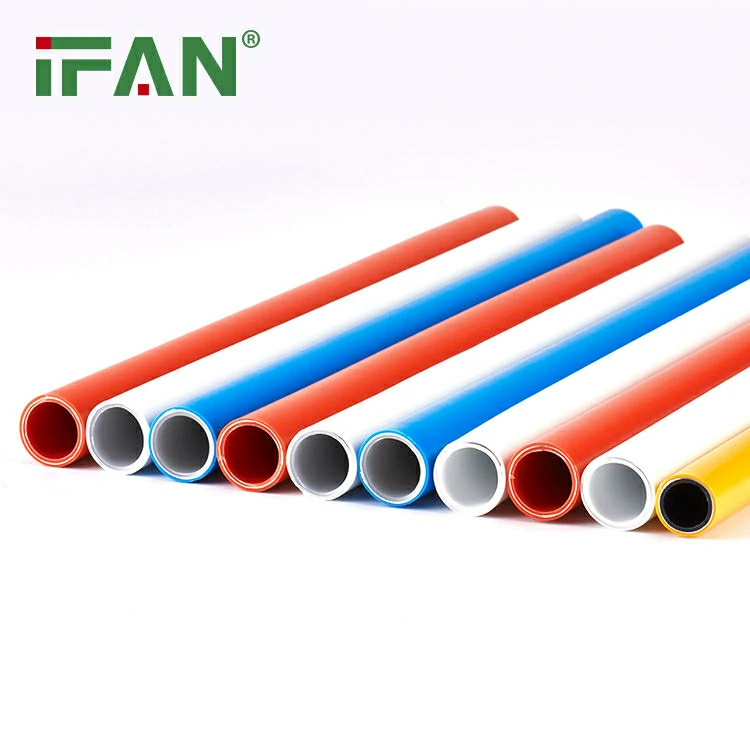
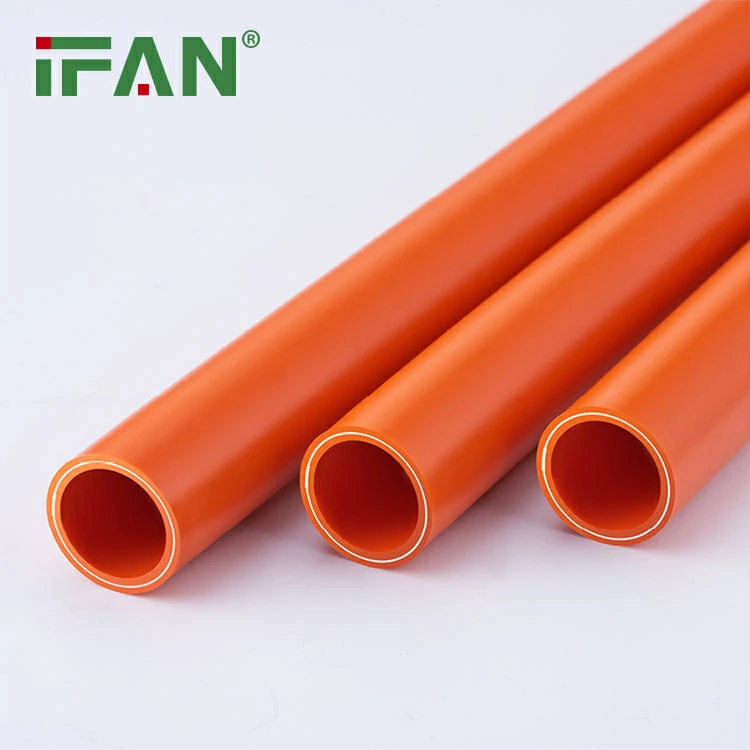
CPVC pipe fittings are changing the game in the construction industry by offering a long list of advantages over traditional piping systems. From durability to cost-effectiveness, here are the top benefits of using CPVC pipe fittings.
Durability
CPVC pipe fittings are incredibly durable and can withstand high temperatures and pressure. They are also resistant to corrosion, making them an ideal choice for water and sewage systems.
Ease of Installation
CPVC pipe fittings are easy to install due to their lightweight nature and simple joining techniques. They can be attached using solvent cement, which creates a strong bond between the fitting and pipe.
Reduced Costs
Using CPVC pipe fittings can lead to significant cost savings in the long run. They are affordable to purchase and require little maintenance, reducing the need for expensive repairs and replacements.
Versatility
CPVC pipe fittings can be used in a wide range of applications, from hot water heating systems to chemical and waste handling systems. They are also compatible with a variety of piping materials.
Reduced Risk of Leaks
Thanks to their excellent chemical resistance and tight sealing capabilities, CPVC pipe fittings reduce the risk of leaks and damage to property. They are also resistant to freeze damage, making them an ideal choice for cold weather applications.
Conclusion
There is no denying that CPVC pipe fittings are a game-changer in the construction industry. Their durability, ease of installation, versatility, and cost-effectiveness make them a go-to choice for contractors and builders. With their many benefits, it’s clear that CPVC pipe fittings are revolutionizing the way we approach plumbing and piping systems.
Meta-description: CPVC pipe fittings are a durable, versatile, and affordable choice for construction projects, offering benefits such as reduced costs and ease of installation.