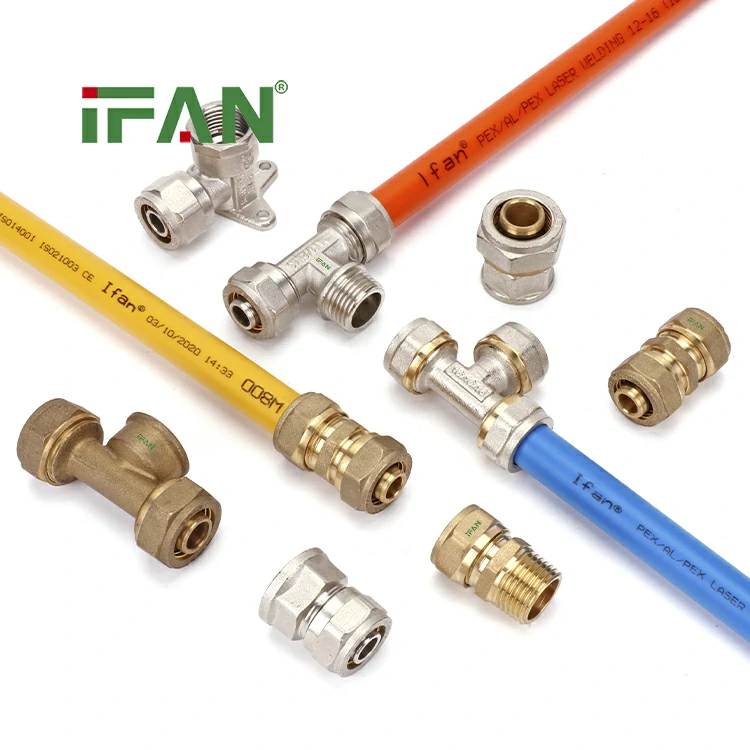
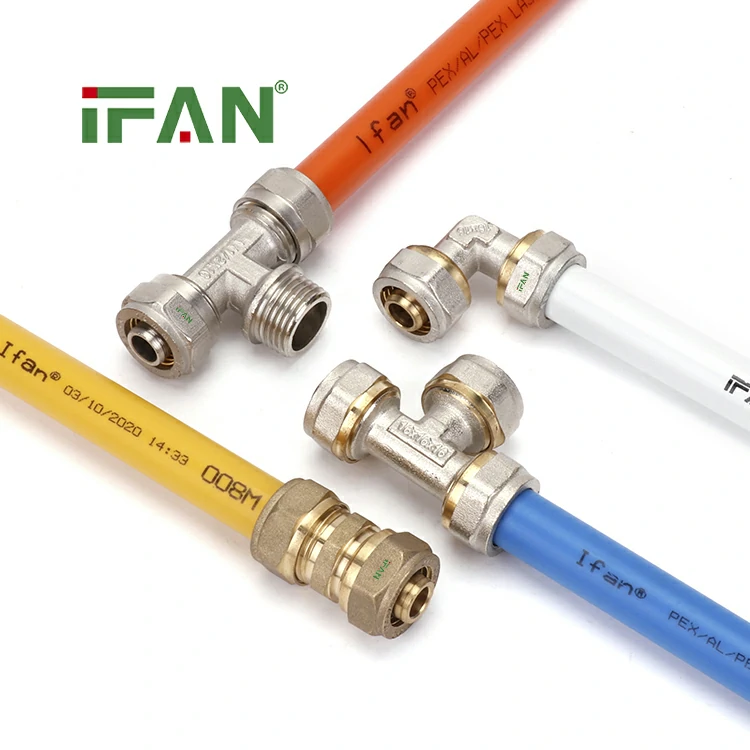
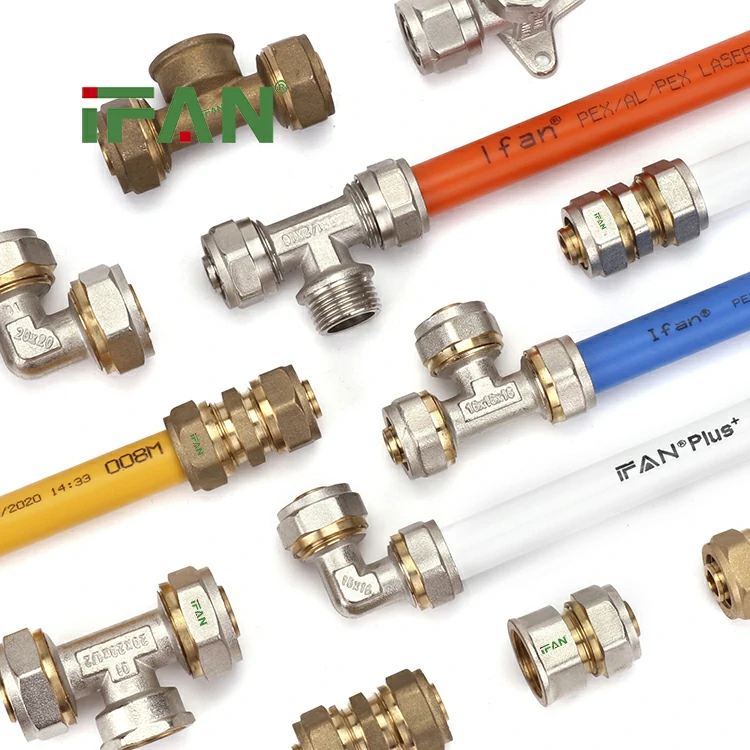
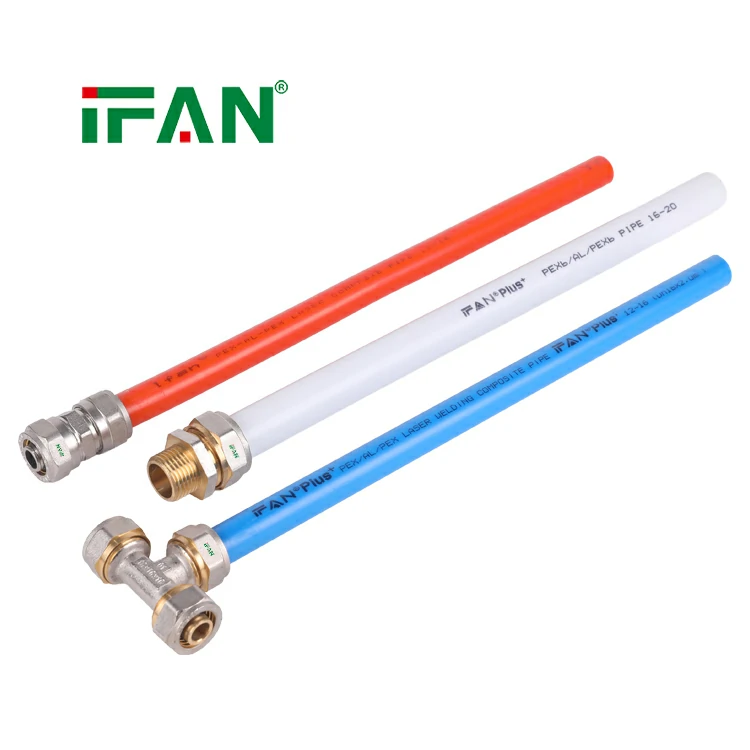
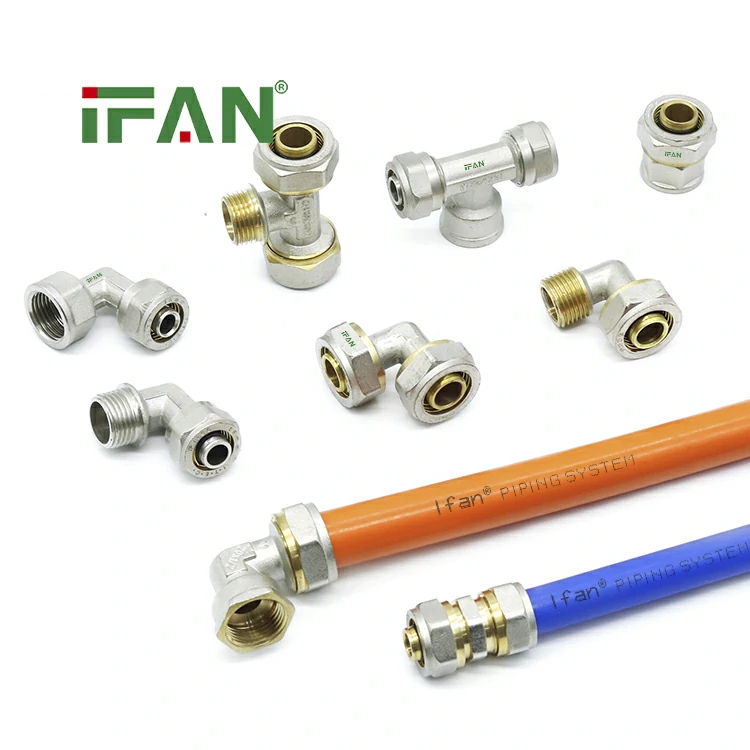
IFAN factory 30+ years manufacture experience support color /size customization support free sample.Welcome to consult for catalog and free samples.This is our Facebook Website:www.facebook.com,Click to watch IFAN’s product video.Compared with Tomex products, our IFAN products from quality to price are your best choice, welcome to buy!
When it comes to plumbing, ensuring the safety and integrity of your system is of utmost importance. One of the most popular materials used in modern plumbing systems is PEX piping, and the PEX compression fitting is a key component in connecting these pipes. However, like any plumbing installation, it is important to understand the safety considerations when working with PEX compression fittings. In this article, we will explore the necessary safety precautions, installation tips, and best practices to ensure a safe and efficient plumbing setup.
What Are PEX Compression Fittings?
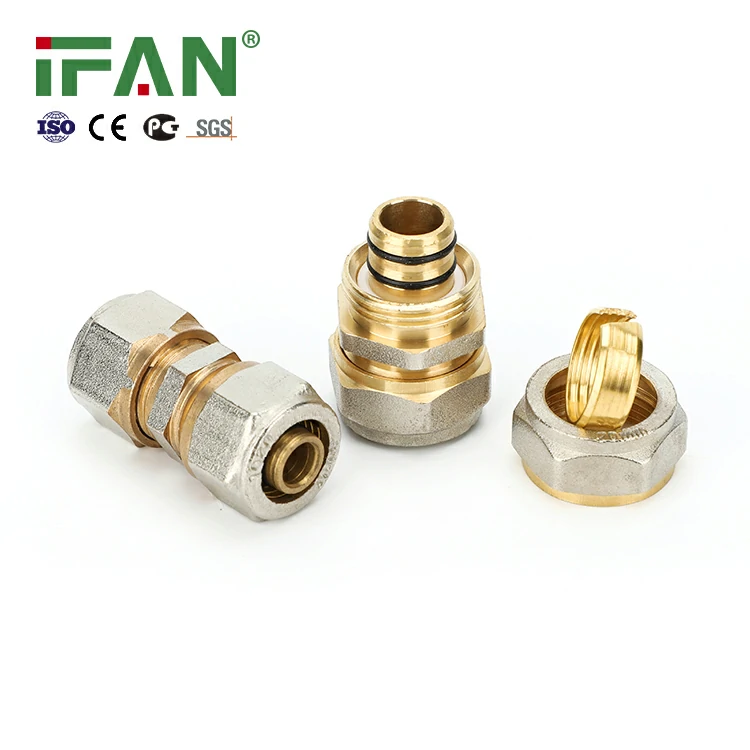
PEX compression fittings are mechanical connectors used to join PEX pipes to other plumbing components such as valves, faucets, or other pipes. These fittings work by using a compression nut, a compression ring (also known as a ferrule), and the body of the fitting. When the compression nut is tightened, the compression ring tightly seals the PEX pipe to the fitting, preventing leaks.
This method of connection is particularly popular because it does not require the use of heat or solder, making it more accessible to DIY homeowners and plumbers alike.
1. Proper Tools and Equipment
Before beginning any installation of PEX compression fittings, ensure you have the correct tools. Using the wrong tools can lead to poor installation, which can cause safety hazards such as water leaks or even burst pipes.
Tools You Will Need:
- PEX pipe cutter – for making precise cuts to the PEX tubing.
- Compression wrench – to tighten the compression nut securely without over-tightening.
- Deburring tool – for smoothing the edges of the cut PEX pipe, ensuring a proper seal.
Always use tools that are specifically designed for working with PEX to avoid damaging the material. Damaged pipes or fittings can compromise the entire plumbing system’s integrity.
2. Correct Sizing and Compatibility
Using the correct PEX compression fittings is essential for ensuring a safe and leak-free installation. PEX pipes come in different sizes, and it is crucial to match the fitting size with the pipe size. Mismatched fittings may result in a loose connection, leading to leaks or system failure.
Always check the manufacturer’s specifications for both the PEX pipes and compression fittings to ensure compatibility. Using PEX compression fittings designed for the specific type of pipe you are working with (such as PEX-A, PEX-B, or PEX-C) is also essential for optimal performance and safety.
3. Ensure Proper Installation Technique
One of the most common issues in PEX compression fittings installations is improper tightening of the compression nut. Tightening too much can crack the fitting or damage the PEX pipe, while insufficient tightening can lead to leaks.
Installation Tips:
- Insert the PEX pipe fully into the fitting, ensuring that the pipe reaches the end of the fitting body.
- Slide the compression ring onto the PEX pipe, and make sure it is positioned correctly before attaching the compression nut.
- Tighten the compression nut by hand, then use the wrench to make a few additional turns to ensure a secure fit. Be careful not to over-tighten.
Follow the manufacturer’s instructions for torque specifications, as over-tightening can damage the fitting or pipe, and under-tightening can lead to leaks.
4. Avoid Kinking or Crimping the PEX Pipe
When installing PEX compression fittings, ensure that the PEX pipe is not kinked or crimped. Kinks in PEX can create weak points in the pipe, leading to potential leaks or even bursts under pressure. If you notice a kink while working, it’s best to cut out that section of pipe and replace it.
Safety Tip:
When bending PEX pipes, use a proper bending tool or simply hand-bend the pipe around larger curves. Do not force the pipe into tight corners or angles.
5. Check for Leaks After Installation
Once your PEX compression fittings are installed, it’s crucial to check for any signs of leaks before finalizing the installation. Even a small leak can cause water damage over time and result in costly repairs. Turn on the water supply and check every connection for any signs of drips or moisture.
If you detect a leak, immediately turn off the water and check if the compression nut needs tightening or if the compression ring needs repositioning. If the fitting is damaged, replace it with a new one.
6. Temperature Considerations
PEX pipes are designed to withstand a wide range of temperatures, but extreme temperatures can still cause problems during installation. PEX pipes are highly resistant to freezing, but it’s still important to avoid exposing them to direct heat sources during installation.
While PEX compression fittings are generally not affected by the temperature in normal installations, exposing them to high heat during installation can damage the material. Always avoid using tools like blow torches or heat guns in proximity to PEX during installation.
Safety Tip:
If working in a high-heat environment, make sure the PEX compression fittings and pipes are cool to the touch before you begin installation.
7. Proper Storage and Handling of PEX Materials
Another important safety consideration is the storage and handling of PEX pipes and compression fittings before installation. PEX materials should be stored in a dry, cool area away from direct sunlight. Exposure to UV light can degrade PEX, reducing its effectiveness and leading to potential system failure. Always store PEX indoors or in a shaded area until installation.
Handling Tips:
- Avoid dragging PEX pipes across rough surfaces, as it can scratch or damage the material.
- Keep PEX compression fittings in their original packaging until ready to use, to prevent dirt or debris from contaminating the internal threads.
8. Adherence to Local Codes and Regulations
Before beginning any plumbing project, be sure to consult with local plumbing codes to ensure compliance with safety standards. Some regions may have specific regulations regarding the use of PEX pipes and fittings, such as restrictions on certain types of fittings or requirements for certain materials in specific applications (like potable water systems).
Compliance with local codes is crucial for ensuring that your installation is safe, legal, and up to the required standards. Additionally, following code requirements ensures the long-term durability of your PEX compression fittings installation.
Conclusion
Proper installation of PEX compression fittings is essential for ensuring a safe, efficient, and leak-free plumbing system. By following the proper procedures, using the correct tools, and adhering to safety guidelines, you can minimize the risk of issues and ensure the longevity of your plumbing system. Whether you are a DIY enthusiast or a professional plumber, understanding the safety considerations when installing PEX compression fittings will help you achieve the best results for your plumbing projects.
Frequently Asked Questions (FAQ)
- What tools are required for installing PEX compression fittings?
To install PEX compression fittings, you’ll need a PEX pipe cutter, a compression wrench, and a deburring tool to ensure clean and smooth pipe edges. - Can I reuse PEX compression fittings?
It’s not recommended to reuse PEX compression fittings. Over time, the compression ring may lose its ability to form a secure seal, leading to leaks. Always replace the ring and check the fitting for wear. - How can I prevent kinks in my PEX pipes during installation?
Avoid forcing the PEX pipe into tight angles. Use a proper bending tool or hand-bend the pipe slowly to prevent damaging it. If you encounter a kink, replace that section of pipe. - Is it safe to install PEX compression fittings in high-temperature environments?
While PEX is designed to handle a wide range of temperatures, extreme heat can damage both the PEX pipe and the compression fitting. Avoid exposing the materials to direct heat sources during installation. - How do I check for leaks after installing PEX compression fittings?
After installation, turn on the water supply and carefully check each connection for signs of leaks. If a leak is detected, check the compression nut for proper tightness, and if necessary, replace the fitting.