Introduction
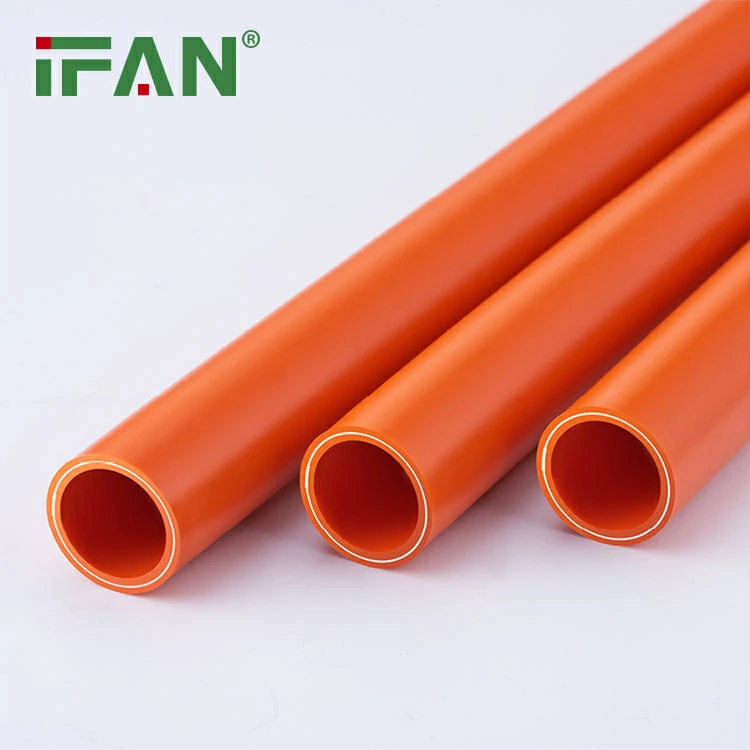
As the plumbing industry evolves, the environmental impact of materials used in plumbing systems has come under scrutiny. PEX (crosslinked polyethylene) pipes, while popular for their flexibility and durability, pose significant recycling challenges. Unlike some other materials, PEX is hard to recycle due to its chemical structure. However, recent advancements in chemical recycling technologies are providing new solutions for managing PEX waste. This article will explore the recycling challenges associated with PEX pipes, the innovations in chemical recycling, and how PPR (Polypropylene Random Copolymer) pipes offer a more sustainable alternative in plumbing applications.
Understanding PEX Pipes
What are PEX Pipes?
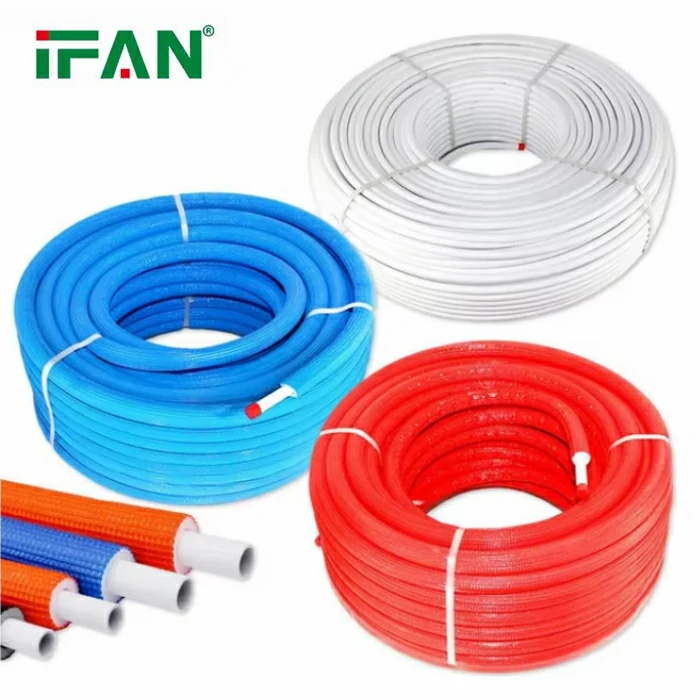
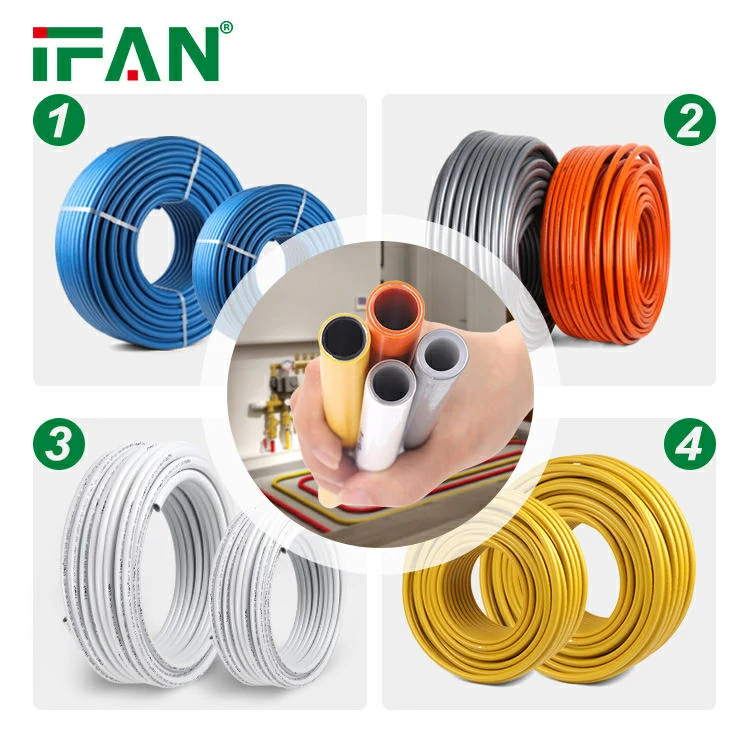
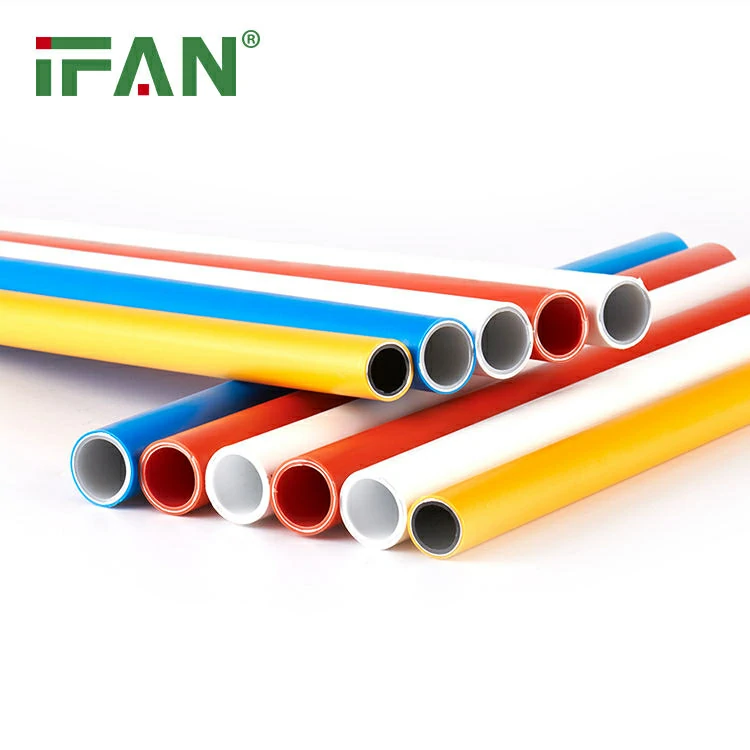
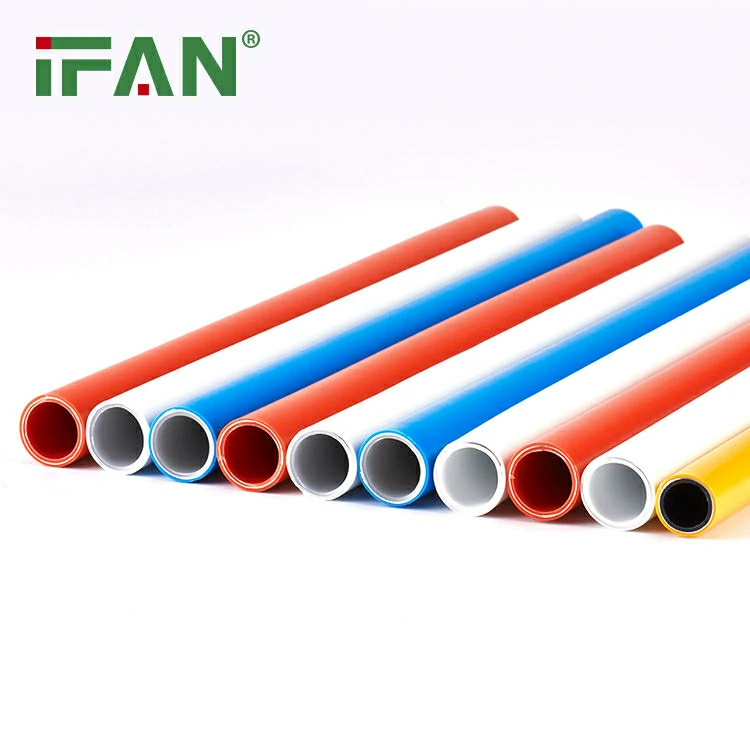
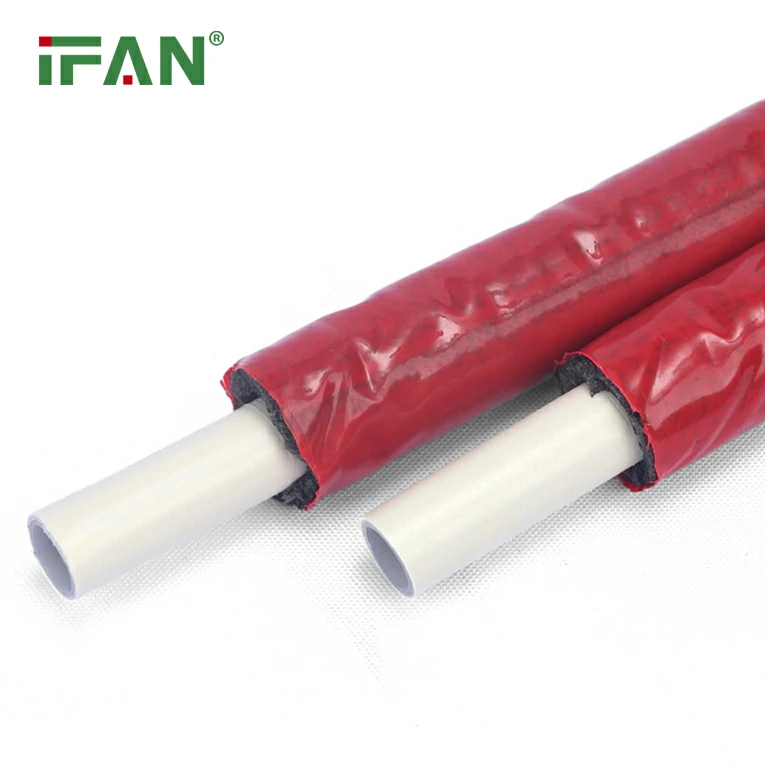
PEX pipes are flexible plastic piping systems made from crosslinked polyethylene. They are widely used in residential and commercial plumbing due to their resistance to corrosion, ease of installation, and thermal efficiency. PEX is particularly favored for hot and cold water distribution systems, radiant heating, and even fire protection systems.
Advantages of PEX Pipes
- Flexibility: PEX can be easily bent and shaped, reducing the need for joints and fittings, which can lead to fewer leak points.
- Corrosion Resistance: Unlike metal pipes, PEX does not corrode, ensuring a longer lifespan and lower maintenance costs.
- Thermal Insulation: PEX retains heat well, which can lead to energy savings in hot water applications.
- Reduced Noise: The material dampens sound, resulting in quieter plumbing systems compared to traditional metal pipes.
- Cost-Effectiveness: PEX is generally more affordable than alternatives like copper, making it a popular choice for contractors and homeowners.
The Recycling Challenge of PEX Pipes
Why is PEX Hard to Recycle?
Despite its advantages, the recyclability of PEX pipes is limited due to their crosslinked structure. This crosslinking, which enhances the material’s performance characteristics, also makes it difficult to revert to its original form during the recycling process. Traditional mechanical recycling methods are often ineffective because they cannot break down the crosslinked bonds, leading to a significant amount of PEX waste ending up in landfills.
Environmental Impact
The environmental implications of PEX waste are concerning. As PEX pipes accumulate in landfills, they contribute to the growing problem of plastic pollution. Moreover, the production of PEX pipes involves the use of fossil fuels, which adds to their carbon footprint. Therefore, finding sustainable solutions for PEX waste management is crucial for reducing its environmental impact.
Innovations in Chemical Recycling
What is Chemical Recycling?
Chemical recycling is an innovative process that breaks down plastic waste into its original monomers or other useful chemicals. This method allows for the recycling of materials that are traditionally difficult to process, such as PEX. By converting PEX into its base components, chemical recycling can potentially create new PEX or other valuable products.
Recent Advancements
Recent advancements in chemical recycling technologies have shown promise in addressing the challenges associated with PEX waste. Some key developments include:
- Depolymerization: This process involves breaking the crosslinked structure of PEX into smaller molecules. Researchers are exploring various catalysts and conditions to optimize this process for efficiency and effectiveness.
- Pyrolysis: Pyrolysis is a thermal decomposition process that can convert PEX waste into oil or gas. This method not only reduces waste but also creates valuable energy resources that can be used in various applications.
- Solvolysis: This method involves using solvents to dissolve PEX and separate the components. Solvolysis has shown potential in recovering valuable materials from PEX waste, contributing to a circular economy.
Benefits of Chemical Recycling
The benefits of chemical recycling for PEX pipes are significant:
- Waste Reduction: Chemical recycling can significantly reduce the amount of PEX waste that ends up in landfills, mitigating its environmental impact.
- Resource Recovery: By converting PEX waste into valuable materials, chemical recycling supports the creation of a circular economy where resources are reused and repurposed.
- Lower Carbon Footprint: Chemical recycling can help reduce the carbon footprint associated with the production of new PEX pipes, as it utilizes existing materials rather than relying solely on virgin resources.
PPR Pipes: A Sustainable Alternative
What are PPR Pipes?
PPR (Polypropylene Random Copolymer) pipes are another type of plastic piping used in plumbing applications. Known for their excellent chemical resistance and thermal insulation properties, PPR pipes are suitable for both hot and cold water systems.
Advantages of PPR Pipes
- Recyclability: Unlike PEX, PPR pipes are easier to recycle. They can be mechanically recycled without the complications associated with crosslinking, making them a more sustainable option for plumbing systems.
- Chemical Resistance: PPR pipes are resistant to a wide range of chemicals, making them ideal for various applications, including potable water systems.
- Longevity: PPR pipes have a long lifespan, often exceeding 50 years, which reduces the need for frequent replacements and minimizes waste.
- Thermal Insulation: PPR provides excellent thermal insulation, helping to maintain the temperature of the water flowing through it.
- Lightweight and Easy to Handle: PPR pipes are lightweight, which simplifies transportation and installation.
Environmental Benefits of PPR Pipes
The use of PPR pipes in plumbing systems offers several environmental benefits:
- Reduced Plastic Waste: By opting for PPR over PEX, contractors and homeowners can contribute to reducing plastic waste, as PPR is more easily recyclable.
- Sustainable Production: The production of PPR pipes is generally less resource-intensive compared to PEX, leading to a lower overall environmental impact.
- Energy Efficiency: PPR pipes’ thermal insulation properties can lead to energy savings in hot water applications, contributing to a more sustainable plumbing system.
Conclusion
As the plumbing industry grapples with the challenges posed by PEX pipes, the advancements in chemical recycling offer a glimmer of hope for managing PEX waste. However, the inherent difficulties in recycling PEX highlight the importance of considering alternative materials like PPR pipes. With their superior recyclability, chemical resistance, and overall sustainability, PPR pipes present a viable solution for modern plumbing applications. By embracing innovative recycling technologies and sustainable materials, the plumbing industry can move towards a more environmentally friendly future.
Frequently Asked Questions (FAQs)
1. What are PEX pipes used for?
PEX pipes are primarily used for hot and cold water distribution in residential and commercial plumbing systems, as well as radiant heating and fire protection systems.
2. Why are PEX pipes hard to recycle?
PEX pipes are hard to recycle due to their crosslinked structure, which makes it difficult to break down the material using traditional recycling methods.
3. What is chemical recycling?
Chemical recycling is a process that breaks down plastic waste into its original monomers or other useful chemicals, allowing for the recycling of materials that are traditionally difficult to process.
4. What are the advantages of PPR pipes over PEX pipes?
PPR pipes are easier to recycle, have excellent chemical resistance, a longer lifespan, and provide better thermal insulation compared to PEX pipes.
5. How can I ensure my plumbing system is environmentally friendly?
To ensure an environmentally friendly plumbing system, consider using sustainable materials like PPR pipes, explore options for chemical recycling of PEX waste, and prioritize energy-efficient fixtures and appliances.