Introduction
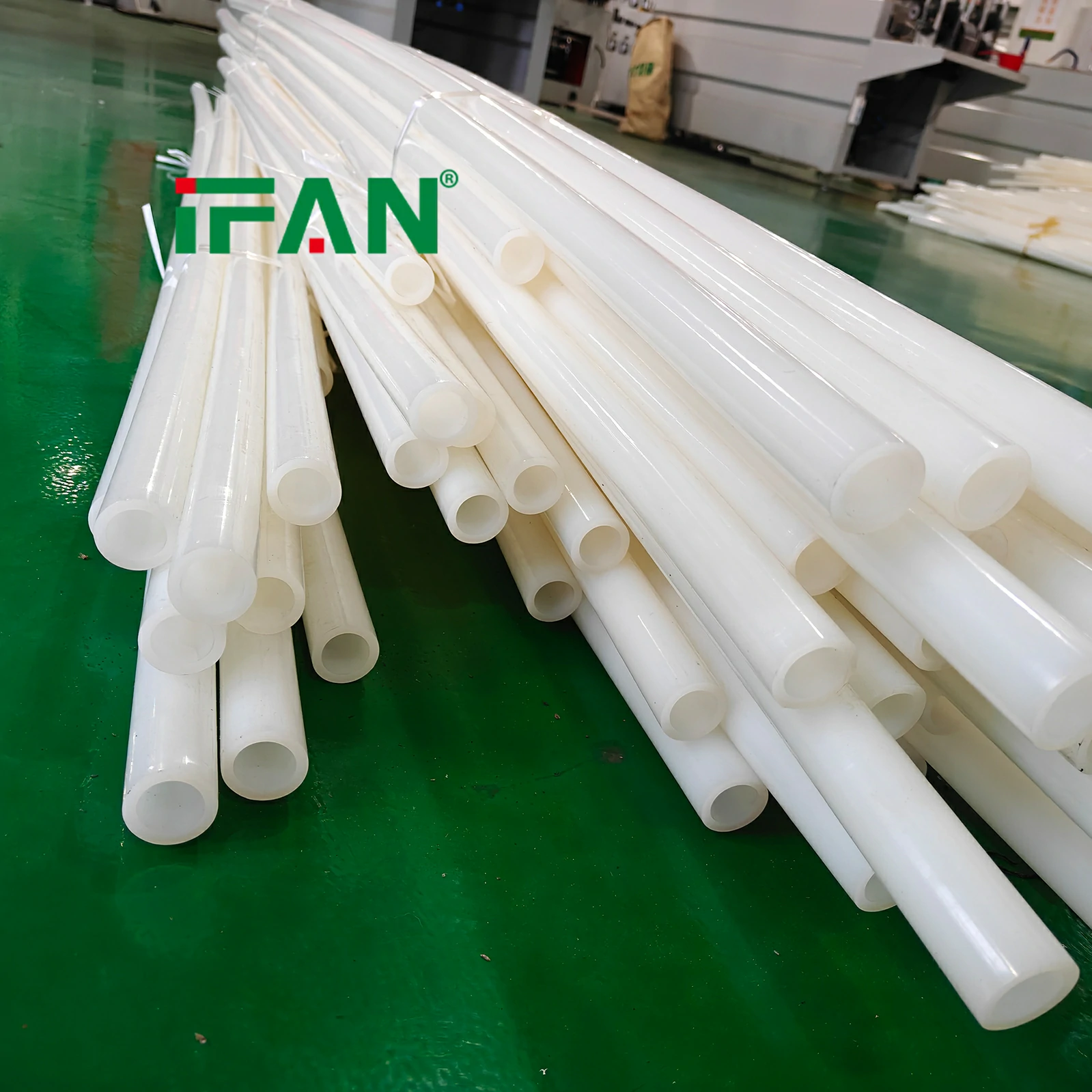
In any complex system, certain components are celebrated for their visibility, while others, though equally vital, work diligently in the background. In the world of modern plumbing and industrial piping, the PPR fitting is precisely that—an unsung hero. While PPR (Polypropylene Random Copolymer) pipes often take center stage, it is the PPR fitting that directs, controls, and connects the entire network. This humble component is the linchpin that transforms individual pipes into a cohesive, high-performing system. This article delves into the world of the PPR fitting, exploring its fundamental importance, the science behind its seamless connections, and why it is the critical determinant of a system’s long-term success.
What Exactly is a PPR Fitting?
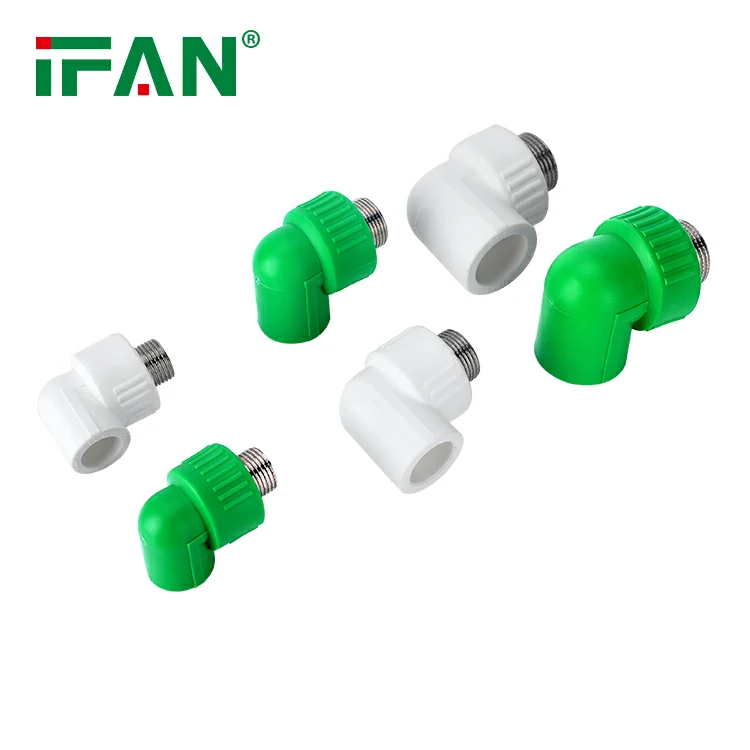
The PPR fitting is a connector manufactured from Polypropylene Random Copolymer, designed specifically to join sections of PPR pipe. It is not a single item but a family of components, each with a distinct purpose. This family includes elbows (for 90° and 45° turns), tees (for creating branches), couplings (for straight connections), reducers (for joining different pipe sizes), and valves (for controlling flow). What unites them all is their material composition and their method of connection: heat fusion. Unlike threaded or glued joints, the PPR fitting is designed to be permanently welded to the pipe, creating a bond that is as strong as the pipe itself.
The Anatomy of a Perfect Connection: Why the PPR Fitting Wins
The superiority of the PPR fitting lies in the physics of its connection. Traditional methods have inherent weaknesses. Threaded fittings can corrode and leak over time. Solvent-cement joints rely on chemical adhesion, which can degrade. The PPR fitting, however, utilizes a thermal process that creates a monolithic structure.
The process involves using a dedicated welding machine to simultaneously heat the end of the PPR pipe and the socket of the PPR fitting to a precise temperature (typically around 260°C). Once the material becomes soft and molten, the pipe is inserted into the fitting and held steady as it cools. The resulting joint is not just a connection; it is a single, homogeneous piece of polypropylene. This fusion eliminates the risk of leaks at the joint—the most common point of failure in piping systems—and ensures the integrity of the entire line.
Key Advantages That Make the PPR Fitting Indispensable
Choosing a system built around the PPR fitting offers a multitude of benefits that extend far beyond a simple leak-free guarantee.
- Unmatched Durability: PPR is inherently resistant to chemical corrosion and scale build-up. The PPR fitting will not rust, pit, or corrode, even when transporting aggressive water or chemicals, ensuring a service life exceeding 50 years.
- Hygienic and Safe: Made from food-grade, non-toxic materials, the PPR fitting is ideal for potable water systems. Its smooth inner surface prevents bacterial growth and maintains water purity from source to tap.
- Thermal Resistance and Insulation: The PPR fitting can withstand continuous hot water temperatures up to 70°C, with a peak tolerance of 95°C. Furthermore, PPR has low thermal conductivity, meaning it retains heat in hot water lines and prevents condensation on cold water lines, improving energy efficiency.
- Cost-Effectiveness: While the initial investment might be comparable to other materials, the long-term savings are substantial. The minimal maintenance, lack of repairs, and incredibly long lifespan of systems using the PPR fitting make it the most economical choice over time.
The Different Types of PPR Fittings and Their Roles
Understanding the variety of PPR fittings is key to designing an effective system. Each type serves a specific function:
- Elbows: Change the direction of the pipeline.
- Tees: Split or combine flow from different directions.
- Couplings: Connect two pipes of the same diameter in a straight line.
- Reducers: Connect pipes of different diameters.
- Valves: (PPR ball valves) Allow for flow control within the system.
- Union Fittings: Allow for sections of the system to be disconnected if necessary.
- Adapter Fittings: Enable connection to other piping systems, such as copper threads.
Conclusion: The Foundation of a Reliable System
In conclusion, to focus solely on the pipe is to miss the point of a modern piping system. The PPR fitting is not an accessory; it is the foundational element that dictates the system’s performance, safety, and longevity. Its innovative heat-fusion joining method represents a paradigm shift in plumbing technology, moving away from temporary fixes toward permanent solutions. By ensuring a seamless, robust, and hygienic network, the PPR fitting secures the flow of water and the integrity of the infrastructure itself. For any project demanding reliability, specifying a system built with high-quality PPR fittings is the definitive choice for a sustainable future.
Frequently Asked Questions (FAQ)
1. What is the main difference between a PPR fitting and a PVC fitting?
The key differences are temperature resistance and the joining method. The PPR fitting is designed for hot and cold water (up to 95°C) and uses heat fusion. PVC fittings are typically for cold water only and use solvent cement for connection, which is not as strong as a fused joint.
2. Can I connect a PPR fitting to an existing copper pipe?
Yes, this is possible using a special transition fitting. This fitting has a PPR socket on one end for heat fusion and a threaded copper connection on the other end, allowing for a secure connection between the two different materials.
3. How long does it take to install a PPR fitting?
The actual fusion process is very quick. Heating takes a few seconds (depending on pipe diameter), and the joint sets in minutes. The speed of installation is a major advantage, significantly reducing labor time compared to threading or soldering.
4. Are PPR fittings resistant to chlorine in water?
Yes, high-quality PPR fittings have excellent resistance to chlorine and other chemicals commonly found in water supplies, which contributes to their long service life and ability to maintain water quality.
5. Do I need a professional to install PPR fittings?
While the process is simpler than traditional methods, achieving a perfect, reliable joint requires the correct tool (a socket fusion welder) and proper technique. For any permanent plumbing system, it is highly recommended to hire a trained professional to ensure the integrity of all connections.