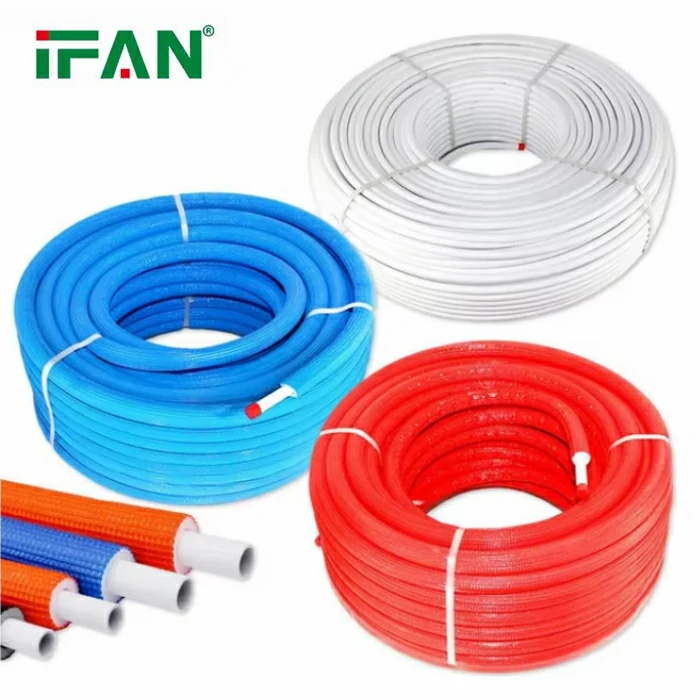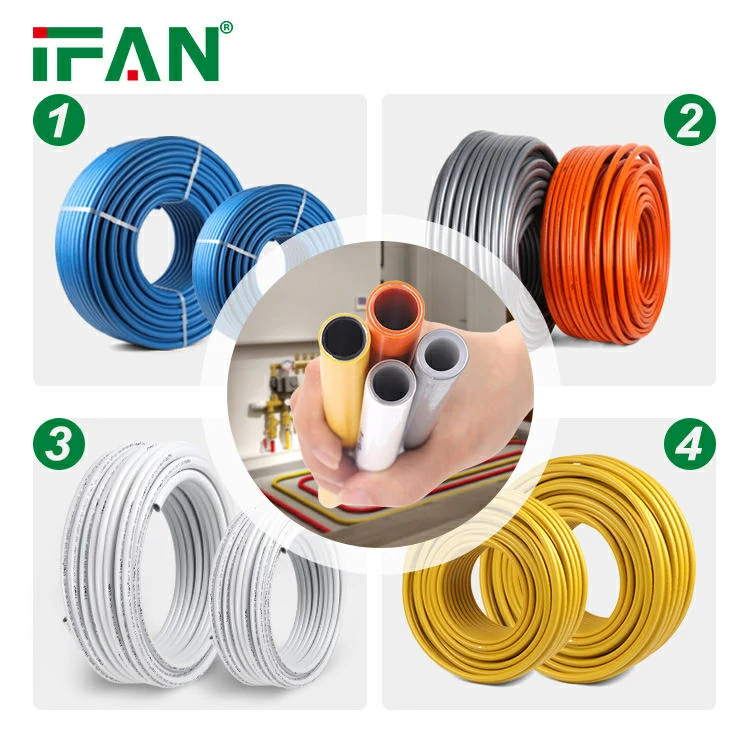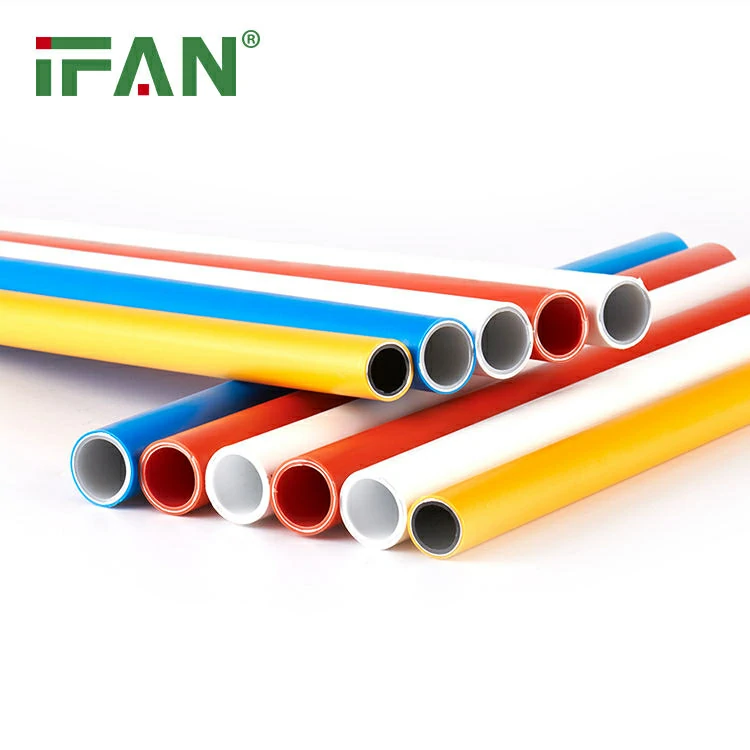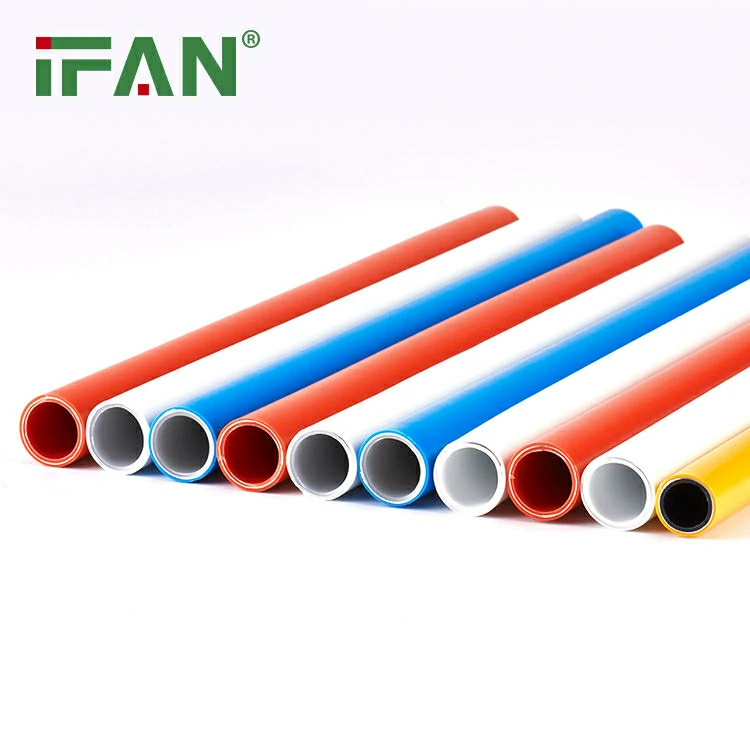
Underfloor heating is becoming a popular choice for modern residential and commercial buildings. It provides even heat across the floor and creates a comfortable indoor environment. However, the performance of a radiant floor heating system depends heavily on the quality of its heating pipes.
A multilayer aluminum pipe is one practical option for hydronic underfloor heating. It combines the flexibility of plastic with the strength of an aluminum layer. This structure helps the pipe handle heat, pressure, and long-term use. For installers and distributors, it can also provide a reliable solution for different floor heating projects.
What Is a Multilayer Aluminum Pipe?
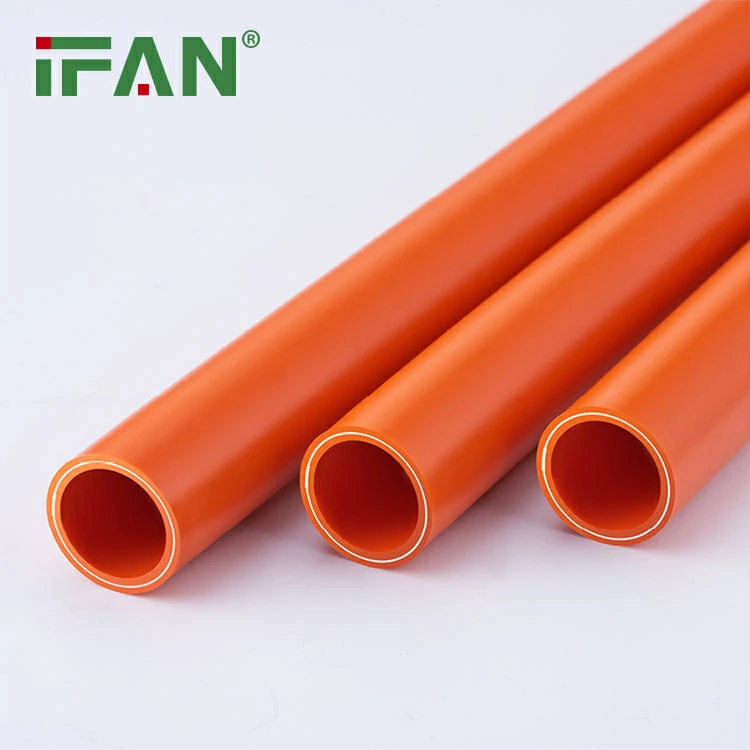
A multilayer aluminum pipe is made from several bonded layers. A common structure includes an inner plastic layer, an aluminum layer, and an outer plastic layer. PEX-AL-PEX is a widely used example of this pipe construction.
The inner layer carries the heating water. The aluminum layer provides additional strength and dimensional stability. The outer layer protects the pipe from external conditions during installation and operation.
This combination creates a pipe with useful properties for radiant heating applications. It can remain flexible while offering better structural support than many single-layer plastic pipes.
Why Use Multilayer Aluminum Pipe for Underfloor Heating?
Radiant floor heating requires pipes that can operate continuously under controlled temperature and pressure. The pipe is usually installed below the floor surface. Therefore, replacement can be difficult after construction is completed.
Multilayer aluminum pipe offers several advantages for this application.
First, the aluminum layer improves dimensional stability. The pipe is less likely to change shape significantly when temperature conditions vary.
Second, the multilayer structure provides good mechanical strength. This is useful when pipes are installed across large floor areas.
Third, the pipe can offer a good balance between flexibility and rigidity. Installers can bend it around floor layouts without using excessive fittings.
These features make multilayer pipe suitable for many hydronic radiant floor heating systems.
Aluminum Layer and Oxygen Barrier Performance
Oxygen control is an important consideration in closed-loop heating systems. Oxygen entering the system can contribute to corrosion of metal components. These components may include boilers, pumps, valves, and metal manifolds.
The aluminum layer in a multilayer pipe can help reduce oxygen permeability. This characteristic makes the pipe suitable for heating applications where oxygen protection is important.
For a complete heating system, pipe selection should still match the requirements of the boiler, manifold, fittings, and other components. Proper installation also plays an important role in system performance.
PEX-AL-PEX Pipe for Radiant Floor Heating
PEX-AL-PEX pipe is commonly considered for underfloor heating because of its multilayer construction. The PEX layers provide flexibility and chemical resistance. The aluminum layer adds strength and helps maintain the pipe shape.
This combination can simplify installation in rooms with complex layouts. The pipe can be routed around walls, corners, and other areas while maintaining a controlled installation path.
PEX-AL-PEX pipe is also available in different sizes. Common sizes can be selected according to system design, flow requirements, and installation conditions.
For large projects, selecting the correct pipe diameter is essential. A professional heating system designer should calculate the required flow rate and pressure loss before installation.
Benefits for Underfloor Heating Installation
Installation efficiency is another reason to consider multilayer aluminum pipe.
The pipe can often be supplied in long coils. This reduces the number of joints required across a floor heating circuit. Fewer joints can also reduce potential connection points.
The pipe’s flexibility allows installers to create regular heating loops. Consistent spacing can help distribute heat more evenly across the floor.
The aluminum layer also helps the pipe retain its intended shape after bending. This can make the installation process easier, especially when accurate pipe positioning is required.
However, installers should always follow the manufacturer’s bending radius and installation instructions. Excessive bending can damage the pipe structure.
Heat Resistance and Pressure Performance
A heating pipe must withstand repeated heating and cooling cycles. Water temperature can change as the heating system starts and stops. The pipe therefore needs suitable temperature and pressure performance.
Multilayer aluminum pipe is designed with multiple materials that work together. The plastic layers provide resistance to the heating medium. The aluminum layer supports the pipe structure.
Actual temperature and pressure ratings depend on the pipe material, construction, dimensions, and applicable standards. Buyers should check technical specifications before selecting a product.
For commercial and residential projects, choosing certified pipe products can also help meet local installation requirements.
Multilayer Pipe vs. Single-Layer Plastic Pipe
Both multilayer and single-layer plastic pipes can be used in plumbing and heating systems. Their structures, however, are different.
A multilayer pipe contains an aluminum layer between polymer layers. This provides additional rigidity and dimensional stability.
A single-layer plastic pipe normally has a simpler construction. It can be highly flexible, bu