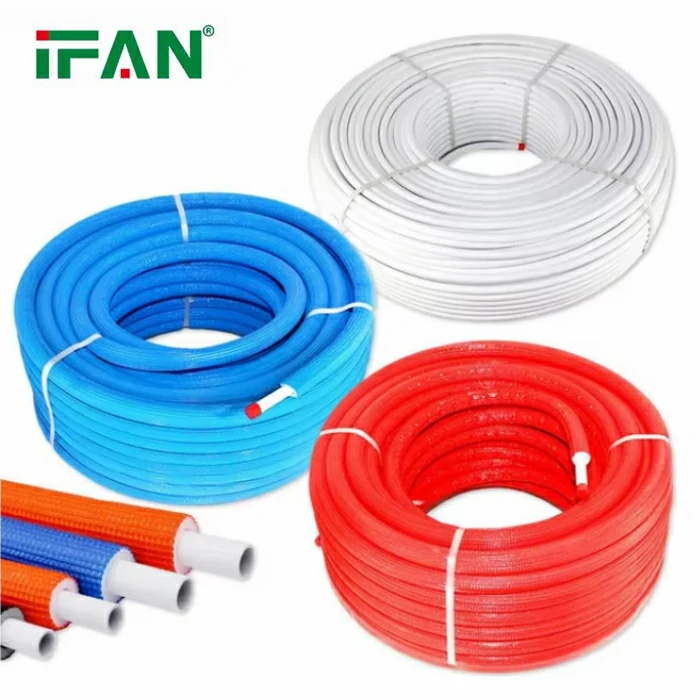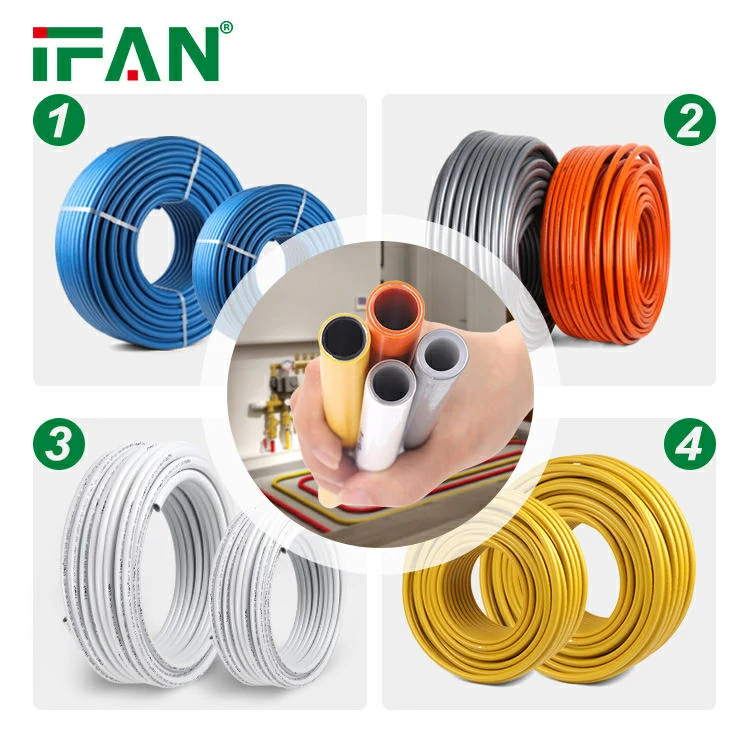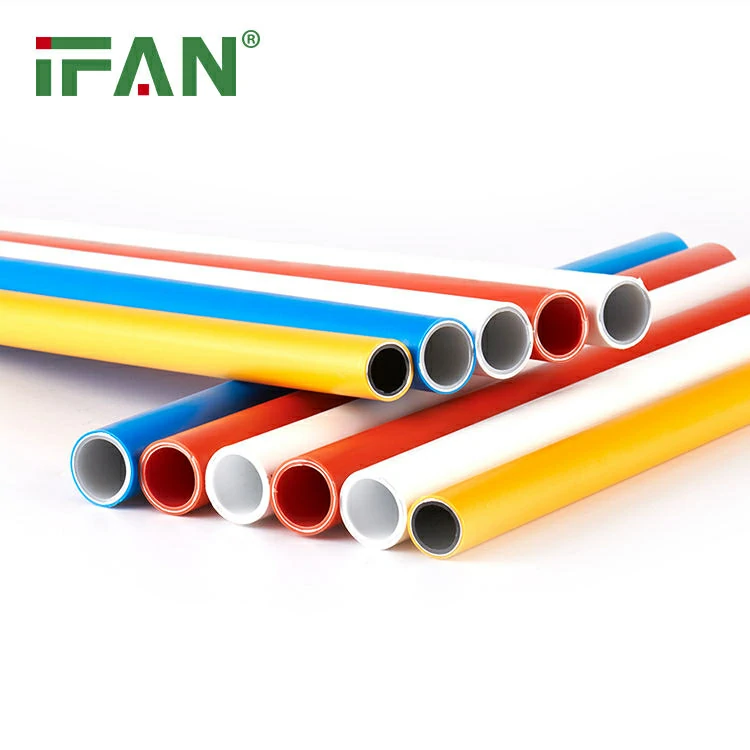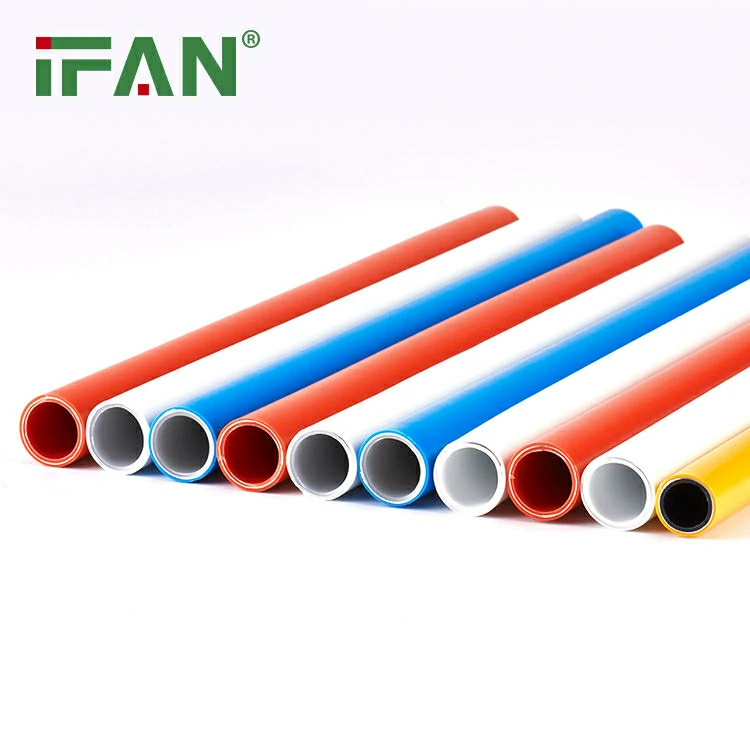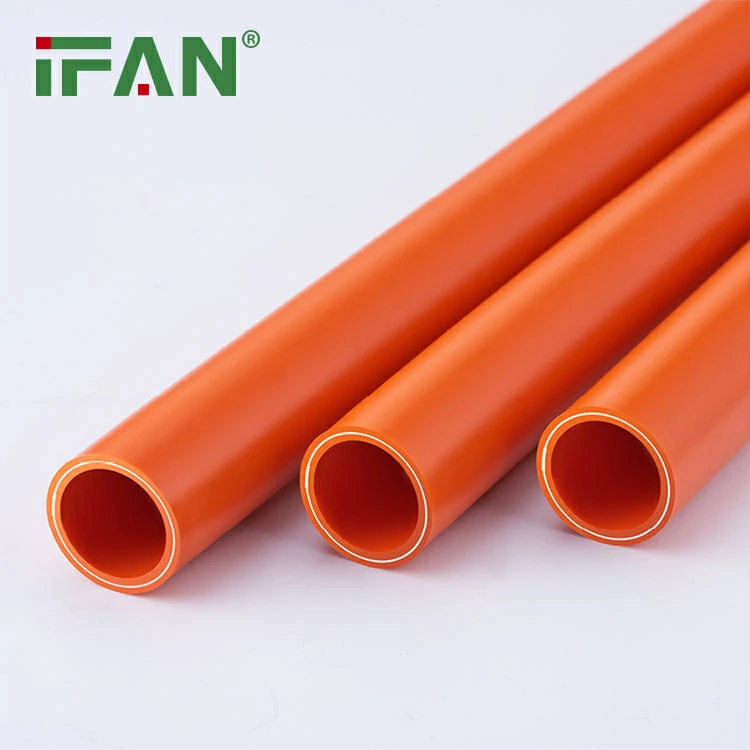
Radiant heating is becoming a practical choice for modern homes and commercial buildings. It provides steady heat across a room without relying on strong air circulation. For hydronic radiant heating systems, the pipe plays an important role in overall performance. A multilayer aluminum pipe for radiant heating systems combines the flexibility of plastic with the strength and stability of an aluminum layer.
This pipe structure is designed for hot water circulation. It can handle temperature changes during daily heating cycles. The aluminum layer also helps the pipe keep its shape during installation. As a result, multilayer pipe systems are widely used in underfloor heating, wall heating, and other hydronic applications.
What Is a Multilayer Aluminum Pipe?
A multilayer aluminum pipe normally consists of several bonded layers. The main materials are usually plastic and aluminum. Depending on the pipe design, the plastic layers may use PEX, PE-RT, or other suitable polymers.
The aluminum layer is positioned between plastic layers. It is bonded through a controlled manufacturing process. This construction creates a pipe with different material properties working together.
Plastic provides corrosion resistance and smooth internal flow. Aluminum adds mechanical strength and dimensional stability. The combination makes the pipe suitable for many hot water applications.
For radiant heating projects, this structure offers several useful advantages. It can reduce pipe movement during installation. It can also provide more predictable bending performance.
Why Use Multilayer Aluminum Pipe for Radiant Heating?
Radiant heating systems require reliable pipes for continuous hot water circulation. The pipe is installed below floors, inside walls, or in other concealed areas. Therefore, long-term stability is an important consideration.
A multilayer aluminum pipe for radiant heating can provide several practical benefits.
First, the aluminum layer improves dimensional stability. The pipe is less likely to expand freely compared with some single-layer plastic pipes.
Second, the pipe can be bent into different shapes during installation. This is useful when installers need to follow a specific heating layout.
Third, the smooth inner surface helps maintain efficient water flow. Lower internal resistance can support consistent circulation through heating loops.
The pipe can also provide a useful balance between flexibility and rigidity. This makes it easier to handle while maintaining its installed shape.
Multilayer Pipe Structure and Aluminum Layer
The aluminum layer is one of the main features of a multilayer heating pipe. It works as a structural layer between the polymer materials.
During manufacturing, the aluminum layer is formed to the required diameter. It is then bonded with the inner and outer plastic layers. High-quality bonding is important because the layers need to work together throughout the service life of the pipe.
The thickness and design of the aluminum layer can vary by product. Different heating systems may require different pipe specifications.
A properly manufactured pipe should have consistent wall thickness. The aluminum layer should also remain evenly positioned around the pipe.
These factors can affect bending performance, pressure resistance, and long-term reliability.
Benefits for Underfloor Heating Systems
Underfloor heating is one of the most common applications for multilayer aluminum pipes. The pipe is usually installed in a planned circuit beneath the finished floor.
Warm water travels through the pipe and transfers heat to the surrounding floor structure. The floor then releases heat gradually into the room.
A multilayer pipe can be useful in this application because it can maintain its shape after bending. Installers can create heating loops with fewer unwanted movements.
The pipe is also suitable for different installation layouts. These include serpentine patterns and spiral layouts.
Good pipe spacing is important for achieving balanced heat distribution. The exact spacing should be selected according to the building structure and heating requirements.
Temperature and Pressure Resistance
Heating systems operate under repeated temperature changes. Water temperature rises when the heating system starts and falls when the system stops.
This thermal cycling places stress on piping materials. A suitable multilayer pipe should therefore be designed for the expected operating temperature and pressure.
The aluminum layer can help control thermal expansion. The polymer layers provide corrosion resistance and protect the internal water path.
However, performance depends on the complete pipe construction. Material selection, aluminum thickness, bonding quality, and production control all matter.
Installers should always check the technical specifications before selecting a pipe for a particular heating system.
Installation of Multilayer Aluminum Heating Pipe
Installation is another reason why multilayer aluminum pipes are widely considered for radiant heating.
The pipe can generally be supplied in coils. This allows installers to create long heating circuits with fewer connections.
Fewer joints can simplify installation and reduce potential connection points. Proper bending tools should be used when required by the pipe manufacturer.
The pipe should not be bent below its recommended minimum bending radius. Excessive bending can damage the pipe structure or affect its long-term performance.
Before covering the heating pipes, installers should also perform the required pressure test. This helps identify possible installation problems before the floor structure is completed.
Multilayer Aluminum Pipe vs. Standard Plastic Pipe
Both multilayer and single-layer plastic pipes can be used in heating applications. Their construction and performance characteristics are different.
Standard plastic pipe is often lightweight and flexible. It can be convenient for large heating installations.
Multilayer aluminum pipe adds an aluminum structural layer. This can improve dimensional stability and reduce thermal expansion.
The choice depends on the project requirements. Designers may consider operating temperature, pressure, installation method, pipe spacing, and expected service conditions.
For projects where shape retention is important, the multilayer structure can offer practical advantages.
Applications Beyond Underfloor Heating
Although radiant floor heating is a major application, multilayer aluminum pipes can be used in other hydronic heating systems.
They may be suitable for wall heating systems and ceiling heating systems. Some products are also used for radiator connections and domestic hot water applications.
The exact application depends on the pipe material and certification. Not every multilayer pipe is designed for every water system.
For this reason, buyers should review the product specification before placing an order. Working temperature, pressure rating, dimensions, and applicable standards should all be considered.
How to Choose a Multilayer Aluminum Pipe Supplier
Choosing the right supplier is important for heating projects. Product consistency can directly affect installation and long-term system performance.
A professional manufacturer should provide detailed technical information. This may include pipe dimensions, material structure, pressure ratings, temperature ratings, and available sizes.
Quality control is another important factor. The manufacturer should have stable production processes and reliable inspection procedures.
For wholesale buyers, production capacity is also worth considering. A supplier with sufficient manufacturing capacity can provide more stable delivery for large projects.
OEM and customization services may also be useful for distributors and heating system companies.
Why IFAN Multilayer Pipes Are Worth Considering
IFAN is a professional manufacturer of plumbing and piping products with extensive industry experience. The company provides solutions for water supply, heating, and related piping applications.
For buyers looking for multilayer aluminum pipe for radiant heating systems, IFAN can provide factory-direct product solutions. Different specifications can be discussed according to project requirements.
IFAN focuses on manufacturing consistency, product quality, and practical installation performance. The company also supports OEM and customization services for suitable projects.
For distributors, contractors, and plumbing wholesalers, working directly with a manufacturer can simplify product sourcing. It can also provide better communication on specifications and packaging.
Conclusion
A multilayer aluminum pipe for radiant heating systems combines polymer materials with an aluminum structural layer. This design provides a useful balance between flexibility, strength, and dimensional stability.
It is widely suited to hydronic underfloor heating and other radiant heating applications. Its smooth inner surface supports water circulation, while the aluminum layer helps manage thermal expansion.
The right pipe should always match the operating conditions of the heating system. Temperature, pressure, dimensions, installation method, and product standards should be checked before selection.
For wholesalers, contractors, and heating system distributors, IFAN provides multilayer piping solutions with factory manufacturing support. With professional production capabilities, OEM options, and project-oriented service, IFAN can support customers looking for reliable piping products for modern radiant heating systems.