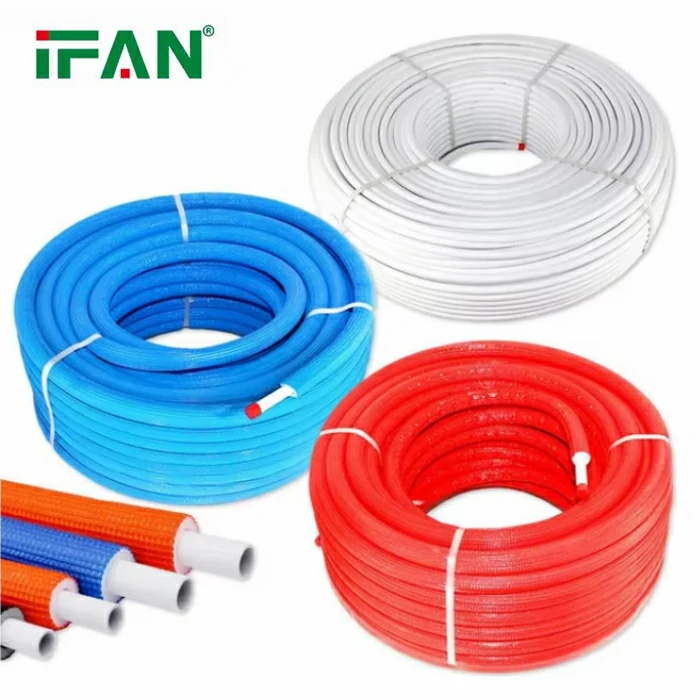
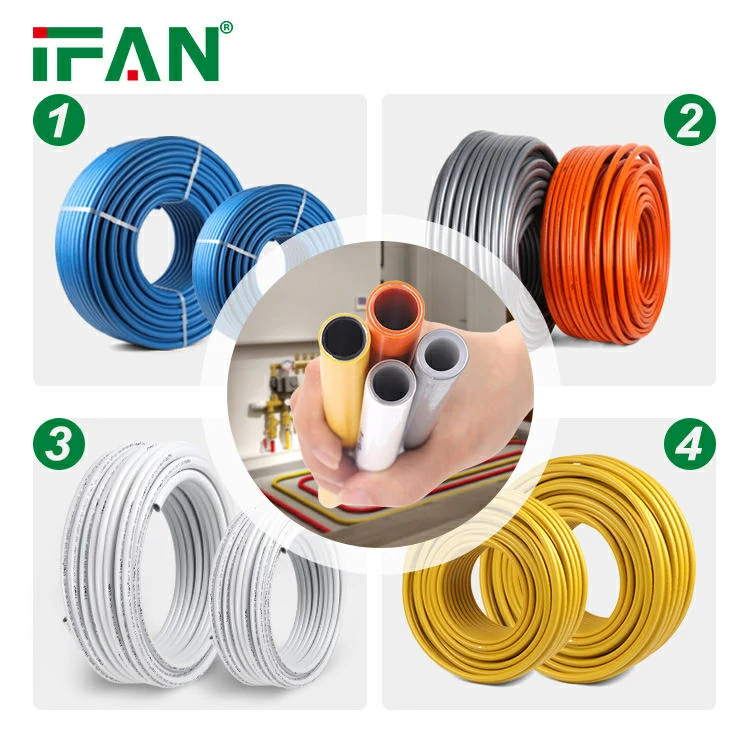
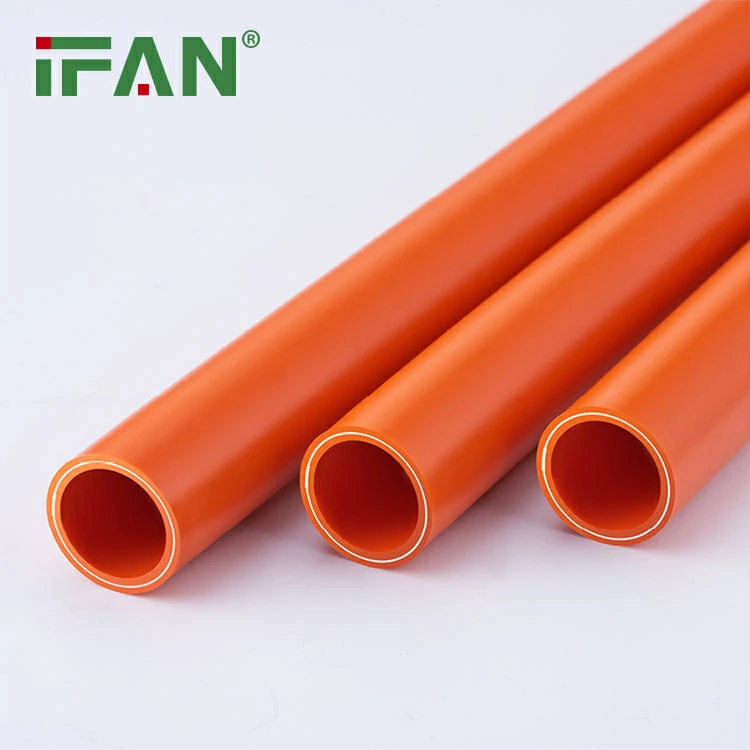
Heating systems need pipes that can handle temperature changes, pressure, and long-term operation. A suitable pipe can also improve installation efficiency and reduce maintenance work. This is why a multilayer aluminum composite pipe for heating systems has become a practical choice for many modern heating projects.
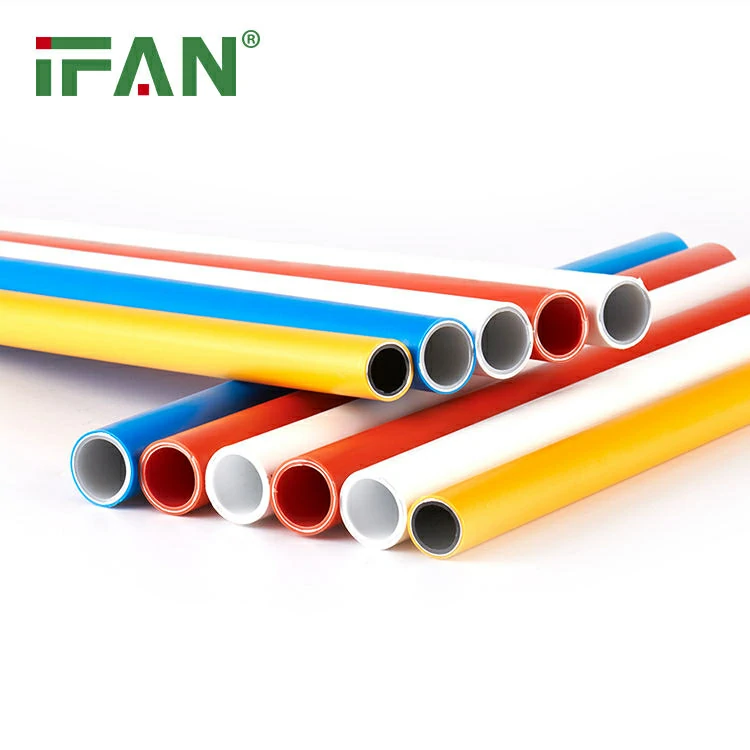
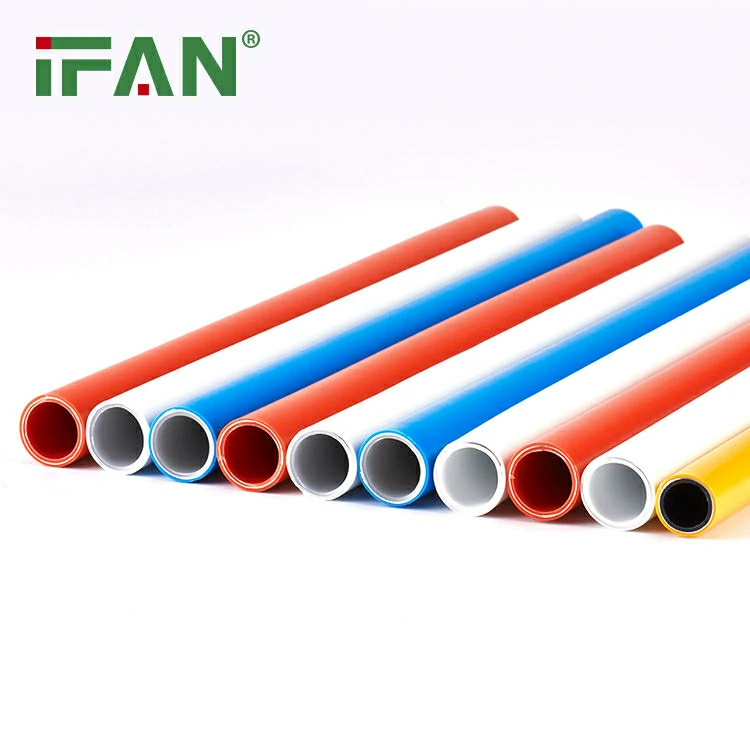
This type of pipe combines different materials into a single pipe structure. An aluminum layer is placed between polymer layers. The design gives the pipe a useful balance of flexibility, strength, and thermal performance.
For residential heating, commercial buildings, and hydronic heating systems, multilayer aluminum composite pipes offer several advantages. They can support stable water circulation while maintaining a clean and reliable piping system.
What Is a Multilayer Aluminum Composite Pipe?
A multilayer aluminum composite pipe is made from several bonded layers. The exact structure can vary by manufacturer and application. A common design uses polyethylene or cross-linked polyethylene as the inner and outer layers, with an aluminum layer in the middle.
The aluminum layer provides dimensional stability. It also limits thermal expansion compared with many single-layer plastic pipes. This is important in heating applications because hot water causes most plastic pipes to expand.
The polymer layers protect the aluminum core from direct contact with the heating medium. They also provide corrosion resistance and a smooth internal surface.
This combination creates a pipe that is different from traditional metal or plastic piping. It provides the advantages of both material groups while reducing some of their common limitations.
Why Use Multilayer Aluminum Composite Pipe for Heating Systems?
Temperature variation is a major factor in heating pipe design. A heating system may repeatedly move between low and high operating temperatures. The pipe must accommodate these changes without excessive movement.
A multilayer aluminum composite pipe for heating systems can help control thermal expansion. Its aluminum layer improves dimensional stability and keeps expansion relatively low.
This can make pipe routing easier. It can also reduce the need for extensive expansion compensation in suitable installations.
The pipe is also relatively lightweight. Installers can transport and handle long pipe sections without the weight associated with copper or steel pipes.
Another benefit is its flexibility. The pipe can often be bent manually with suitable tools. This makes it easier to follow corners and complicated layouts.
Multilayer Pipe for Radiant Floor Heating
Radiant floor heating is one of the most common applications for modern multilayer pipes. The pipe is installed beneath the floor surface. Warm water then circulates through the pipe and transfers heat to the surrounding floor.
A multilayer pipe for radiant floor heating needs to maintain stable performance over many heating cycles. Dimensional stability is especially important in concealed installations.
The aluminum layer can help limit expansion. This supports more stable pipe positioning inside the floor structure.
Multilayer pipes are also available in long coils. Long continuous sections can reduce the number of joints within a heating circuit. Fewer connections can simplify installation and reduce potential leakage points.
For underfloor heating projects, pipe selection should still consider working temperature, pressure, wall thickness, installation method, and applicable standards.
Advantages of Aluminum Composite Heating Pipe
There are several reasons why contractors and distributors consider aluminum composite heating pipe for modern projects.
Low Thermal Expansion
The aluminum core helps control linear expansion. This can be useful when pipes are installed beneath floors, inside walls, or along long heating circuits.
Good Corrosion Resistance
The polymer layers protect the pipe from many common corrosion problems. This is different from traditional metal pipes that may require additional protection.
Lightweight Construction
Multilayer composite pipes are generally easier to transport and handle. This can reduce physical effort during installation.
Flexible Installation
The pipe can be bent into different shapes when appropriate tools and installation procedures are used. This is useful for heating layouts with many changes in direction.
Smooth Internal Surface
The inner polymer layer creates a relatively smooth water passage. This can help reduce resistance and support efficient water circulation.
Long Service Life
When the pipe is correctly selected and installed, multilayer composite pipe can provide long-term service in heating and hot water applications.
Multilayer Aluminum Composite Pipe vs. Traditional Metal Pipe
Metal pipes such as copper and steel have been used in heating systems for many years. They remain suitable for many applications. However, they also have certain installation requirements.
Steel pipes can be heavy and may require additional protection against corrosion. Copper pipes are lighter than steel, but material costs can be higher in some markets.
A multilayer aluminum composite pipe offers another approach. It combines a polymer interior and exterior with an aluminum core.
This structure can provide lower weight, easier handling, and better flexibility. It can also simplify installation in residential heating systems.
The best choice depends on the project requirements. Working temperature, pressure, installation environment, local regulations, and budget should all be considered before selecting a pipe.
How to Choose the Right Multilayer Heating Pipe
Choosing a heating pipe should not be based on price alone. Several technical factors should be checked before purchase.
First, confirm the required pipe size. Common sizes vary according to the heating system and flow requirements.
Next, check the pressure and temperature ratings. The pipe should be suitable for the expected operating conditions throughout its service life.
The construction of the aluminum layer is also important. A properly manufactured composite pipe needs reliable bonding between its layers.
The outer material should also match the installation environment. Pipes exposed to mechanical stress may require additional protection.
For professional projects, buyers should request technical data sheets and relevant test documentation from the manufacturer.
Installation Considerations
Correct installation has a direct effect on the performance of any heating pipe. Even a high-quality product can perform poorly if installation procedures are ignored.
Installers should use compatible cutting, bending, and connection tools. Pipe ends should be prepared correctly before making connections.
Sharp bends should be avoided unless the pipe manufacturer allows them. Excessive bending can damage the pipe structure or affect the connection.
When installing pipes under floors, installers should also consider insulation and fixing methods. Proper spacing helps maintain even heat distribution in radiant floor heating systems.
Before covering the pipe, the system should normally be inspected and pressure tested according to the applicable installation requirements.
Applications of Multilayer Aluminum Composite Pipe
The application range is not limited to residential floor heating. These pipes can also be used in various hydronic heating systems.
Typical applications include:
- Radiant floor heating systems
- Residential hydronic heating
- Wall heating systems
- Radiator connections
- Commercial building heating
- Hot water distribution
- Heating manifolds and branch circuits
- Renovation and remodeling projects
Different projects require different pipe structures. Buyers should always match the product specification with the actual application.
Why Choose IFAN Multilayer Pipes?
For distributors, contractors, and heating system suppliers, consistent product quality is an important consideration. IFAN provides professional piping products and fittings for plumbing and heating applications.
IFAN focuses on manufacturing pipes, fittings, and related plumbing components. Its product range supports different installation requirements across residential, commercial, and industrial projects.
For customers looking for a multilayer aluminum composite pipe supplier, factory capability can also be important. Stable production, quality control, customization options, and technical support can make procurement easier.
IFAN can provide products for different market requirements and project applications. Customers can also discuss specifications, packaging, and customized solutions according to their needs.
Conclusion
A multilayer aluminum composite pipe for heating systems offers a balanced solution for modern heating installations. Its multilayer structure combines polymer materials with an aluminum core.
The result is a pipe with useful flexibility, dimensional stability, corrosion resistance, and relatively low weight. These characteristics make it suitable for radiant floor heating, hydronic heating, radiator systems, and other applications.
Before purchasing, buyers should check pipe size, temperature rating, pressure rating, construction, connection method, and applicable standards. Proper installation is equally important for long-term performance.
For wholesalers, distributors, contractors, and heating system manufacturers, choosing an experienced supplier can simplify the sourcing process. IFAN provides multilayer pipes, plumbing fittings, and related products for professional heating and water supply projects.
If you are looking for factory-direct multilayer aluminum composite pipes, contact IFAN for product specifications, customization options, factory pricing, and samples.