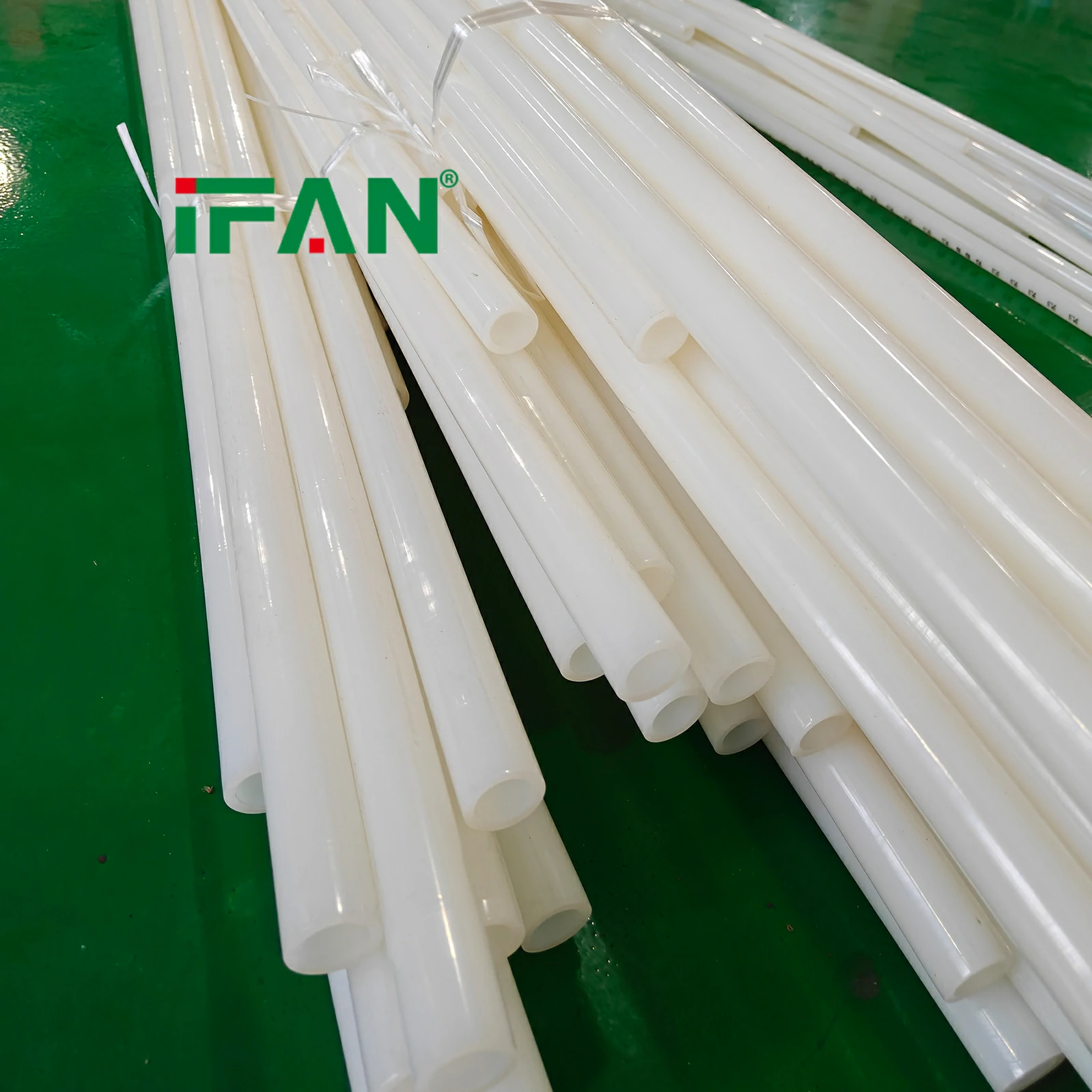
Landfill gas collection systems require reliable pipelines to capture and transport gas generated by decomposing waste. These systems often operate underground or within landfill areas. Their pipelines must handle ground movement, moisture, settlement, and changing operating conditions.
HDPE electrofusion fittings provide a joining solution for compatible polyethylene pipes. They use electrical resistance wires embedded inside the fitting. During installation, a dedicated control unit supplies electrical energy. The resulting heat melts the contact surfaces of the pipe and fitting. After controlled cooling, the materials form a fused joint.
In landfill gas applications, fitting selection requires particular attention. Gas composition, condensate, operating pressure, temperature, and site conditions all influence system design. Not every HDPE water fitting is suitable for landfill gas service. Products must be specifically approved for the intended application.
Understanding HDPE Electrofusion Fittings in Landfill Gas Systems
Landfill gas mainly forms through the anaerobic decomposition of organic waste. Its composition varies with landfill conditions and the stage of decomposition. Methane and carbon dioxide are common components. Water vapor and trace compounds may also be present.
A collection network captures this gas through extraction wells and connected pipelines. HDPE pipes and fittings can form part of this network when their material and product specifications suit the service conditions.
Electrofusion fittings connect compatible pipe sections and create branch connections. Their fused joints help limit gas leakage when correctly selected and installed.
Common fitting types include:
- Electrofusion couplers for joining straight pipe sections.
- Electrofusion elbows for changing pipeline direction.
- Electrofusion tees for connecting branch lines.
- Electrofusion reducers for transitions between pipe diameters.
- Electrofusion saddles for selected branch connection designs.
The exact fitting range depends on the system design and manufacturer specifications.
Why HDPE Is Used in Landfill Gas Collection
Landfill environments can be demanding. Buried pipelines may experience settlement, moisture, chemical exposure, and external loading. HDPE offers several properties that make it useful for suitable landfill gas systems.
Corrosion Resistance
HDPE does not rust like conventional steel. This can be beneficial in landfill environments where moisture and aggressive substances may be present.
However, corrosion resistance does not mean universal chemical resistance. The compatibility of the pipe and fitting materials must be assessed against the actual gas composition, condensate, and potential chemical exposure.
Flexibility and Ground Movement
Landfill surfaces and waste masses can settle over time. Flexible polyethylene pipelines can accommodate some movement when properly designed and supported.
This characteristic may help reduce stress from moderate ground movement. It does not eliminate the need for suitable routing, support, slope, and settlement allowances.
Fused Joint Construction
Electrofusion creates a permanent connection between compatible pipe and fitting surfaces. A properly prepared joint can provide a secure connection within the pipeline network.
This is important in gas collection systems. Leakage can reduce gas capture efficiency and create environmental and safety concerns.
Installation Flexibility
Electrofusion fittings can be useful where access is limited or where complex pipeline connections are required.
They allow installers to connect compatible pipes using a dedicated electrofusion control unit. Correct preparation and alignment remain essential.
Common Types of Electrofusion Fittings for Landfill Gas Pipelines
Different parts of a landfill gas network require different fitting configurations.
HDPE Electrofusion Couplers
Couplers join two compatible HDPE pipe ends. They are commonly used to extend collection lines and connect pipe sections.
For landfill gas service, the coupler must be suitable for the intended gas application. Its dimensions, pressure rating, material grade, and fusion parameters should match the pipeline specification.
HDPE Electrofusion Elbows
Elbows change the direction of a collection pipeline. They can help route pipes around landfill infrastructure, access roads, and extraction equipment.
Common configurations include 45-degree and 90-degree elbows. The appropriate angle depends on the system layout and hydraulic or gas-flow design.
HDPE Electrofusion Tees
Tees connect branch pipelines to a main collection line. They can be used where several extraction lines feed into a larger gas header.
Equal tees connect matching pipe diameters. Reducing tees provide a smaller branch connection.
Branch sizing should consider the expected gas flow and the design requirements of the collection network.
HDPE Electrofusion Reducers
Reducers connect pipes with different outside diameters. They are useful when smaller collection lines connect to larger headers or when pipeline dimensions change.
The selected reducer must be compatible with both connected pipe sections. Pressure and dimensional requirements should be checked before installation.
HDPE Electrofusion Saddles
Saddles provide branch outlets from a main pipe. They can support selected collection network layouts where a branch connection is required.
Product design determines whether a saddle supports live tapping or requires a separate installation procedure. Installers must follow the manufacturer’s instructions.
Important Design Considerations for Landfill Gas Collection
Choosing electrofusion fittings for landfill gas requires more than matching pipe diameters. The gas service and landfill environment create additional technical requirements.
Gas Composition and Chemical Compatibility
Landfill gas composition changes over time. Methane and carbon dioxide are typical components, but trace substances may also occur.
Condensate can contain dissolved compounds from the gas stream. Its composition may vary between sites.
Before selecting fittings, evaluate the expected gas composition and condensate exposure. Confirm that the pipe and fitting materials are compatible with these conditions.
Operating Pressure and Vacuum Conditions
Landfill gas extraction systems may operate under negative pressure. Other sections may have different pressure conditions depending on the collection and treatment design.
The fitting must be suitable for the actual operating pressure range. Consider vacuum conditions, pressure fluctuations, and possible transient loads.
Do not assume that a fitting intended for pressurized water service is automatically suitable for gas extraction.
Temperature Conditions
Gas temperature and site conditions can affect material performance. Buried pipelines may also experience temperature changes during operation and seasonal cycles.
Check the product’s permitted service temperature range. Confirm that the selected fitting suits the expected operating conditions.
Condensate Management
Moisture in landfill gas can condense as the gas cools. Condensate may collect at low points in the pipeline.
Pipeline routing and drainage arrangements should account for this condition. Poor condensate management can restrict gas flow and increase maintenance requirements.
External Loads and Landfill Settlement
Buried pipelines may face soil pressure, waste movement, vehicle loads, and settlement.
The system design should consider burial depth, pipe support, bedding, backfill, and traffic loading. Fittings should not be treated as substitutes for proper pipeline support.
Installation of HDPE Electrofusion Fittings
Correct installation is essential for gas collection systems. Poor joint preparation can lead to leakage and costly maintenance.
Step 1: Verify Product Suitability
Confirm that the fitting is approved for the intended landfill gas application. Check its dimensions, material, pressure or vacuum suitability, and compatibility with the pipe.
Review the manufacturer’s installation instructions before beginning work.
Step 2: Prepare the Pipe Ends
Cut the pipe squarely with suitable equipment. Remove burrs and damaged material.
Measure and mark the required insertion depth. This helps ensure that the pipe enters the fitting correctly.
Step 3: Scrape the Fusion Surface
Use an approved mechanical scraper to remove the oxidized outer layer from the fusion area.
This step is essential for proper fusion. Wiping the surface alone does not replace mechanical scraping.
Step 4: Clean and Align the Joint
Clean the prepared surfaces with an approved cleaning product. Keep the fusion area free from dust, grease, moisture, and other contamination.
Insert the pipe to the marked depth. Use suitable clamps to prevent movement during the fusion process.
Step 5: Perform Electrofusion
Connect the fitting to a compatible electrofusion control unit.
Use the fusion parameters specified by the fitting manufacturer. Do not estimate heating time, voltage, or other operating settings.
Step 6: Allow the Joint to Cool
Keep the joint secured throughout the required cooling period.
Do not move, bend, or load the connection before cooling is complete. Premature movement can affect joint integrity.
Step 7: Inspect and Document
Inspect the completed joint according to the manufacturer’s requirements and project procedures.
Record installation details when required. Gas collection systems should undergo the specified inspection and leakage testing before being placed into service.
Only qualified personnel should perform work on landfill gas infrastructure. Site-specific safety procedures must be followed throughout installation.
Common Installation Problems to Avoid
Several mistakes can compromise electrofusion joint quality.
- Using water-service fittings without gas approval: Product suitability must be confirmed for the intended gas application.
- Skipping mechanical scraping: An oxidized surface can interfere with fusion.
- Incorrect pipe insertion: Insufficient or uneven insertion can affect joint performance.
- Poor alignment: Pipe movement during fusion may damage the connection.
- Contaminated surfaces: Dust, moisture, and grease can reduce fusion quality.
- Incorrect fusion parameters: Always use the manufacturer’s specified settings.
- Insufficient cooling: Moving a joint too early can compromise the connection.
- Ignoring condensate conditions: Pipeline design must account for moisture accumulation.
- Skipping leakage checks: Gas pipelines require the inspection and testing procedures specified by the project.
A consistent installation procedure helps reduce leakage risks and improves system reliability.
HDPE Electrofusion Fittings vs. Other Connection Methods
Landfill gas projects may use different HDPE joining methods. Electrofusion and butt fusion are two common options.
| Comparison | Electrofusion | Butt Fusion |
|---|---|---|
| Joining method | Electrical heating inside the fitting | Heating and joining prepared pipe ends |
| Typical applications | Fittings, branches, and selected connections | Straight pipe joints and compatible fittings |
| Equipment | Electrofusion control unit | Butt fusion machine |
| Installation space | Useful for many restricted-access connections | Requires space for machine setup and alignment |
| Joint preparation | Mechanical scraping and cleaning | Pipe facing, cleaning, and alignment |
| Main consideration | Correct fitting and fusion parameters | Correct heating, pressure, and cooling procedure |
Neither method is automatically suitable for every connection. The project designer should select the joining method based on pipeline dimensions, access, operating conditions, and applicable requirements.
Standards and Product Compliance
Landfill gas collection systems require careful attention to product specifications and local regulations.
Standards such as ISO 4437 and EN 1555 address polyethylene piping systems for gaseous fuels. However, their scope and application must be checked carefully. A landfill gas collection system is not automatically equivalent to a natural gas distribution network.
Project requirements may also specify material standards, fitting performance, installation procedures, and testing methods.
Before purchasing, confirm the following:
- The fitting is explicitly suitable for the intended landfill gas service.
- The pipe and fitting materials are compatible.
- Product dimensions and SDR requirements match.
- Pressure and vacuum conditions are within the approved operating range.
- Applicable standards and local regulations are satisfied.
- Technical documentation and traceability records are available.
Never rely on a general water-pipeline specification as proof of suitability for landfill gas.
What to Consider When Choosing a Supplier
A suitable supplier should provide clear technical information and consistent product specifications.
Start by checking the available fitting types and dimensions. Confirm whether the supplier can provide the couplers, elbows, tees, reducers, and other components required by the project.
Request technical datasheets and installation instructions. These documents should identify the intended application, compatible pipe dimensions, material details, and fusion requirements.
For landfill gas projects, gas-service suitability is especially important. Ask for supporting documentation rather than assuming that a standard HDPE fitting is appropriate.
Also consider packaging, product identification, delivery schedules, and the supplier’s ability to support repeat orders. These factors can help simplify procurement for large pipeline projects.
Explore IFAN Piping Product Solutions
IFAN supplies plumbing and piping products for different water supply and pipeline applications. Its product portfolio includes plastic pipes, fittings, and related components.
For landfill gas projects, buyers should provide detailed service requirements before selecting products. These include gas composition, operating pressure or vacuum, temperature, pipe dimensions, SDR, and applicable standards.
The intended gas application must be confirmed against the relevant product documentation. Do not assume that general-purpose HDPE fittings have landfill gas approval.
IFAN also offers OEM and ODM services and customization options for suitable product requirements. Buyers can contact the team to discuss specifications and available product solutions.
Conclusion
HDPE electrofusion fittings can form part of landfill gas collection pipelines when the products are specifically suitable for the intended service.
Couplers, elbows, tees, reducers, and saddles support different connection requirements. Their performance depends on material compatibility, correct selection, and controlled installation.
Landfill gas systems also require careful consideration of gas composition, condensate, pressure or vacuum conditions, and ground movement. Gas-service approval and compliance with project requirements must be confirmed before purchase.
With suitable products, qualified installation, and proper inspection, HDPE electrofusion connections can support reliable landfill gas collection infrastructure.