Warning: Attempt to read property "ID" on null in /www/wwwroot/ifanindus.com/wp-content/plugins/elementor/core/base/document.php on line 356

Warning: Attempt to read property "ID" on null in /www/wwwroot/ifanindus.com/wp-content/plugins/elementor/core/base/document.php on line 356

The Role Of Temperature-Controlled Valves

The Role of Temperature-Controlled Valves

Introduction
Temperature-controlled valves have become increasingly important in various industrial applications. They are designed to regulate the flow of a liquid or gas through a system and control the temperature. The valve opens or closes based on the temperature of the fluid passing through it, making them ideal for use in heating and cooling systems for buildings, processing plants, and equipment.
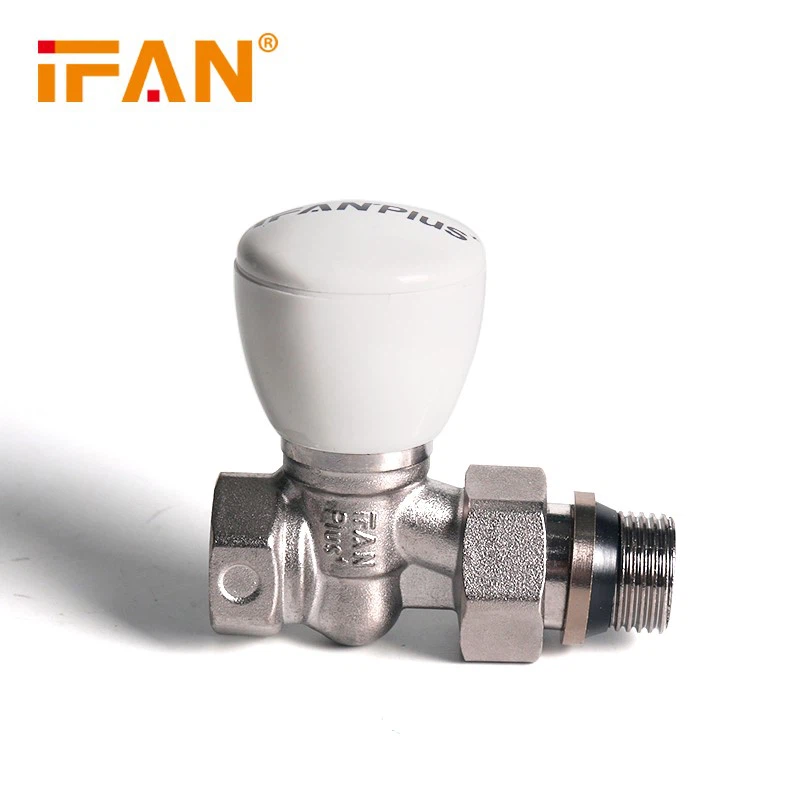
What are Temperature-Controlled Valves?
Temperature-controlled valves are also known as thermostatic valves or automatic temperature control valves. They use a temperature-sensitive element, such as wax, that expands or contracts to open or close the valve, thus regulating the flow of the fluid. These valves can be installed in a variety of locations, including on radiators, heat exchangers, and pipelines to control the temperature of a system.

Types of Temperature-Controlled Valves
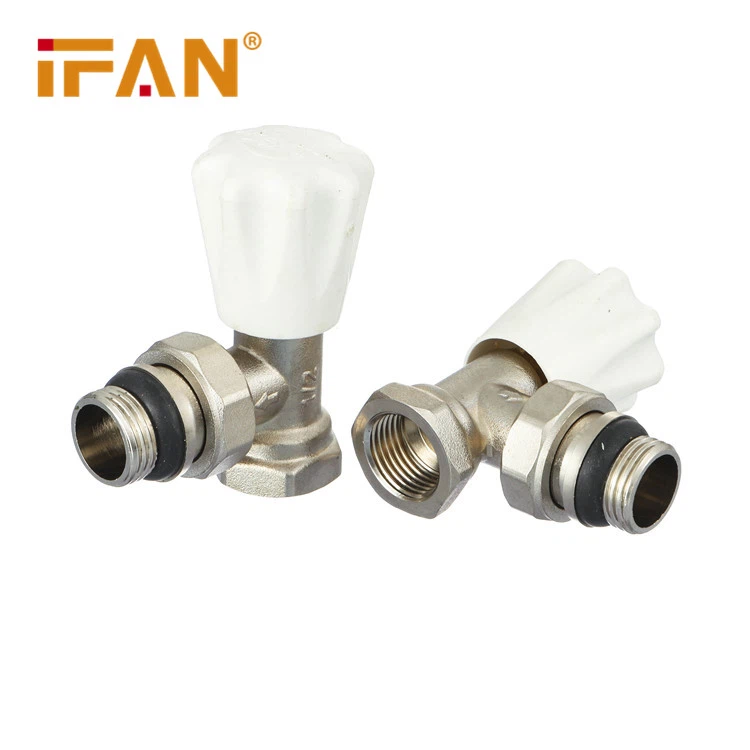
There are several types of temperature-controlled valves available in the market. They include:

1. Thermostatic Radiator Valves
These valves regulate the flow of hot water through radiators in heating systems. They are installed on individual radiators and control the temperature of each room.

2. Mixing Valves
Mixing valves are used in hot water systems to mix hot and cold water to achieve a set temperature. The valve opens or closes to maintain the desired temperature.

3. Thermostatic Expansion Valves
These valves are used in refrigeration and air conditioning systems to regulate the flow of refrigerant through the system. The valve opens or closes depending on the temperature of the refrigerant.

Advantages of Temperature-Controlled Valves
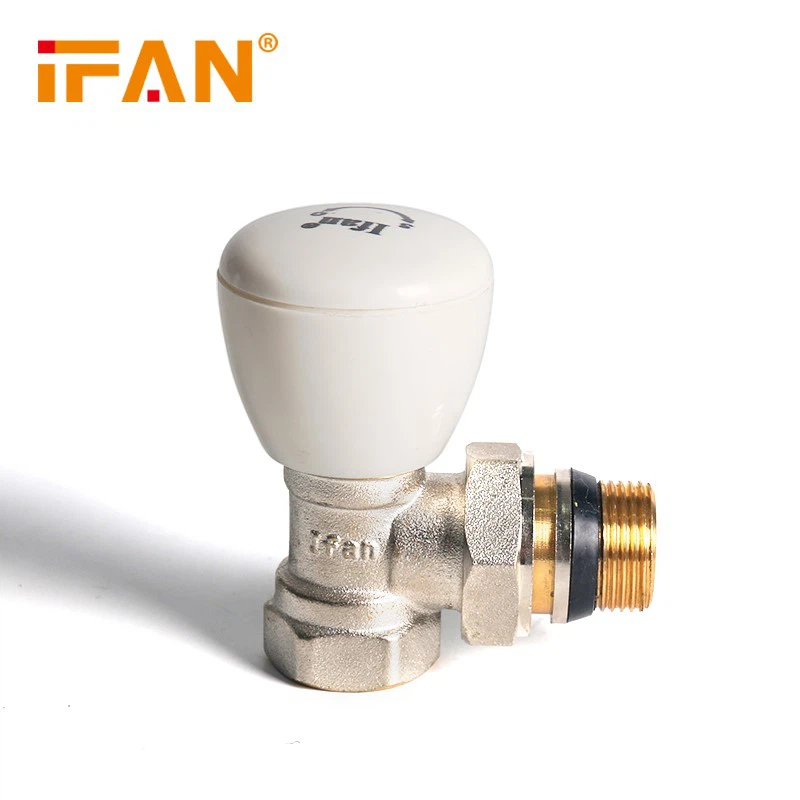
Temperature-controlled valves have several advantages, including:

1. Energy-efficient
They regulate the flow of a fluid and control the temperature, making them energy-efficient. They prevent overheating or overcooling of a system, reducing energy consumption.

2. Cost-effective
These valves are relatively inexpensive, making them an affordable alternative to other control systems.

3. Easy to install
Temperature-controlled valves are easy to install and require minimal maintenance.

Conclusion
Temperature-controlled valves are essential components in heating and cooling systems. They regulate the flow of a fluid and control the temperature, making them energy-efficient and cost-effective. There are several types of temperature-controlled valves available, including thermostatic radiator valves, mixing valves, and thermostatic expansion valves. Installing temperature-controlled valves in your system can help reduce energy consumption and save you money on energy bills.
Share:

Facebook
Twitter
Pinterest
LinkedIn

Leave a Comment

Your email address will not be published. Required fields are marked *

On Key

Related Posts

How to Choose a Reliable PEX Press Fitting Manufacturer for Your Plumbing Business

Choosing a reliable PEX press fitting manufacturer is an important decision for any plumbing business. The right supplier can affect product quality, installation performance, delivery, and customer satisfaction. This becomes even more important when you buy PEX press fittings in bulk or plan to build a long-term product range. Instead of comparing suppliers by price

PEX Press Fittings for Heating Systems: What Installers and Buyers Should Know

PEX piping is widely used in modern heating systems. It can be found in radiant floor heating, radiator connections, and other hydronic applications. However, the pipe is only one part of the system. PEX press fittings also play an important role in creating secure connections. For installers and buyers, choosing the right PEX press fittings

How Long Do PEX Press Fittings Last? Factors That Affect Their Service Life

How long do PEX press fittings last? This is a common question for homeowners, contractors, and plumbing distributors. There is no single service-life number that applies to every PEX press fitting. Actual performance depends on the fitting material, pipe system, water conditions, pressure, temperature, installation quality, and maintenance. Understanding these factors can help buyers choose

PEX Press Fitting Size Guide: How to Match Fittings With PEX Pipe

Choosing the right PEX press fitting size is essential for creating a reliable plumbing connection. A fitting that does not match the PEX pipe correctly can cause installation problems, poor sealing, or leakage. For distributors, contractors, and DIY users, understanding how PEX pipe sizes relate to press fittings makes product selection much easier. 1. Start

What Should You Check Before Buying PEX Press Fittings in Bulk?

Buying PEX press fittings in bulk is different from buying a few pieces for a small plumbing project. A bulk order affects installation efficiency, project costs, and long-term system reliability. Whether you are a distributor, contractor, importer, or plumbing wholesaler, checking the right details before placing an order can help prevent costly problems later. Here

Get Free Quote NOW