Why is CPVC so expensive?
The cost of CPVC (chlorinated polyvinyl chloride) pipes can be higher compared to some other plumbing materials. Several factors contribute to the higher cost of CPVC pipes. Here’s why CPVC can be relatively expensive:
1. Material Cost: The raw materials used to produce CPVC pipes, including the PVC base resin and the additional chlorination process, can be more expensive compared to the materials used for other plumbing pipes. The cost of acquiring and processing these specialized materials contributes to the overall price of CPVC pipes.
2. Production Process: The manufacturing process of CPVC pipes involves additional steps, including chlorination and post-production testing, to ensure the desired properties and quality of the pipes. These extra steps add to the production cost of CPVC pipes, making them relatively more expensive compared to some other plumbing materials.
3. Quality and Performance: CPVC pipes are known for their superior performance characteristics, such as high-temperature resistance, chemical resistance, and durability. The higher cost of CPVC pipes reflects the investment in research, development, and quality control measures to deliver these enhanced properties.
4. Certifications and Standards: CPVC pipes need to meet specific certifications and standards to ensure their suitability for various applications, such as potable water systems. The cost of obtaining and maintaining these certifications, as well as conducting regular quality control tests, adds to the overall cost of CPVC pipes.
5. Market Demand and Availability: The demand for CPVC pipes can influence their pricing. If there is limited competition or increased demand for CPVC pipes in a specific market, the prices may be higher. Additionally, factors like transportation costs and availability of CPVC pipes in certain regions can impact their pricing.
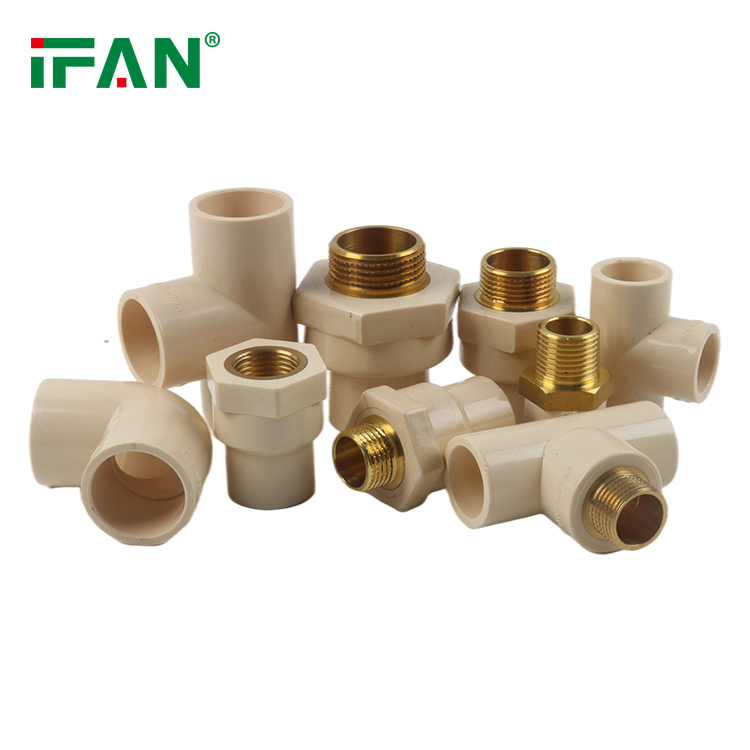
6. Installation Accessories: The cost of CPVC pipes may also include the necessary fittings, solvent cement, and tools required for installation. These accessories, although necessary for proper installation, can contribute to the overall cost of using CPVC pipes.
It is important to consider the long-term benefits and advantages of CPVC pipes when evaluating their cost. Although CPVC pipes may have a higher upfront cost, their performance, durability, chemical resistance, and longevity can provide value over time, making them a cost-effective choice for certain plumbing applications.