Copper and brass fittings are widely used in plumbing and other industries for their excellent properties and durability. While copper and brass share some similarities due to their copper content, there are distinct differences between the two. In this article, we will explore the differences between copper and brass fittings in terms of their composition, properties, applications, and advantages.
- Composition: Copper Fittings: Copper fittings are made from pure copper, which is a naturally occurring element. Pure copper fittings are unalloyed and consist solely of copper. Copper is a soft and malleable metal that offers excellent thermal and electrical conductivity.
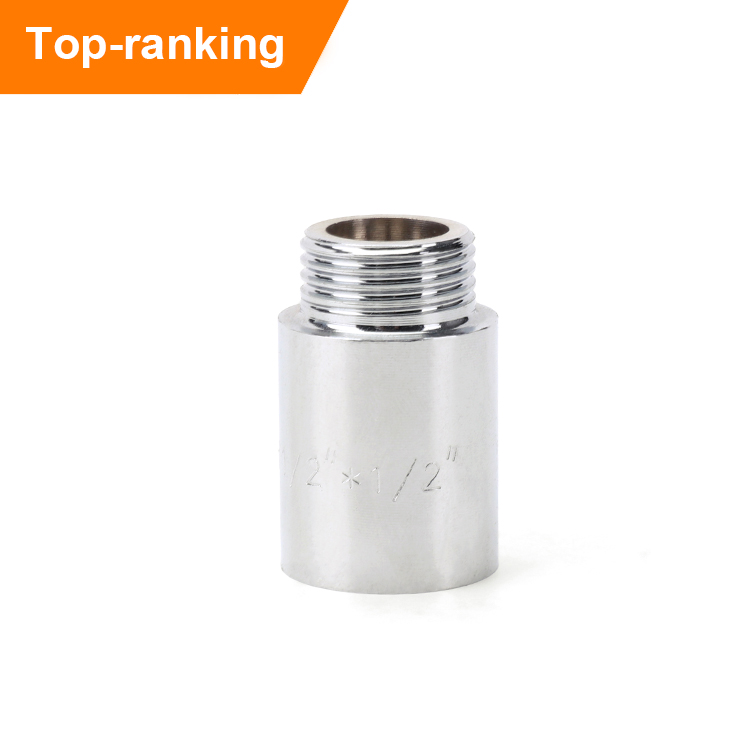
Brass Fittings: Brass fittings, on the other hand, are made from an alloy of copper and zinc. The proportion of copper and zinc in the alloy can vary, resulting in different types of brass with varying properties. The addition of zinc to copper imparts enhanced strength, corrosion resistance, and machinability to brass fittings.
- Properties: Copper Fittings: Copper fittings have high thermal and electrical conductivity, making them suitable for applications where heat transfer or electrical conductivity is important. Copper fittings are also ductile and can be easily shaped or formed. They have good resistance to corrosion and can withstand high temperatures.
Brass Fittings: Brass fittings offer a combination of properties derived from copper and zinc. The addition of zinc increases the strength, hardness, and machinability of brass fittings. Brass fittings have good resistance to corrosion, making them suitable for various applications, including plumbing, gas systems, and electrical applications.
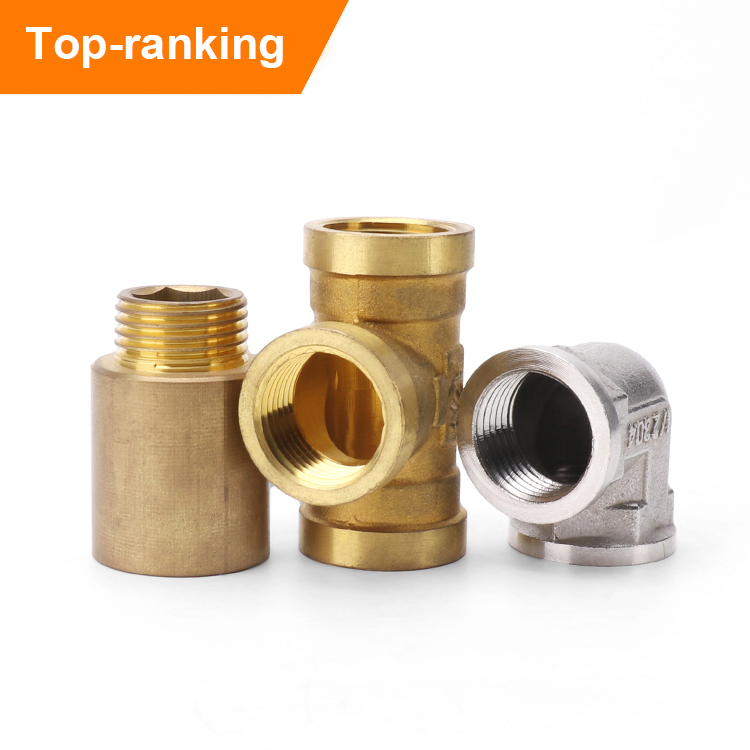
- Corrosion Resistance: Copper Fittings: Pure copper is known for its excellent corrosion resistance in various environments, including those with water or moisture. Copper forms a protective oxide layer on its surface, which inhibits further corrosion. However, copper can be susceptible to dezincification in certain aggressive environments, where the zinc leaches out of the alloy.
Brass Fittings: Brass fittings have good corrosion resistance, particularly in water-based applications. The addition of zinc to copper enhances the corrosion resistance of brass fittings, making them less susceptible to dezincification compared to pure copper fittings. Brass fittings can withstand exposure to water, moisture, and some chemicals commonly found in plumbing systems.
- Strength and Durability: Copper Fittings: Pure copper is a relatively soft metal, and copper fittings may not possess the same level of strength and durability as brass fittings. Copper fittings are suitable for applications that do not require high mechanical strength or resistance to impact or external forces.
Brass Fittings: Brass fittings are stronger and more durable compared to pure copper fittings. The addition of zinc provides enhanced strength and hardness to brass fittings, allowing them to withstand higher pressures and heavier loads. Brass fittings are commonly used in plumbing and gas systems, where mechanical strength and durability are important.
- Appearance: Copper Fittings: Copper fittings have a distinctive reddish-brown color, which is often appreciated for its aesthetic appeal. Over time, copper fittings develop a natural patina that gives them a unique and attractive appearance.
Brass Fittings: Brass fittings have a yellowish-gold color, which can vary depending on the specific composition of the alloy. Brass fittings can be polished to a high shine, giving them a visually appealing appearance.
- Cost: Copper Fittings: Pure copper fittings tend to be more expensive compared to brass fittings. Copper is a valuable and widely used metal, which contributes to its higher cost.
Brass Fittings: Brass fittings are generally more cost-effective compared to pure copper fittings. The addition of zinc to copper makes brass a more affordable material, while still offering excellent properties and durability.
Common Uses of Copper and Brass Fittings:
Copper Fittings: Copper fittings are commonly used in plumbing systems, heating systems, electrical applications, and refrigeration systems. Their excellent thermal and electrical conductivity make them ideal for heat transfer and electrical grounding applications.
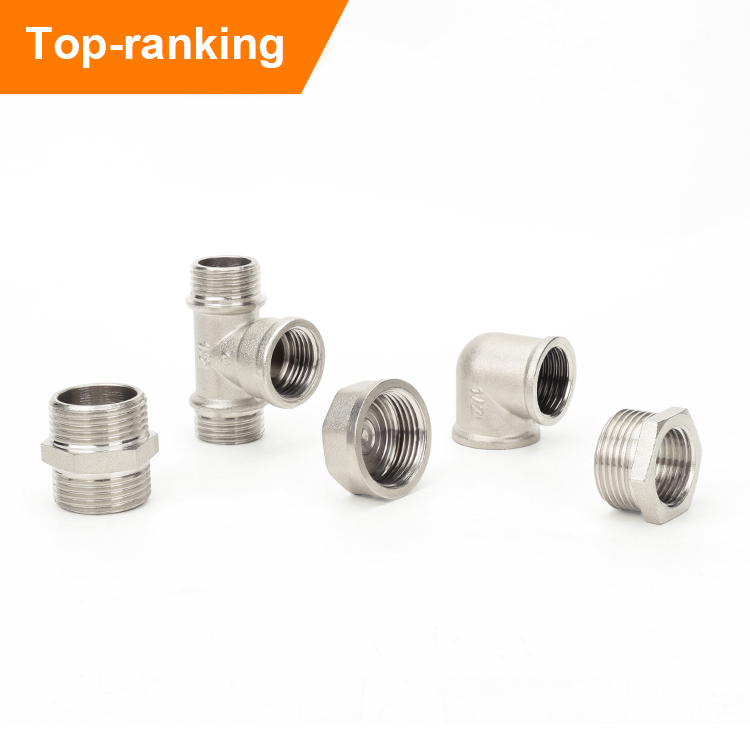
Brass Fittings: Brass fittings are widely used in plumbing systems, gas installations, air conditioning, and various fluid transfer applications. Their enhanced strength, corrosion resistance, and machinability make them suitable for residential, commercial, and industrial settings.
In summary, copper and brass fittings have distinct differences in terms of composition, properties, and applications. Copper fittings are made from pure copper and offer excellent thermal and electrical conductivity. Brass fittings, on the other hand, are made from an alloy of copper and zinc and provide enhanced strength, corrosion resistance, and machinability. While both copper and brass fittings have their own advantages and applications, the choice between the two depends on specific requirements, cost considerations, and environmental factors.