PPR Fittings for Gas Lines: Safety and Reliability
Introduction
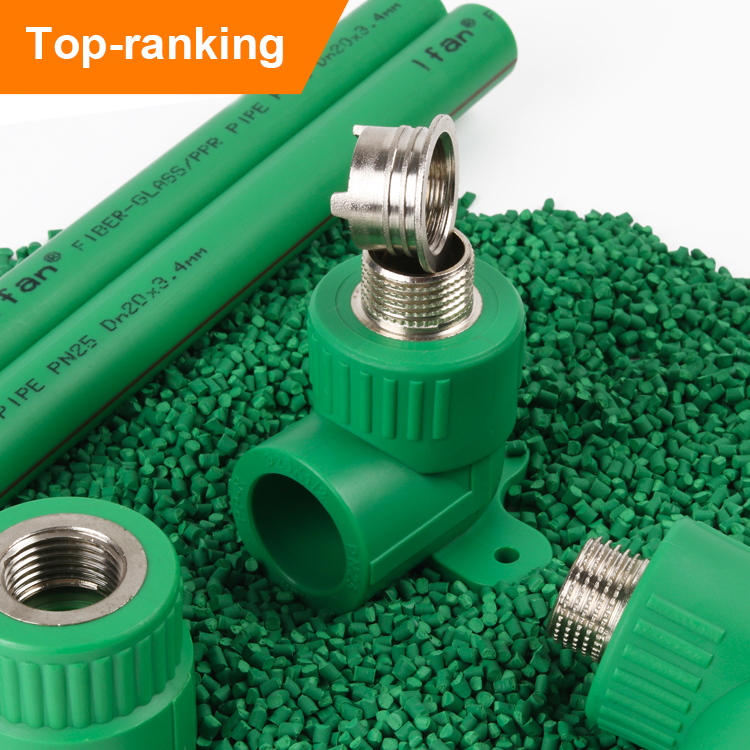
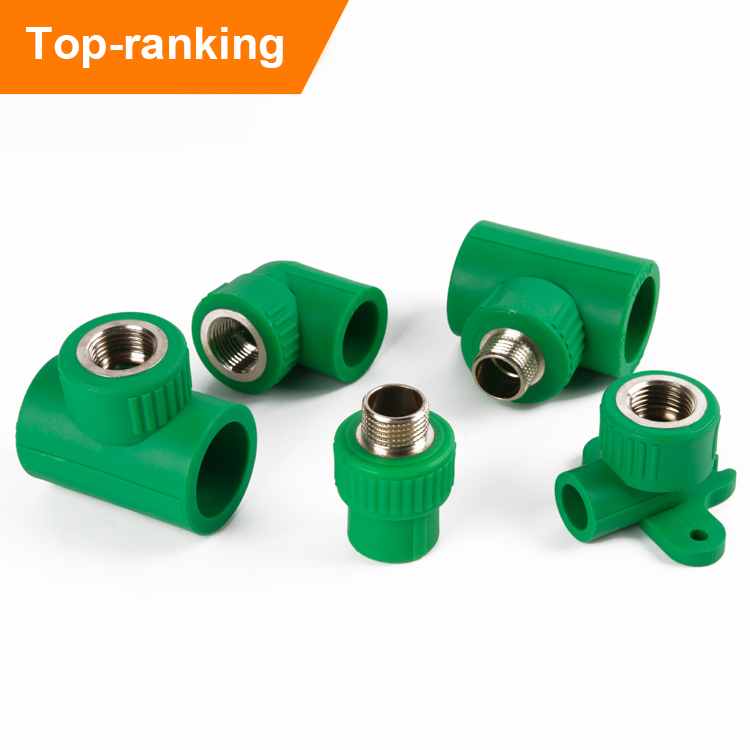
PPR fittings are not only suitable for water systems but also provide safety and reliability in gas line installations. Made from polypropylene random copolymer, these fittings offer exceptional characteristics that make them ideal for gas line applications. In this article, we will explore the importance of PPR fittings for gas lines and how they ensure safety and reliability. Let’s delve into the details of why PPR fittings are the preferred choice for gas line installations.
1. Gas Compatibility
PPR fittings are designed to be compatible with various gases, including natural gas and propane. The polypropylene material used in PPR fittings exhibits excellent resistance to corrosion, degradation, and chemical reactions caused by gases. This gas compatibility ensures that the fittings maintain their integrity and functionality over time, minimizing the risk of leakage or failure. With PPR fittings, homeowners and businesses can confidently use gas systems, knowing that the fittings are compatible and reliable for gas line applications.
2. High Pressure Resistance
Gas lines often operate at high pressures, requiring fittings that can withstand these conditions. PPR fittings are engineered to handle high-pressure gas applications, ensuring safety and reliability. The strength and durability of the polypropylene material used in PPR fittings allow them to maintain their structural integrity and prevent leaks even under high-pressure conditions. This high-pressure resistance provides peace of mind to users, knowing that the gas lines are secure and efficient.
3. Heat Resistance
Gas lines can experience high temperatures due to the nature of the gas being transported. PPR fittings offer excellent heat resistance, making them suitable for gas line applications. The polypropylene material used in PPR fittings can withstand elevated temperatures, ensuring that the fittings remain stable and reliable in high-temperature environments. This heat resistance safeguards against any potential damage or deformation that may occur due to the heat generated by the gas being transported.
4. Leak Prevention
Leakage in gas lines can pose significant safety hazards. PPR fittings are designed with leak prevention in mind. The fusion welding method used to join PPR pipes and fittings creates a strong and seamless connection that eliminates the risk of leaks. The durable and robust nature of PPR fittings ensures that they maintain their leak-free integrity even under extreme conditions. This leak prevention feature of PPR fittings enhances the safety and reliability of gas line installations.
5. Chemical Resistance
Gas lines may come into contact with chemicals or additives used in certain applications. PPR fittings offer excellent chemical resistance, protecting them from the corrosive effects of these substances. The polypropylene material used in PPR fittings resists degradation and damage caused by chemicals, ensuring the longevity and reliability of the fittings in gas line installations. This chemical resistance minimizes the risk of leaks, cracks, or failures due to chemical exposure, further enhancing the safety and reliability of the gas system.
6. Easy Installation and Maintenance
PPR fittings are designed for easy installation and maintenance in gas line systems. They are lightweight, making them easy to handle and install. The heat fusion welding method simplifies the installation process, ensuring a secure connection. Additionally, the low maintenance requirements of PPR fittings contribute to the convenience and cost-effectiveness of gas line systems. With PPR fittings, installing and maintaining a gas line system becomes a hassle-free task, ensuring safety and reliability for the users.
Conclusion
PPR fittings offer safety and reliability in gas line installations, providing gas compatibility, high pressure resistance, heat resistance, leak prevention, chemical resistance, and easy installation and maintenance. By choosing PPR fittings for gas line systems, users can ensure the integrity and functionality of their gas systems, minimizing the risk of leaks, failures, or other safety hazards. The exceptional characteristics of PPR fittings make them the preferred choice for gas line installations, offering peace of mind and dependable performance in gas applications.