Introduction
As the construction and plumbing industries continue to evolve, the use of PEX (cross-linked polyethylene) pipes has become increasingly popular due to their flexibility, durability, and ease of installation. However, the rise in PEX pipe usage also brings a growing concern regarding the environmental impact of PEX waste. With a focus on sustainability, advancing circular solutions for PEX pipe waste management is essential. This article explores the challenges associated with PEX waste, the benefits of PPR (Polypropylene Random Copolymer) pipes as an alternative, and innovative strategies for creating a circular economy in the plumbing industry.
Understanding PEX Pipes
What are PEX Pipes?
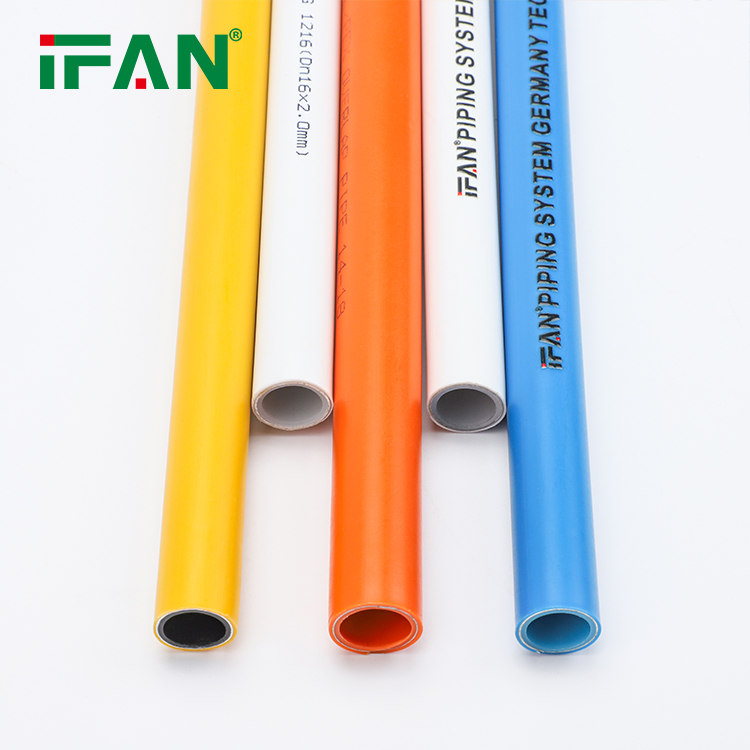
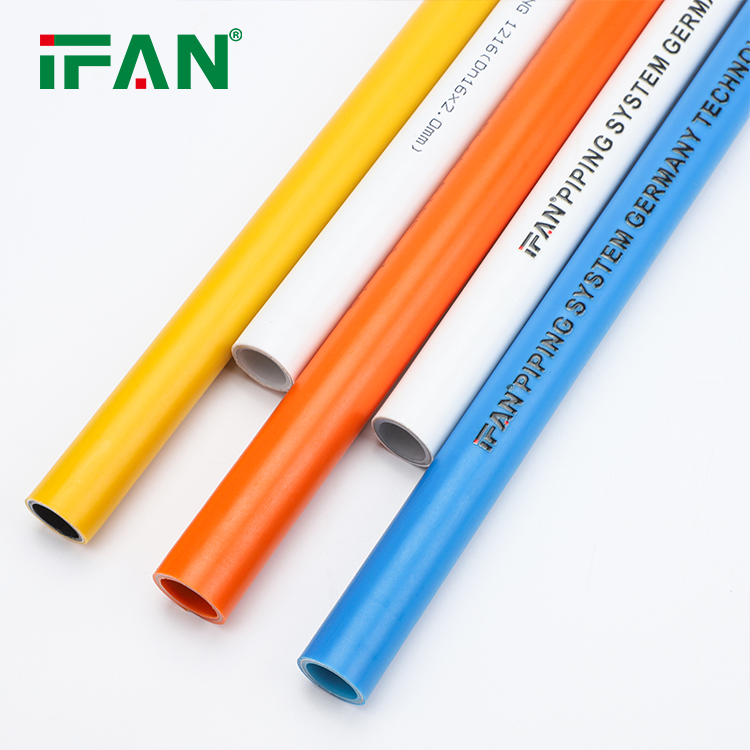
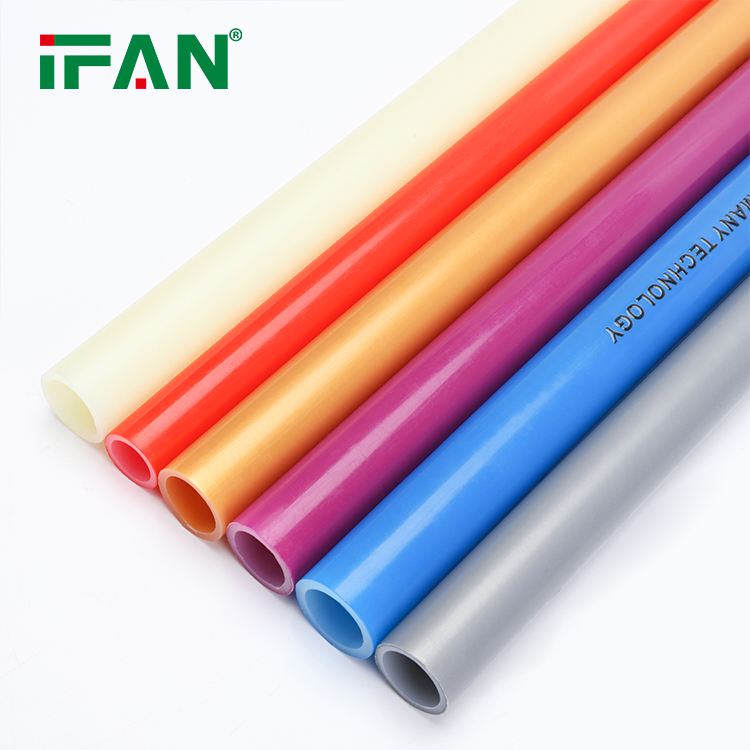
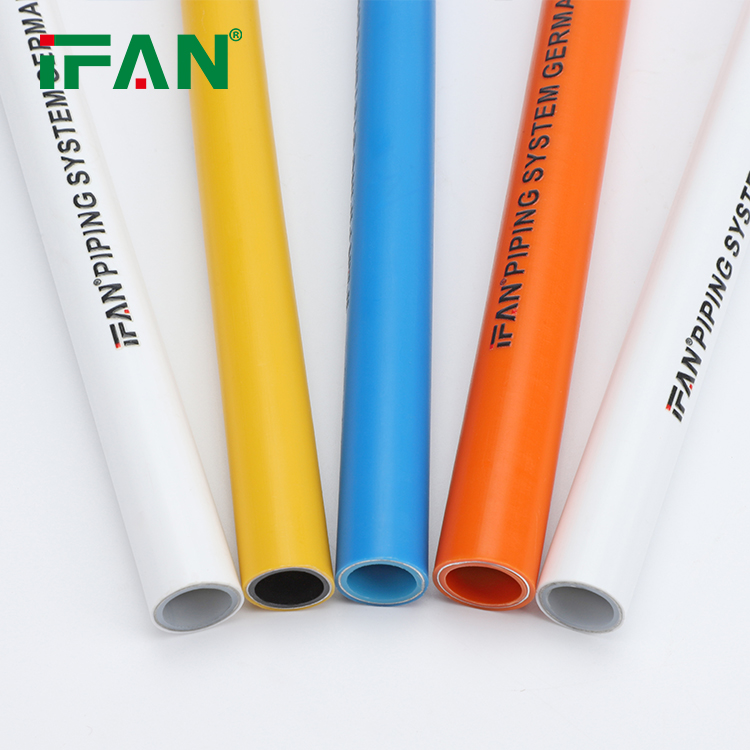
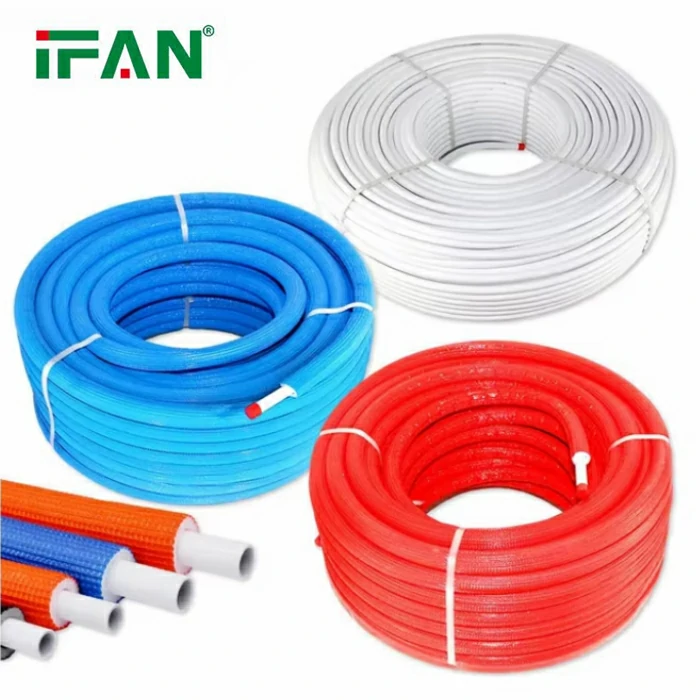
PEX pipes are made from a type of plastic known as cross-linked polyethylene, which enhances their durability and flexibility. They are widely used in residential and commercial plumbing systems for both hot and cold water supply lines. PEX pipes have several advantages, including resistance to corrosion, lower installation costs, and reduced noise compared to traditional metal pipes.
Benefits of PEX Pipes
- Flexibility: PEX pipes can be easily maneuvered around obstacles, making installation quicker and more efficient.
- Corrosion Resistance: Unlike metal pipes, PEX does not corrode, which can lead to longer-lasting plumbing systems.
- Lower Installation Costs: The lightweight nature of PEX pipes results in lower transportation and labor costs during installation.
- Reduced Noise: PEX pipes minimize the sound of water flow, offering a quieter plumbing experience.
The Problem of PEX Waste
Environmental Concerns
While PEX pipes have many benefits, they also contribute to environmental challenges, particularly at the end of their life cycle. PEX is not biodegradable, and improper disposal can lead to plastic pollution. As more homeowners and businesses adopt PEX plumbing systems, the volume of PEX waste is increasing, prompting the need for sustainable waste management solutions.
Challenges in Recycling PEX
Recycling PEX pipes presents unique challenges due to their cross-linked structure. Traditional recycling methods are often ineffective, as cross-linked polyethylene cannot be melted down and reformed like other plastics. This has led to a significant amount of PEX waste ending up in landfills, where it can take hundreds of years to decompose.
Advancing Circular Solutions for PEX Waste
To address the growing issue of PEX waste, the plumbing industry must adopt circular economy principles that prioritize sustainability. Here are some innovative strategies for advancing circular solutions for PEX pipe waste:
1. Developing Recycling Technologies
Investing in research and development of recycling technologies specifically designed for PEX waste is crucial. New methods, such as chemical recycling, can break down cross-linked polyethylene into its original monomers, allowing for the creation of new PEX products. Collaborations between manufacturers, researchers, and recycling facilities can foster innovation in this area.
2. Reusing PEX Materials
Another effective strategy for reducing PEX waste is to promote the reuse of PEX materials. Contractors and plumbers can salvage and reuse PEX pipes from decommissioned plumbing systems. By creating a marketplace for used PEX materials, the industry can help reduce waste and lower costs for new projects.
3. Encouraging Responsible Disposal
Educating consumers and contractors about responsible disposal methods for PEX pipes is essential. Many local waste management facilities do not accept PEX waste, so providing information on proper disposal options can help prevent PEX from ending up in landfills. Additionally, plumbing professionals can offer take-back programs for old PEX pipes, ensuring they are disposed of responsibly.
4. Implementing Extended Producer Responsibility (EPR)
Extended Producer Responsibility (EPR) is a policy approach that holds manufacturers accountable for the entire lifecycle of their products, including disposal. By implementing EPR programs for PEX pipes, manufacturers can be incentivized to develop more sustainable products and invest in recycling initiatives. This approach encourages companies to design PEX pipes that are easier to recycle and reduces the burden on consumers for disposal.
5. Promoting Alternative Materials: PPR Pipes
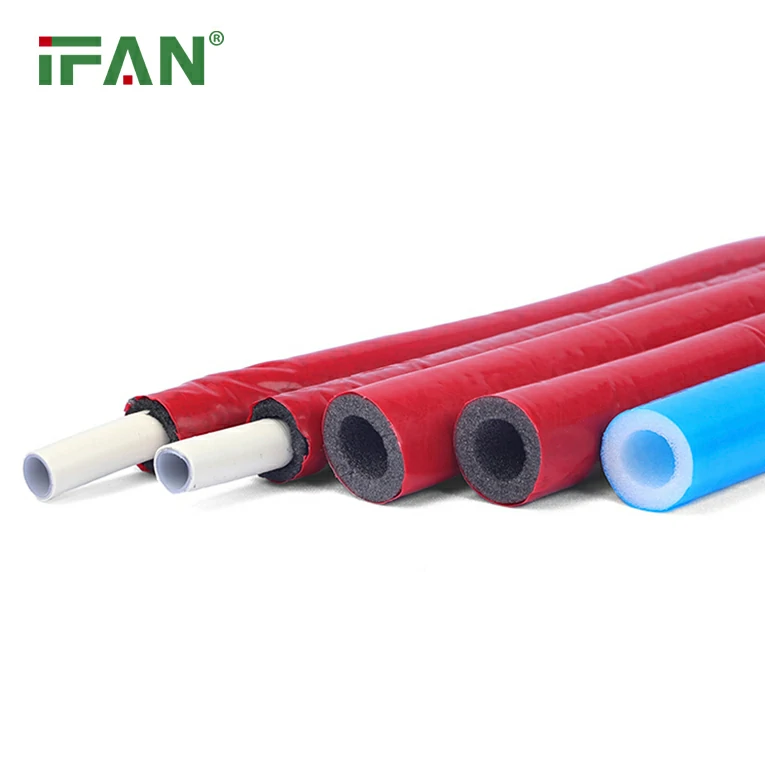
As the plumbing industry seeks to minimize PEX waste, PPR (Polypropylene Random Copolymer) pipes emerge as a viable alternative. PPR pipes offer several advantages over PEX, including:
- Recyclability: Unlike PEX, PPR pipes can be easily recycled, reducing the environmental impact of waste.
- Chemical Resistance: PPR pipes are highly resistant to a wide range of chemicals, making them suitable for various applications.
- Longevity: PPR pipes have a lifespan that often exceeds 50 years, reducing the need for frequent replacements.
- Cost-Effectiveness: While the initial cost of PPR pipes may be similar to or slightly higher than PEX, their longevity and low maintenance requirements make them a cost-effective choice over time.
6. Educating Consumers and Professionals
Raising awareness among consumers and plumbing professionals about the environmental impact of PEX waste and the benefits of circular solutions is essential. Training programs, workshops, and informational campaigns can help promote sustainable practices in the plumbing industry.
Conclusion
Advancing circular solutions for PEX pipe waste is crucial for promoting sustainability in the plumbing industry. By developing recycling technologies, encouraging reuse, implementing responsible disposal practices, and promoting alternative materials like PPR pipes, the industry can work towards minimizing the environmental impact of PEX waste. As consumers become more conscious of sustainability, the plumbing industry must adapt to meet these demands and create a more circular economy.
Frequently Asked Questions (FAQs)
1. What are PEX pipes, and why are they popular?
PEX pipes are cross-linked polyethylene pipes used in plumbing systems for hot and cold water supply. They are popular due to their flexibility, durability, corrosion resistance, and lower installation costs.
2. What are the environmental concerns associated with PEX waste?
PEX waste is not biodegradable and can contribute to plastic pollution. Traditional recycling methods are often ineffective for PEX, leading to a significant amount of waste ending up in landfills.
3. How can PEX waste be recycled?
Advancements in recycling technologies, such as chemical recycling, can break down cross-linked polyethylene into its original monomers for reuse. Collaborations between manufacturers and recycling facilities can foster innovation in this area.
4. What are the benefits of using PPR pipes over PEX pipes?
PPR pipes are recyclable, chemically resistant, and have a longer lifespan than PEX pipes. They also offer a cost-effective solution over time due to their durability and low maintenance requirements.
5. How can consumers responsibly dispose of PEX pipes?
Consumers should educate themselves about local waste management options, seek take-back programs offered by plumbing professionals, and avoid disposing of PEX pipes in regular trash to prevent landfill accumulation.