Introduction
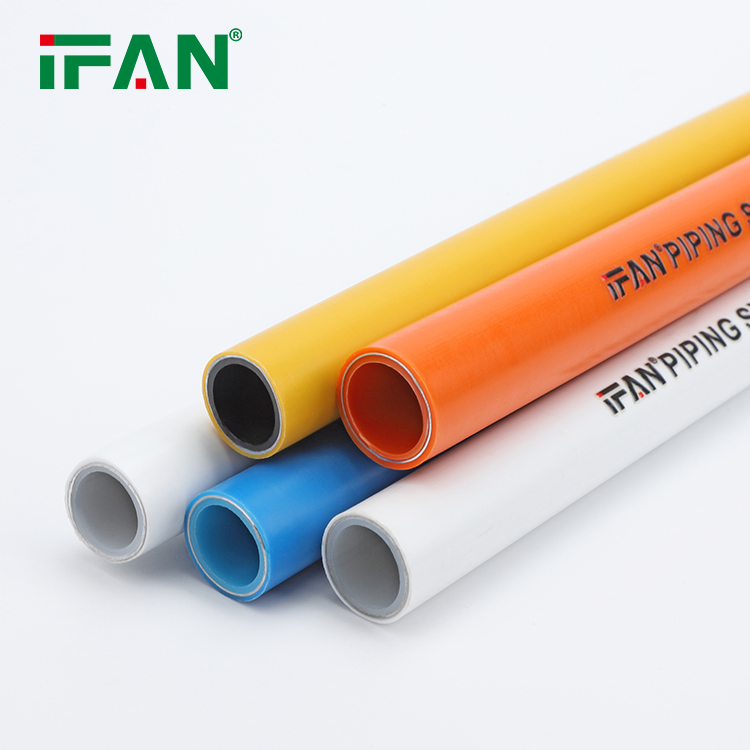
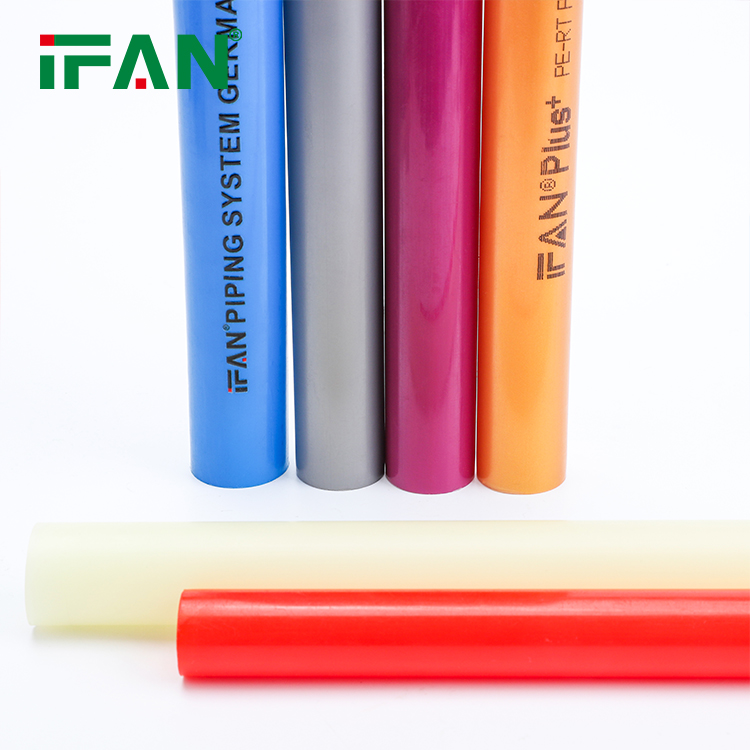
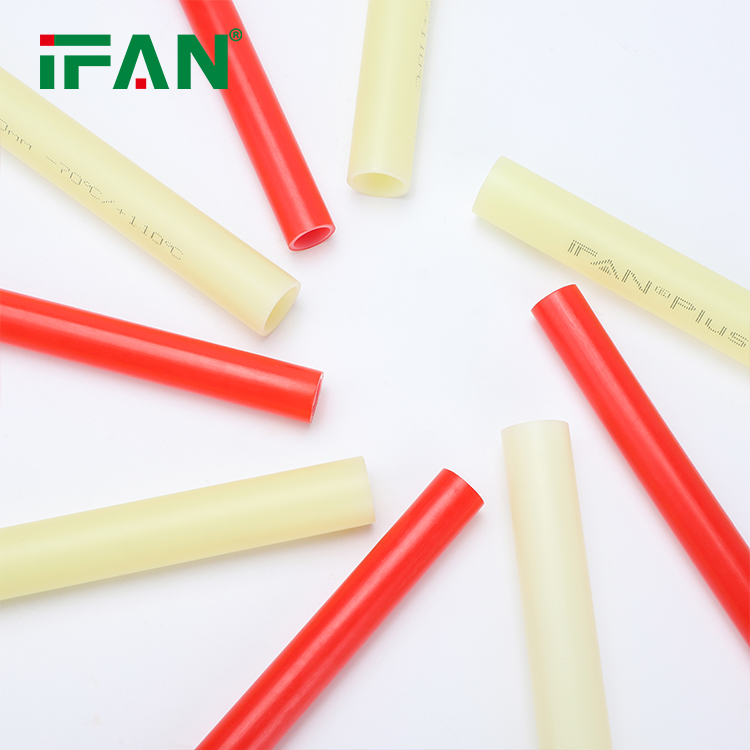
In the ever-evolving plumbing industry, the demand for high-quality piping solutions continues to rise. Zurn Elkay, a prominent player in this sector, has recently announced a significant increase in its PEX (cross-linked polyethylene) pipe manufacturing capacity. This strategic move not only aims to meet the growing market demand but also highlights the company’s commitment to innovation and sustainability. In this article, we will explore the implications of Zurn Elkay’s expansion, the advantages of PEX pipes, and how PPR (Polypropylene Random Copolymer) pipes serve as a sustainable alternative in the plumbing landscape.
Zurn Elkay: Pioneering Plumbing Solutions
Company Background
Zurn Elkay has long been recognized for its innovative plumbing products, catering to both residential and commercial markets. With a focus on quality, performance, and sustainability, the company has established itself as a leader in the plumbing industry. Their extensive product range includes faucets, fixtures, and piping systems, with a particular emphasis on PEX technology.
The Decision to Expand Manufacturing Capacity
The decision to increase PEX pipe manufacturing capacity comes in response to the growing popularity of PEX in various applications. Factors contributing to this trend include the material’s flexibility, resistance to corrosion, and ease of installation. As more contractors and homeowners recognize the benefits of PEX, Zurn Elkay aims to position itself at the forefront of this expanding market.
The Advantages of PEX Pipes
1. Flexibility and Ease of Installation
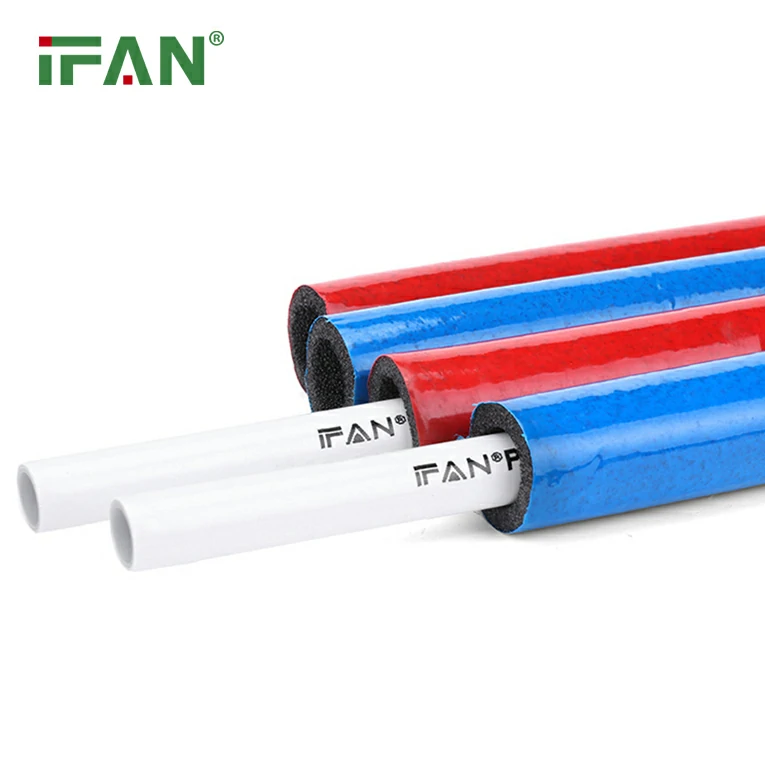
One of the standout features of PEX pipes is their flexibility. Unlike traditional rigid piping materials, PEX can bend and curve easily, allowing for simpler installation. This flexibility reduces the need for numerous fittings and joints, which not only saves time during installation but also minimizes potential leak points.
2. Corrosion Resistance
PEX pipes are inherently resistant to corrosion and scale buildup, a common issue with metal pipes. This characteristic extends the lifespan of PEX installations and significantly reduces maintenance costs over time. Homeowners and contractors can enjoy peace of mind knowing that PEX systems are less likely to suffer from leaks and deterioration.
3. Thermal Efficiency
PEX pipes also offer excellent thermal insulation properties. They can help maintain the temperature of hot water, reducing energy costs associated with heating. This feature is particularly beneficial in colder climates, where heat loss can significantly impact energy bills.
4. Reduced Noise
Another advantage of PEX pipes is their ability to absorb sound, making them a quieter option compared to metal pipes. This noise reduction is especially appealing in residential settings, where plumbing noise can be disruptive.
5. Cost-Effectiveness
While the initial cost of PEX pipes may be comparable to other materials, the long-term savings associated with installation and maintenance make them a cost-effective choice. The ease of installation and reduced need for repairs contribute to overall savings for homeowners and contractors alike.
The Role of PPR Pipes as a Sustainable Alternative
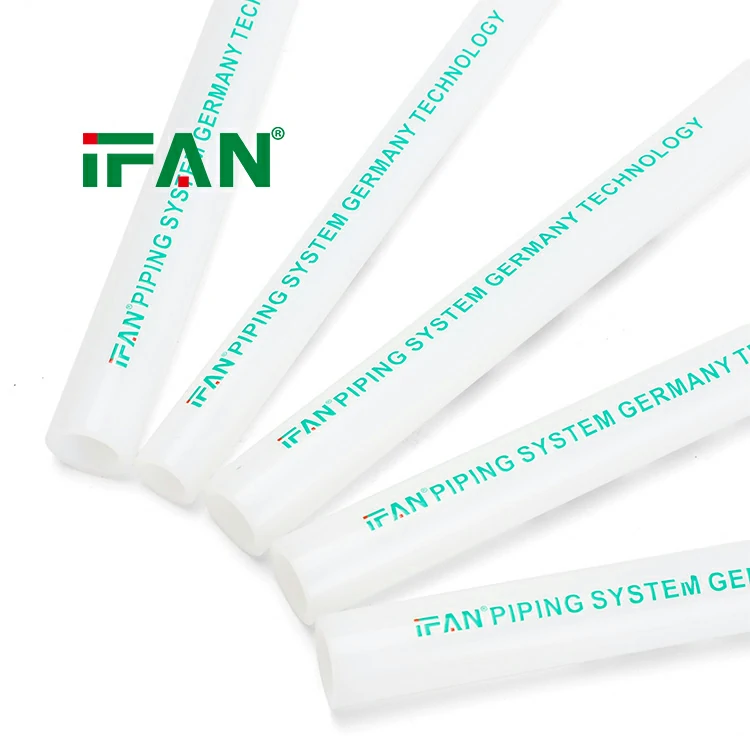
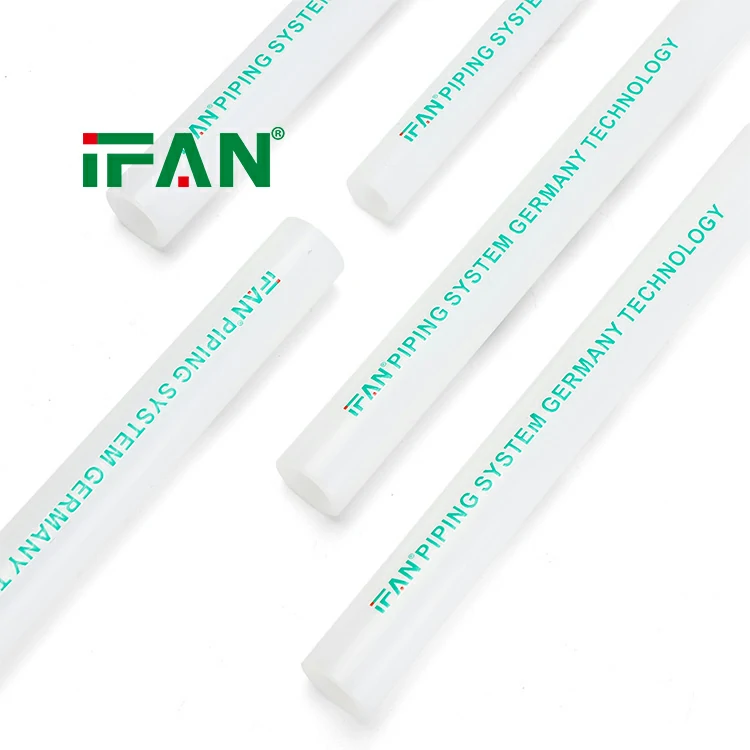
While PEX pipes offer numerous benefits, it’s essential to consider alternative materials like PPR (Polypropylene Random Copolymer) pipes. PPR pipes are gaining popularity in the plumbing industry for several reasons:
1. Recyclability
One of the most significant advantages of PPR pipes is their recyclability. Unlike PEX, which presents challenges in recycling due to its cross-linked structure, PPR can be easily melted down and reformed. This characteristic aligns with the growing emphasis on sustainability in the plumbing industry, as it allows for a circular economy approach.
2. Chemical Resistance
PPR pipes are highly resistant to a wide range of chemicals, making them suitable for various applications, including hot and cold water supply systems. Their durability ensures they can withstand harsh environments, contributing to their longevity.
3. Longevity
PPR pipes have a lifespan that often exceeds 50 years, reducing the need for frequent replacements. This durability not only provides long-term savings but also minimizes waste in landfills, aligning with sustainable practices.
4. Cost-Effectiveness
Similar to PEX, PPR pipes offer a cost-effective solution for plumbing systems. Their long lifespan and low maintenance requirements contribute to overall savings for both homeowners and contractors.
5. Easy Installation
PPR pipes are lightweight and easy to handle, making installation straightforward. Their compatibility with various fittings and joints further enhances their appeal in the plumbing market.
The Future of PEX and PPR in the Plumbing Industry
As Zurn Elkay increases its PEX pipe manufacturing capacity, the plumbing industry is poised for growth and innovation. The demand for sustainable and efficient plumbing solutions will continue to drive advancements in both PEX and PPR technologies.
Embracing Sustainability
With the increasing awareness of environmental issues, both manufacturers and consumers are seeking more sustainable options. Zurn Elkay’s expansion reflects a commitment to meeting this demand while also encouraging responsible practices within the plumbing industry.
Collaboration and Innovation
The future of plumbing will rely heavily on collaboration between manufacturers, contractors, and consumers. By sharing knowledge and resources, the industry can foster innovation and develop new solutions that prioritize sustainability and efficiency.
Education and Awareness
Educating consumers about the benefits of both PEX and PPR pipes is essential. By raising awareness about the advantages of these materials, the industry can drive informed decision-making and promote sustainable practices.
Conclusion
Zurn Elkay’s decision to increase PEX pipe manufacturing capacity is a strategic response to the growing demand for efficient and reliable plumbing solutions. As the industry continues to evolve, both PEX and PPR pipes will play crucial roles in shaping the future of plumbing. By embracing sustainability and innovation, the plumbing industry can meet the challenges of tomorrow while providing high-quality solutions for consumers.
Frequently Asked Questions (FAQs)
1. What are PEX pipes, and what are their advantages?
PEX pipes are cross-linked polyethylene pipes used in plumbing systems. Their advantages include flexibility, corrosion resistance, thermal efficiency, reduced noise, and cost-effectiveness.
2. Why is Zurn Elkay increasing its PEX pipe manufacturing capacity?
Zurn Elkay is increasing its PEX pipe manufacturing capacity to meet the growing demand for PEX in the plumbing industry, driven by its versatility and reliability.
3. What are PPR pipes, and how do they compare to PEX pipes?
PPR pipes are Polypropylene Random Copolymer pipes known for their recyclability, chemical resistance, longevity, and cost-effectiveness. Unlike PEX, PPR pipes can be melted down and reformed, making them a more sustainable option.
4. Are PEX pipes recyclable?
PEX pipes present challenges in recycling due to their cross-linked structure. While some advancements are being made, traditional recycling methods are often ineffective for PEX.
5. How do PPR pipes contribute to sustainability in plumbing?
PPR pipes are recyclable, have a long lifespan, and are resistant to chemicals, making them a sustainable alternative to traditional plumbing materials. Their recyclability supports a circular economy approach in the plumbing industry.