Advantages of Using PPR Valve in Your Plumbing System
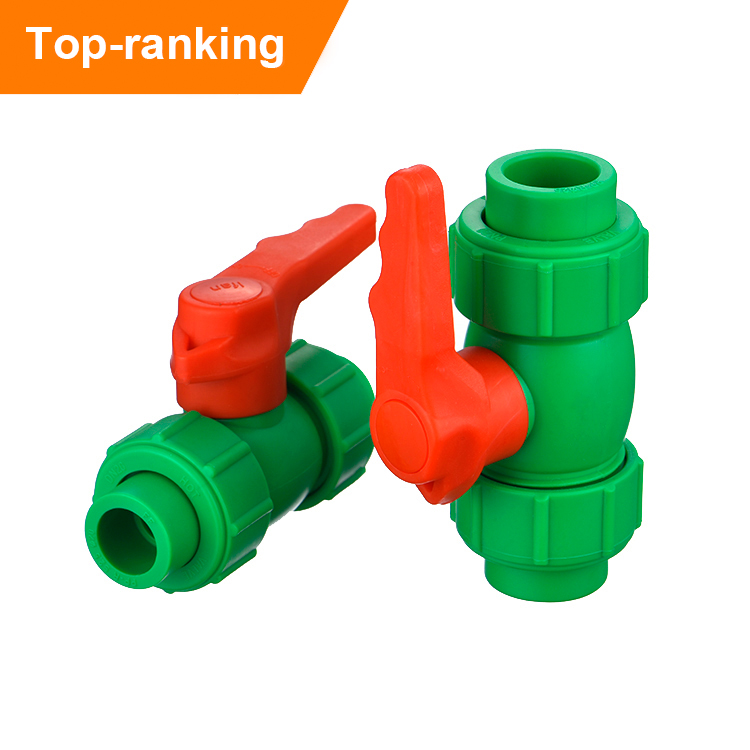
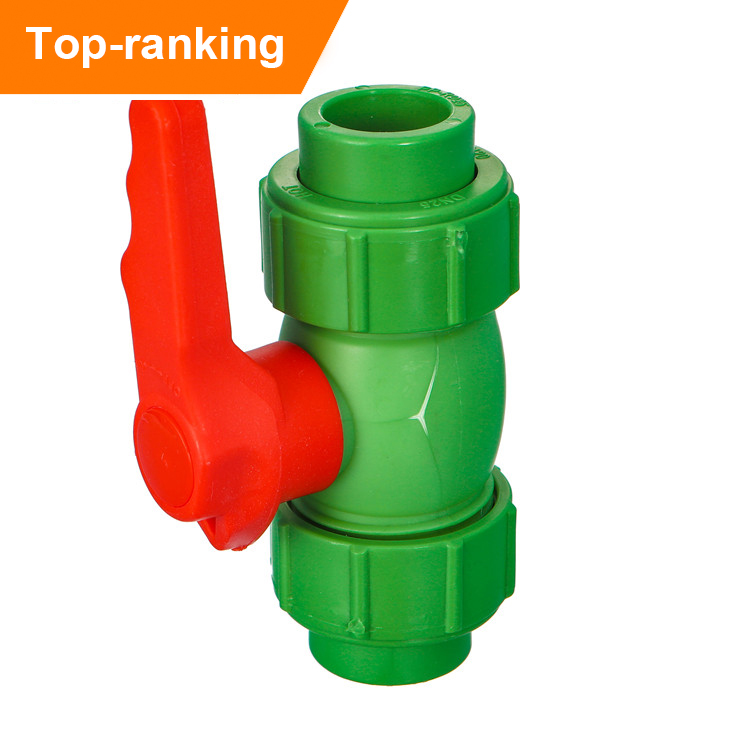
When it comes to plumbing systems, it is important to ensure that everything is installed and working correctly. One key component of any plumbing system is the valve used to control the flow of water. In recent years, PPR valves have become increasingly popular due to the many advantages they offer over traditional valves. In this article, we will outline some of the main advantages of using a PPR valve in your plumbing system.
- Durability
One of the biggest advantages of using a PPR valve is its durability. Made from high-quality materials, PPR valves are resistant to corrosion, which means that they last much longer than other types of valves. This makes them a great choice for homeowners who want to invest in a long-lasting plumbing system that requires minimal maintenance.
- Easy Installation
Another advantage of PPR valves is their ease of installation. They are designed to be simple and easy to install, which means that you don’t need to be a plumbing expert to get them up and running. This can save you both time and money, as you won’t need to hire a professional plumber to install the valve.
- High-Temperature Resistance
PPR valves are designed to be able to withstand high temperatures, which makes them particularly suitable for use in hot water systems. They can easily handle temperatures of up to 70 degrees Celsius, which means that they are a safe and reliable choice for use in your plumbing system.
- Chemical Resistance
Another advantage of PPR valves is that they are highly resistant to a wide range of chemicals. This means that they can be used in a variety of different plumbing systems, including those that handle corrosive or acidic chemicals. This resistance to chemicals also ensures that the valve remains in good working condition, even after years of use.
- Cost-Effective
Finally, PPR valves are a cost-effective choice for homeowners looking to invest in their plumbing systems. They are relatively inexpensive compared to other types of valves, which means that you can easily afford to install them in your home without breaking the bank. Additionally, the longevity and durability of PPR valves mean that you won’t need to replace them for many years, which can save you money in the long run.
In conclusion, PPR valves are a great choice for homeowners looking to upgrade their plumbing systems. With their durability, ease of installation, high-temperature resistance, chemical resistance, and cost-effectiveness, they are quickly becoming one of the most popular types of valves on the market today. By investing in a PPR valve, you can ensure that your plumbing system remains in good working condition for many years to come.