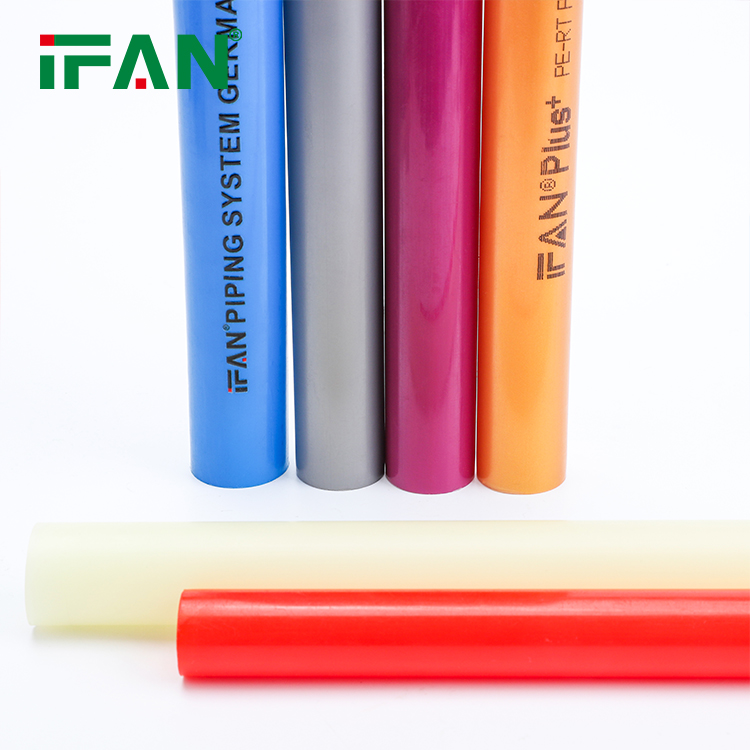
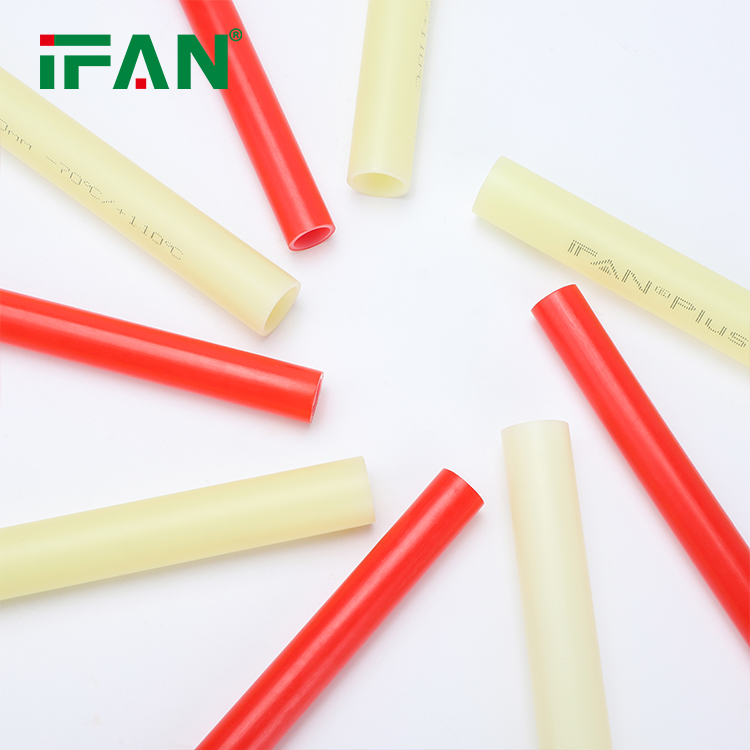
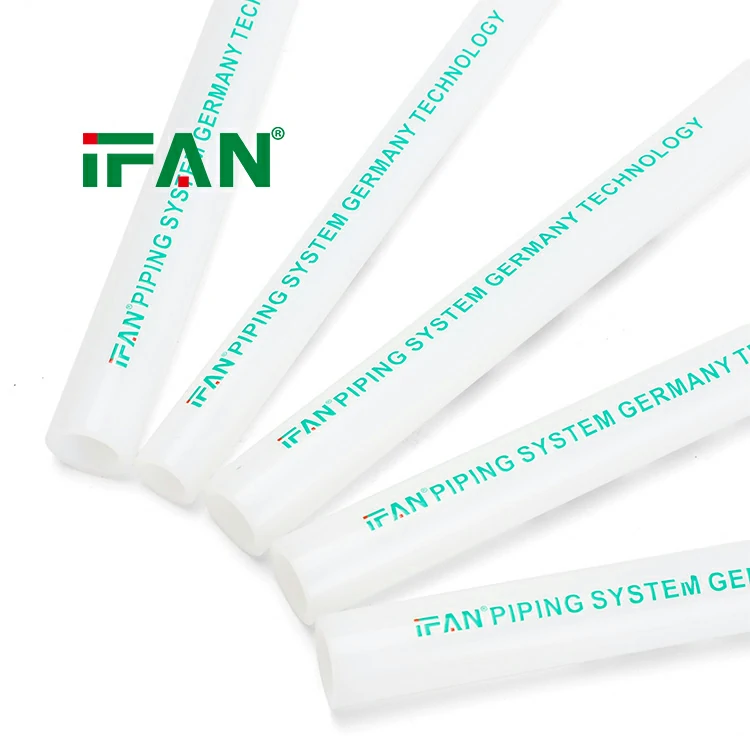
Are PPR pipe fittings suitable for both hot and cold water applications?

Are PPR pipe fittings suitable for both hot and cold water applications?

Yes, PPR pipe fittings are suitable for both hot and cold water applications. Here are some key points regarding the suitability of PPR pipe fittings for hot and cold water systems:
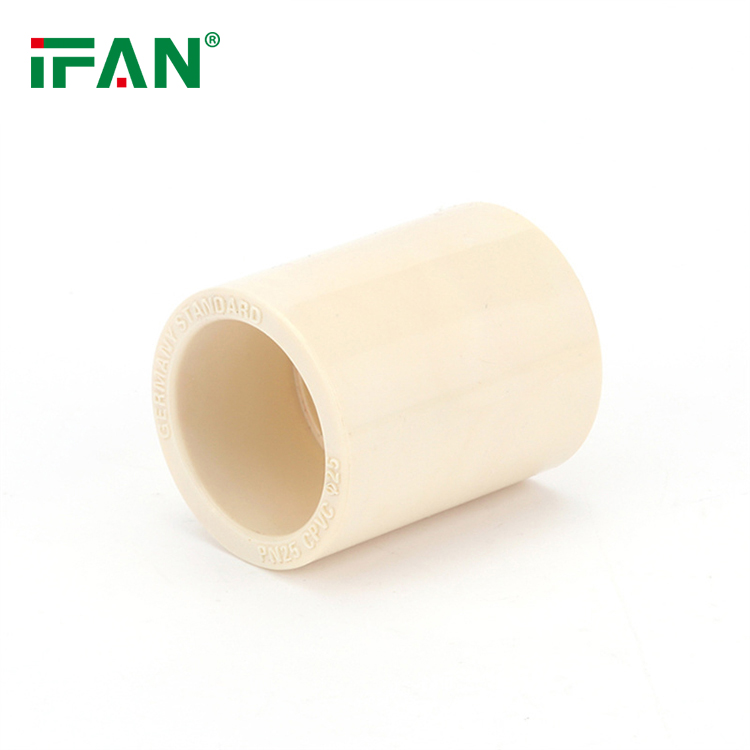
1. Heat Resistance: PPR pipe fittings are specifically designed to handle high temperatures. They can withstand hot water temperatures up to 203°F (95°C) for long-term use without any significant degradation or loss of mechanical properties.

2. Cold Water Applications: PPR pipe fittings are equally suitable for cold water applications. They can efficiently transport cold water without any adverse effects on the material or the plumbing system.

3. Versatility: PPR pipe fittings are versatile and can be used for various plumbing applications, including hot and cold water supply systems in residential, commercial, and industrial buildings.

4. Energy Efficiency: The low thermal conductivity of PPR pipe fittings helps to minimize heat loss in hot water systems, improving energy efficiency and reducing energy costs.

5. Chemical Resistance: PPR pipe fittings are resistant to chemicals typically found in both hot and cold water systems. They can withstand exposure to acids, alkalis, and other substances without degradation, ensuring the longevity of the plumbing system.

6. Cost-Effectiveness: The cost-effectiveness of PPR pipe fittings for both hot and cold water applications is another advantage. They offer excellent performance, durability, and ease of installation at an affordable price point.

Whether it is for hot water or cold water applications, PPR pipe fittings provide reliable performance, durability, and resistance to chemicals and heat. Their versatility and cost-effectiveness make them a preferred choice for plumbing systems that require the transportation of both hot and cold water.
Share:

Facebook
Twitter
Pinterest
LinkedIn

Leave a Comment

Your email address will not be published. Required fields are marked *

On Key

Related Posts

Pressure Testing Procedures for Installed PEX Press Fittings

IFAN PEX Press Fittings: Pressure Testing Procedures That Actually Save You Money Skip the Test? You’re Basically Gambling Every experienced plumber knows one thing — “30% installation, 70% testing.” You can make the prettiest pipe connections in the world, crimp every fitting perfect, but if you don’t pressure test, you’re crossing the road with your eyes closed.

Understanding O Ring Seals in PEX Press Fitting Systems

Understanding O-Ring Seals in PEX Press Fitting Systems: The Tiny Ring That Makes or Breaks Your Entire Piping Most people think PEX press fittings are just about slapping a pipe in and crimping it with a tool. Done. But here’s the real question — why doesn’t it leak after you crimp it? The answer is

PEX Press Fittings vs Crimp Fittings Which Connection Is More Reliable

PEX Press Fittings vs Crimp Fittings: Which Connection Actually Holds Up Better? Let’s Settle This Once and For All If you’ve ever stood in a plumbing supply aisle staring at PEX fittings, you know the headache. Press or crimp? The internet is full of opinions, but very few people actually tell you the truth. So

How PEX Press Fittings Create a Permanent Seal Without Soldering

How PEX Press Fittings Create a Permanent Seal Without Soldering: IFAN Shows You Why Cold Connections Are the Future One: Soldering Should Have Been Dead Years Ago Anyone who’s done plumbing knows the pain of copper soldering — open flame, solder wire, flux, risk of burning your hands, and the nightmare of hidden weak joints

Common Brass Ball Valve Failures and How to Prevent Them

Common Brass Ball Valve Failures and How to Prevent Them — The IFAN Way Most Valve Failures Come Down to These Few Things After years in the plumbing game, I’ve noticed a pattern — when a ball valve fails, it almost always comes down to the same handful of issues. Most people treat valves like

Get Free Quote NOW