Title: Advantages of CPVC Pipe Fittings: The Answer to Corrosion Resistance
Introduction (100 words):
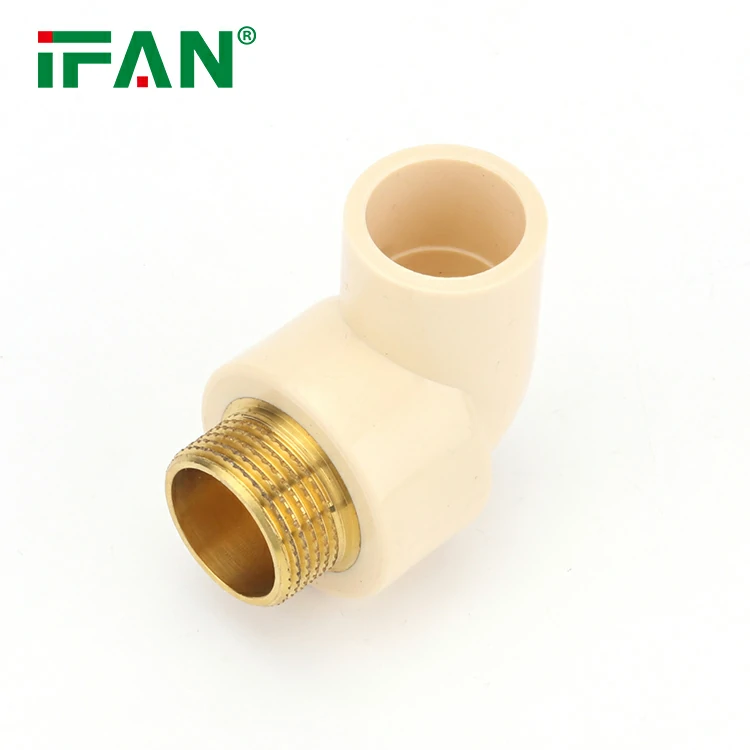
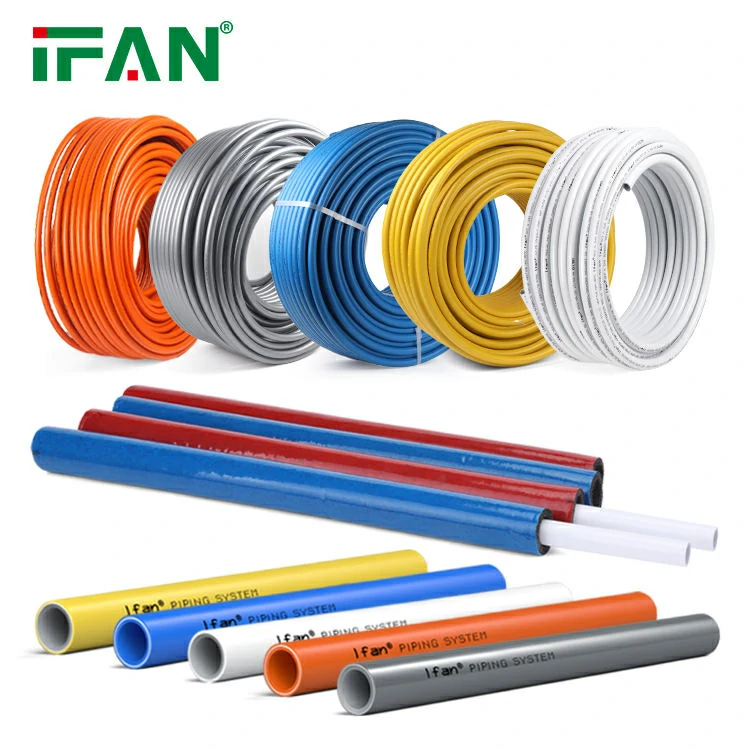
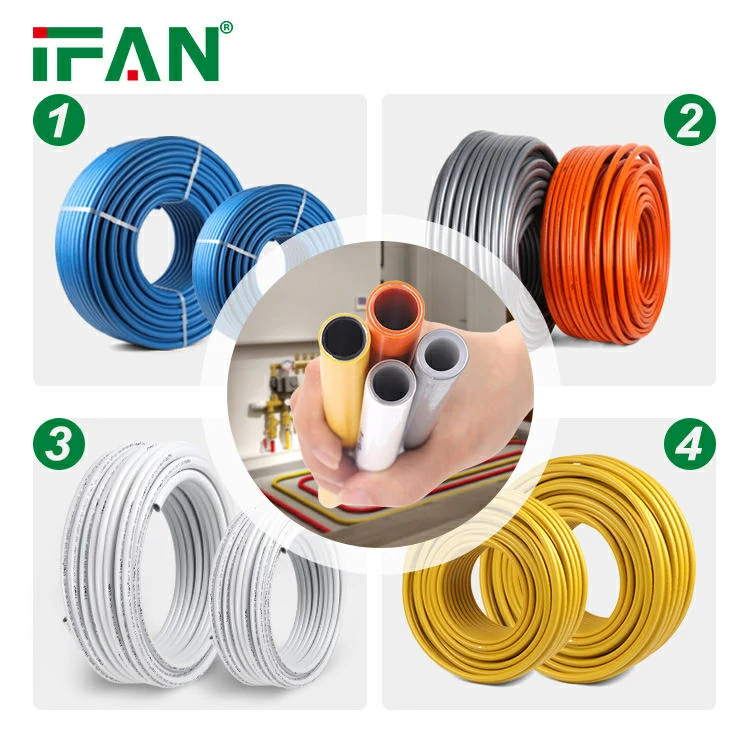
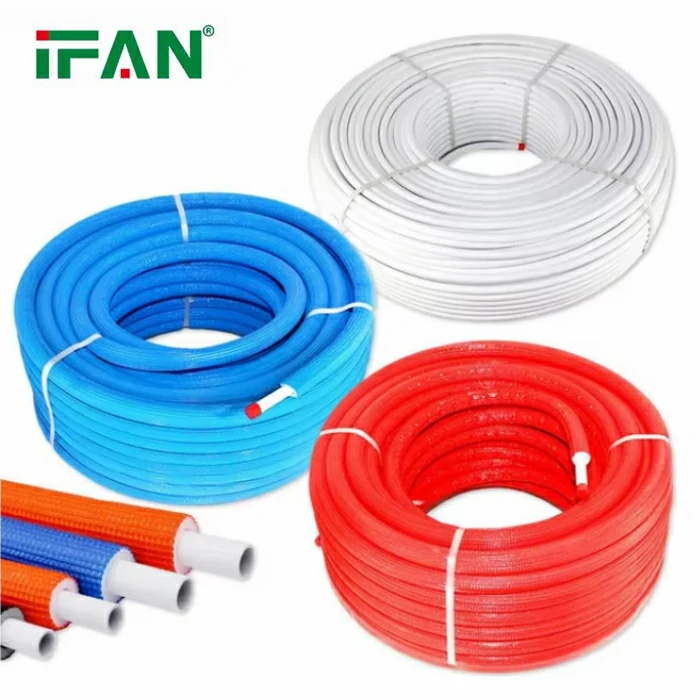
CPVC (Chlorinated Polyvinyl Chloride) is a thermoplastic material that has become the answer to the problem of corrosion resistance in pipe systems. CPVC pipe fittings are made of this material and have several advantages over traditional metal pipe fittings. This type of piping system has become very popular in recent years due to its excellent performance in a wide range of applications.
Cost-Effective (100 words):
CPVC pipes and fittings are known for their cost-effectiveness. They are less expensive than traditional metal pipes, as well as easier and faster to install. This makes them an ideal choice for large-scale commercial projects or residential remodeling jobs that require a large number of pipe fittings.
Corrosion Resistance (100 words):
CPVC pipes and fittings are resistant to a wide range of corrosive chemicals, making them ideal for aggressive environments. They do not corrode, rust, or pit, and they are unaffected by most acids, bases, and salts. CPVC pipes and fittings are used in a wide variety of applications, from water and sewage systems to chemical processing plants, where corrosion resistance is crucial.
Durability (100 words):
CPVC pipe fittings are extremely durable and can last for many years with little maintenance. They do not crack or break easily, even under high pressure or extreme temperatures. CPVC is also resistant to UV radiation, making it an ideal choice for outdoor applications.
Easy Installation (100 words):
CPVC pipe fittings are easy to install and require no welding or brazing. They can be joined using a solvent cement, which forms a permanent bond between the pipe and fitting. This makes installation fast, easy, and cost-effective, and reduces the potential for leaks.
Conclusion (100 words):
In conclusion, CPVC pipe fittings offer many advantages over traditional metal pipe fittings. They are cost-effective, resistant to corrosion, durable, and easy to install. They are also ideal for a wide range of applications, from residential plumbing to industrial chemical processing. As more industries and consumers become aware of these advantages, the use of CPVC pipe fittings is expected to continue increasing.
Meta Description: Learn about the many advantages of CPVC pipe fittings, including cost-effectiveness, corrosion resistance, durability, and easy installation.