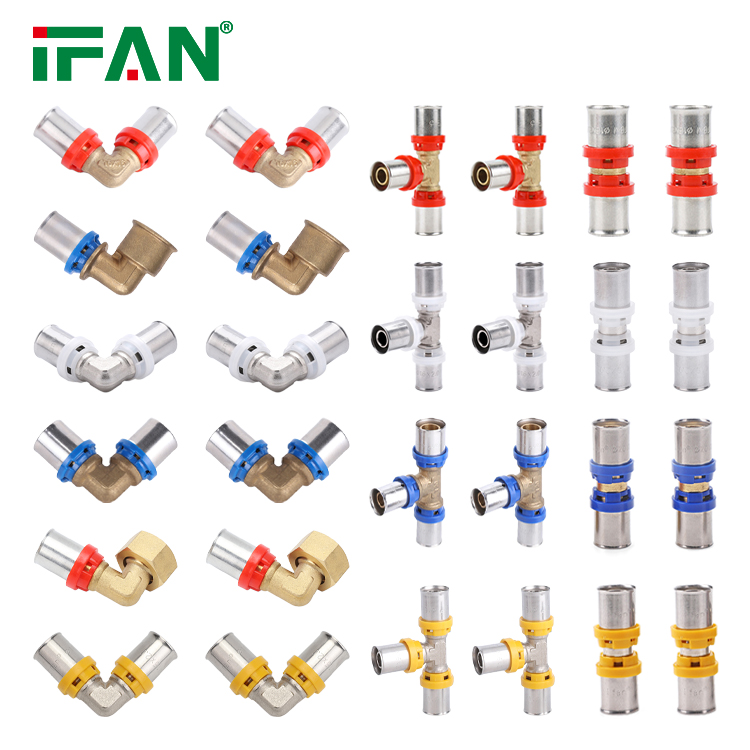
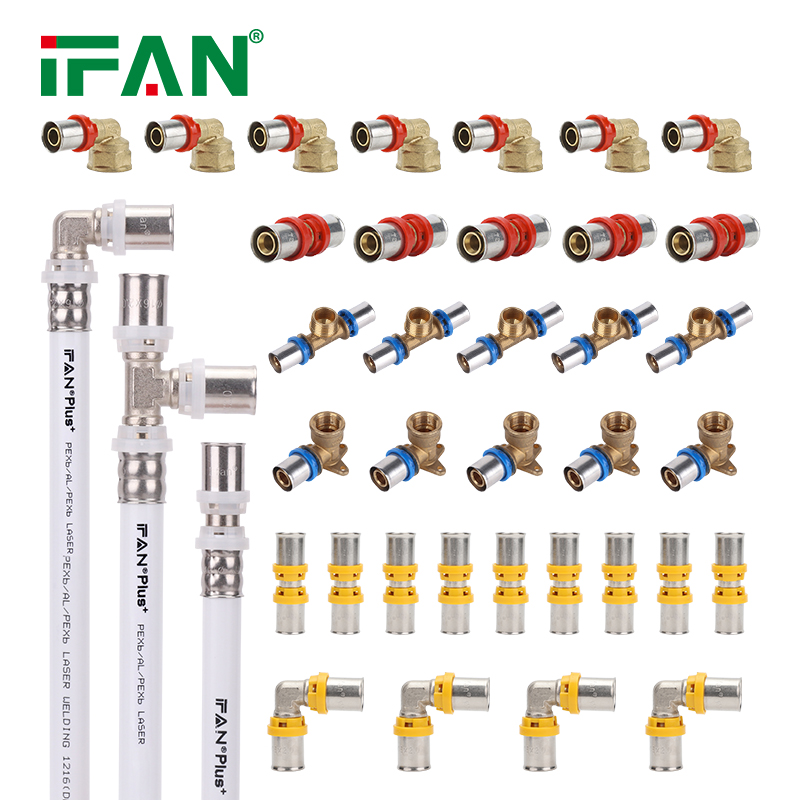
CPVC Pipe Fittings for Enhanced Security Against Water Leaks and Damage
Introduction
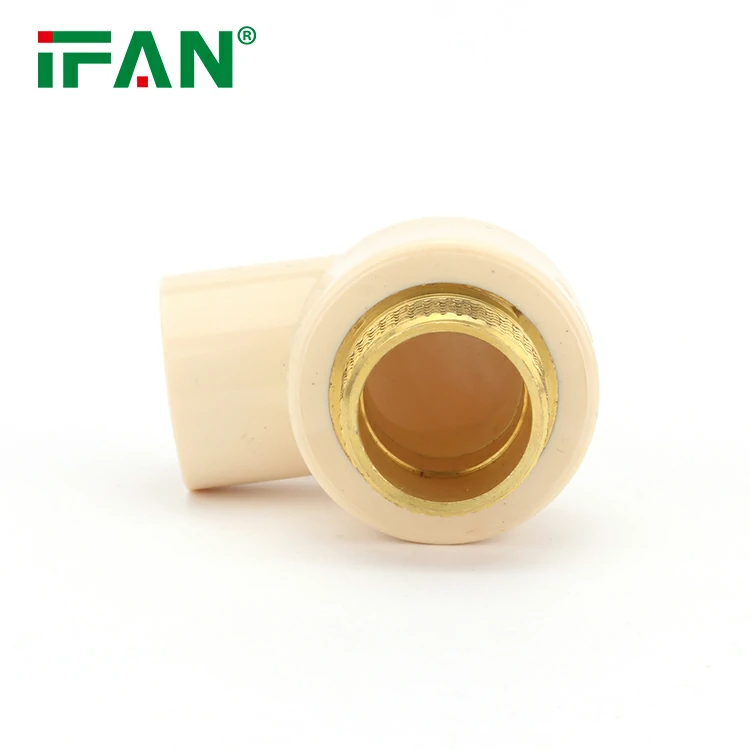
CPVC Pipe Fittings are widely used in plumbing systems for their superior durability and resistance to chemical erosion. They are particularly useful in systems that require higher temperatures and pressures, such as hot water lines and industrial applications.
Reliability and Stability
One of the key benefits of CPVC Pipe Fittings is their reliable performance under extreme conditions. They are designed to withstand a high degree of stress and pressure, making them an ideal choice for applications that require long-term stability and reliability.
Resistance to Corrosion and Chemicals
Another advantage of CPVC Pipe Fittings is their high resistance to corrosive agents such as acids, alkalis, and salts. This property makes them suitable for use in environments where chemicals and other harsh substances may be present.
Ease of Installation
CPVC Pipe Fittings are also easy to install and require minimal maintenance. Due to their lightweight, they can be easily handled and maneuvered during installation. Additionally, their connections are made using solvent cement, eliminating the need for mechanical fittings and reducing the risk of leaks.
Enhanced Security Against Water Leaks and Damage
Finally, one of the main benefits of CPVC Pipe Fittings is their ability to provide enhanced security against water leaks and damage. Their tight, leak-free connections ensure that water remains contained within the plumbing system, reducing the risk of water damage and flooding.
Conclusion
Overall, CPVC Pipe Fittings offer a range of benefits for plumbing systems, including reliability, chemical resistance, ease of installation, and enhanced security against water leaks and damage. Their versatility and durability make them an excellent choice for a wide range of residential and industrial plumbing applications.