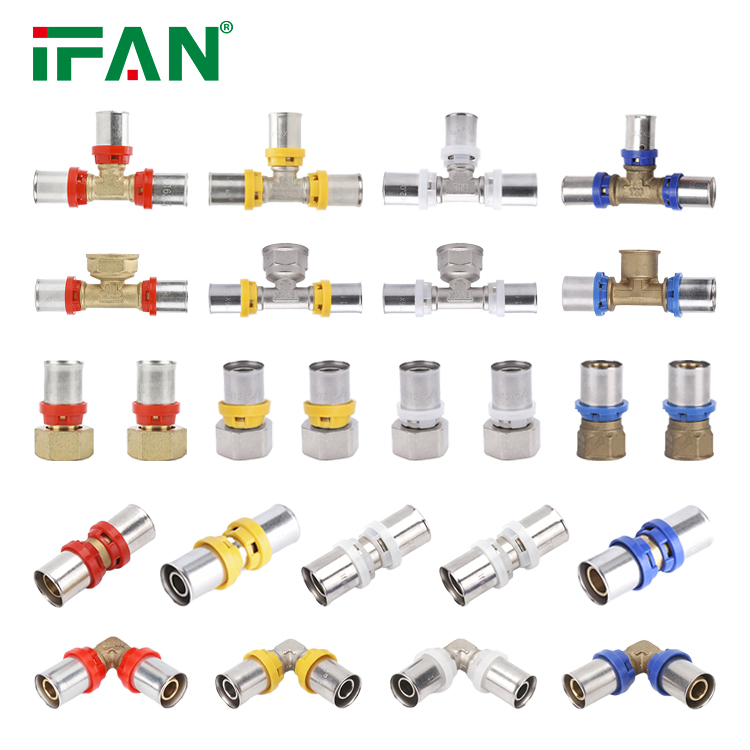
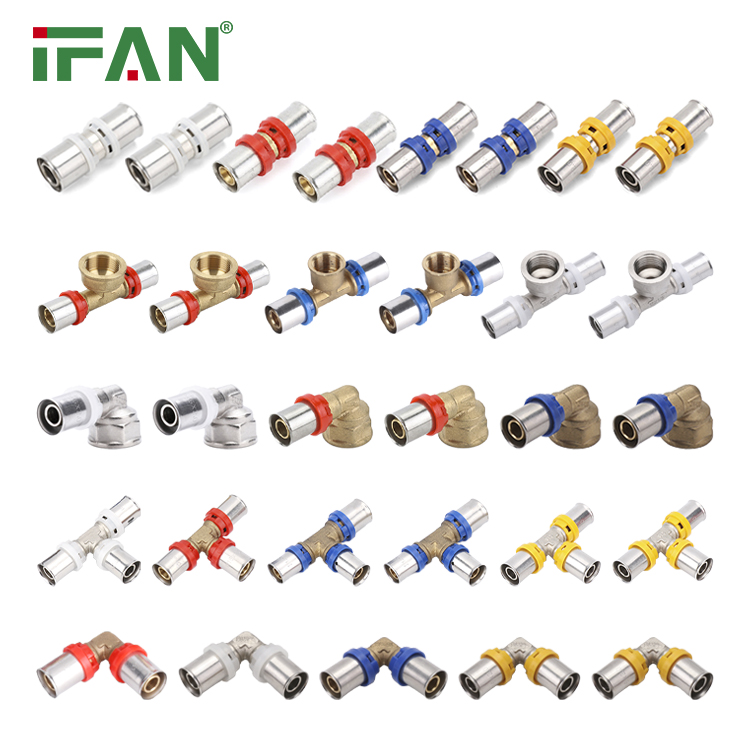
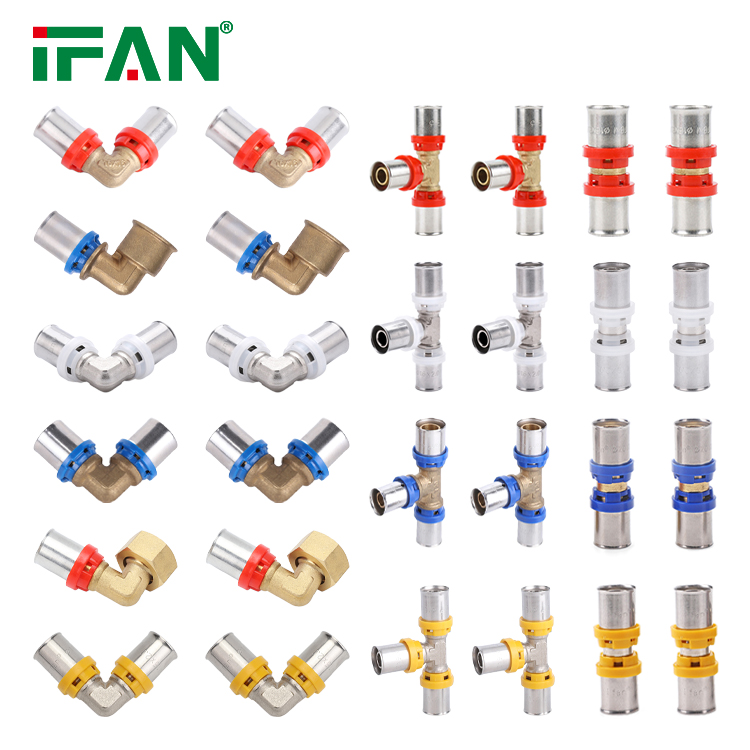
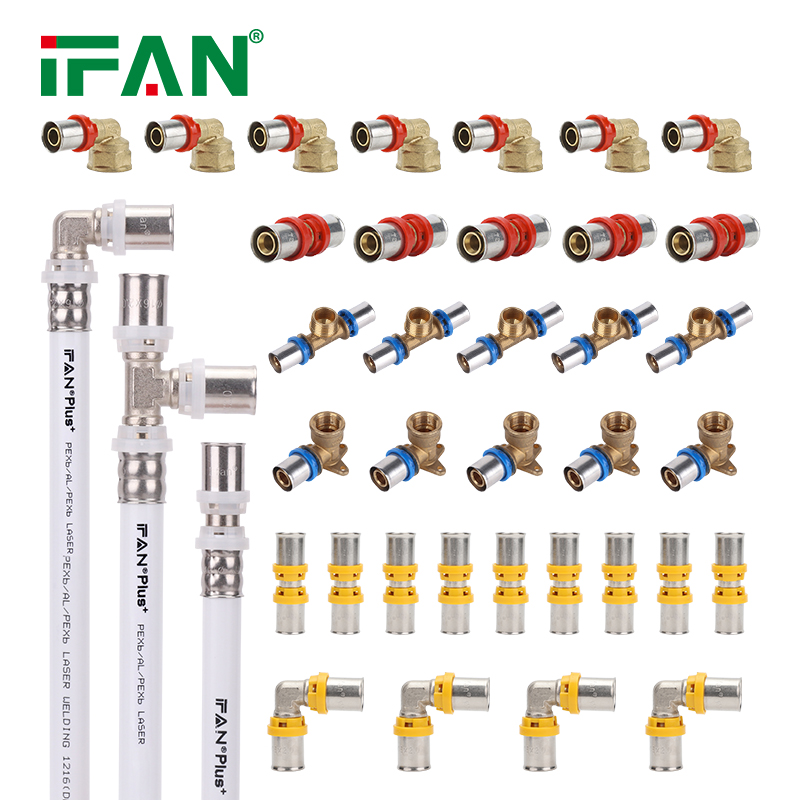
ASTM2846(501)Secure and Leak-Proof CPVC Pipe Fittings for Your Peace of Mind

CPVC Pipe Fittings Overview
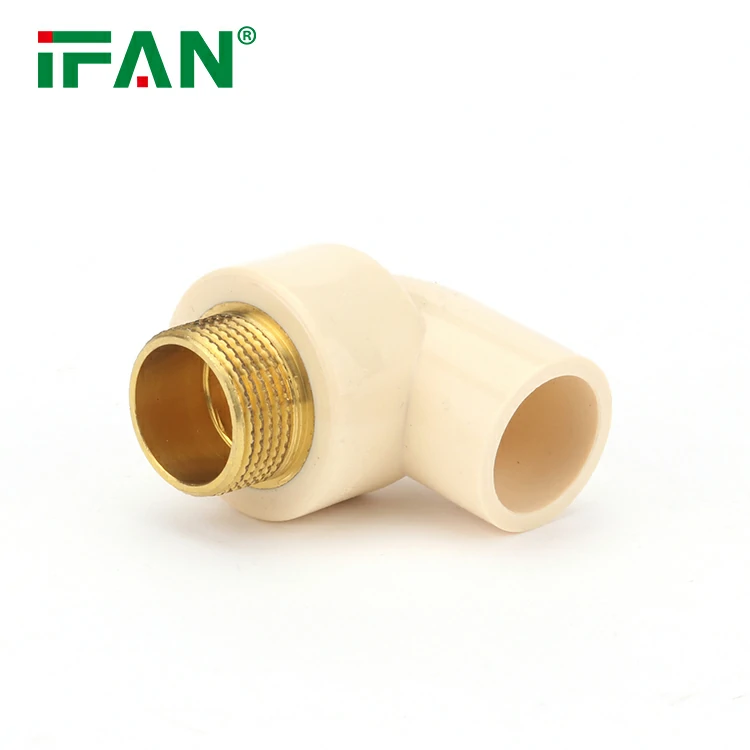
CPVC pipe fittings are an excellent alternative to traditional metal or copper pipe fittings. They are made from chlorinated polyvinyl chloride, a thermoplastic material known for its high resistance to temperature, pressure, and chemicals. CPVC pipe fittings are ideal for hot and cold water systems and are an excellent choice for industrial, commercial, and residential applications.

Secure and Durable
CPVC pipe fittings are designed with a secure locking mechanism that ensures a leak-proof connection. The fittings are easy to install and require no special tools. They are also durable and resistant to wear and tear, making them a reliable choice for a long-lasting plumbing system.

Chemical Resistance
CPVC pipe fittings are highly resistant to chemical corrosion, making them ideal for use in harsh environments where chemical exposure is a concern. They are also resistant to UV rays, making them suitable for outdoor applications.

Low Maintenance
CPVC pipe fittings require little to no maintenance, as they do not rust or corrode. They are also resistant to bacterial growth, making them an excellent choice for potable water systems. This makes them a cost-effective option in the long run, as they require minimal repairs and replacements.

Peace of Mind
Using CPVC pipe fittings ensures your plumbing system is secure, leak-proof, and designed to last. They are a reliable choice for any application, providing peace of mind and assurance that your plumbing system will function as intended.

In conclusion, CPVC pipe fittings offer a secure, leak-proof, and reliable alternative to traditional metal or copper pipe fittings. They are durable, chemical-resistant, low maintenance, and provide peace of mind. As such, they are a great option for industrial, commercial, and residential plumbing systems.
Share:

Facebook
Twitter
Pinterest
LinkedIn

Leave a Comment

Your email address will not be published. Required fields are marked *

On Key

Related Posts

IFAN PEX Radiant Floor Tubing: The Smart Choice for Warmth from the Ground Up

Introduction: The “Heart” of Radiant Heating—Why Tubing Matters Imagine stepping onto a warm floor on a chilly winter morning, with heat gently rising from your feet to envelop the room. That’s the magic of radiant floor heating—but the real hero isn’t the boiler or thermostat. It’s the tubing buried beneath your floors, which determines the

IFAN Five Layer PEX Barrier Pipe: The Ultimate Solution for Modern Piping Systems

Introduction to IFAN Five Layer PEX Barrier Pipe When it comes to piping systems, whether for residential, commercial, or industrial use, durability, efficiency, and safety are paramount. IFAN, a renowned brand in the piping industry, has introduced its revolutionary Five Layer PEX Barrier Pipe, a product that is changing the game in the world of piping

IFAN EVOH Oxygen Barrier PERT Pipe

IFAN EVOH Oxygen Barrier PERT Pipe: The Ultimate Solution for Modern Piping Systems Introduction: The Rising Demand for High-Performance Piping In today’s world, where efficiency and durability are paramount, the demand for high-performance piping systems has skyrocketed. Whether it’s for residential heating, commercial plumbing, or industrial applications, having a reliable and long-lasting piping solution is

IFAN PERT Multilayer Composite Pipe

PERT Multilayer Composite Pipe is a hybrid pipeline solution that combines the advantages of PERT (Polyethylene of Raised Temperature Resistance) plastic with a metallic layer, widely used in heating systems, hot water supply, and industrial fluid transportation. Below is a detailed introduction covering its structure, performance benefits, applications, and installation/maintenance. 1. Structural Characteristics PERT multilayer composite

The Role of EVOH Oxygen Barrier in IFAN PEX Floor Heating Pipes

Introduction: Why Do Floor Heating Pipes Need Oxygen Barrier? Imagine you’ve just installed a brand-new floor heating system in your home, expecting cozy warmth every winter. However, a few years later, you notice that the heating efficiency drops, the boiler makes strange noises, and even the water flow seems sluggish. What went wrong? The culprit

Get Free Quote NOW