
IFAN factory 30+ years manufacture experience support color /size customization support free sample.Welcome to consult for catalog and free samples.This is our Facebook Website:www.facebook.com,Click to watch IFAN’s product video.Compared with Tomex products, our IFAN products from quality to price are your best choice, welcome to buy!
CPVC (Chlorinated Polyvinyl Chloride) has become a popular choice for plumbing and piping systems due to its durability, versatility, and resistance to heat and corrosion. As a beginner, understanding CPVC fittings and their applications is essential for any plumbing project. This guide will explore the characteristics of CPVC fittings, their various types, advantages, installation techniques, and common applications.
Understanding CPVC Fittings
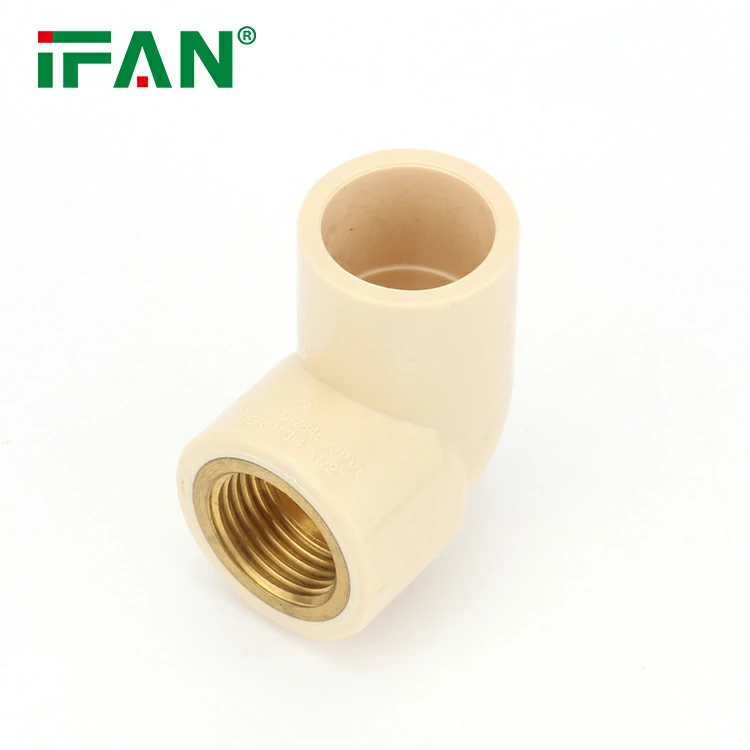
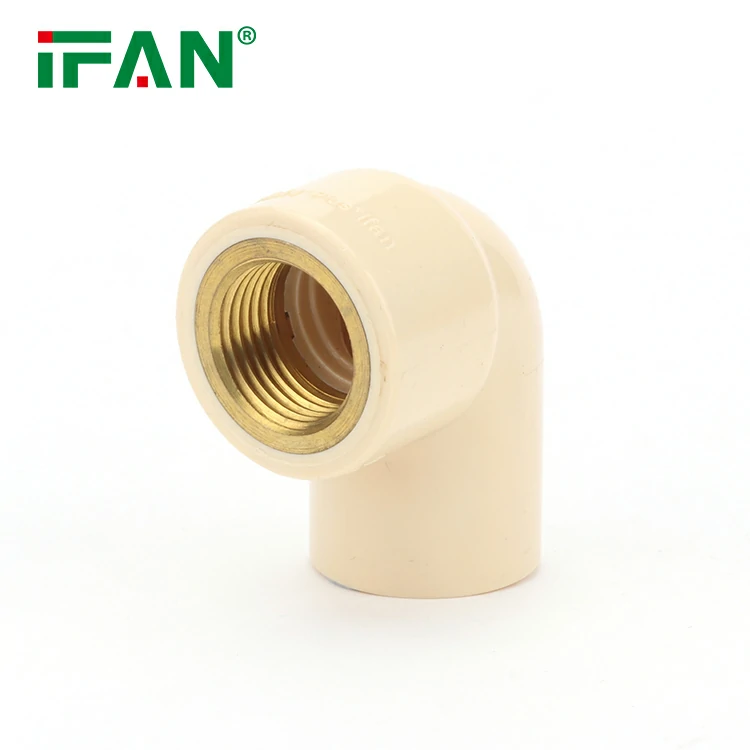
CPVC fittings are components used to connect CPVC pipes in plumbing systems. Unlike traditional PVC, CPVC is chlorinated, which makes it suitable for hot water applications as well as cold water systems. Available in various shapes such as elbows, tees, couplings, and adaptors, CPVC fittings allow for flexible configurations in piping systems. They come in different diameters and pressure ratings, making it crucial to select the appropriate fitting for your specific needs.
Advantages of CPVC Fittings
One of the primary advantages of CPVC fittings is their resistance to high temperatures and pressures. They can handle temperatures up to 200°F (93°C), making them ideal for hot water distribution. Additionally, CPVC is resistant to corrosion, which prolongs the lifespan of plumbing systems compared to metal alternatives. Furthermore, CPVC fittings are lightweight and easy to install, requiring fewer tools and less time for assembly. These features make CPVC an economical and efficient choice for both residential and commercial plumbing projects.
Installation Techniques
Installing CPVC fittings involves a straightforward process that requires careful attention to detail. First, measure and cut the CPVC pipe to the desired length using a pipe cutter for a clean edge. Next, deburr the cut edges to remove any sharp bits that could interfere with sealing. Before joining the fittings, apply a primer to the outside of the pipe and the inside of the fitting, followed by solvent cement. Once the cement is applied, insert the pipe into the fitting, twisting slightly to ensure an even distribution of cement. Hold the joint for about 30 seconds to allow it to set before moving on to the next connection. Proper installation is key to preventing leaks and ensuring the longevity of the system.
Common Applications of CPVC Fittings
CPVC fittings are widely used in various applications. In residential settings, they are primarily utilized for hot and cold water supply lines, ensuring safe and efficient water delivery. Commercially, CPVC is commonly found in industrial piping systems, where it transports corrosive materials safely. Additionally, CPVC fittings are often used in fire sprinkler systems due to their ability to withstand high temperatures. Their versatility also extends to irrigation systems, where they provide reliable water flow to gardens and landscapes. Each application benefits from the durability and efficiency that CPVC fittings offer.
Maintenance and Best Practices
Maintaining CPVC piping systems is relatively simple, but certain best practices can enhance their performance. Regularly inspect connections for any signs of wear or damage, particularly after temperature fluctuations. Ensure that the system is protected from extreme environmental conditions, such as freezing temperatures, which can cause the pipes to crack. Avoid exposing CPVC fittings to solvents or harsh chemicals that may degrade their integrity. By following these maintenance tips and adhering to proper installation techniques, you can ensure a long-lasting and efficient plumbing system.
Conclusion
CPVC fittings play a crucial role in modern plumbing systems, providing a reliable solution for various applications. Understanding their characteristics, advantages, and installation methods equips beginners with the knowledge needed to undertake plumbing projects confidently. With their versatile applications and ease of use, CPVC fittings continue to be a preferred choice for both residential and commercial plumbing solutions. By adhering to best practices and maintaining these systems, users can enjoy the benefits of durable and efficient plumbing for years to come.