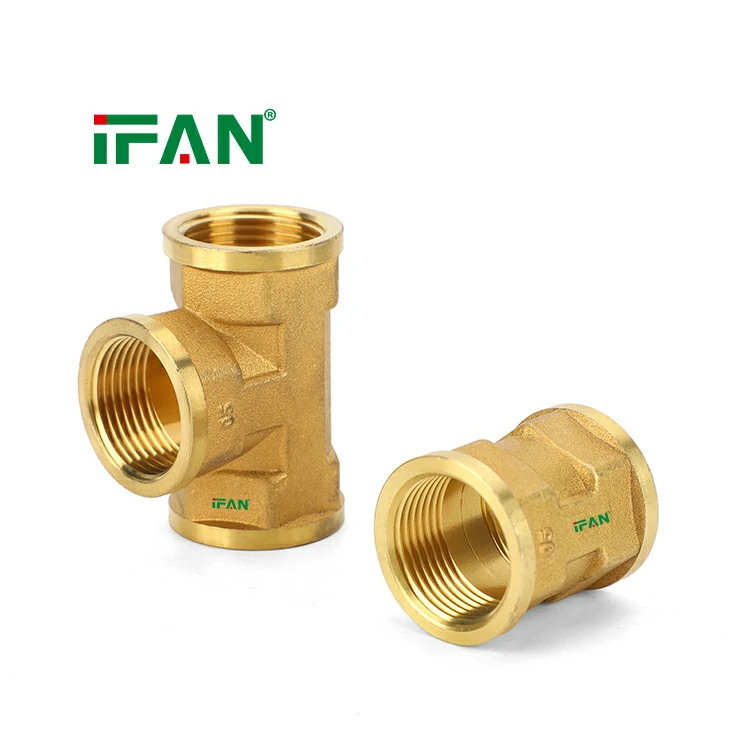
HVAC piping systems need reliable connections to maintain stable water flow, pressure, and temperature. Brass pipe fittings are widely used in these systems because they offer strength, durability, and good corrosion resistance. They are suitable for many heating, cooling, and water distribution applications.
Choosing the right brass fitting can improve system performance and reduce maintenance problems. It also helps create secure connections between pipes, valves, pumps, and other HVAC components.
What Are Brass Pipe Fittings?
Brass pipe fittings are connection components made mainly from copper and zinc. They are designed to join, redirect, extend, or control piping systems. Common types include brass elbows, tees, couplings, reducers, adapters, and unions.
HVAC contractors use these fittings in both residential and commercial projects. Their solid construction makes them suitable for systems that operate under pressure.
Brass also has good machining properties. Manufacturers can produce accurate threads and connection surfaces. This helps installers achieve a secure and leak-resistant joint.
Why Use Brass Fittings in HVAC Systems?
Brass pipe fittings offer several practical benefits for HVAC piping. Their mechanical strength is one of the main advantages. A strong fitting can handle pressure changes during normal system operation.
Corrosion resistance is another important feature. HVAC systems often circulate water for long periods. High-quality brass fittings can resist corrosion better than many common metal alternatives.
Brass also performs well across a wide temperature range. This makes it useful for hot water heating systems and chilled water applications.
Another advantage is durability. Properly manufactured brass fittings can provide long service life when installed correctly. This reduces the need for frequent replacement.
Common Brass Fittings for HVAC Piping
Different HVAC layouts require different fitting designs. Selecting the correct type is essential for efficient installation.
Brass Elbow Fittings
Brass elbows change the direction of a pipe run. The most common options are 45-degree and 90-degree elbows.
They are useful when HVAC piping needs to pass around walls, equipment, or structural components. A properly selected elbow can also help maintain a clean and organized pipe layout.
Brass Tee Fittings
Brass tees create a branch connection from the main pipe. They are often used when one water line needs to supply several circuits.
In hydronic heating systems, tees can connect individual heating branches to a larger distribution line.
Brass Couplings
Brass couplings connect two pipes with the same or compatible connection size. They are useful for extending pipe runs or repairing sections of an existing system.
A quality coupling should provide accurate dimensions and reliable threads.
Brass Reducers and Adapters
Reducers connect pipes with different diameters. Adapters help connect different pipe materials or connection standards.
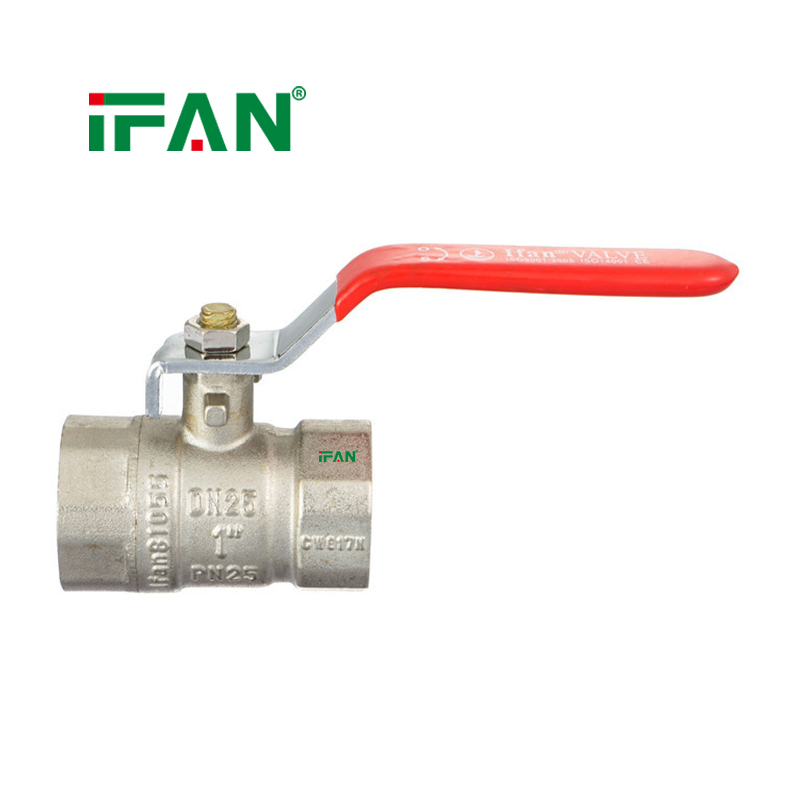
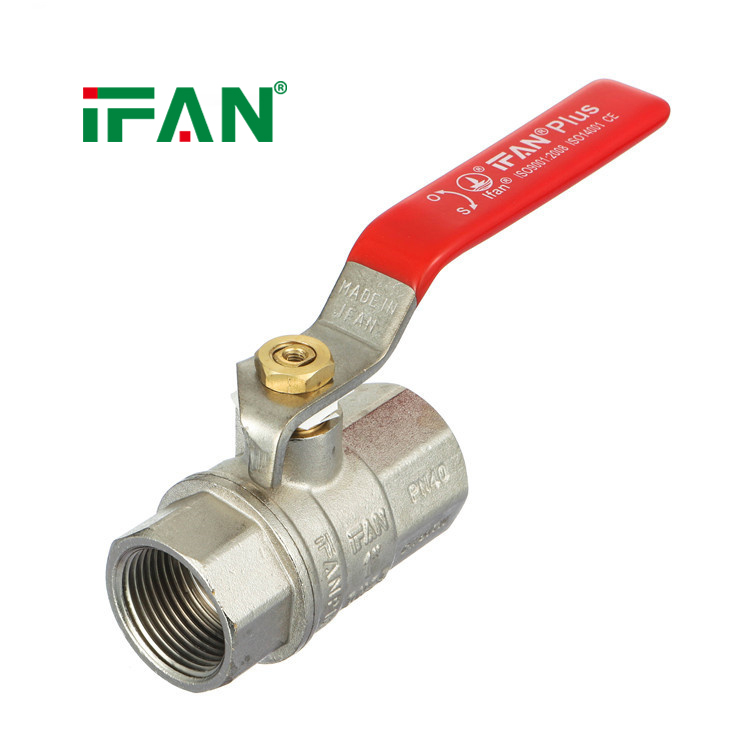
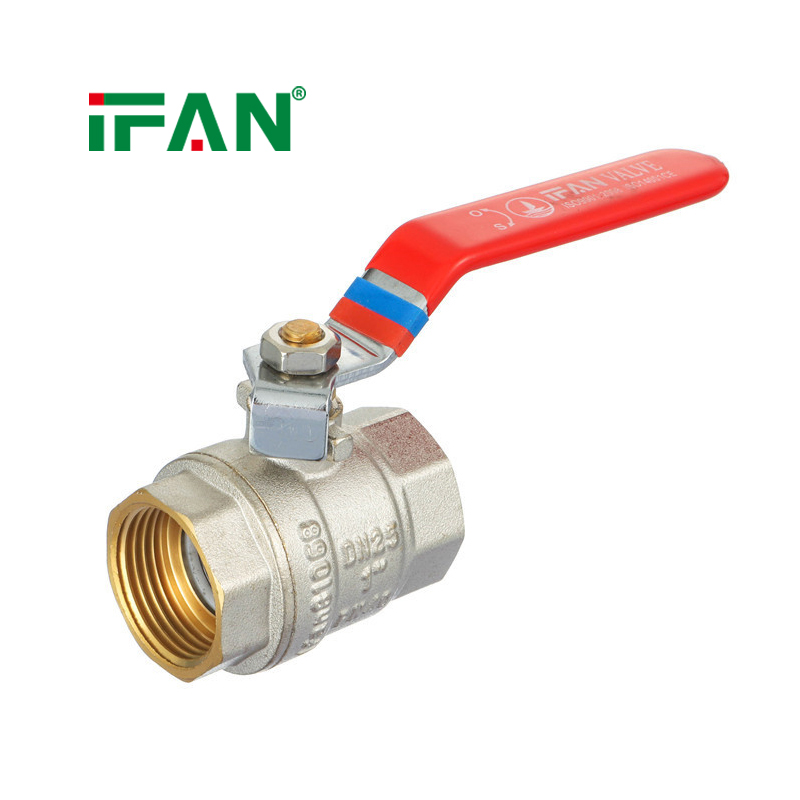
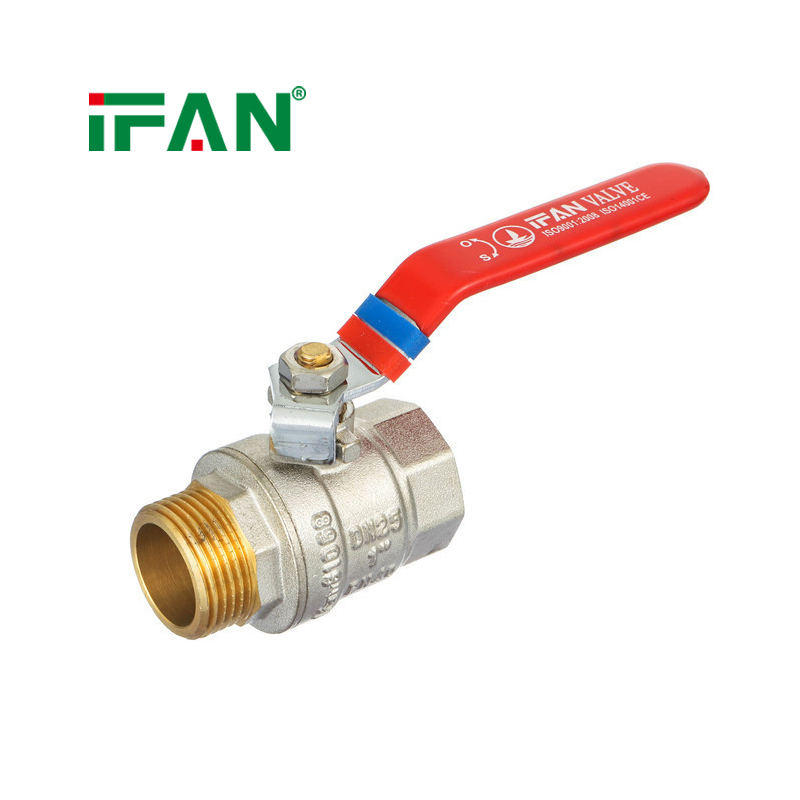
These fittings are especially useful in HVAC projects that combine several components. For example, a brass adapter may connect a threaded valve to another type of piping connection.
Brass Fittings for Hydronic Heating Systems
Hydronic heating systems depend on controlled water circulation. Brass fittings are commonly used around boilers, pumps, manifolds, radiators, and heating circuits.
A reliable fitting helps maintain water flow through the system. It also reduces the risk of leaks at important connection points.
Brass fittings can be used with various heating pipe materials. Compatibility should always be checked before installation.
The fitting size is equally important. An incorrectly sized connection can affect flow and increase pressure loss.
Brass Fittings for Chilled Water HVAC Systems
Cooling systems often use chilled water to transfer heat. The piping network must maintain consistent circulation between chillers, pumps, air handling units, and terminal equipment.
Brass pipe fittings can provide strong connections in smaller HVAC branches and equipment connections. Their corrosion resistance is useful in long-term water circulation applications.
However, the fitting material should match the water chemistry and operating conditions. Proper system design remains essential for reliable performance.
Important Factors When Choosing Brass HVAC Fittings
Several factors should be considered before purchasing brass pipe fittings for HVAC applications.
Connection Type
Threaded, compression, press, and other connection methods are available. The connection must match the pipe and equipment being installed.
Size and Dimensions
Correct sizing helps maintain proper water flow. Always check the fitting dimensions and applicable pipe standards before ordering.
Working Pressure
The fitting should have a suitable pressure rating for the HVAC system. This is especially important in commercial installations.
Temperature Range
Heating systems can operate at elevated temperatures. The selected fitting should be suitable for the expected operating temperature.
Brass Material Quality
Not all brass fittings have the same material composition or manufacturing quality. Reliable suppliers should provide consistent material and dimensional control.
Installation Tips for Brass HVAC Pipe Fittings
Proper installation is just as important as fitting quality. Before installation, inspect the threads and connection surfaces for damage.
Clean the pipe ends and fittings before assembly. Dirt or metal particles can affect the connection and cause leakage.
Avoid excessive tightening on threaded fittings. Too much force can damage threads or deform components.
After installation, the HVAC piping system should be pressure tested according to the project requirements. Any leakage should be corrected before the system enters normal operation.
How to Choose a Reliable Brass Fittings Manufacturer
A dependable manufacturer should have stable production capabilities and strict quality control. Consistent raw materials are important for maintaining fitting strength and dimensional accuracy.
Manufacturing experience is another useful factor. Experienced factories usually understand different HVAC applications and international piping requirements.
Buyers should also consider customization capabilities. Custom sizes, threads, surface treatments, packaging, and branding may be required for specific projects.
For wholesalers and HVAC distributors, stable production capacity is particularly important. It helps maintain supply consistency when large quantities are required.
Why Choose IFAN Brass Pipe Fittings?
IFAN provides brass pipe fittings designed for plumbing, heating, and HVAC applications. With extensive manufacturing experience, IFAN focuses on material quality, precise machining, reliable connections, and consistent production.
IFAN can support different project requirements with a broad range of brass fittings and plumbing components. Customization options are also available for customers who need specific sizes, connection standards, or packaging solutions.
For HVAC contractors, distributors, and importers, choosing a professional manufacturer can simplify sourcing and improve product consistency. IFAN offers practical solutions for projects that require dependable brass pipe fittings and long-term supply support.
Final Thoughts
Brass pipe fittings play an important role in modern HVAC piping systems. They provide strong connections for heating, cooling, and hydronic water applications.
Good material quality, accurate dimensions, correct sizing, and proper installation all affect system performance. Buyers should therefore evaluate both product specifications and manufacturer capabilities before making a purchase.
With reliable manufacturing and flexible product solutions, IFAN is a suitable partner for businesses looking for brass pipe fittings for HVAC piping systems. Its focus on quality and production consistency helps support residential, commercial, and industrial plumbing projects.