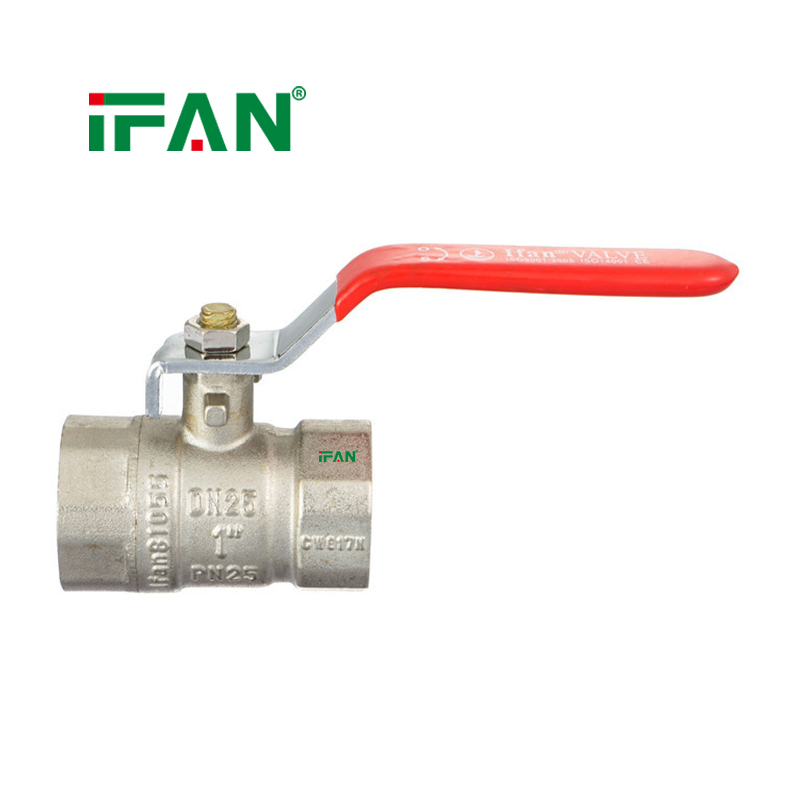
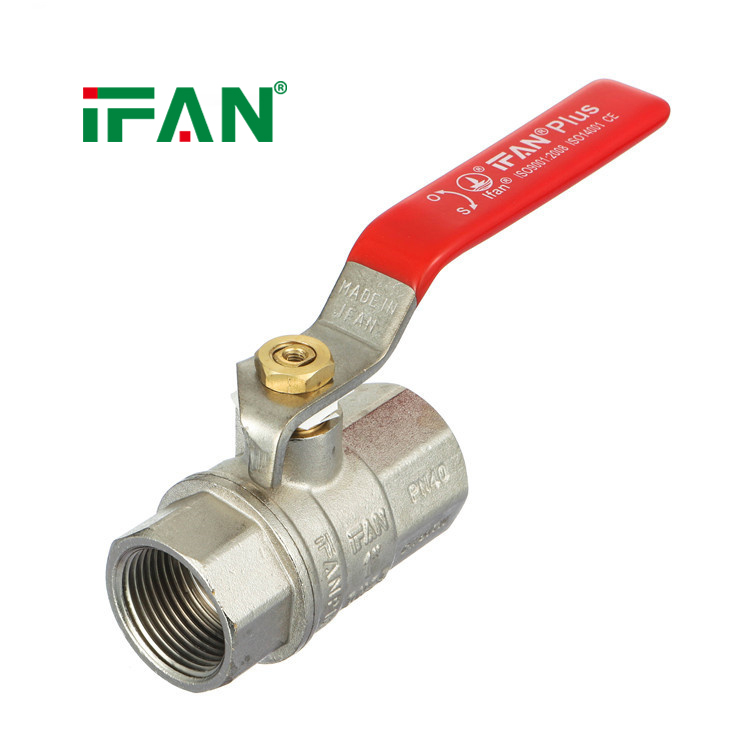
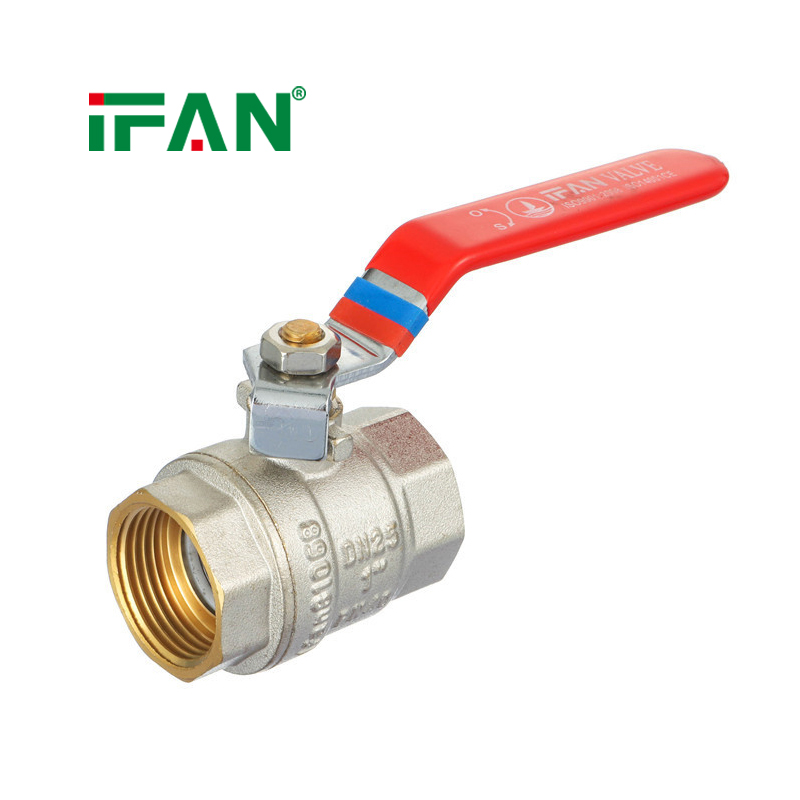
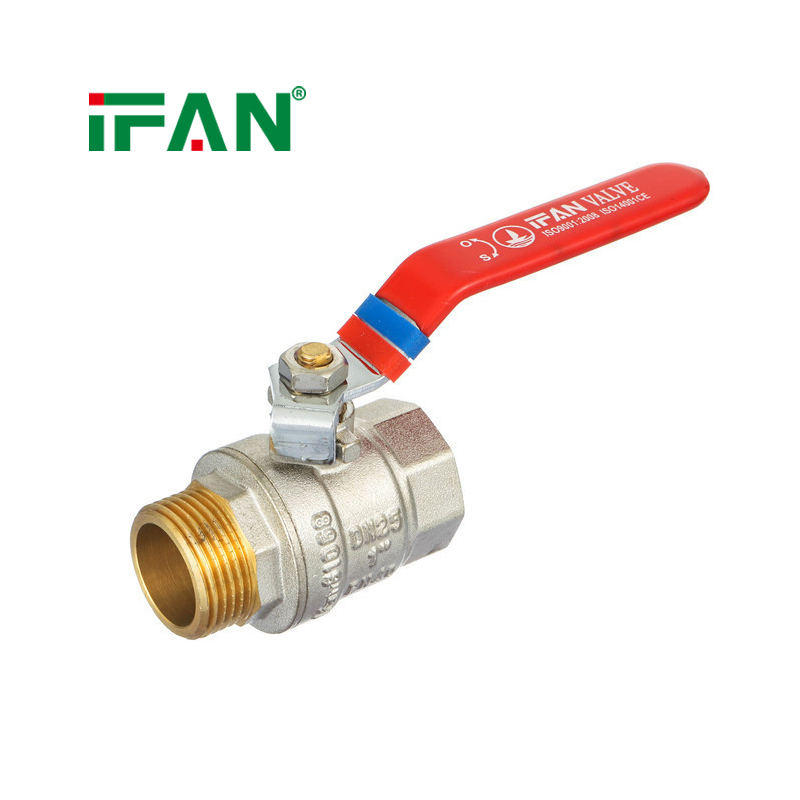
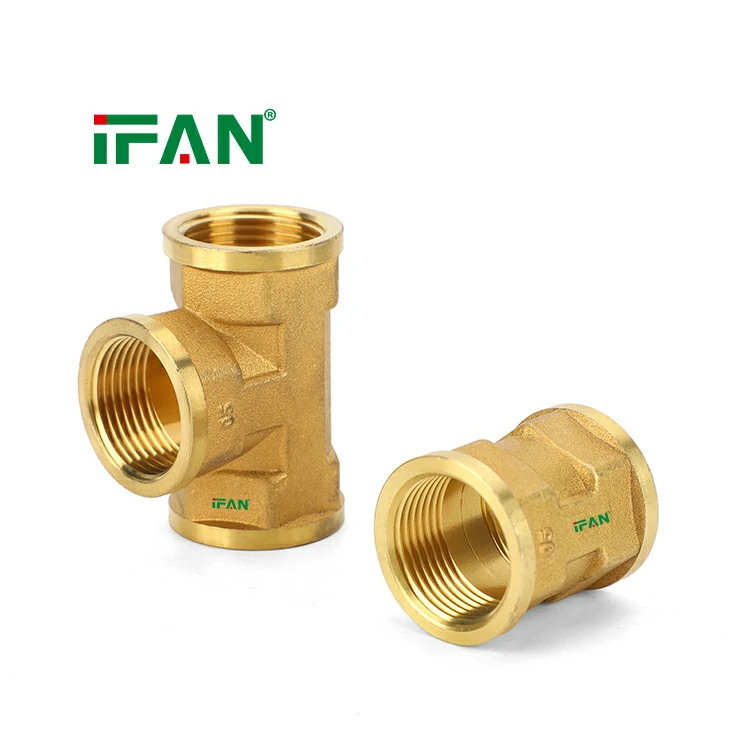
Industrial plumbing systems require components that can handle pressure, temperature changes, vibration, and long-term use. Among these components, brass pipe fittings play an important role in connecting pipes and controlling the flow of water or other fluids.
Precision brass pipe fittings are designed for accurate connections and stable performance. They are widely used in factories, commercial buildings, water treatment systems, heating installations, and industrial plumbing projects. The right fittings can also help reduce installation problems and maintenance costs.
For engineers, contractors, distributors, and plumbing suppliers, choosing reliable brass fittings is an important part of building a dependable piping system.
What Are Precision Brass Pipe Fittings?
Precision brass pipe fittings are connection components made mainly from brass alloys. They are used to join, extend, redirect, or control piping systems.
Common types include brass elbows, tees, couplings, adapters, reducers, unions, and threaded fittings. Different designs are available for various pipe sizes and connection methods.
The term “precision” refers to manufacturing accuracy. Accurate dimensions help fittings connect properly with pipes and other components. This is especially important in industrial plumbing systems where leaks or poor connections can cause operational problems.
Brass also offers good mechanical strength and corrosion resistance. These properties make it suitable for many water supply and plumbing applications.
Why Use Brass Fittings in Industrial Plumbing?
Industrial plumbing systems often operate under demanding conditions. Pipes may experience pressure changes, temperature fluctuations, and continuous mechanical stress.
Brass pipe fittings provide several useful advantages for these environments.
First, brass has good strength and durability. Properly manufactured fittings can maintain their shape during long-term service.
Second, brass provides good resistance to corrosion in many common plumbing environments. This makes it suitable for water distribution and heating applications.
Third, brass fittings are relatively easy to machine. Manufacturers can produce accurate threads and connection surfaces with modern machining equipment.
Another advantage is installation flexibility. Threaded brass fittings can be connected to many compatible pipe systems without complex equipment.
These characteristics make brass plumbing fittings a practical choice for industrial and commercial projects.
Common Types of Brass Pipe Fittings
Different industrial plumbing projects require different fitting designs. Understanding the main types makes product selection easier.
Brass Elbow Fittings
Brass elbows change the direction of a pipeline. Common angles include 45 degrees and 90 degrees.
They are useful when pipes need to pass around equipment, walls, or other structural elements. Precision threads help create secure connections during installation.
Brass Tee Fittings
A brass tee creates a branch in a piping system. It has three connection points and can distribute fluid into different pipeline sections.
Brass tees are commonly used in water supply, heating, and industrial fluid distribution systems.
Brass Couplings
Brass couplings connect two pipes with similar connection sizes. They are useful for extending existing pipelines or repairing damaged sections.
Their compact design makes them suitable for installations where space is limited.
Brass Adapters
Brass adapters connect pipes or components with different connection standards. They can also provide a transition between different pipe materials.
This makes brass adapters valuable in complex plumbing systems.
Brass Reducers
Reducers connect pipes with different diameters. They help engineers create controlled transitions between larger and smaller pipelines.
The correct reducer size can help maintain suitable flow conditions within the system.
Precision Manufacturing Matters
The performance of brass pipe fittings depends heavily on manufacturing quality. Small dimensional differences can affect thread engagement and sealing performance.
Modern CNC machining can provide consistent dimensions across large production batches. Automated production also helps manufacturers maintain repeatable quality.
Thread accuracy is particularly important for threaded brass fittings. Poorly formed threads may cause installation difficulties or increase the risk of leakage.
Surface finishing is another important factor. A clean and consistent surface can improve appearance while supporting reliable connections.
Quality control should cover raw materials, dimensions, threads, pressure performance, and final appearance. Reliable manufacturers normally use inspection procedures throughout the production process.
Applications of Brass Pipe Fittings
Precision brass fittings are used across many industries and building systems.
In industrial plumbing, they can connect water supply lines, process pipelines, and equipment connections. Their mechanical strength makes them suitable for demanding installation environments.
Commercial buildings also use brass fittings for water distribution and heating systems. Hotels, offices, shopping centers, and other large buildings often require large numbers of reliable plumbing components.
Brass fittings are also common in residential plumbing. They can be found in water heaters, water supply systems, heating equipment, and valve connections.
Other applications include compressed air systems, irrigation equipment, HVAC installations, and industrial machinery.
The exact application depends on the brass alloy, pressure rating, temperature range, connection type, and fluid being transported.
How to Choose Brass Pipe Fittings
Selecting the correct brass fitting requires more than checking the pipe diameter.
The first consideration is connection size. The fitting must match the pipe and other system components correctly.
Thread standard is also important. Different markets may use BSP, NPT, or other thread standards. Mixing incompatible thread standards can lead to poor connections.
Working pressure should also be considered. Industrial systems may operate at higher pressures than standard residential installations.
Temperature is another key factor. Hot water and heating systems can expose fittings to continuous temperature changes.
Material quality should not be ignored. Brass composition can influence mechanical strength, corrosion resistance, and machining performance.
Finally, consider the supplier’s manufacturing capabilities. A reliable brass pipe fittings manufacturer should have stable production processes and suitable quality inspection systems.
Brass Pipe Fittings for Industrial Projects
Large industrial projects often require consistent products rather than individual fittings from different suppliers.
Consistent dimensions make installation easier. They can also reduce compatibility problems during construction.
For distributors, stable product quality is equally important. Contractors expect fittings to perform consistently across different projects.
Packaging should also be considered. Proper packaging protects threads and fitting surfaces during transportation and storage.
For international buyers, product customization can provide additional benefits. Custom sizes, thread standards, surface treatments, markings, and packaging may be available depending on the manufacturer.
Why Choose IFAN Brass Pipe Fittings?
IFAN provides brass pipe fittings for plumbing, water supply, heating, and other piping applications. The company combines manufacturing experience with modern production equipment and quality control processes.
IFAN offers a broad range of brass fittings for different connection requirements. Buyers can select suitable products according to pipe size, thread standard, application, and installation conditions.
Customization is also an important advantage for international plumbing projects. Product specifications, packaging, and other requirements can be discussed according to project needs.
For wholesalers, distributors, contractors, and plumbing brands, working with an experienced manufacturer can simplify product sourcing. IFAN focuses on dependable manufacturing and practical plumbing solutions for customers in different markets.
Benefits for Distributors and Plumbing Suppliers
Wholesale buyers often need products that balance quality, performance, and cost.
Precision brass fittings can support this goal when they are manufactured with consistent specifications. Reliable products can reduce returns and installation complaints.
A wide product range is another advantage. Suppliers can source elbows, tees, adapters, couplings, and other fittings from one manufacturer.
Private labeling and customized packaging may also help distributors develop their own product lines. These services can be particularly useful for established plumbing brands and regional suppliers.
Good communication with the manufacturer is equally important. Technical specifications should be confirmed before production to prevent unnecessary delays.
Final Thoughts
Precision brass pipe fittings are an important part of reliable industrial plumbing systems. Their strength, machinability, and corrosion resistance make brass a practical material for many applications.
Choosing the right fitting requires attention to size, thread standard, pressure, temperature, material, and application conditions. Manufacturing precision is equally important because accurate dimensions support secure and efficient connections.
For buyers looking for dependable brass plumbing fittings, IFAN provides a practical manufacturing solution with a broad product range and customization capabilities. Whether the project involves industrial plumbing, commercial water supply, heating, or equipment connections, selecting properly manufactured brass fittings can help create a more reliable piping system.