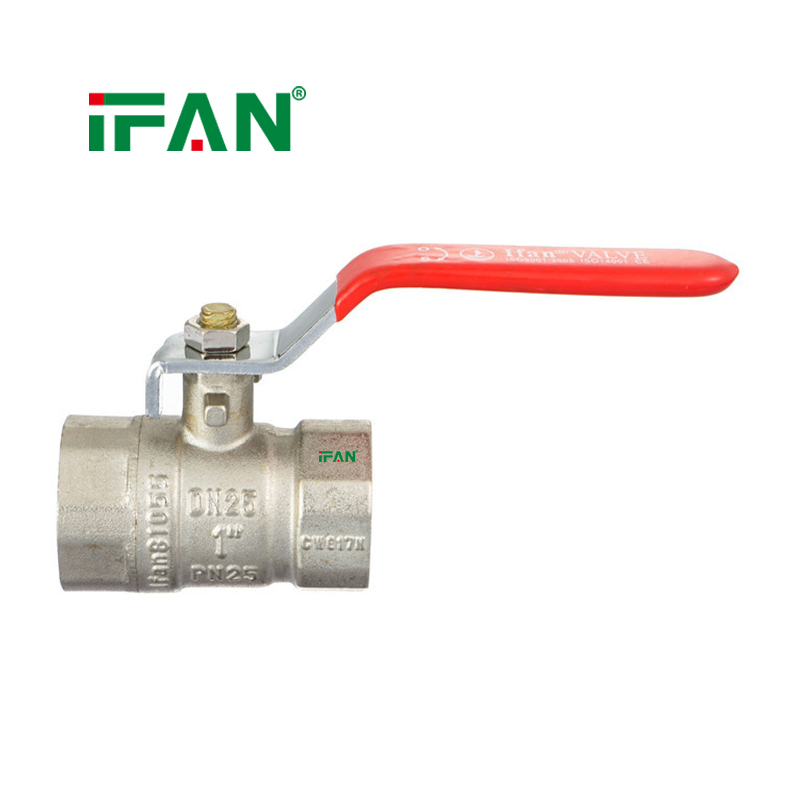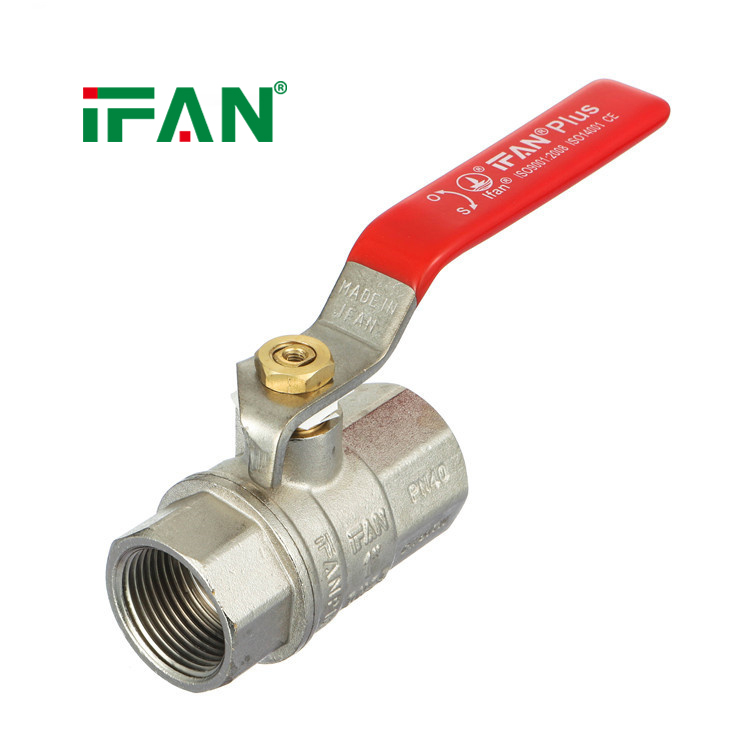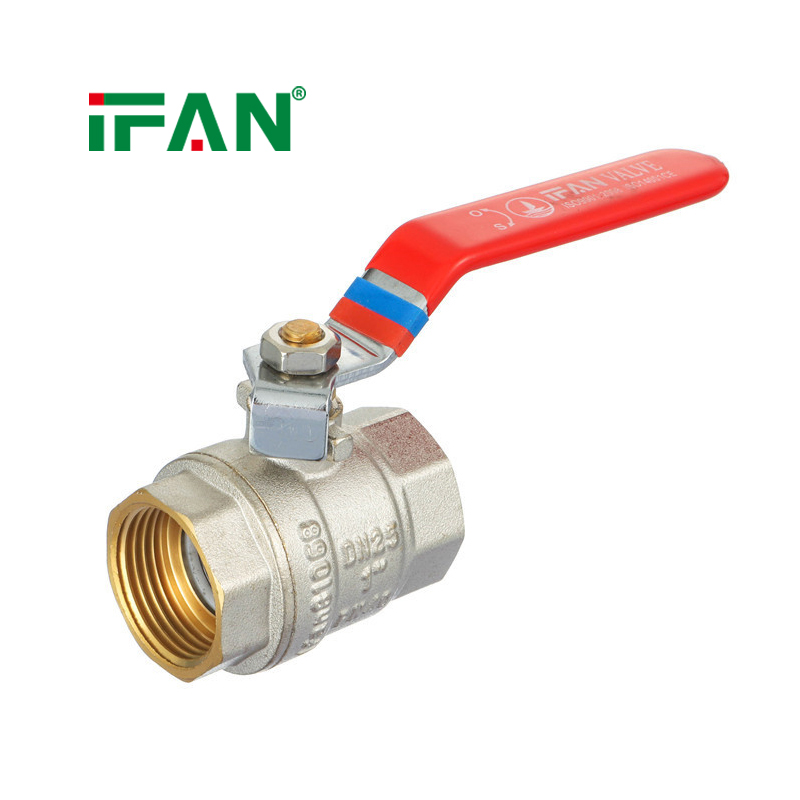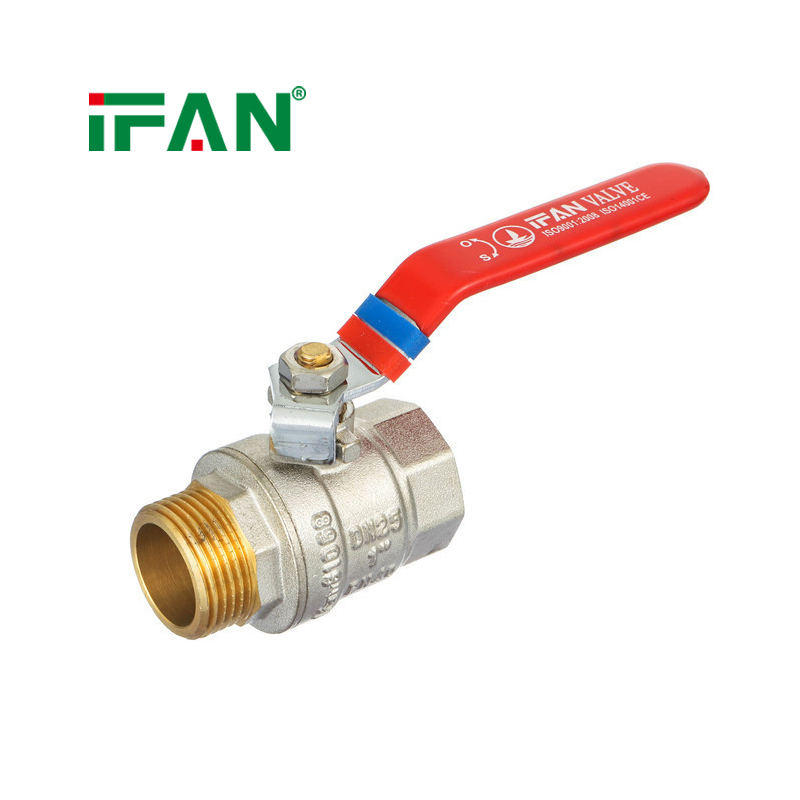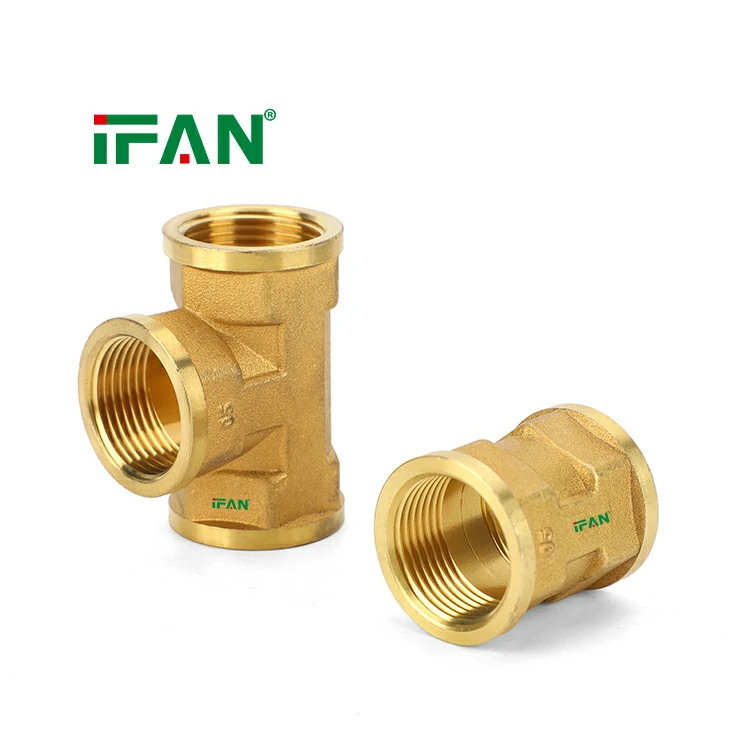
Industrial piping systems need fittings that can handle pressure, temperature changes, vibration, and continuous operation. A weak connection can affect the entire system. For this reason, many engineers and contractors choose forged brass pipe fittings for demanding piping applications.
Forged brass fittings are made through a forging process. Brass is heated and formed under controlled pressure. This manufacturing method creates a dense and strong metal structure. It also helps produce fittings with reliable mechanical properties.
From water supply systems to industrial equipment, forged brass pipe fittings provide a practical solution for many applications. They are available in different shapes, connection types, sizes, and thread standards.
What Are Forged Brass Pipe Fittings?
Forged brass pipe fittings are metal components used to connect, redirect, control, or terminate pipes. Common types include elbows, tees, couplings, adapters, and reducers.
The forging process is different from simple casting. During forging, brass is shaped under high pressure. The process can improve material density and structural strength.
This makes forged brass fittings suitable for applications where connection reliability matters. They are often used with copper, PEX, PE, and other compatible piping materials.
Threaded connections are also common. Depending on the market, fittings may use BSP, NPT, or other thread standards. Choosing the correct standard is important for preventing leaks and installation problems.
Why Choose Forged Brass Fittings for Industrial Piping?
Industrial piping systems often operate under challenging conditions. Temperature, pressure, chemicals, and mechanical stress can affect pipe connections over time.
Forged brass fittings offer several useful characteristics for these environments.
High Mechanical Strength
Forged brass has good mechanical strength and dimensional stability. The forging process helps create a compact material structure.
This is valuable in industrial piping systems where fittings may experience pressure and mechanical loads. Strong fittings can help maintain connection integrity during long-term operation.
Excellent Corrosion Resistance
Brass has natural resistance to corrosion in many water and plumbing environments. This makes it a popular material for piping components.
Proper material selection is still necessary for aggressive fluids. The working environment should always be considered before choosing a fitting material.
Good Temperature Performance
Industrial systems can experience frequent temperature changes. Brass fittings can perform well across a broad range of common plumbing and industrial conditions.
The actual temperature rating depends on the alloy, connection method, design, and application. Manufacturers should provide technical specifications for each product.
Reliable Threaded Connections
Forged brass threaded fittings are widely used because they provide practical and serviceable connections. A threaded joint can also be disassembled when maintenance is required.
Correct thread engagement is essential. Installers should use compatible threads and suitable sealing methods.
Common Types of Forged Brass Pipe Fittings
Different piping layouts require different fitting designs. Forged brass pipe fittings are available in many configurations.
Brass Elbow Fittings
Brass elbows change the direction of a pipe. The most common designs include 45-degree and 90-degree elbows.
They are useful when piping systems need to turn around equipment or follow a building layout. Forged construction provides a strong body for repeated service.
Brass Tee Fittings
A brass tee creates a branch connection from the main pipe. It can be used for water distribution and equipment connections.
Tee fittings are available with different outlet configurations. Male, female, and mixed-thread versions can meet different installation requirements.
Brass Couplings
A brass coupling connects two pipe sections. It is a simple component, but it plays an important role in maintaining system continuity.
Forged brass couplings are commonly selected for their strength and dimensional consistency.
Brass Adapters
Brass adapters allow installers to connect pipes or components with different connection types. They are useful when a piping system contains multiple materials.
Common designs include male adapters, female adapters, and transition fittings.
Applications of Forged Brass Pipe Fittings
Forged brass pipe fittings are used across many industrial and commercial sectors. Their versatility makes them suitable for both new installations and maintenance projects.
In industrial water systems, brass fittings can connect supply lines and equipment. They can also be used in compressed air systems when the material and pressure rating are appropriate.
Heating systems are another common application. Brass components can connect pipes, valves, pumps, and other system parts.
Forged brass fittings are also used in manufacturing equipment, HVAC systems, irrigation systems, and utility installations. The exact application depends on the fitting design and material specification.
Forged Brass vs. Cast Brass Fittings
Forged and cast brass fittings are produced through different manufacturing processes. This difference can affect their mechanical properties and production characteristics.
Forged fittings are formed under pressure. They generally offer a dense structure and good mechanical strength.
Cast fittings are produced by pouring molten brass into molds. Casting provides greater flexibility for some complex shapes.
Neither process is automatically better for every application. Engineers should consider pressure, temperature, geometry, standards, cost, and service conditions before selecting a fitting.
For industrial piping systems, forged brass is often attractive when strength and durability are major priorities.
How to Select Industrial Brass Pipe Fittings
Choosing the right fitting requires more than checking the pipe diameter. Several technical factors should be considered.
First, confirm the pipe size and connection type. The fitting must match the system dimensions.
Next, check the thread standard. BSP and NPT threads are not interchangeable. Using the wrong thread can cause leakage or damage.
Material composition is also important. Different brass alloys provide different performance characteristics.
Pressure and temperature ratings should match the working conditions. For industrial projects, it is important to review the manufacturer’s technical data.
The operating medium should also be considered. Water, air, oil, chemicals, and other fluids may require different material choices.
Finally, check applicable standards and certifications. Compliance can be important for commercial and industrial projects.
Installation Tips for Brass Pipe Fittings
Correct installation helps forged brass fittings deliver reliable performance. Before installation, inspect the fitting and pipe threads.
Make sure all components are clean. Dirt or metal particles can interfere with the connection.
Do not overtighten threaded fittings. Excessive torque can damage threads or deform components.
Use an appropriate thread sealant when required. The sealing method should be compatible with the fluid and operating conditions.
After installation, inspect the system carefully. A pressure test can help identify leaks before the system enters normal operation.
Professional installation is recommended for complex industrial piping systems.
Why IFAN Forged Brass Pipe Fittings?
IFAN focuses on manufacturing plumbing and piping components for international markets. Its product range covers brass fittings and other solutions for modern piping systems.
For buyers, consistent quality is important when sourcing industrial brass pipe fittings. Stable dimensions, reliable machining, suitable materials, and quality control can all affect installation results.
IFAN supports customers with a broad selection of fitting configurations. Custom product requirements can also be discussed for specific projects and markets.
Whether you need brass elbows, tees, adapters, couplings, or other forged brass fittings, IFAN can provide solutions designed for practical piping applications.
Conclusion
Forged brass pipe fittings are an important part of many industrial piping systems. Their strength, corrosion resistance, machinability, and reliable connection options make them suitable for a wide range of applications.
Selecting the right fitting requires careful attention to size, thread type, pressure, temperature, material, and application conditions. Proper installation is equally important for long-term performance.
For industrial buyers looking for dependable brass pipe fittings, working with an experienced manufacturer can simplify sourcing and quality control. IFAN provides forged brass fittings and other plumbing components for residential, commercial, and industrial piping projects.