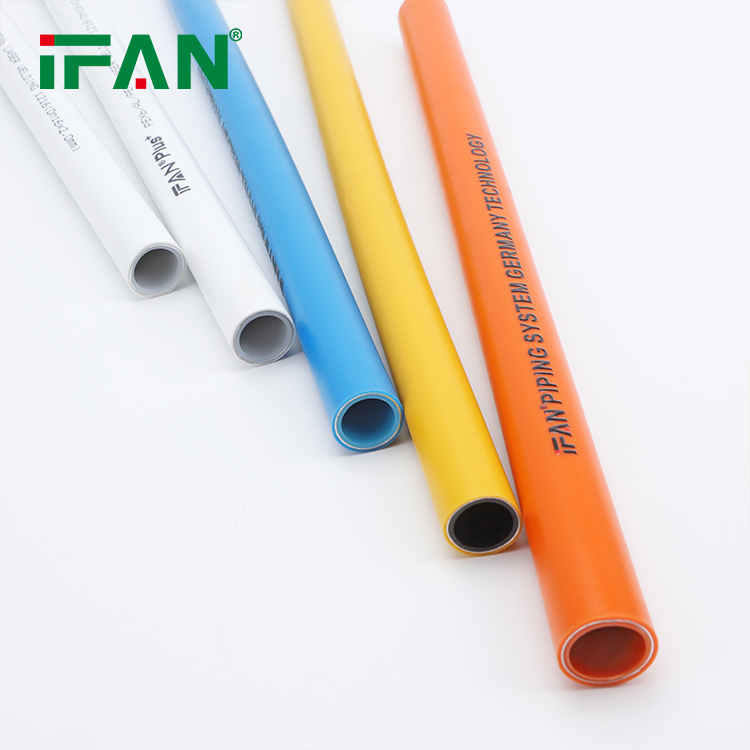
No, PEX fittings are not compatible with polybutylene pipe. Polybutylene pipe has a different diameter and wall thickness than PEX, so the fittings are not interchangeable. Additionally, polybutylene pipe has a reputation for being prone to failure due to the material’s susceptibility to breaking down over time when exposed to certain chemicals commonly found in water. If you have polybutylene pipe in your home, it is recommended that you have it replaced with a more durable and reliable material such as PEX or copper.
Polybutylene pipe and PEX pipe are made of different materials and have different physical properties. Polybutylene pipe is made of a plastic resin that is known to be susceptible to degradation over time when exposed to certain chemicals commonly found in water, such as chlorine. This can lead to the pipe becoming brittle and prone to cracking or breaking, which can cause leaks and water damage in your home.
PEX pipe, on the other hand, is made of a more durable and flexible material that is resistant to degradation and can withstand exposure to a wide range of chemicals. PEX pipe is also easier to install than polybutylene pipe, as it can be bent and shaped to fit around obstacles without the need for additional fittings.
In short, while PEX fittings are designed to work with PEX pipe, they are not compatible with polybutylene pipe due to the differences in material and physical properties. If you have polybutylene pipe in your home, it is recommended that you have it replaced with a more durable and reliable material such as PEX or copper.