As the demand for efficient and durable plumbing and heating solutions continues to grow in the commercial sector, cross-linked polyethylene (PEX) pipe has emerged as a go-to choice among contractors and builders. REHAU, a leader in innovative piping systems, offers comprehensive solutions for commercial applications that enhance reliability and performance. This article aims to answer frequently asked questions about commercial PEX pipe plumbing and heating, providing valuable insights into the advantages, applications, installation practices, and maintenance considerations when using PEX.
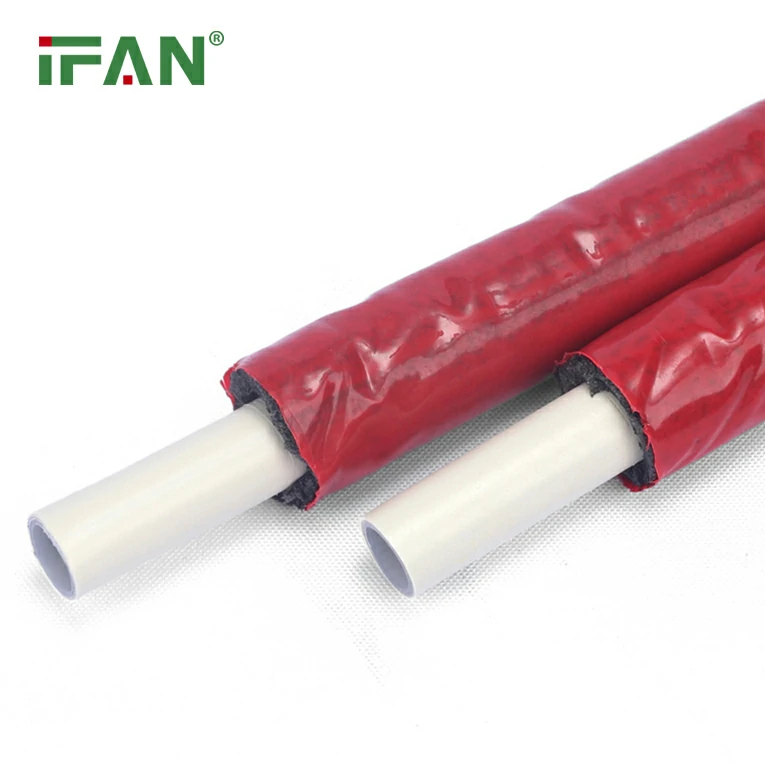
What is PEX Pipe?
Understanding PEX
PEX, or cross-linked polyethylene, is a flexible plastic piping material used for various plumbing, heating, and cooling applications. The process of cross-linking enhances the thermoplastic properties of polyethylene, resulting in a product that is highly durable, resistant to corrosion, and easy to install.
Advantages of PEX Pipe
- Flexibility: PEX can bend easily and navigate around obstacles, allowing for quicker and more efficient installations.
- Corrosion Resistance: PEX does not rust or corrode, which helps maintain water quality and extends the lifespan of the plumbing system.
- Lower Labor Costs: The flexibility and ease of installation reduce labor time and costs compared to traditional piping materials.
- Energy Efficiency: PEX provides excellent insulation properties, helping to maintain water temperature and improve energy efficiency for heating systems.
- Reduced Noise: Water flowing through PEX pipes creates less noise compared to metal piping systems, contributing to quieter environments.
Common Applications of PEX in Commercial Settings
Plumbing Applications
PEX is widely used for commercial plumbing systems, including:
- Hot and Cold Water Supply: PEX is suitable for delivering both hot and cold water efficiently and reliably.
- Restroom Fixtures: Ideal for installations in restrooms and kitchens, ensuring accessibility and convenience.
- Hydronic Heating Systems: PEX is commonly used for radiant heating applications, allowing for comfortable heating in commercial spaces.
Heating Applications
In commercial settings, PEX systems are also utilized for various heating applications:
- Underfloor Heating: PEX can be embedded within floors, providing efficient radiant heating that warms spaces evenly.
- Snow Melting Systems: In outdoor applications, PEX can be used to create systems that melt snow and ice on walkways, driveways, and parking lots.
- Secondary Hot Water Circulation: PEX can be employed in hot water recirculation systems, ensuring that hot water is readily available at fixtures.
Key Considerations for Using PEX in Commercial Plumbing and Heating
1. Local Building Codes and Regulations
Before installing PEX systems, always check and comply with local building codes and regulations. Different jurisdictions may have specific requirements regarding PEX use, such as allowable materials, installation methods, and testing protocols.
2. System Design
Proper system design is critical. Factors to consider include:
- Sizing: Ensure the PEX pipe diameters are correctly sized for optimal flow rates in your plumbing system.
- Loop Layout: For heating applications, consider the loop layout for radiant heating systems to achieve uniform heat distribution.
3. Joint Connections
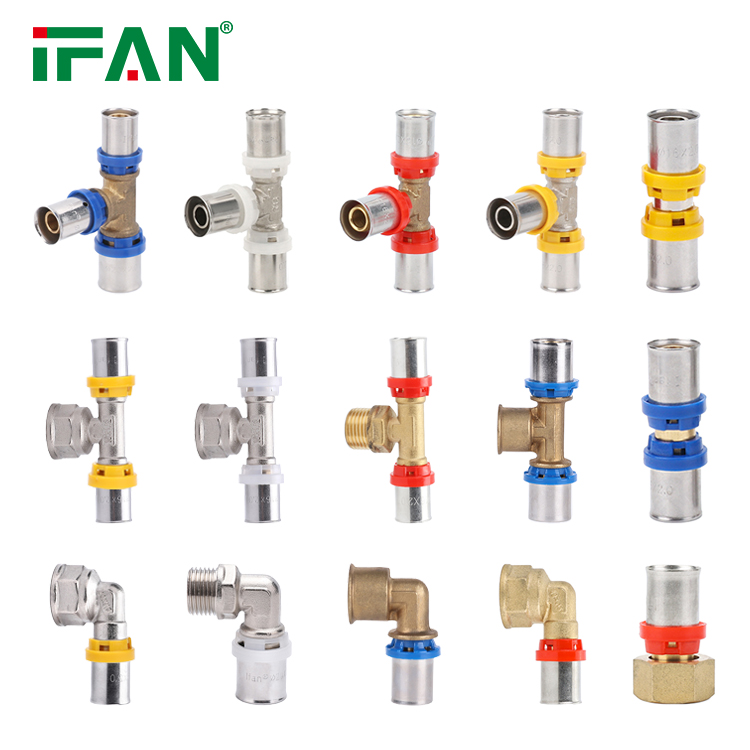
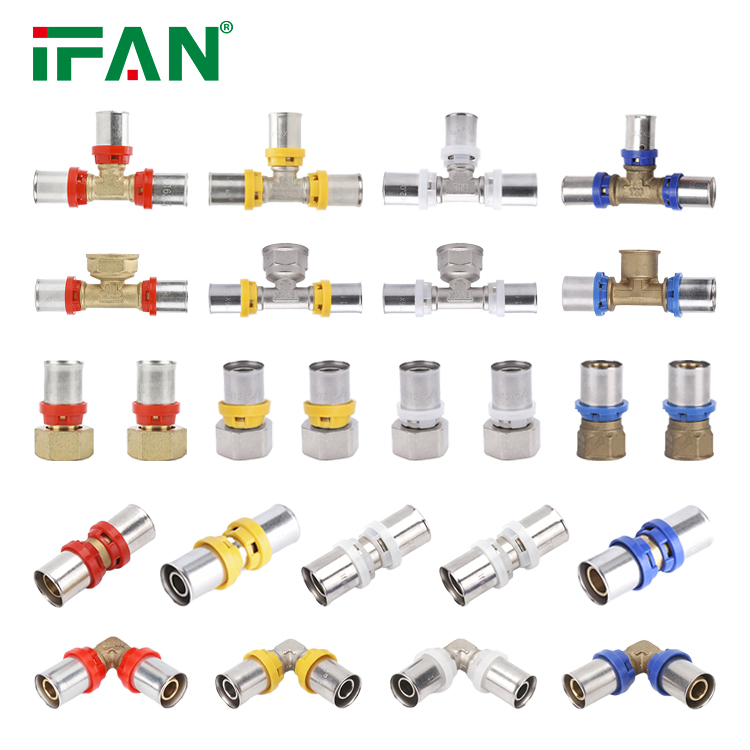
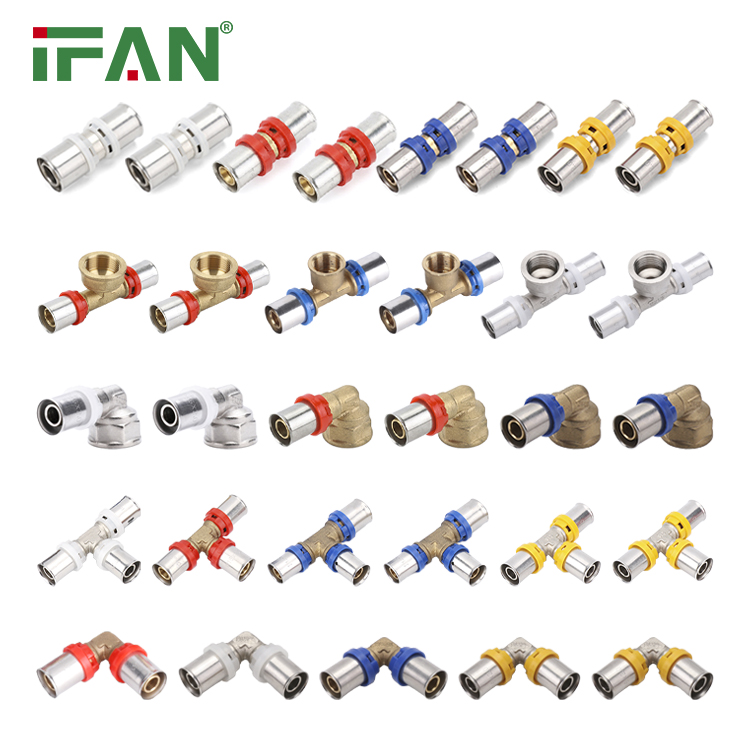
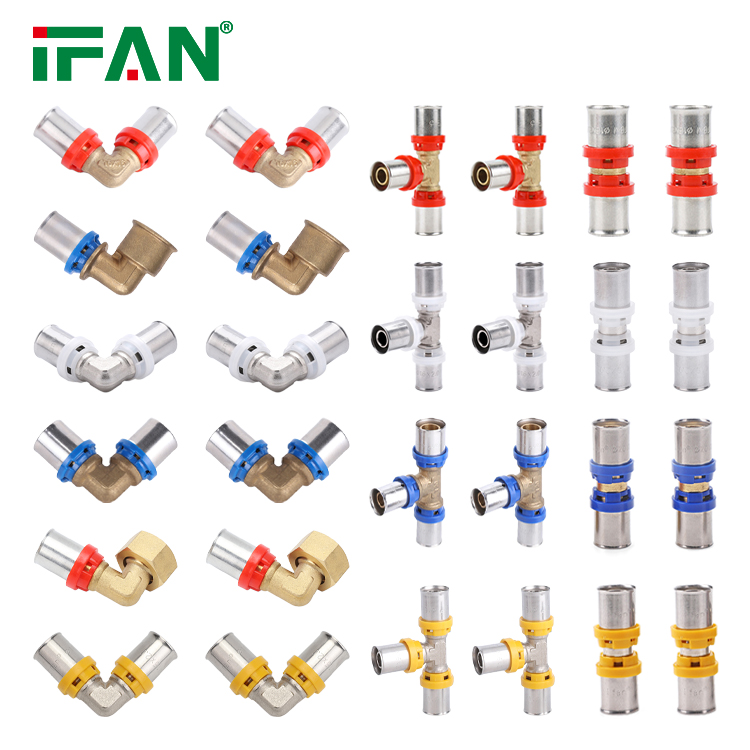
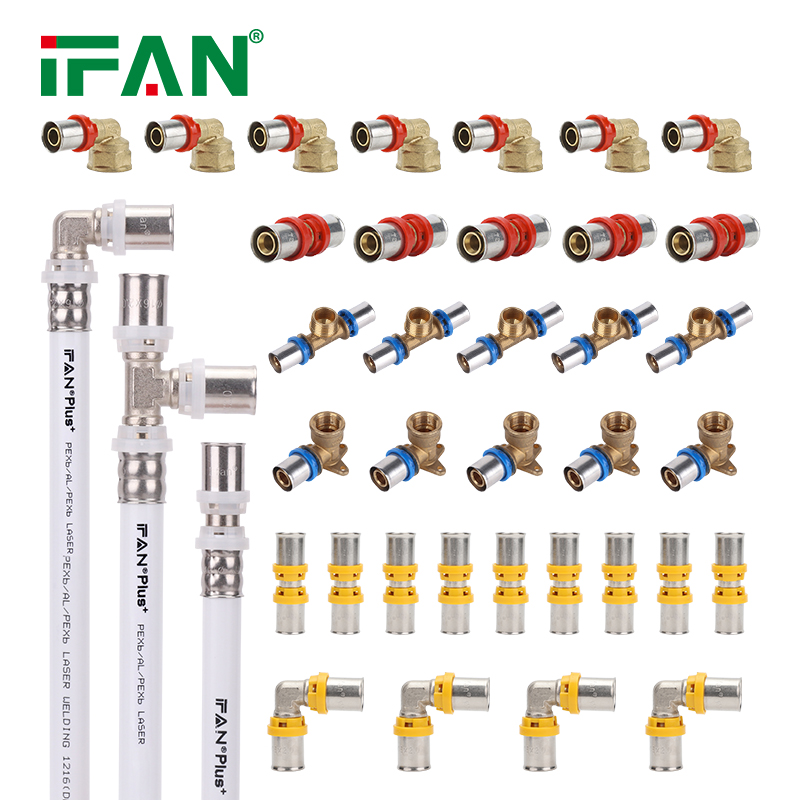
Code-compliant fittings and connections are essential for maintaining the reliability of PEX systems. REHAU offers a range of connection types, including:
- Crimp Connections: Using crimp rings and fittings for securing pipes together, creating a strong and leak-free joint.
- Expansion Fittings: Designed to allow for easy installation without additional tools, employing an expanding method to secure the connection.
4. Temperature and Pressure Ratings
PEXP ensures it is used within its specified temperature and pressure ratings. REHAU PEX pipes typically have a temperature rating of up to 200°F (93°C) and a pressure rating of up to 80 psi (5.5 bar) when used for hot water applications. Always review manufacturer specifications when designing your system.
5. Protection Against UV Rays
When exposed to sunlight, PEX pipes can degrade. Ensure that any exposed sections are adequately protected by burying them or using proper insulation.
Installation Practices for PEX in Commercial Systems
Best Practices
- Use Appropriate Tools: Employing the right tools is crucial for effective installation. Utilize PEX cutters, crimping tools, expansion tools, and other necessary equipment.
- Follow Manufacturer Instructions: Always adhere to the installation guidelines provided by the manufacturer to ensure that the systems are installed correctly.
- Pressure Testing: After installation, conduct pressure tests to ensure there are no leaks. This step is vital in preventing potential future issues.
Installation Steps
- Planning and Layout: Carefully plan the layout of the PEX system, ensuring you know the locations of fixtures and connections.
- Cutting the PEX Pipe: Use a PEX cutter for clean cuts at the required lengths.
- Securing Connections: Depending on the selected connection method, secure fittings appropriately using either crimp or expansion techniques.
- Insulating Pipes: In areas exposed to colder temperatures, insulate PEX pipes to prevent heat loss and freezing.
Maintenance of PEX Systems
Routine Inspections
Regularly inspecting PEX systems is crucial for early detection of any issues. Look for signs of wear or leaks, and ensure that all connections remain secure.
System Testing
Conduct periodic pressure tests and ensure that the systems operate within their specified limits. Monitor water quality regularly, especially if the system has been in operation for some time.
Addressing Common Concerns
- Odor and Taste: Customers sometimes report odors or tastes in water from PEX systems. This can often be attributed to materials leaching into the water supply. If issues arise, flushing the system and monitoring water quality can help.
- Thermal Expansion: PEX can expand and contract with temperature changes. Ensure that proper supports and fittings accommodate this movement to mitigate stress on the system.
Conclusion
As commercial applications demand more efficient plumbing and heating solutions, PEX pipe continues to emerge as a superior choice for contractors and builders. The versatility of PEX, combined with its advantages over traditional materials, makes it an ideal solution for a multitude of plumbing and heating needs. Coupled with products from REHAU, the enhancements in design and installation practices ensure the integrity of systems for years to come.
Stay informed about best practices, materials, and local regulations to maximize the benefits of PEX in your commercial projects. By understanding the unique characteristics of PEX plumbing and heating systems, builders and contractors can achieve reliable, efficient, and durable installations.
FAQs
1. What is PEX pipe used for in commercial applications?
PEX pipe is commonly used for hot and cold water supply, radiant heating systems, and snow melting systems in commercial settings.
2. What are the advantages of using PEX over traditional piping materials?
PEX offers flexibility, corrosion resistance, lower labor costs, energy efficiency, and reduced noise compared to traditional pipes like copper and PVC.
3. How is PEX installed in commercial plumbing systems?
PEX can be installed using various connection methods such as crimp connections and expansion fittings. Proper cutting, fitting, and securing practices must be followed to ensure leak-free installations.
4. Are there specific building codes for using PEX in plumbing?
Yes, local building codes can dictate how PEX is used in plumbing applications. It is essential to check and comply with these regulations for successful installations.
5. How often should a PEX system be inspected or tested?
Regular inspections should be done to check for leaks or wear, and pressure tests should be conducted periodically to ensure the system operates within its specified limits.