Comparing Brass Fittings with Other Materials
Introduction
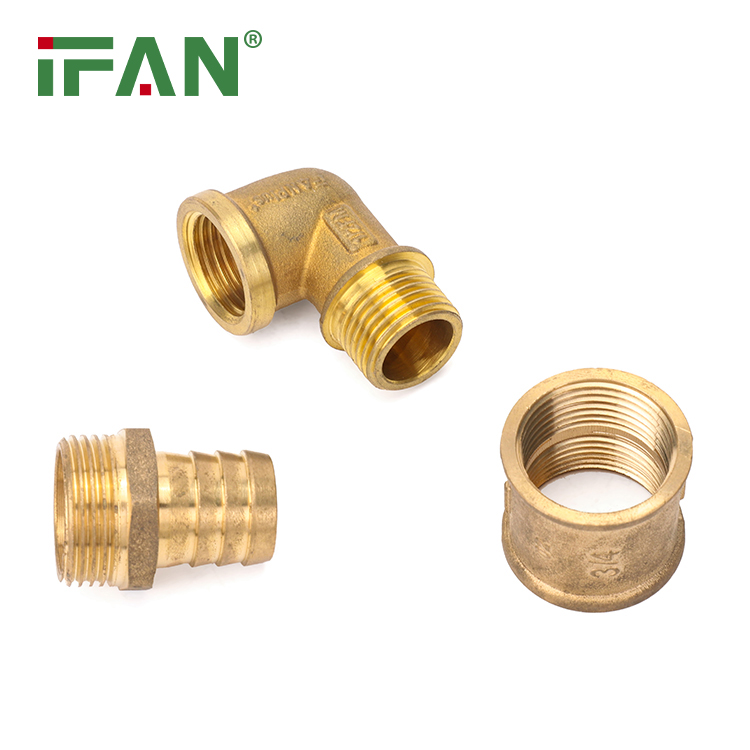
Brass fittings are widely used in various industries due to their exceptional properties and versatility. When considering different materials for various applications, it is essential to understand the advantages and disadvantages of each. In this article, we will compare brass fittings with other common materials, providing valuable insights to help you make informed decisions for your specific needs.
1. Brass Fittings vs. Steel Fittings
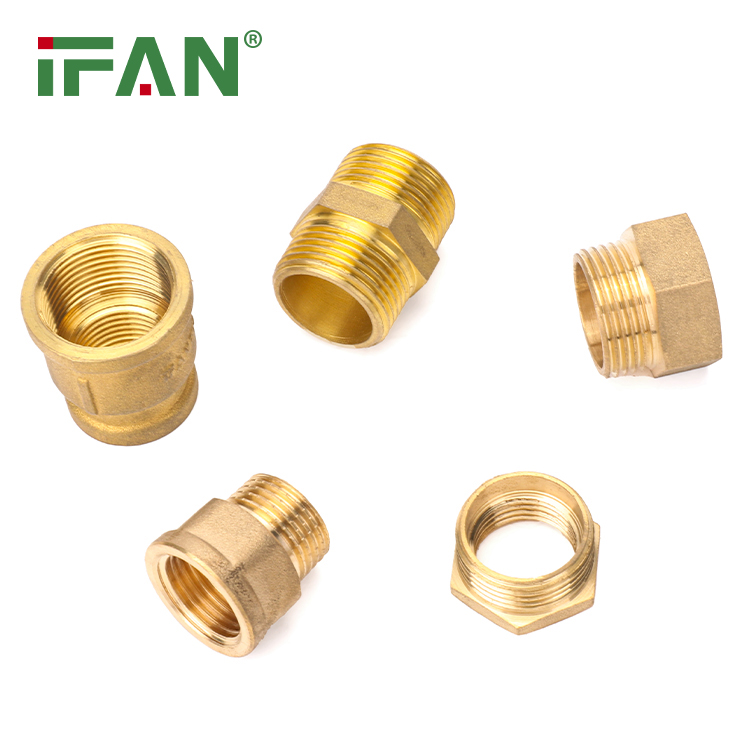
Brass fittings offer several advantages over steel fittings. Firstly, brass is inherently corrosion-resistant, making it suitable for both indoor and outdoor applications. Unlike steel, brass does not rust, ensuring longevity and durability. Additionally, brass fittings are relatively easier to install and require less maintenance compared to steel fittings. The malleability of brass also allows for more intricate designs, making it a preferred choice in decorative applications.
. Brass Fittings vs. Plastic Fittings
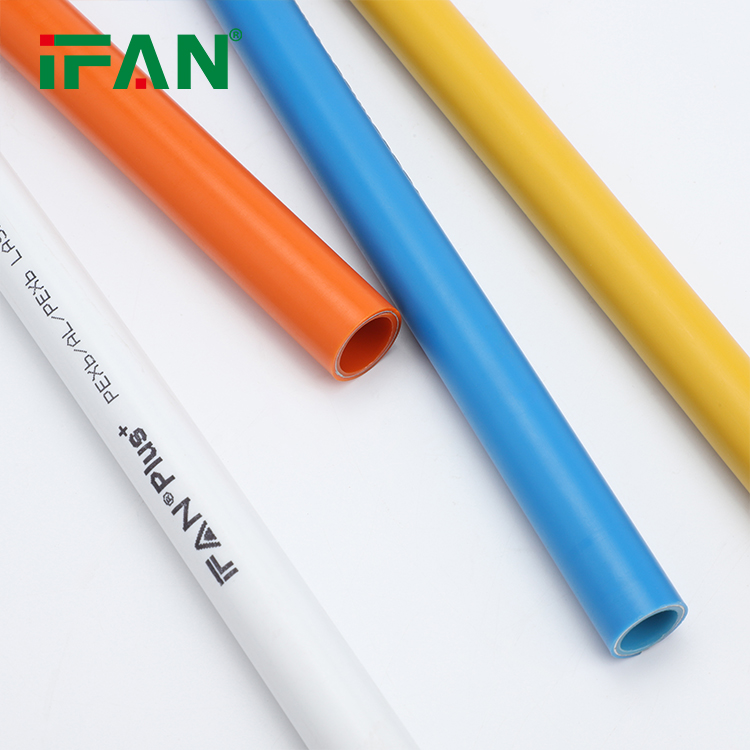
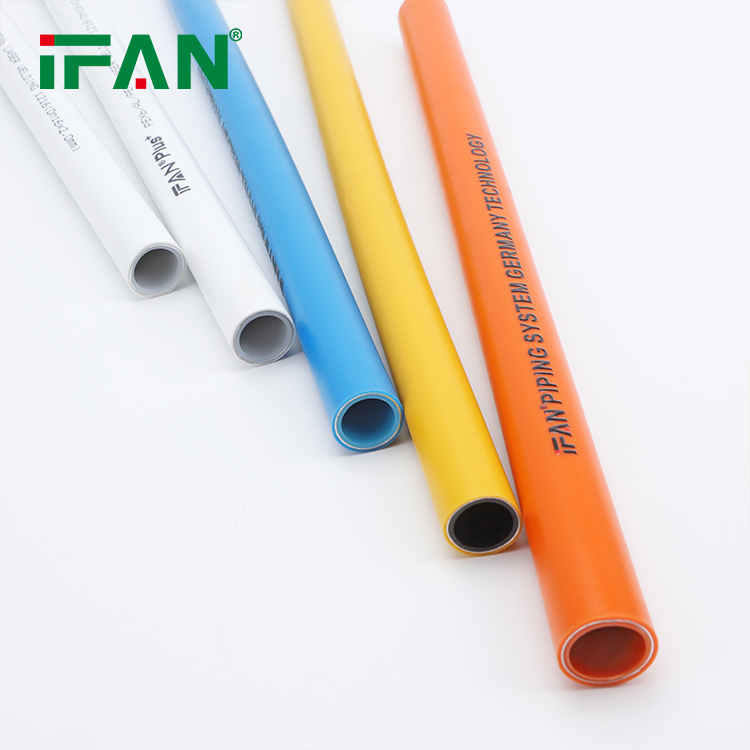
When comparing brass fittings with plastic fittings, there are significant differences to consider. Brass fittings are known for their robustness and high heat resistance, making them suitable for applications that involve high pressures and temperatures. Plastic fittings, on the other hand, are more prone to damage under extreme conditions. Brass fittings also offer superior strength and durability compared to plastic, ensuring a longer lifespan and reduced risk of leaks or failures.
3. Brass Fittings vs. Copper Fittings
Brass fittings and copper fittings share some similarities due to their common main component – copper. However, brass fittings offer distinct advantages over copper fittings. Brass is more affordable than copper, making it a cost-effective option for various applications. Furthermore, brass has better resistance to dezincification, a form of corrosion that affects copper fittings exposed to certain environments. Additionally, brass fittings provide better compatibility with different types of pipes, offering more versatility in plumbing systems.
4. Brass Fittings vs. Aluminum Fittings
Compared to aluminum fittings, brass fittings possess several advantages. Brass is known for its excellent strength and durability, making it suitable for applications that require a higher level of robustness. Aluminum fittings, while lightweight, may not withstand high pressures and can be vulnerable to corrosion. Brass fittings also offer better resistance to temperature variations, ensuring stable performance in different environments. Additionally, brass fittings can be easily connected or disassembled without the risk of thread damage, unlike aluminum fittings.
Conclusion
When comparing brass fittings with other materials such as steel, plastic, copper, or aluminum, it becomes evident that brass offers unique advantages in terms of corrosion resistance, strength, durability, and versatility. Its cost-effectiveness, ease of installation, and low maintenance requirements make it an ideal choice for various industrial and plumbing applications. By understanding the differences between these materials, you can make an informed decision and select the most suitable fittings for your specific requirements.