Introduction
Living in Iowa, where winters can be harsh and temperatures plummet, it’s essential to ensure that your plumbing system is prepared to withstand the cold. Among the popular options for plumbing systems, PEX (cross-linked polyethylene) pipes have garnered attention for their flexibility and resistance to corrosion. However, like all plumbing materials, PEX is not immune to freezing and bursting in extremely low temperatures. This comprehensive guide will delve into effective strategies to prevent burst or frozen PEX pipes, ensuring a smooth and worry-free winter for Iowa residents.
Understanding PEX Pipes
What are PEX Pipes?
PEX pipes are a type of plastic piping made from high-density polyethylene. Thanks to the cross-linking process, they possess enhanced durability and flexibility, making them suitable for various plumbing applications. Unlike traditional piping materials such as copper or PVC, PEX pipes can easily bend around corners and obstacles, resulting in fewer fittings and connections during installation.
Why Choose PEX?
- Flexibility: PEX pipes can bend and stretch, accommodating the natural movement that can occur in buildings over time.
- Resistance to Corrosion: Unlike metal pipes, PEX does not corrode, ensuring longevity and reliability.
- Cost-Effectiveness: PEX is typically less expensive than copper piping, both in terms of material cost and installation labor.
- Insulating Properties: PEX retains heat better than metal pipes, allowing hot water to stay hot longer and preventing condensation.
Risks of Freezing and Bursting
Why Do PEX Pipes Freeze?
PEX pipes are generally more resistant to freezing than metal pipes. However, in extremely cold temperatures—typically below 20°F—frozen water can still cause problems. Most often, pipes freeze when:
- They are exposed to cold air in unheated areas, such as attics or crawl spaces.
- The temperature drops significantly overnight without proper insulation.
- Insufficient heat is maintained in the home.
Consequences of Frozen PEX Pipes
The primary concern with frozen pipes is bursting. When water freezes, it expands, creating pressure against the walls of the pipe. If the pressure becomes too great, the PEX can crack or burst, leading to costly repairs and water damage. Additionally, once the ice thaws, the resulting water can cause flooding, contributing to a harsh mess and potentially severe damage to your home.
Effective Strategies to Prevent Frozen or Burst PEX Pipes
1. Insulate Your Pipes
One of the most effective ways to protect PEX pipes from freezing is to insulate them properly. This is particularly important for pipes located in unconditioned spaces. Here’s how to do it:
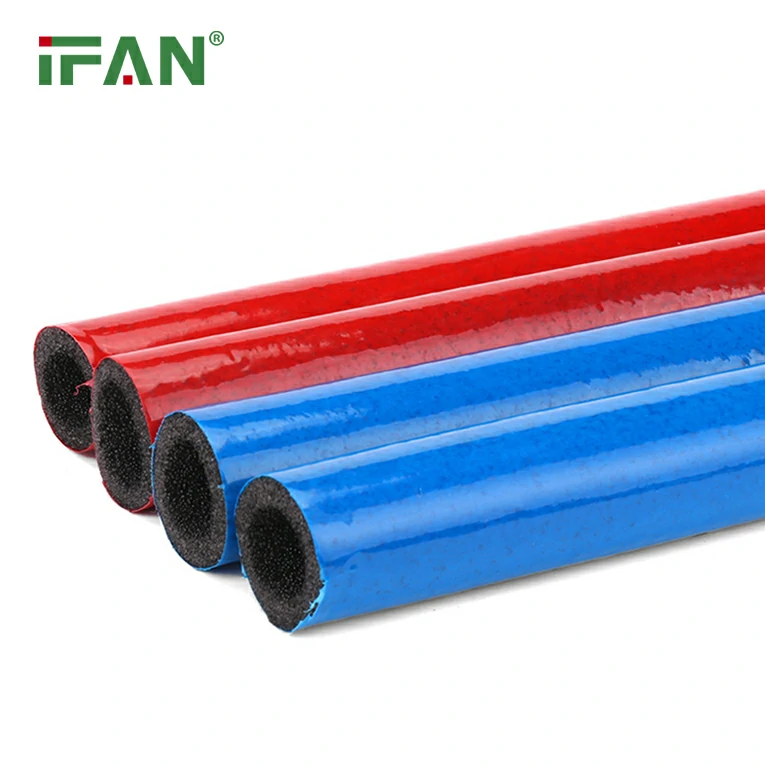
- Use Foam Pipe Insulation: Wrap your PEX pipes with foam insulation sleeves, available in various sizes. This provides a thermal barrier against the cold.
- Insulate Crawl Spaces and Attics: Ensure that the areas where PEX pipes are located are properly insulated. Seal any gaps in exterior walls and use insulation boards or blankets in crawl spaces.
- Heat Tape: For particularly vulnerable sections of piping, consider using heat tape. This self-regulating tape warms the pipes during freezing temperatures, safeguarding them against ice buildup.
2. Maintain a Consistent Temperature
Maintaining a steady temperature throughout your home is crucial for preventing frozen pipes. Here are a few tips:
- Keep the Heat On: During the winter months, keep your thermostat set to a consistent temperature, ideally no lower than 55°F, even if you plan to be away.
- Open Cabinets: If you have sinks located against exterior walls, leave the cabinet doors open to allow warm air to circulate around the pipes.
- Let Faucets Drip: Allowing a small trickle of water to flow from your faucets reduces pressure and can help prevent freezing. The sound of water flowing can also provide peace of mind during very cold nights in Iowa.
3. Seal Cracks and Openings
Inspect your home for any drafts or air leaks that could lead to freezer bursts:
- Seal Gaps: Use caulk or spray foam to seal any gaps around windows, doors, and dryer vents that could allow cold air in.
- Weather Strip Doors: Ensure your exterior doors are properly weatherstripped to maintain indoor warmth.
- Basement and Attic: Check for cracks in your basement and attic; seal them to prevent cold drafts from reaching your plumbing.
4. Use PEX-Approved Fittings
When installing PEX piping, make sure to use fittings designed for PEX. This includes:
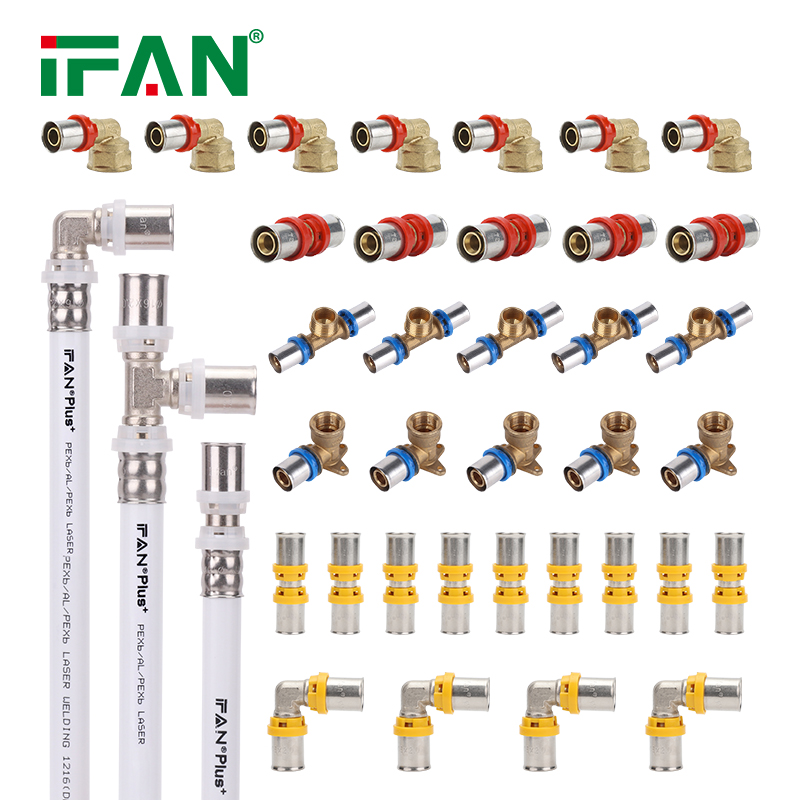
- Expansion Fittings: These fittings allow for slight expansions within the PEX pipe to accommodate pressure changes.
- Crimp Fittings: Properly crimping connections ensures that water won’t escape, preventing pressure build-up.
5. Monitor Your Plumbing System
Regular monitoring can prevent bigger problems down the line:
- Check Water Pressure: Keep an eye on water pressure levels. If your system is experiencing extreme fluctuations, it may indicate underlying issues.
- Inspect for Leaks: Check your plumbing system regularly for leaks or damp spots, especially in areas where pipes are lagging.
- Thermal Monitoring: Install thermostats or temperature sensors in key areas to receive alerts if temperatures fall to critical levels.
6. Drain Hose Bibs in Winter
Outdoor hose bibs can be a significant risk during winter:
- Shut Off Outdoor Water Supply: Prevent freezing in outdoor spigots by shutting off the water supply and draining the pipes.
- Remove Hoses: Disconnect hoses and store them indoors to prevent ice buildup.
7. Professional Assistance
If you believe that your pipes are particularly vulnerable or if you’ve experienced issues in the past, consider hiring a licensed plumber. They can provide tailored recommendations based on your home’s plumbing layout and specific needs.
Conclusion
Preventing burst or frozen PEX pipes involves a combination of insulation, temperature maintenance, and routine monitoring. Given Iowa’s extreme winters, proactive measures are essential to protect your plumbing and safeguard your home from costly damage. By following the strategies discussed in this article, you can ensure that your PEX plumbing remains resilient during the cold months and maintains a consistent supply of water throughout your home.
FAQs
- How can I tell if my PEX pipes are frozen?
- Signs include reduced water flow from faucets, unusual noises in the pipes, or visibly swollen sections of the pipe.
- What should I do if my PEX pipes freeze?
- Turn on the faucet to relieve pressure and gradually thaw the pipes using a hair dryer or warm towels. Avoid using open flames.
- Are PEX pipes safe for outdoor use?
- PEX pipes should not be exposed to sunlight as UV rays can degrade them. For outdoor installations, ensure proper insulation and protection.
- Can I use antifreeze in my PEX plumbing?
- It’s not recommended to use antifreeze in residential plumbing systems as it can lead to contamination. Instead, focus on insulation and the strategies outlined above.
- What’s the average lifespan of PEX plumbing?
- PEX pipes can last 30 years or more, depending on installation quality and maintenance. Regular inspection is necessary to ensure longevity. By employing these preventive measures, you can keep your PEX plumbing system secure and functioning smoothly during the frosty Iowa winters.