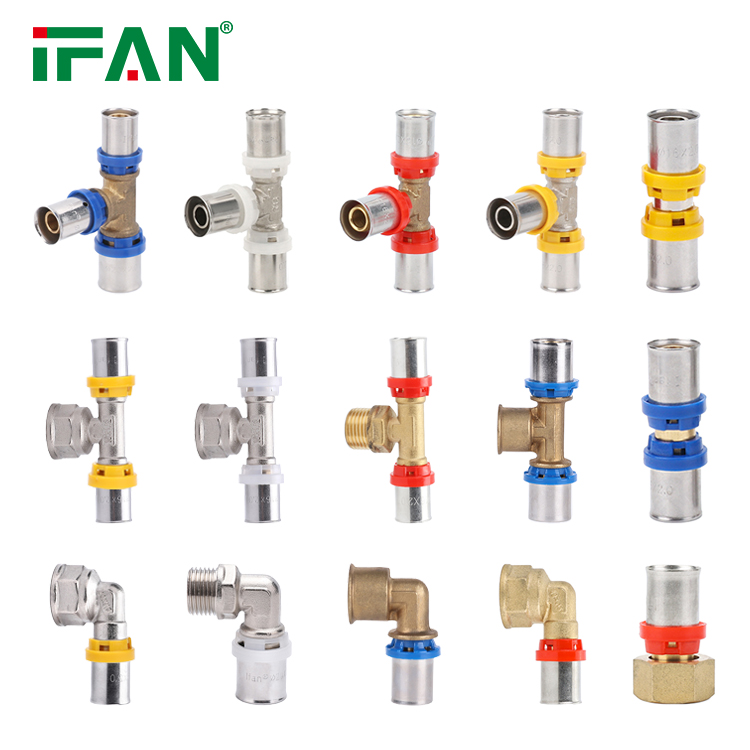
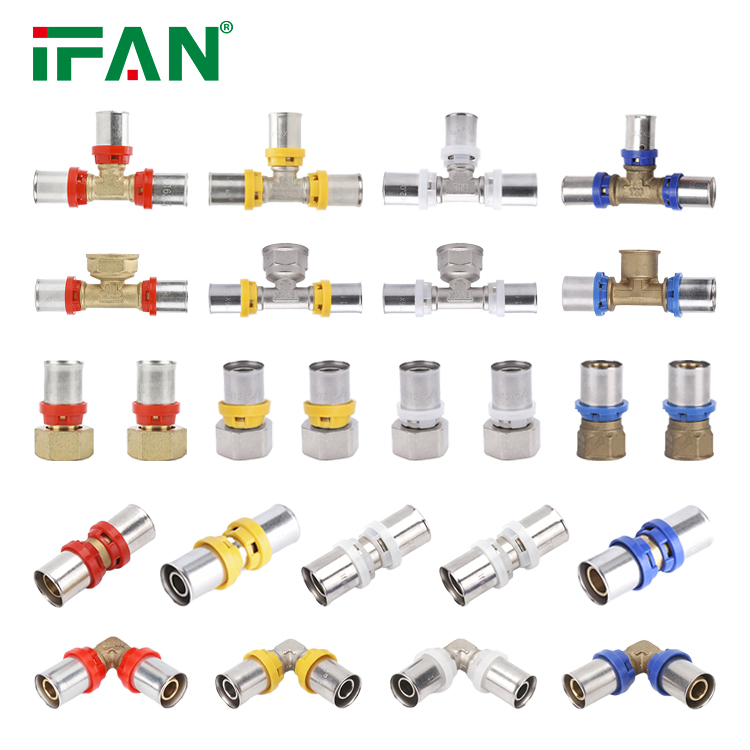
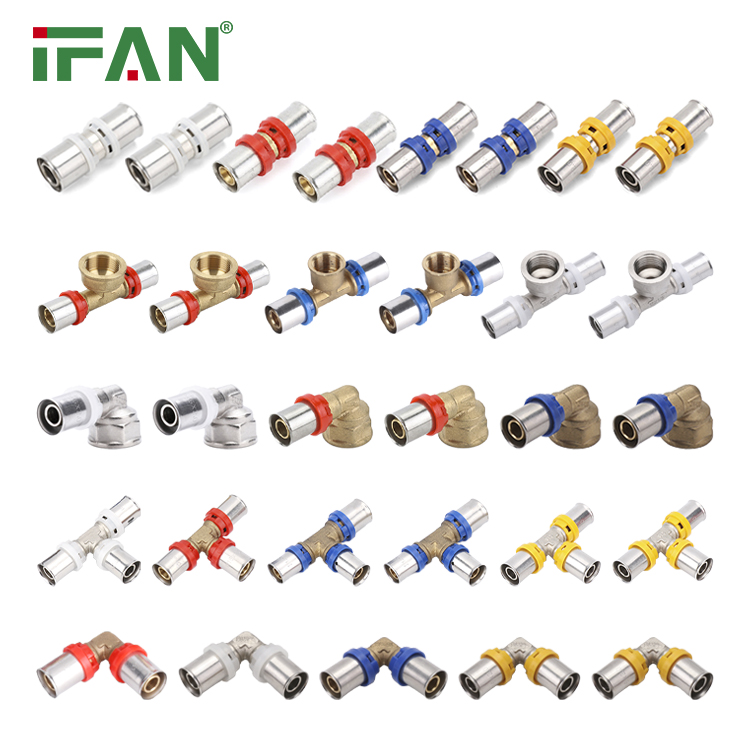
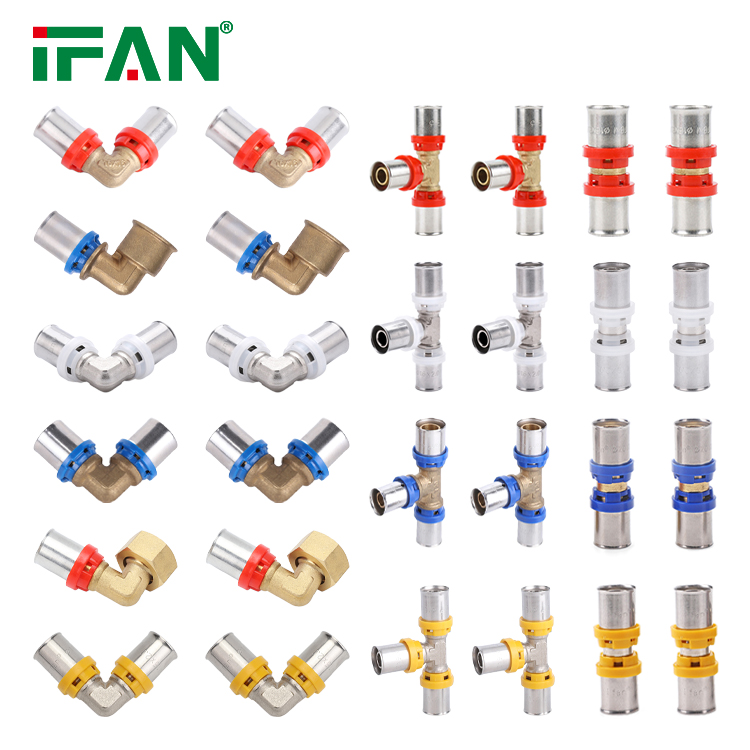
Introduction: Drafting Under Pressure—Just Like PPR Fittings
Fantasy football and plumbing may not seem to share much in common at first glance—but hear us out. Just like drafting from the 11th position in a 12-team half-PPR league, choosing the right PPR fittings in a water system requires foresight, precision, and the ability to perform under pressure.
In this mock draft scenario, we’ll walk you through how to build a winning roster from the 11th spot—while subtly drawing parallels with the underrated MVPs of plumbing systems: PPR fittings.
Let’s draft smart, draft strong, and draft leak-free.
Understanding the Half-PPR Format (And Why It Matters)
In a Half-PPR league (Points Per Reception), players receive 0.5 points per catch. This format balances the value of volume-based wide receivers and touchdown-heavy running backs, making it critical to draft players who can do both.
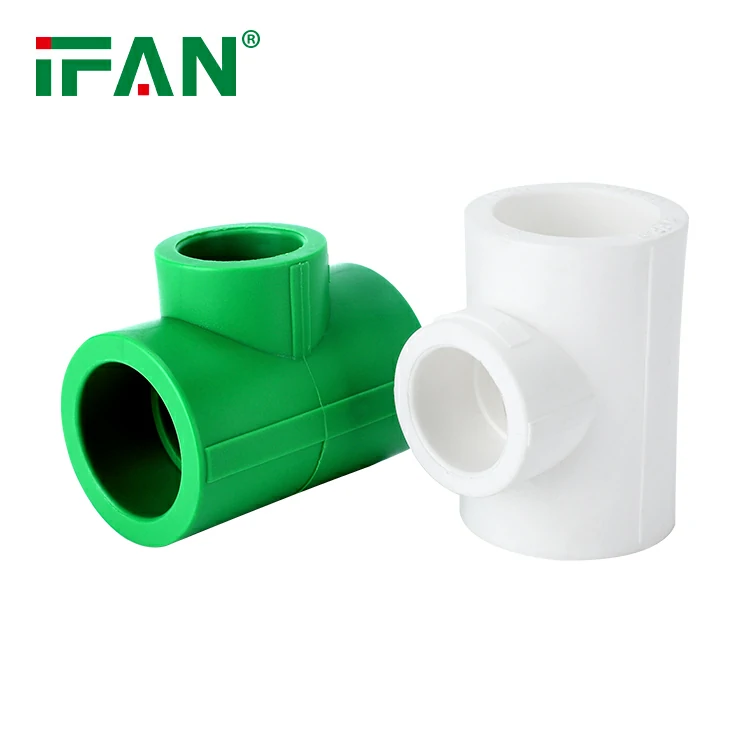
Similarly, PPR fittings in plumbing provide balanced performance:
- Ideal for both hot and cold water systems
- Function well in residential and commercial settings
- Handle both pressure and volume without leaks
In short, it’s all about balance—both on your fantasy roster and in your infrastructure.
Round-by-Round Draft Strategy From Pick 11
🌀 Round 1-2 Turn (Pick 11 and 14): Anchor Your Team
At the turn, you’re almost guaranteed to miss out on top-5 players. Instead:
- Option A: Take a top RB like Saquon Barkley or Josh Jacobs
- Option B: Pair an elite WR like Amon-Ra St. Brown with a balanced RB
💡 PPR Fittings Insight: Just like in plumbing, foundation matters. Choosing high-performance fittings early ensures structural integrity—just like elite fantasy picks.
⚡ Round 3-4 (Pick 35 and 38): Look for Versatility
Target players like:
- WR: Calvin Ridley, DJ Moore
- RB: Travis Etienne, Rachaad White
These players offer volume and efficiency, essential in Half-PPR.
💡 PPR Fittings Parallel: You want fittings that work well in different temperatures and pressures—versatile parts for a system that changes flow—just like versatile players on your roster.
🔧 Round 5-6: Time for Tight Ends or Flex Depth
By now, solid TE options like Darren Waller or Dallas Goedert may still be available. Or load up on high-upside WRs like:
- Jerry Jeudy
- Jahan Dotson
💡 PPR Fittings Connection: In a pressurized water system, you don’t ignore flexible connectors. In fantasy football, your flex positions win you weeks. Don’t neglect them.
⚙️ Round 7-10: Build Stability
This is where your depth shines. Grab high-upside RB handcuffs, rookie WRs, or even a mobile QB like Daniel Jones or Tua Tagovailoa.
💡 Plumbing Insight: Think of this as reinforcing your pipe network with high-quality PPR elbows, tees, and couplers—they don’t make headlines but are critical to the flow.
🔥 Late Rounds (11-15): Sleepers and Streamers
Use these rounds to grab:
- A DST like the Jets or Saints
- A reliable kicker like Jake Elliott
- A deep sleeper WR like Rashee Rice
💡 Final PPR Fittings Comparison: In both plumbing and fantasy, the final connections matter. One weak fitting—or one weak bench option—can break the system.
Final Roster Example (Pick 11 – 12-Team Half-PPR)
| Position | Player |
|---|---|
| QB | Tua Tagovailoa |
| RB | Saquon Barkley |
| RB | Rachaad White |
| WR | Amon-Ra St. Brown |
| WR | DJ Moore |
| TE | Darren Waller |
| FLEX | Jahan Dotson |
| DST | New Orleans Saints |
| K | Jake Elliott |
| Bench | Jerry Jeudy, Tyler Allgeier, Jaylen Warren, Rashee Rice, Kendre Miller |
The PPR Fittings Takeaway: Build for Pressure, Perform with Flow
Whether you’re managing a complex water system or a fantasy football roster, planning for pressure is everything. PPR fittings thrive under stress—they’re leak-proof, durable, and reliable. Isn’t that exactly what you want from your fantasy team?
Drafting from the 11th spot requires strategic depth, multi-role players, and the right infrastructure—just like selecting the right fittings to ensure a building’s water system never fails.
So next time you’re setting your fantasy football lineup or designing a new piping system, remember: good flow is built with great fittings—and smart decisions under pressure.
Frequently Asked Questions (FAQ)
1. What are PPR fittings used for?
PPR fittings are used to connect PPR pipes in plumbing systems for hot and cold water, HVAC, and industrial applications.
2. How do PPR fittings relate to fantasy football?
In this article, PPR fittings are creatively compared to fantasy football strategy, highlighting how structure, balance, and durability apply to both.
3. What is a Half-PPR fantasy football league?
In Half-PPR leagues, players earn 0.5 points for every reception, making both catches and yardage important in scoring.
4. Are PPR fittings suitable for high-pressure systems?
Yes, PPR fittings can handle pressure ratings of up to 20 bar and temperatures up to 95°C, making them ideal for pressurized systems.
5. Why is drafting from the 11th spot in fantasy football challenging?
You’re close to the end of the round, so top-tier players are often gone. However, back-to-back picks allow for strong positional pairings and long-term planning.