Introduction: Infrastructure and Immunization Go Hand in Hand
In the heart of the Sahel, Mauritania stands at a critical crossroads—between climate stress, resource limitations, and an urgent need for public health interventions. But amid the challenges, infrastructure plays a surprisingly pivotal role. In particular, the use of PPR fittings in water systems has emerged as a vital but often overlooked component in supporting vaccination campaigns in rural, arid regions.
This article explores how PPR fittings contribute to vaccination infrastructure in Mauritania and considers what strategies might be best suited for efficient, scalable, and sustainable vaccine delivery in a Sahelian setting.
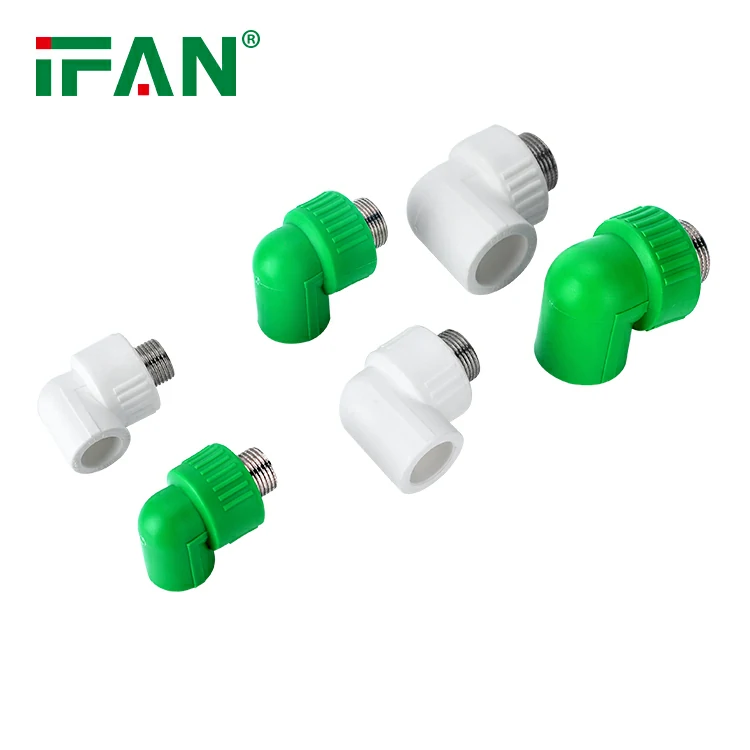
What Are PPR Fittings and Why Do They Matter?
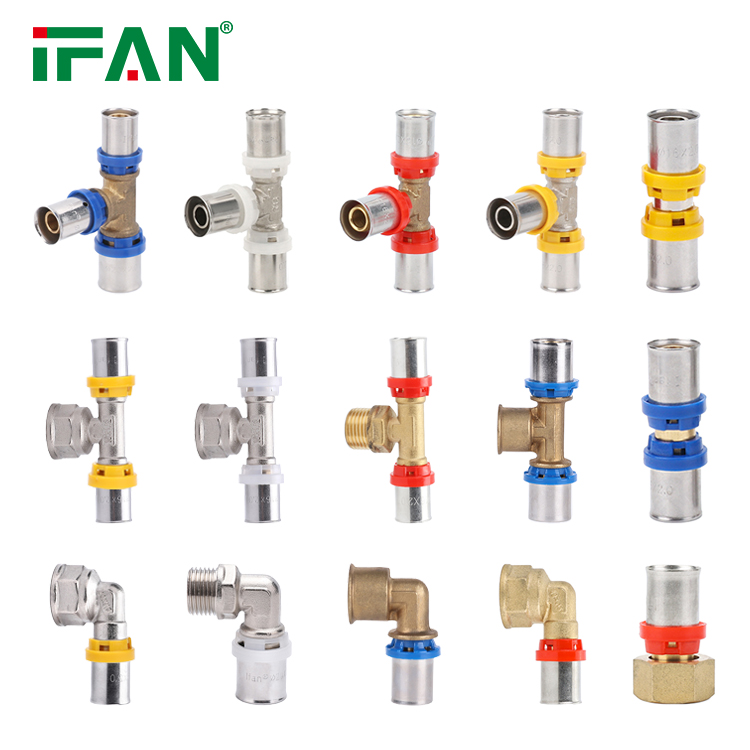
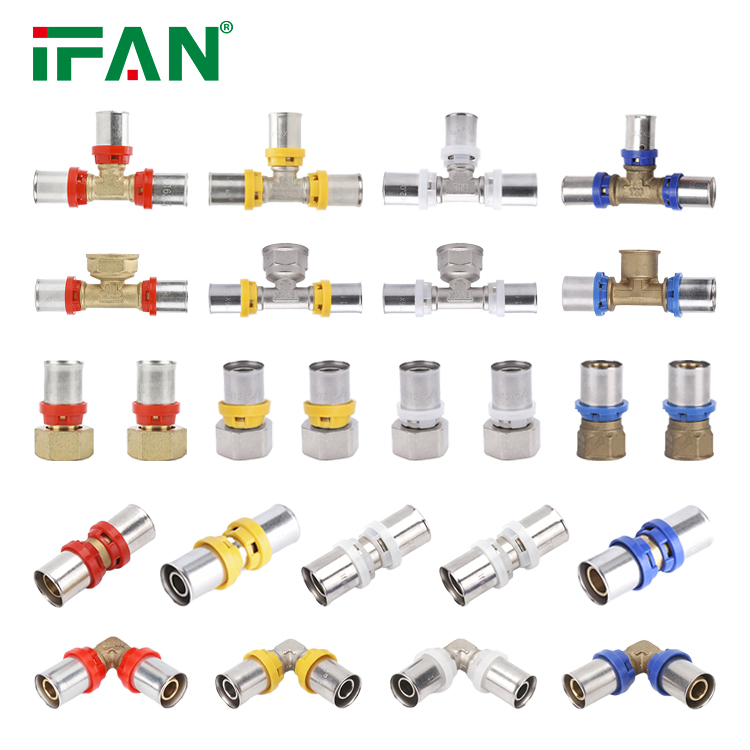
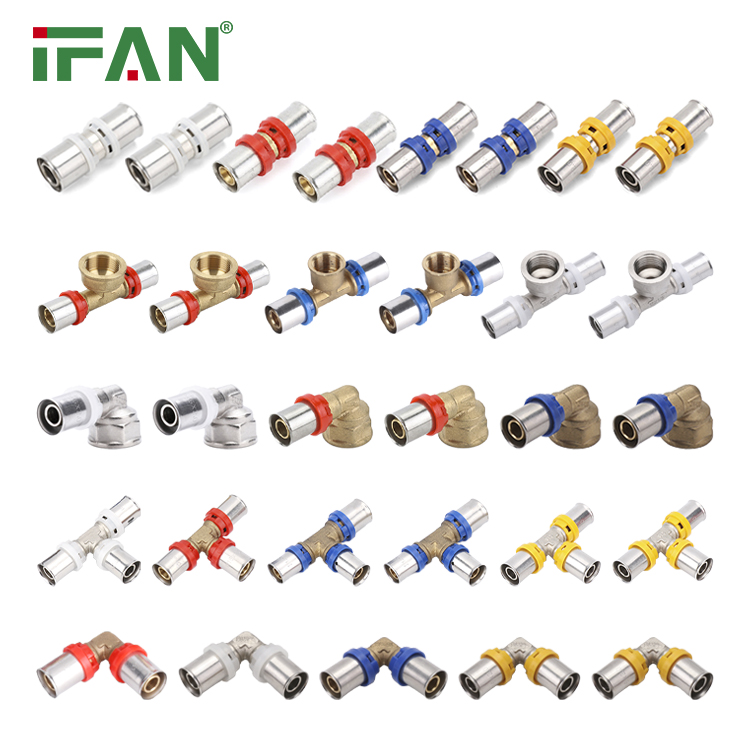
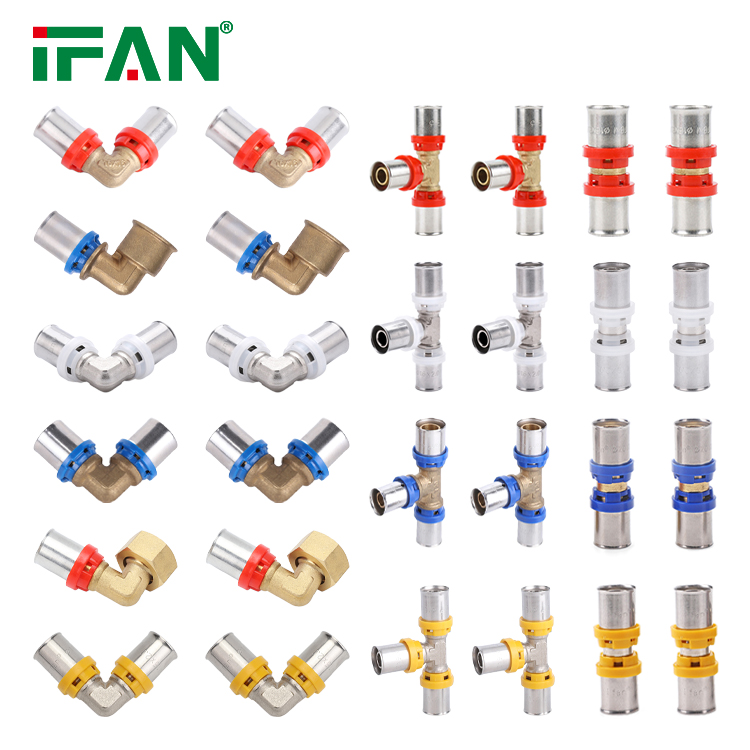
PPR fittings refer to components made from Polypropylene Random Copolymer, used for connecting PPR pipes in water supply systems. They are well-suited to the harsh Sahelian climate due to their:
- High resistance to heat and pressure
- Excellent chemical and corrosion resistance
- Long life span (up to 50 years)
- Suitability for portable water systems, including mobile clinics
In arid countries like Mauritania, where health interventions depend heavily on clean water and mobile infrastructure, PPR fittings are indispensable. They ensure the reliable flow of water in both permanent healthcare facilities and mobile vaccination units.
The Sahelian Challenge: Delivering Vaccines in Harsh Conditions
Vaccination campaigns in Mauritania face complex logistical barriers:
- Extreme temperatures that compromise cold chain integrity
- Sparse rural populations scattered over vast desert lands
- Limited infrastructure for clean water and hygiene
- Seasonal migration patterns, particularly in pastoral communities
To overcome these, a robust infrastructure is needed—not just for roads and refrigeration, but for water supply systems, sanitation, and public health delivery. That’s where PPR fittings enter the equation.
PPR Fittings: Enabling Better Vaccine Delivery Infrastructure
1. Reliable Water Supply for Clinics
Vaccination centers must maintain strict hygiene standards, especially during mass immunization efforts. PPR pipe systems, connected via leak-proof PPR fittings, provide a steady supply of safe water for:
- Washing hands and equipment
- Preparing vaccines
- Cleaning surfaces and waste disposal
Without these systems, contamination risks rise—and so does vaccine hesitancy.
2. Supporting Mobile Vaccination Units
Many remote areas in Mauritania rely on mobile clinics to reach vulnerable populations. These clinics often feature portable water systems using lightweight PPR fittings that can withstand transportation and quick setup without leakage or pressure loss.
3. Temperature Control & Cooling Systems
Certain cold chain systems for vaccines are water-based or require plumbing for evaporative cooling. Here, PPR fittings provide thermal insulation and reliability under high temperatures, making them ideal for desert environments.
Towards a Vaccination Strategy That Includes Infrastructure
For a successful vaccination rollout in Mauritania, health policymakers must go beyond biological logistics. A holistic vaccination strategy should include:
✅ Infrastructure Planning
Invest in water systems that use durable, cost-effective PPR fittings, especially in semi-permanent or mobile health structures.
✅ Climate-Smart Materials
Choose materials, like PPR, that can resist UV degradation, high temperatures, and chemical cleaning agents.
✅ Decentralized Systems
Enable community-level vaccination hubs by installing low-maintenance water supply lines with simple-to-use PPR plumbing solutions.
✅ Training and Local Capacity
Train local technicians to install and maintain PPR piping systems, ensuring long-term independence and sustainability.
Final Thoughts
As Mauritania plans its next-generation vaccination strategies, the importance of infrastructure cannot be overstated. While vaccines are at the heart of public health, they depend on clean water, temperature stability, and hygiene—all of which are supported by systems built using PPR fittings.
In the context of a Sahelian setting, where climate and geography create unique challenges, these seemingly small components can make a big difference. Whether it’s a mobile clinic in the desert or a rural health post in Hodh Ech Chargui, PPR fittings are foundational to vaccine success.
Frequently Asked Questions (FAQ)
1. What are PPR fittings used for in Mauritania’s vaccination infrastructure?
PPR fittings are used to build reliable water systems in vaccination clinics, ensuring sanitation, cooling, and basic hygiene during campaigns.
2. Why are PPR fittings better than traditional metal or PVC fittings in the Sahel?
PPR fittings resist extreme heat, don’t corrode, are lightweight, and are easier to install—making them ideal for the harsh Sahelian environment.
3. Can PPR fittings be used in mobile healthcare settings?
Yes. Their lightweight, durable nature makes them suitable for portable or mobile vaccination units in remote areas.
4. How do PPR fittings contribute to vaccine safety?
By supporting clean water and hygiene systems, they reduce the risk of contamination during vaccine handling and delivery.
5. Are PPR fittings sustainable for long-term health infrastructure?
Absolutely. With lifespans of up to 50 years, they are durable, recyclable, and require minimal maintenance, making them ideal for long-term solutions.