Introduction
The annual Building Expo is a hub for innovation, networking, and product showcases that define the future of construction and infrastructure. This year, one of the standout highlights was Global Hardware’s PPR (Polypropylene Random Copolymer) pipe system, which garnered significant attention from contractors, engineers, and real estate developers alike. Known for its durability, heat resistance, and chemical stability, Global Hardware’s PPR pipe has long held a respected position in the plumbing industry.
However, as the spotlight shone brightly on PPR, the quiet but rising influence of PEX (cross-linked polyethylene) pipe was impossible to ignore. As the construction world redefines performance and efficiency standards, many professionals are beginning to consider how PEX pipe compares to or complements traditional systems like PPR.
In this 1500-word article, we explore why Global Hardware’s PPR pipes were such a highlight at the Expo, how PEX pipe is quickly emerging as a modern alternative, and what the future holds for both materials in residential and commercial plumbing.
Global Hardware’s PPR Pipe: The Expo Sensation
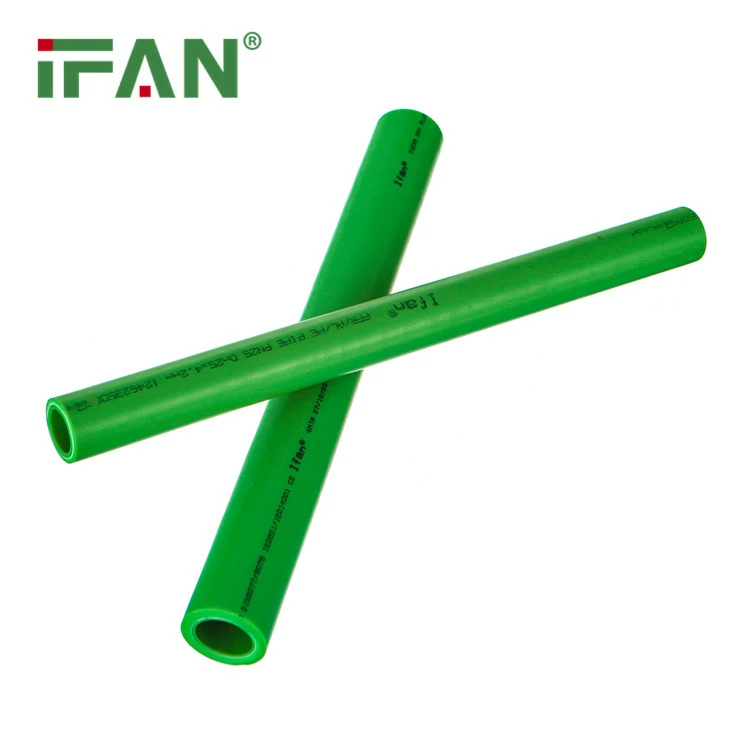
Global Hardware’s display of its latest generation PPR pipe system was designed to impress. Attendees were treated to live demonstrations, product samples, and real-world case studies showing the pipe’s performance in high-pressure and high-temperature environments.
Key Features Presented:
- Heat resistance up to 95°C
- Long lifespan (50+ years)
- Smooth inner surfaces to prevent scale
- Resistance to chemical corrosion
- Easy-to-fuse connections
These properties make PPR ideal for:
- Hot and cold water distribution
- Industrial fluid transport
- Radiator heating systems
- Compressed air applications
Industry insiders praised Global Hardware for its consistent product quality and technical support, making it a go-to supplier in markets ranging from Southeast Asia to the Middle East.
Why PPR Continues to Be Trusted
PPR has been around for decades and is recognized for:
- High strength under pressure
- Excellent insulation properties
- Non-toxic, hygienic qualities for potable water
- Resistance to electrochemical corrosion
At the Expo, engineers emphasized the cost-effectiveness and long-term reliability of PPR piping in multi-story buildings, hospitals, and manufacturing facilities. It’s a workhorse material that continues to dominate certain sectors, especially in regions where heat fusion installation is common and labor is affordable.
Enter PEX Pipe: The Emerging Challenger
While PPR’s benefits are well-documented, there’s growing buzz about PEX pipe, a flexible, lightweight, and highly durable alternative that is quickly gaining traction worldwide.
What Is PEX Pipe?
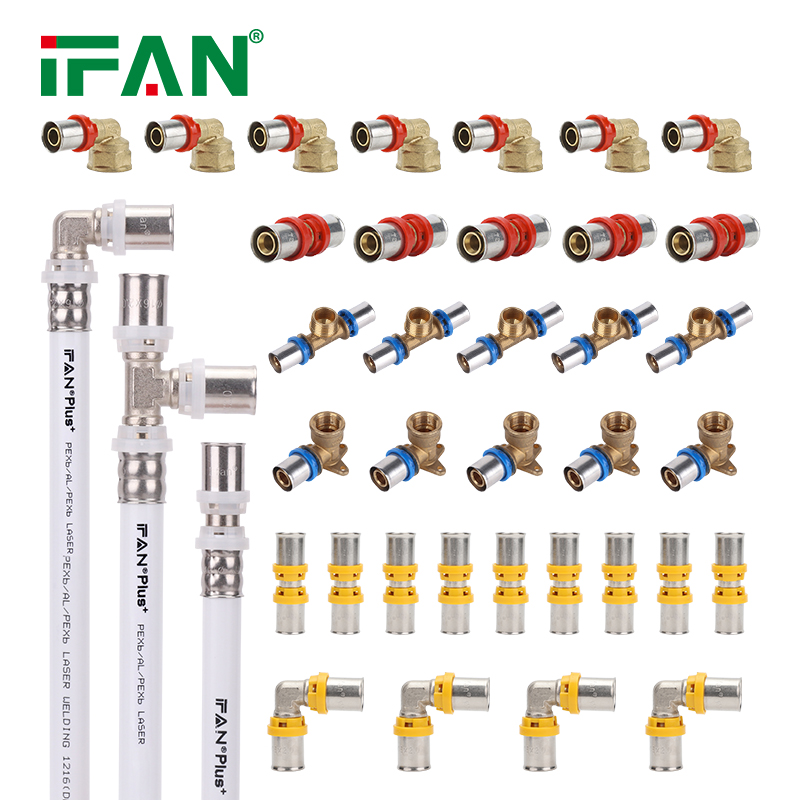
PEX (cross-linked polyethylene) is a form of polyethylene with enhanced molecular bonds that improve thermal stability, chemical resistance, and strength. It comes in three types: PEX-a, PEX-b, and PEX-c, each manufactured differently but suitable for a variety of plumbing applications.
Why PEX Pipe Is Gaining Ground in the Industry
1. Unmatched Flexibility
PEX pipe can be bent around corners, reducing the need for fittings and joints. This feature simplifies installations, particularly in complex residential layouts.
2. Faster, Safer Installation
Unlike PPR, which requires heat fusion and specialized tools, PEX can be joined using:
- Crimp rings
- Clamp rings
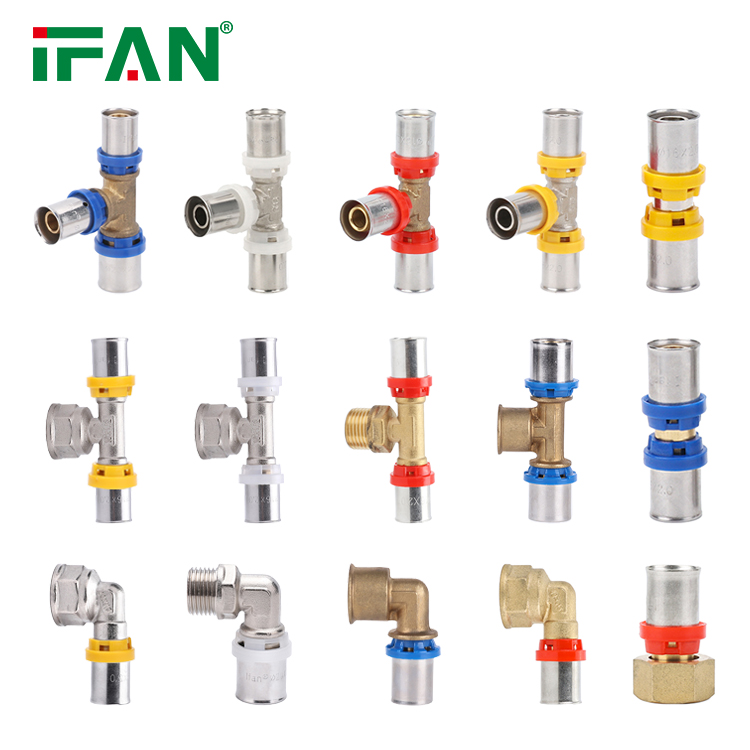
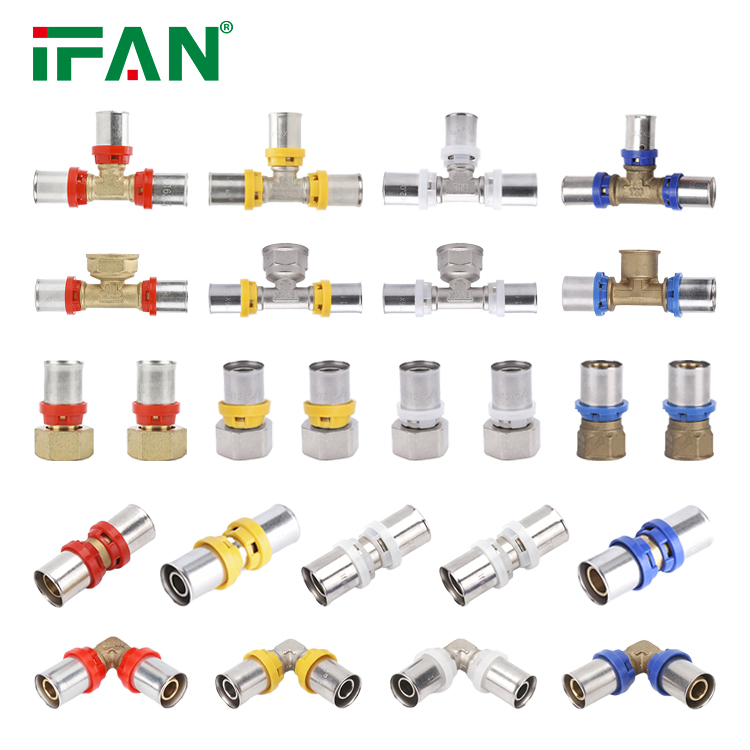
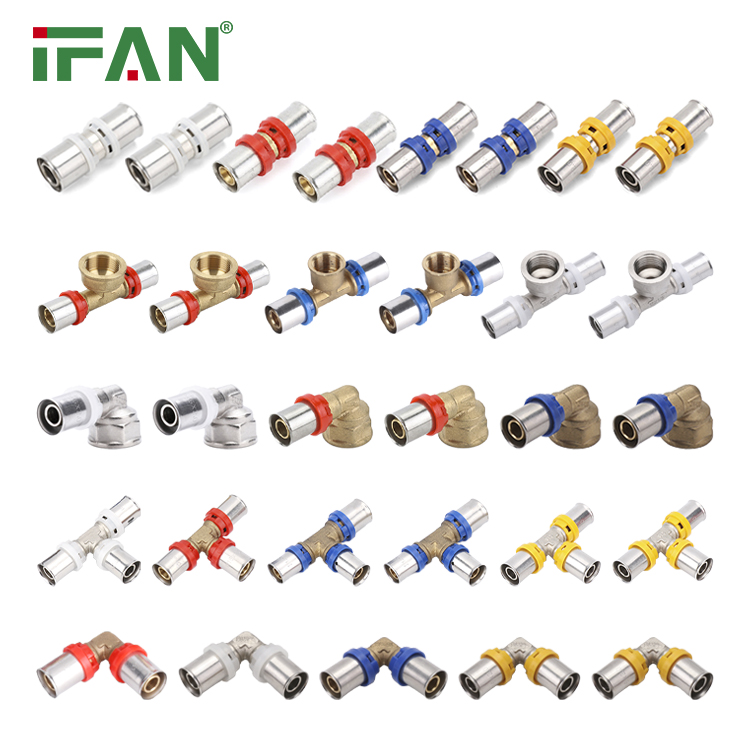
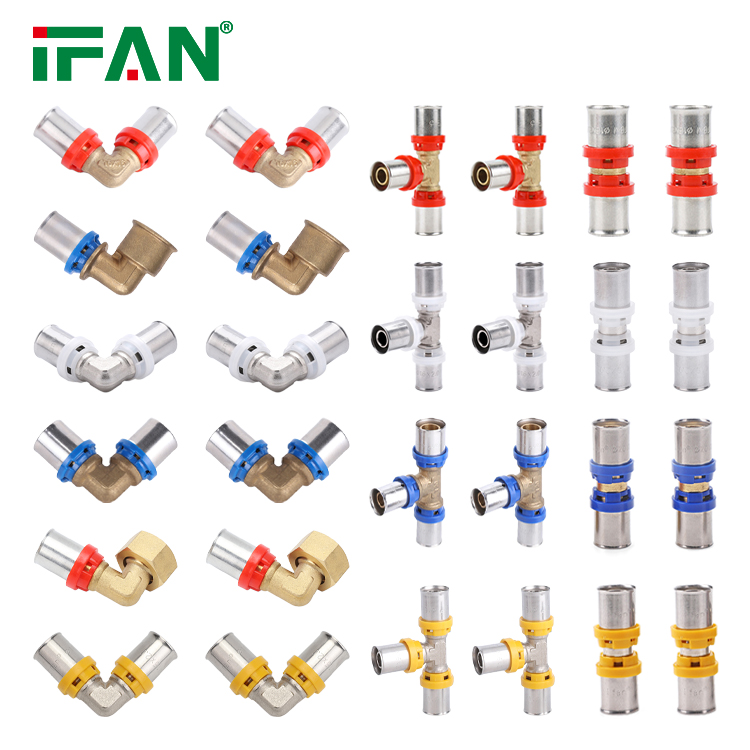
- Push-fit fittings
This makes it safer and faster to install, especially in retrofit projects or areas with tight access.
3. Resistance to Scale and Chlorine
PEX maintains smooth internal surfaces, just like PPR, but it also resists chlorine degradation, making it suitable for treated municipal water supplies.
4. Freeze Resistance
Thanks to its flexibility, PEX can expand slightly if water freezes, reducing the risk of pipe bursts—an invaluable benefit in colder climates.
5. Labor Savings
With fewer fittings and faster connection systems, labor costs using PEX can be reduced by up to 30% compared to PPR in some markets.
PPR vs. PEX: Comparative Analysis
| Feature | PPR Pipe (Global Hardware) | PEX Pipe |
|---|---|---|
| Flexibility | Rigid | Highly flexible |
| Joining Method | Heat fusion | Crimp, clamp, or push-fit |
| Installation Time | Longer | Faster |
| Freeze Resistance | Low | High |
| Pressure Resistance | High | Moderate to High (varies by type) |
| Cost (Material + Labor) | Moderate | Often lower |
| Chemical Resistance | Excellent | Excellent |
| Lifespan | 50+ years | 50+ years |
Where Each Pipe Excels
Ideal Uses for PPR Pipe:
- Centralized hot water systems
- Commercial HVAC
- Industrial process piping
- High-pressure boiler systems
Ideal Uses for PEX Pipe:
- Residential plumbing
- Radiant floor heating
- Retrofit projects
- Freezing climates
Global Trends: PEX Rising in Residential Sectors
At the Building Expo, several companies also featured PEX-based systems, especially for residential applications and radiant heating. North American and European builders are leaning heavily into PEX due to:
- Faster build schedules
- Lower maintenance over time
- Easier integration with green building certifications
In fact, many high-efficiency buildings today are switching to PEX systems for their sustainability and performance advantages, particularly when paired with heat pumps and smart water management systems.
Can PEX Replace PPR?
The short answer is: not entirely, but it depends on the application.
- In commercial and industrial systems with high pressures and elevated temperatures, PPR still leads.
- In residential settings or regions with freezing conditions, PEX has distinct advantages.
Some modern installations even use hybrid systems, combining PEX for in-unit distribution and PPR for main supply lines, optimizing performance and cost-efficiency.
Environmental and Health Considerations
Both PPR and PEX are non-toxic and approved for potable water use. However:
- PEX has a slightly lower carbon footprint during transportation due to its lightweight, flexible nature.
- PPR systems are fully recyclable and free from heavy metals or chemical additives.
- Both systems support LEED certification and sustainable construction practices.
Building Expo 2025 Takeaway: A Dual Future?
The 2025 Building Expo showed that both PPR and PEX have a strong future. Global Hardware’s presentation reinforced PPR’s dominance in traditional sectors, while innovative startups and international brands promoted PEX as the modern alternative for speed, flexibility, and affordability.
The conversation is no longer about which one is superior, but rather which is right for the specific application.
Conclusion
Global Hardware’s PPR pipe turned heads at the Building Expo for good reason: it represents proven reliability, high performance, and long-term durability in a wide range of construction projects. But just around the corner, PEX pipe is rising as a formidable alternative, especially in residential and hybrid plumbing systems where flexibility, speed, and energy efficiency are paramount.
As the plumbing industry continues to evolve, the future will likely embrace both technologies, each serving its niche with precision. Builders, developers, and engineers who understand the strengths of each material will be better positioned to deliver durable, efficient, and cost-effective infrastructure.
FAQs
1. What makes Global Hardware’s PPR pipe stand out?
Global Hardware’s PPR pipe offers excellent thermal resistance, chemical durability, and a proven fusion welding system, making it ideal for commercial and industrial applications.
2. Is PEX pipe suitable for hot water systems?
Yes, PEX is rated for hot water use and performs well in domestic hot water applications up to 200°F (93°C), depending on the type.
3. Can PEX and PPR be used together in a plumbing system?
Yes, hybrid systems are increasingly common, using PPR for main lines and PEX for branch connections to reduce installation time and cost.
4. Which pipe is easier to install—PEX or PPR?
PEX is generally easier and faster to install because it doesn’t require heat fusion. It uses mechanical fittings, making it ideal for tight spaces or retrofits.
5. Which material is more cost-effective for residential plumbing?
PEX tends to be more cost-effective in residential projects due to lower labor costs, fewer fittings, and faster installation.