Introduction
IFAN GB standard UPVC fittings for wastewater treatment play a critical role in modern drainage and sewage systems. Engineers and contractors rely on these fittings to ensure stable flow, corrosion resistance, and long-term durability. As wastewater treatment systems become more complex, high-quality UPVC fittings help maintain efficiency and reduce maintenance costs. This article explains the structure, benefits, and applications of GB standard UPVC fittings, while highlighting why IFAN remains a trusted choice in the industry.
What Are GB Standard UPVC Fittings
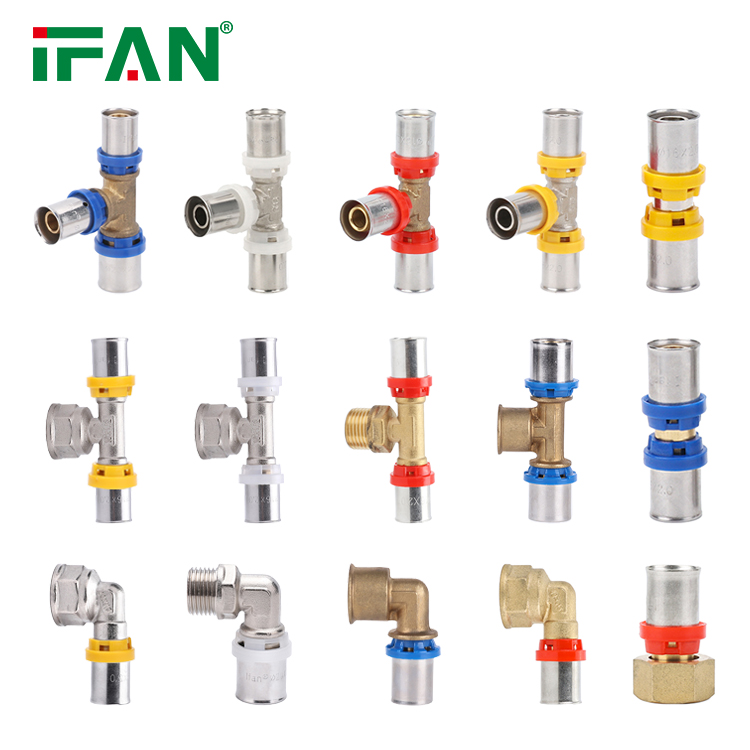
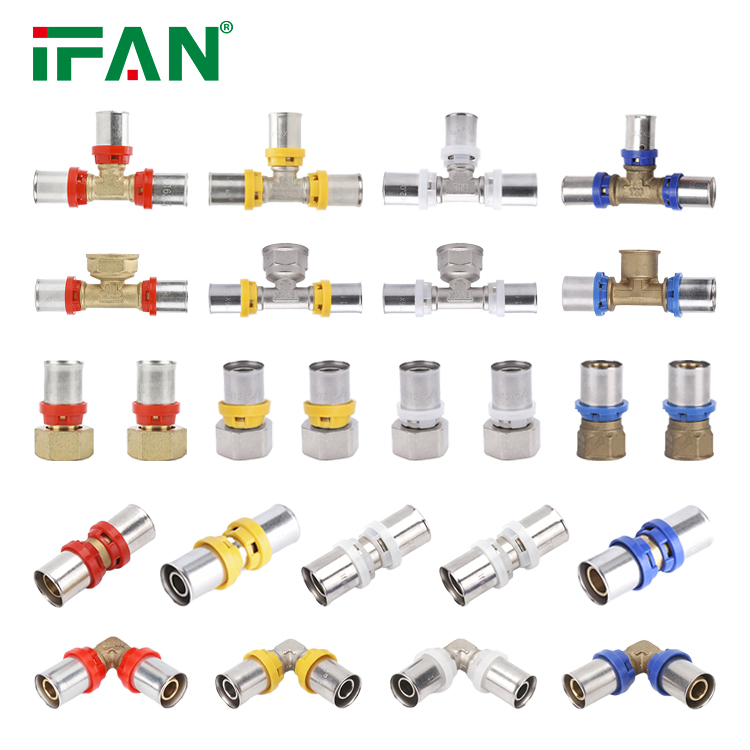
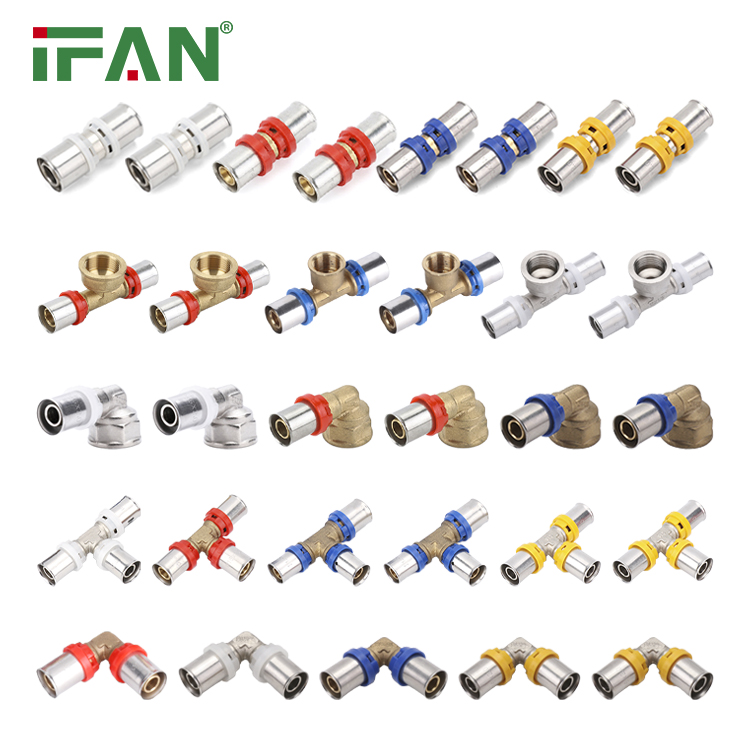
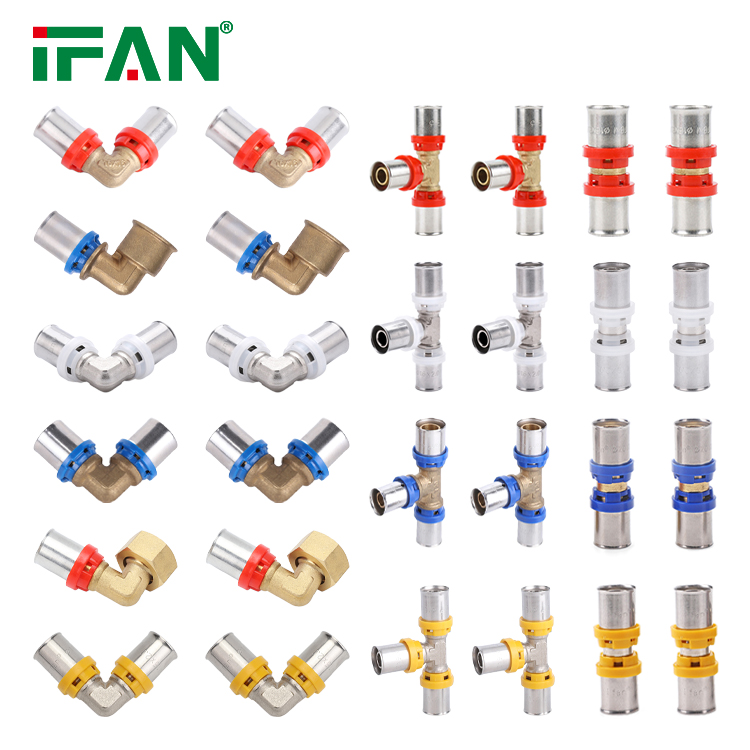
GB standard UPVC fittings follow Chinese national standards, which define dimensions, pressure ratings, and material performance. These fittings connect UPVC pipes in wastewater systems, ensuring leak-free and stable operation. Common types include elbows, tees, reducers, couplings, and end caps.
UPVC, or unplasticized polyvinyl chloride, offers strong chemical resistance and excellent rigidity. It does not react with most acids, alkalis, or salts found in wastewater. This makes it highly suitable for both residential and industrial drainage systems.
Key Features of UPVC Fittings for Wastewater Treatment
UPVC fittings designed for wastewater systems provide several important features that improve system performance and reliability.
First, they resist corrosion effectively. Wastewater often contains aggressive chemicals that can damage metal pipes. UPVC avoids this issue and maintains structural integrity over time.
Second, they offer smooth inner surfaces. This design reduces friction and prevents sediment buildup. As a result, the system maintains consistent flow and reduces blockage risks.
Third, they are lightweight and easy to install. Workers can handle and connect them without heavy equipment, which lowers labor costs and speeds up installation.
Fourth, they provide strong sealing performance. Properly installed fittings prevent leakage and protect surrounding environments from contamination.
IFAN integrates these features into its GB standard UPVC fittings, ensuring consistent quality across different applications.
Benefits of Using IFAN UPVC Fittings
Choosing IFAN GB standard UPVC fittings brings several advantages for wastewater treatment projects.
IFAN uses high-grade raw materials that meet strict quality standards, ensuring long service life and stable performance in demanding environments.
The company maintains precise manufacturing processes, which guarantee accurate dimensions and easy compatibility with standard UPVC pipes.
IFAN also offers a wide range of fittings, allowing engineers to design flexible and efficient piping systems without compatibility issues.
In addition, IFAN products undergo strict testing before delivery, ensuring reliability in both small-scale and large-scale wastewater treatment systems.
Applications in Wastewater Treatment Systems
UPVC fittings serve multiple roles in wastewater treatment systems. They support both gravity drainage and pressure pipelines in various environments.
In municipal sewage systems, they connect underground pipelines and transport wastewater to treatment facilities. Their corrosion resistance ensures long-term performance even in harsh conditions.
In industrial wastewater treatment, UPVC fittings handle chemical discharge from factories. Their stability helps maintain system safety and prevents leakage.
In residential drainage systems, they manage household wastewater and ensure smooth flow to public sewage networks.
IFAN GB standard UPVC fittings adapt to all these scenarios, providing reliable connections and efficient performance.
Installation Tips for Better Performance
Proper installation improves the efficiency and lifespan of UPVC fittings in wastewater systems.
Always clean pipe ends before connection to remove dust and debris. This ensures better bonding and prevents leakage.
Use appropriate adhesive or rubber ring sealing methods based on system requirements. Follow standard procedures to achieve strong and secure joints.
Avoid excessive force during installation. Gentle handling prevents damage and maintains the integrity of the fittings.
Ensure proper alignment of pipes and fittings. Misalignment can cause stress and reduce system durability over time.
Material Comparison with Other Piping Options
UPVC fittings compete with materials such as metal, HDPE, and PVC-U. Each material has unique characteristics, but UPVC offers balanced performance for wastewater treatment.
Compared with metal pipes, UPVC does not corrode and requires less maintenance. It also costs less in the long run.
Compared with HDPE, UPVC provides higher rigidity, which supports stable structure in fixed installations.
Compared with standard PVC, UPVC offers improved strength and better resistance to environmental stress.
IFAN focuses on optimizing UPVC material properties, ensuring high performance across different applications.
Conclusion
IFAN GB standard UPVC fittings for wastewater treatment provide reliable, cost-effective, and durable solutions for modern piping systems. Their corrosion resistance, smooth flow performance, and easy installation make them ideal for a wide range of applications.
By choosing IFAN, engineers and contractors gain access to high-quality fittings that meet strict standards and deliver consistent results. As wastewater treatment demands continue to grow, IFAN UPVC fittings remain a dependable choice for building efficient and long-lasting systems.