Introduction
UPVC fittings for industrial piping systems play a critical role in modern infrastructure, especially in environments that demand durability, chemical resistance, and long-term performance. Industries such as water treatment, chemical processing, and manufacturing rely on high-quality piping components to maintain operational efficiency. IFAN UPVC fittings have gained attention in this sector because they combine reliability with cost-effectiveness, making them suitable for a wide range of industrial applications.
What Are UPVC Fittings
UPVC stands for Unplasticized Polyvinyl Chloride, a rigid and durable material widely used in piping systems. Unlike standard PVC, UPVC does not contain plasticizers, which enhances its strength and resistance to environmental stress. UPVC fittings connect pipes, control flow direction, and ensure leak-free performance in complex piping networks.
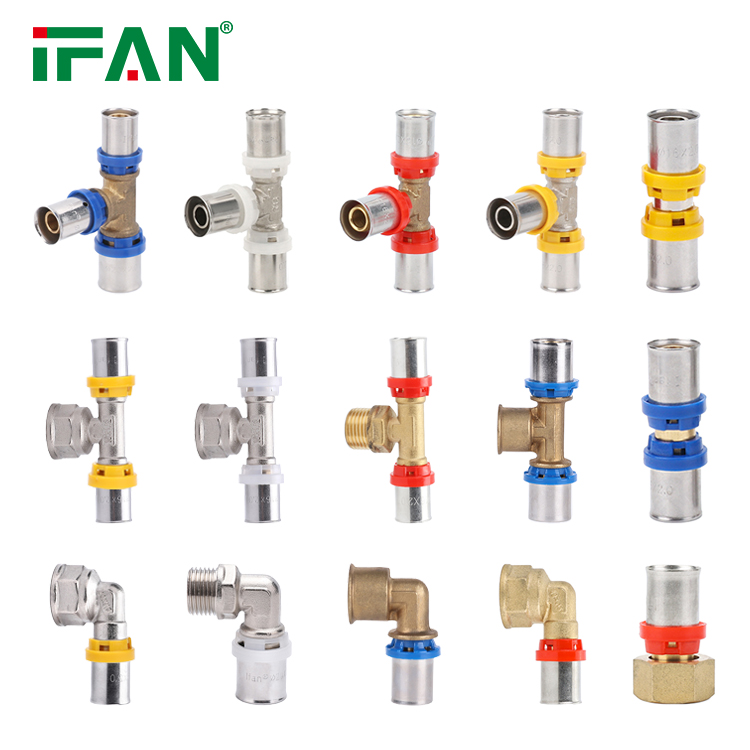
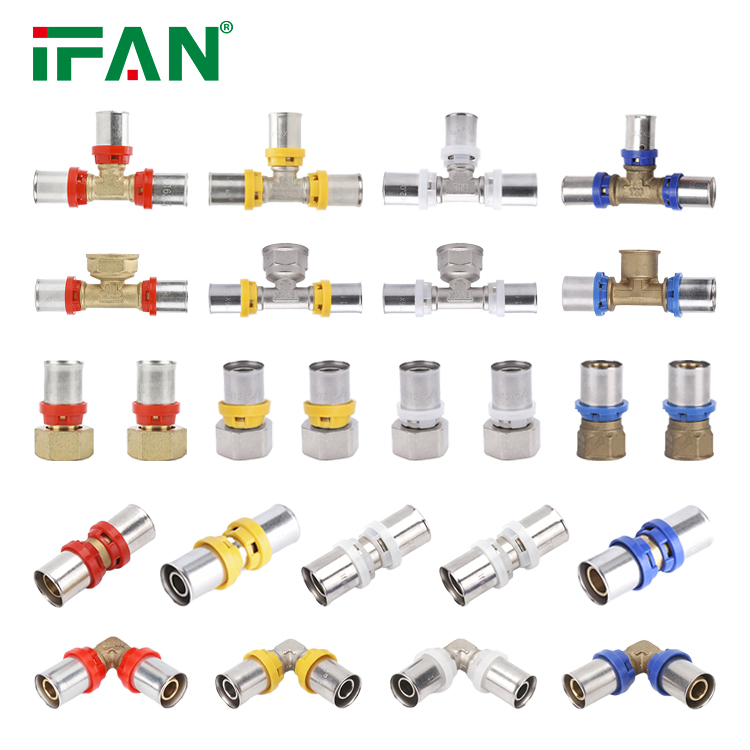
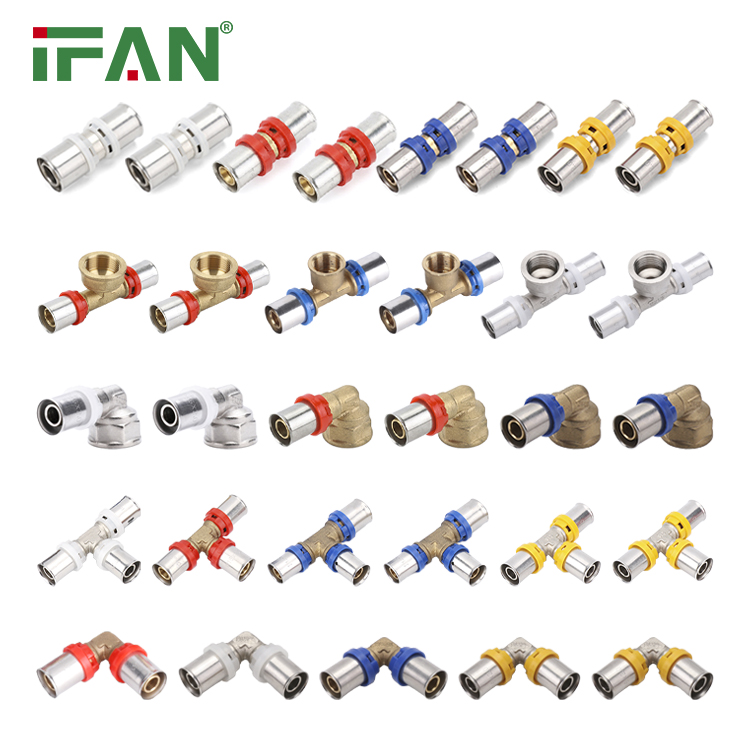
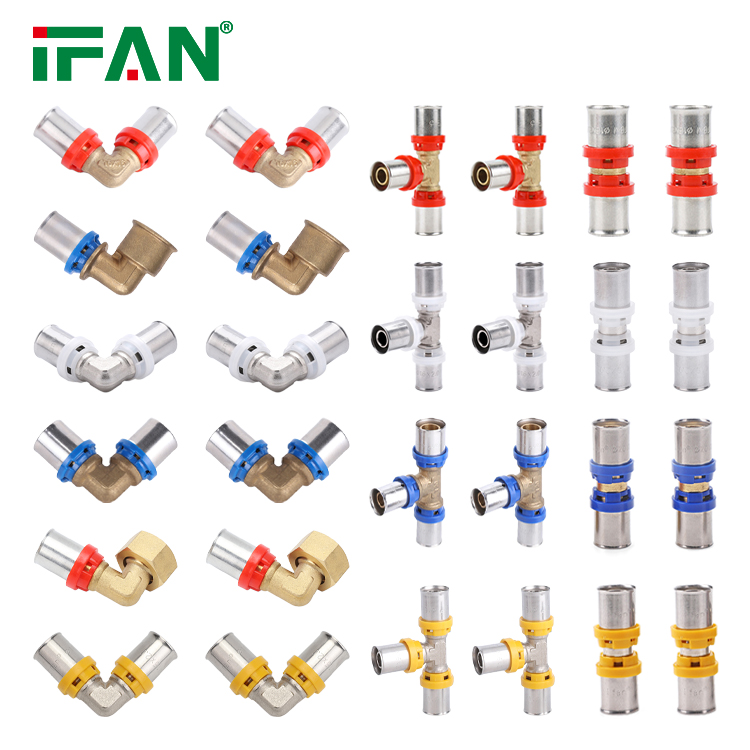
Common types of UPVC fittings include elbows, tees, couplings, reducers, unions, and valves. Each fitting serves a specific function, helping engineers design efficient and safe piping systems.
Key Features of UPVC Fittings for Industrial Use
Industrial environments require materials that can withstand harsh conditions. UPVC fittings meet these demands with several important features.
First, UPVC offers excellent chemical resistance, which makes it suitable for transporting acids, alkalis, and other aggressive fluids without degradation. Second, it provides strong corrosion resistance, ensuring that the fittings do not rust or weaken over time even in humid or chemically active environments.
In addition, UPVC fittings have a smooth internal surface, which reduces friction loss and improves flow efficiency. This feature helps maintain consistent pressure throughout the system. Another advantage involves their lightweight structure, which simplifies transportation and installation while reducing labor costs.
IFAN UPVC fittings also follow strict manufacturing standards, ensuring consistent quality and reliable performance in demanding industrial projects.
Benefits of Using IFAN UPVC Fittings
Choosing the right fittings directly impacts system longevity and maintenance costs. IFAN UPVC fittings provide several advantages that appeal to engineers and project managers.
They offer long service life, which reduces the need for frequent replacements. This durability lowers overall operational costs and improves system stability. At the same time, IFAN focuses on precision manufacturing, which ensures tight connections and minimizes leakage risks.
Another benefit involves ease of installation. Workers can assemble UPVC fittings quickly using solvent cement or threaded connections, which speeds up project timelines. This efficiency becomes especially valuable in large-scale industrial installations.
Moreover, IFAN integrates advanced production techniques to maintain consistent product quality while offering competitive pricing, allowing businesses to achieve both performance and cost control in their piping systems.
Applications in Industrial Piping Systems
UPVC fittings serve a wide range of industrial applications due to their versatility and performance.
In water treatment plants, they handle both clean and wastewater without corrosion issues. In chemical industries, they transport various reactive substances safely. Manufacturing facilities use UPVC piping systems to manage process fluids, cooling water, and compressed air systems.
Agricultural irrigation systems also benefit from UPVC fittings because they provide reliable water distribution while resisting environmental damage. In addition, power plants and mining operations often select UPVC components for their durability and low maintenance requirements.
IFAN UPVC fittings perform well across these sectors because they combine strength, reliability, and adaptability in different operating conditions.
Installation Tips for Better Performance
Proper installation ensures that UPVC fittings deliver optimal performance. First, always clean and dry the pipe ends before applying solvent cement to achieve strong bonding. Next, apply the adhesive evenly and connect the fittings quickly to prevent premature curing.
Align the pipes carefully during installation to avoid unnecessary stress on the joints. Use appropriate support systems to maintain stability, especially in long piping runs. Temperature changes can affect pipe expansion, so consider expansion allowances in system design.
Following these steps helps extend the lifespan of the piping system and reduces maintenance issues over time.
Material Comparison: UPVC vs Other Options
When compared with metal fittings, UPVC offers superior corrosion resistance and lower weight, making it easier to handle and install. Metal systems may require additional coatings or treatments to prevent rust, which increases maintenance costs.
Compared with other plastic materials, UPVC provides a balanced combination of strength, affordability, and chemical resistance. While CPVC can handle higher temperatures, UPVC remains the preferred choice for many industrial applications due to its cost efficiency and wide availability.
IFAN UPVC fittings stand out in this comparison because they maintain consistent quality while meeting international standards, ensuring reliable performance across different industries.
Conclusion
UPVC fittings for industrial piping systems provide a dependable solution for modern infrastructure needs. Their durability, chemical resistance, and ease of installation make them a preferred choice in many industries. IFAN UPVC fittings further enhance these advantages by delivering consistent quality and cost-effective performance.
Businesses that invest in high-quality UPVC fittings can improve system efficiency, reduce maintenance costs, and ensure long-term reliability. As industrial demands continue to grow, UPVC fittings will remain an essential component in building efficient and sustainable piping systems.