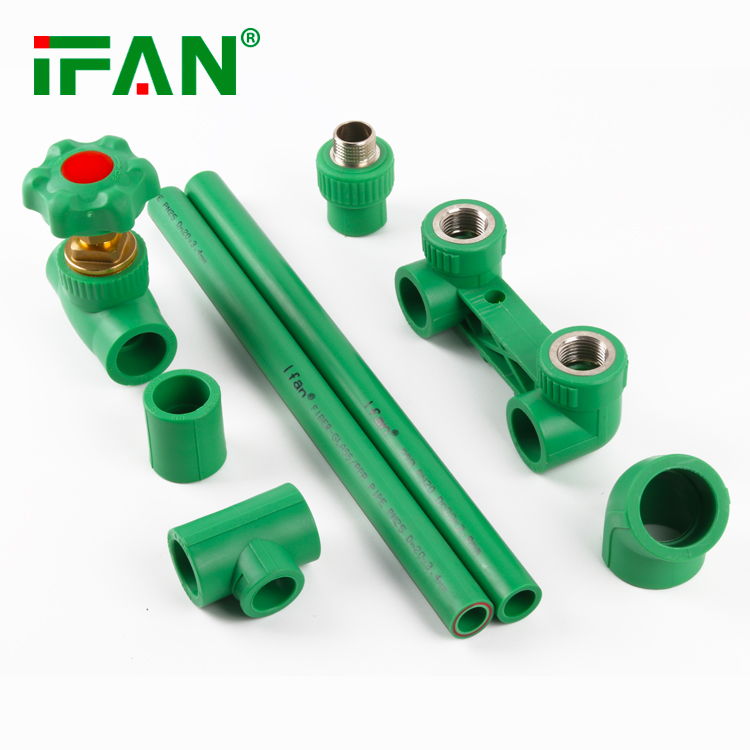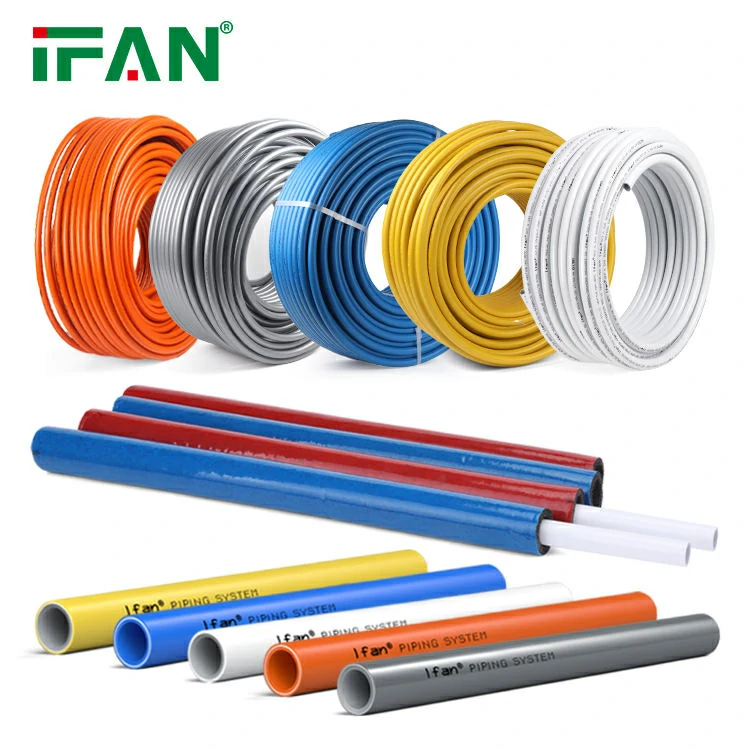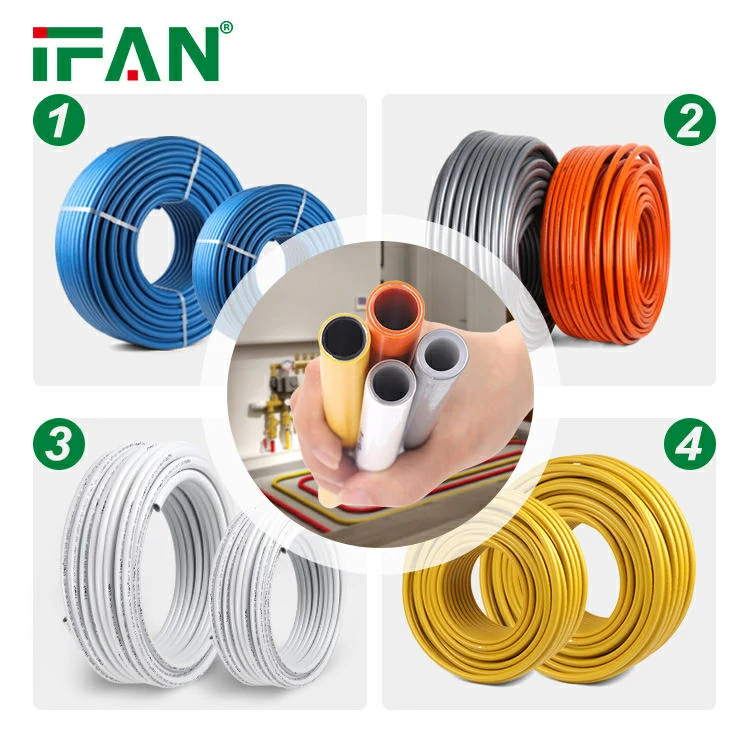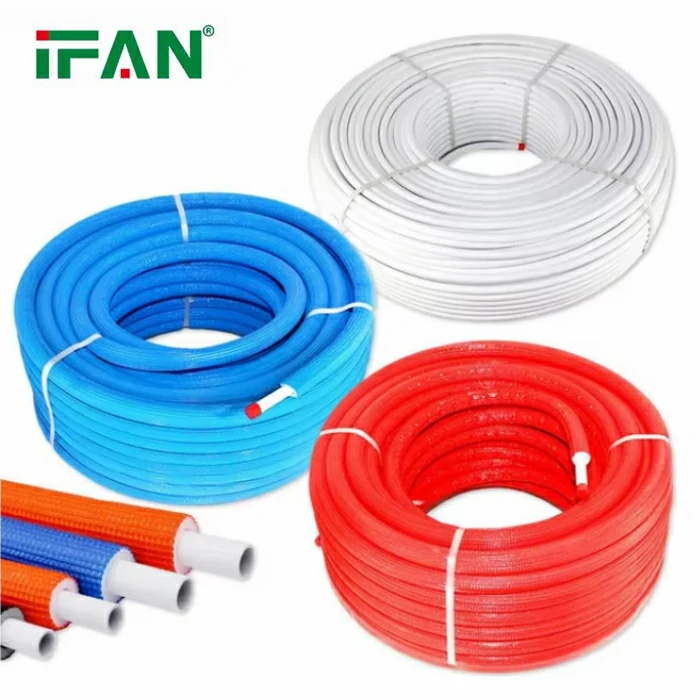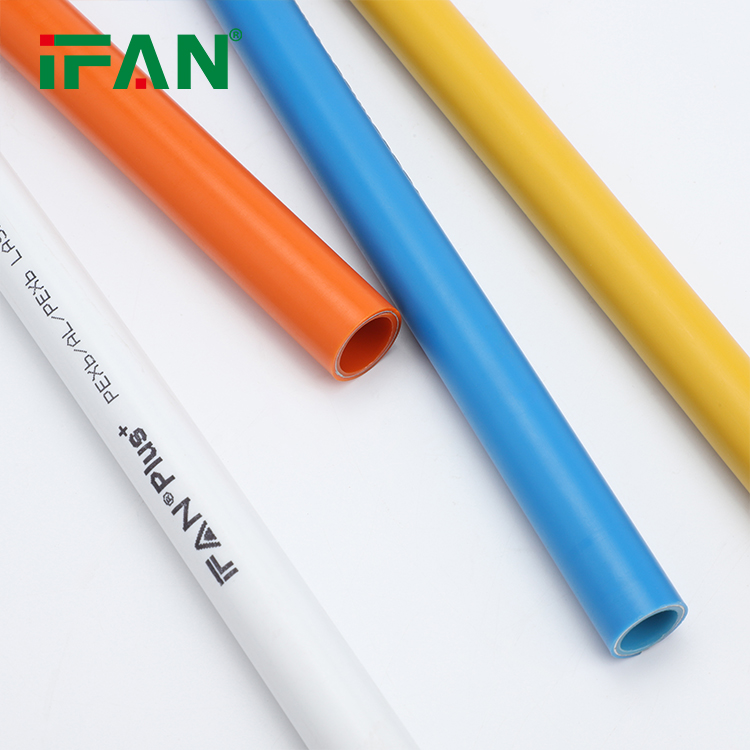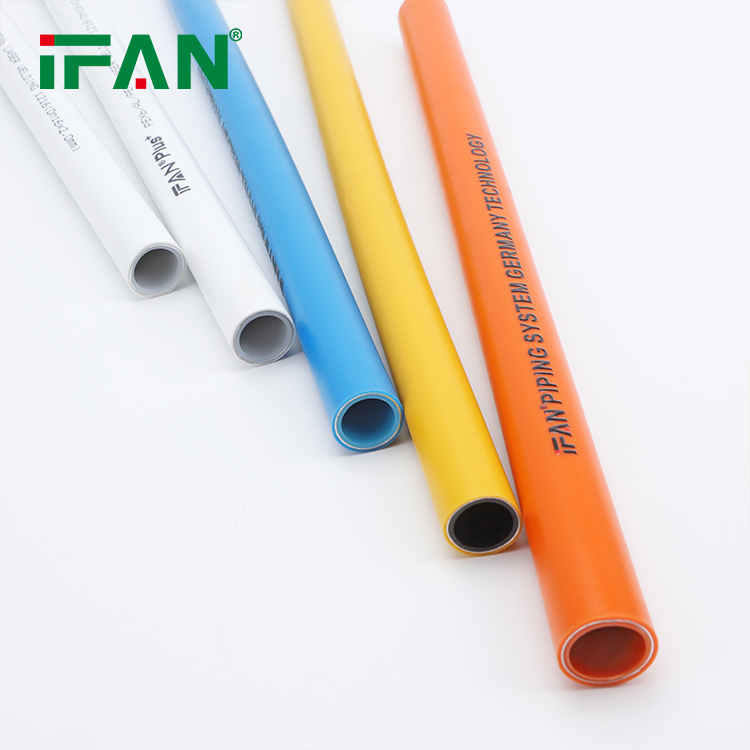
PPR, an abbreviation for Polypropylene Random, has revolutionized the piping industry with its unique properties and widespread applications. This article delves into the latest advancements and professional knowledge surrounding PPR pipe, highlighting its versatility and reliability in various fields.
I. Introduction to PPR Pipe
PPR pipe, a type of polymer material, is renowned for its durability, reliability, and environmental friendliness. Its unique composition, comprising polypropylene with random copolymerization, ensures high strength and resistance to both high temperatures and pressures. This, coupled with its lightweight and easy installation, has made PPR pipe a preferred choice in numerous industries.
II. Advancements in PPR Technology
Recent advancements in PPR pipe technology have further enhanced its performance and versatility. The incorporation of advanced additives and manufacturing techniques has improved the pipe’s heat resistance, reducing the risk of expansion and contraction during extreme temperature changes. Additionally, new production methods have increased the pipe’s dimensional stability, ensuring a tighter and more secure fit during installation.
III. Applications of PPR Pipe
PPR pipe finds extensive use in various industries, including but not limited to:
- Building Construction: PPR pipe is widely used in plumbing systems, both for hot and cold water supply. Its corrosion resistance and smooth inner walls ensure efficient fluid flow and long-lasting performance.
- Industrial Use: In industries requiring the transport of chemicals and fluids, PPR pipe offers excellent chemical resistance and durability. Its ability to withstand high pressures and temperatures makes it a reliable choice for industrial applications.
- Agricultural Irrigation: PPR pipe’s lightweight and flexibility allow for easy installation in agricultural fields, ensuring efficient water distribution for crop irrigation.
IV. Benefits of PPR Pipe
PPR pipe offers numerous benefits compared to traditional piping materials, including:
- Environmental Friendliness: PPR pipe is made from recyclable materials, reducing the impact on the environment.
- Ease of Installation: The pipe’s lightweight and flexibility allow for quick and easy installation, reducing labor costs.
- Durability: PPR pipe’s resistance to corrosion and high temperatures ensures long-lasting performance and reduced maintenance requirements.
V. Conclusion
PPR pipe, with its unique properties and widespread applications, has become a leading choice in the piping industry. Its continued advancement in technology and innovations will further enhance its performance and versatility, making it an even more attractive option for various applications. As the demand for sustainable and efficient piping solutions grows, PPR pipe stands poised to play a crucial role in meeting these challenges.
Free Sample(Click Here to Get Free Sample)