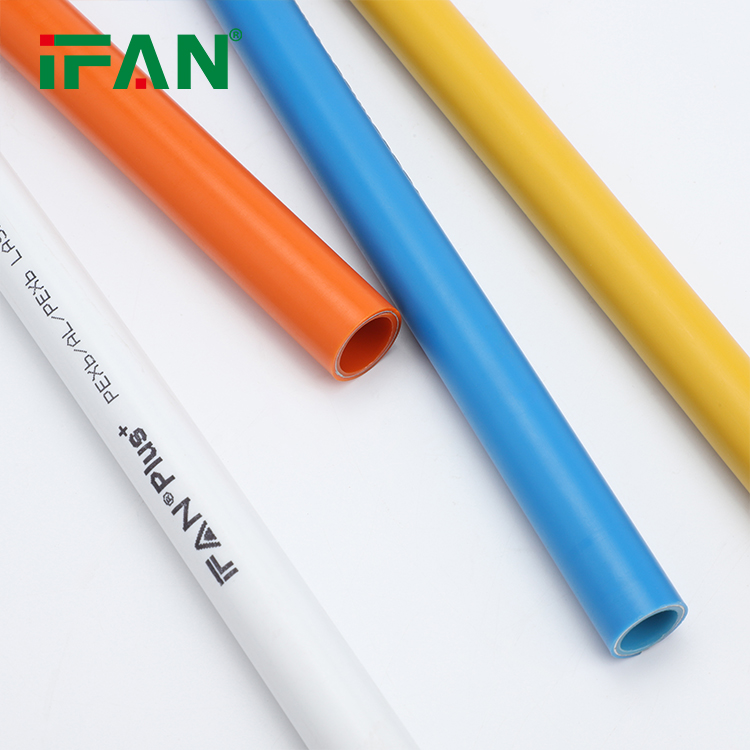
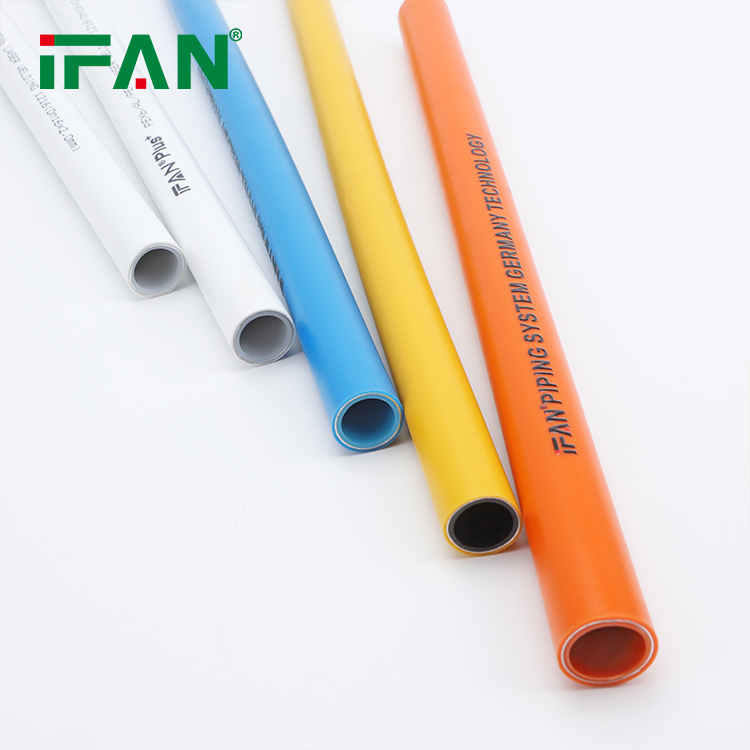
Innovative HDPE Fittings for Water and Sewer Applications: A Breakthrough in Plumbing!
Have you ever experienced water leakage or sewer pipe blockage? These plumbing issues can have severe implications, ranging from property damage to environmental pollution. However, with the emergence of innovative HDPE fittings, these problems are now a thing of the past.
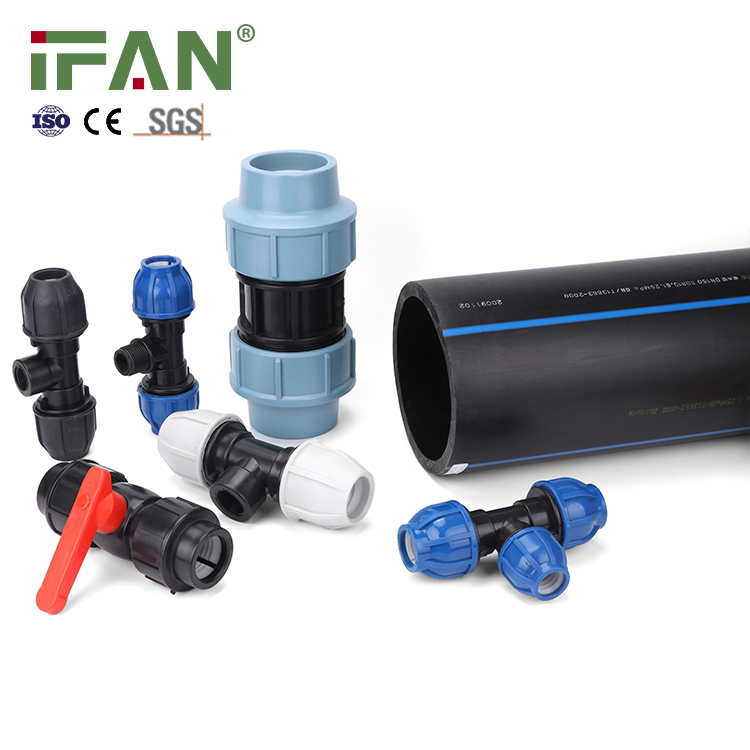
HDPE (High-Density Polyethylene) is an innovative material that has revolutionized the plumbing industry. It has exceptional properties such as high resistance to corrosion, chemicals, and abrasion, which makes it an ideal material for water and sewer applications. HDPE fittings are primarily used to connect pipes in underground drainage and sewage systems, as well as indoor and outdoor water supply systems.
What makes HDPE fittings stand out from conventional fittings is their flexibility and versatility. They can withstand extreme temperature fluctuations, ranging from -35°C to 90°C, which is not possible with traditional fittings. This means that HDPE fittings can resist expansion and contraction, preventing any leaks or potential damage to the piping.
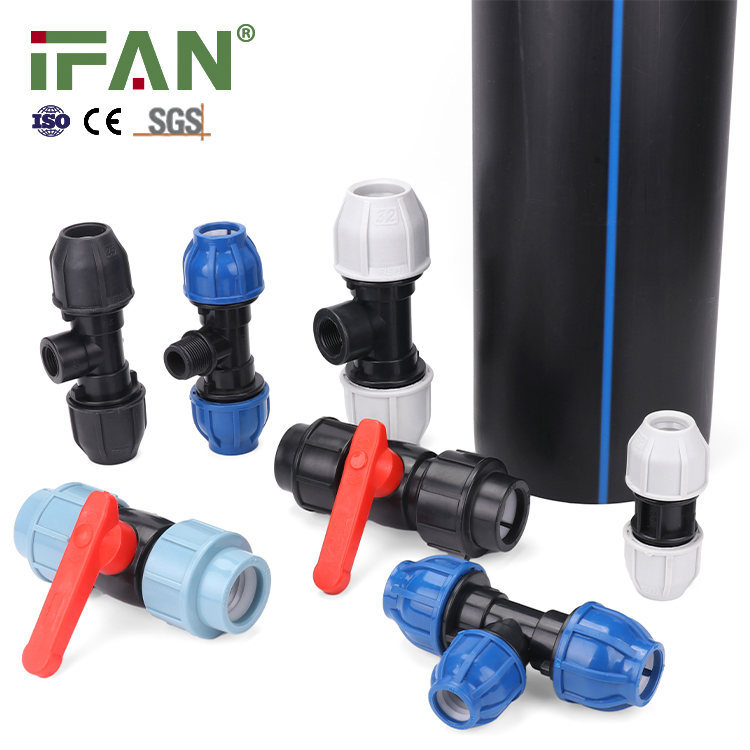
Additionally, HDPE fittings have an easier joining process that takes less time and is more cost-efficient. With fewer connection points, there is a lower chance of leakage, ultimately reducing the overall cost of installation.
Another advantage of HDPE fittings is their safety. They are non-toxic, making them ideal for water supply systems where drinking water is involved. Furthermore, they are suitable for use in high-pressure systems such as gas pipelines, as they have the maximum pressure capacity of up to 16 bars.
HDPE fittings are also environmentally friendly since they are 100% recyclable. They do not corrode or rust, and they have a long lifespan of up to 100 years, which significantly reduces the need for repairs or replacements. This extends the service life of the piping system and reduces environmental waste.
Finally, HDPE fittings are easy to maintain as they do not accumulate debris or become encrusted. The smooth surface of the material resists microbial growth, leading to a reduction in contamination and blockages in the piping system.
In conclusion, innovative HDPE fittings represent a significant breakthrough in the plumbing industry. They increase longevity, reduce maintenance and installation costs, enhance system safety, and benefit the environment. If you are planning to upgrade your plumbing system, consider using HDPE fittings and join the revolution!